""에 대한 모든 결과 보기

 언제든지
언제든지 
 Tiếng Việt
 English한국어
 日本語
日本語 简体中文
简体中文 Français
 Deutsch
 Español
 Italiano
 Русский


 기업 로그인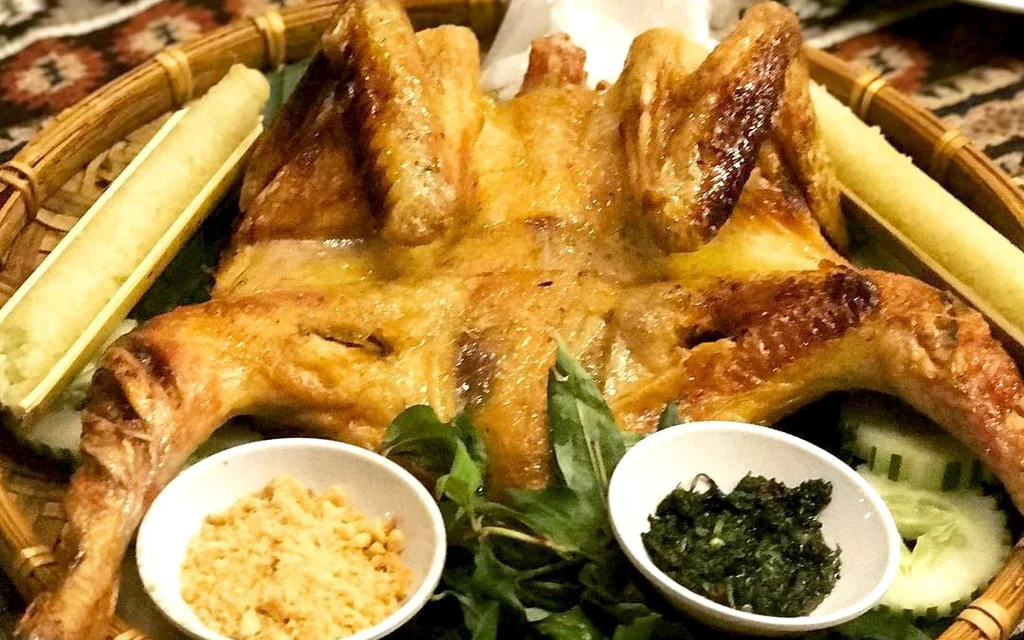
Delicious Kon Tum
 Kon Tum, Kon Tum Province, Vietnam
8 specialties of Kon Tum Central Highlands that you need to experience when coming to Kon Tum.
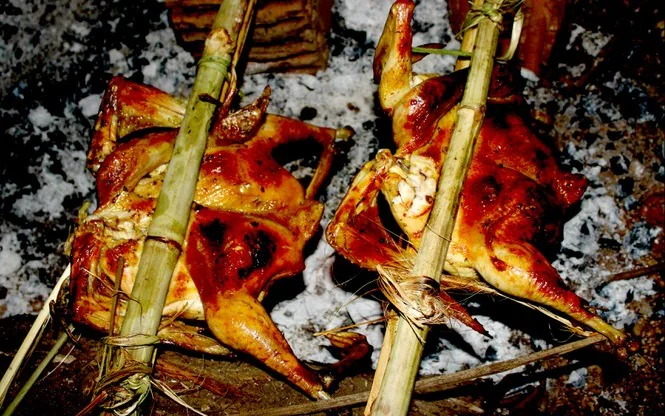
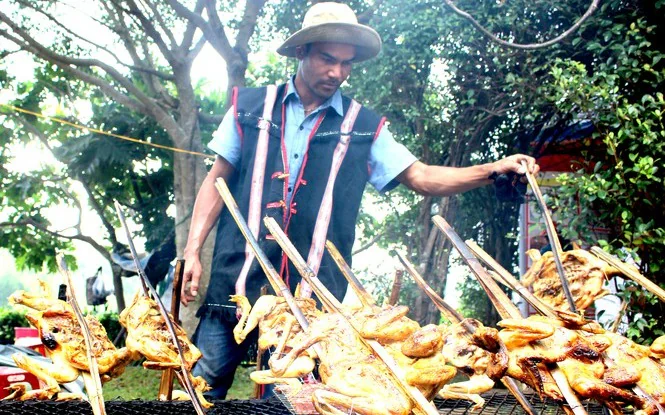
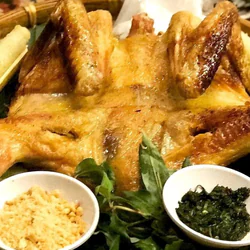
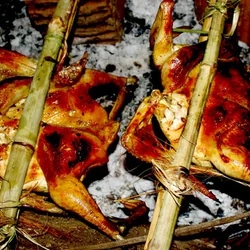
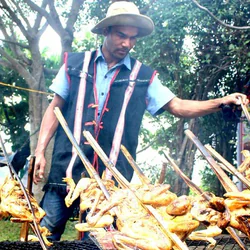
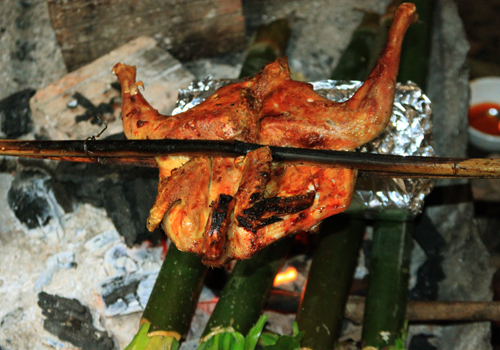
1.Grandma's grilled chicken or Chicken far from the fire
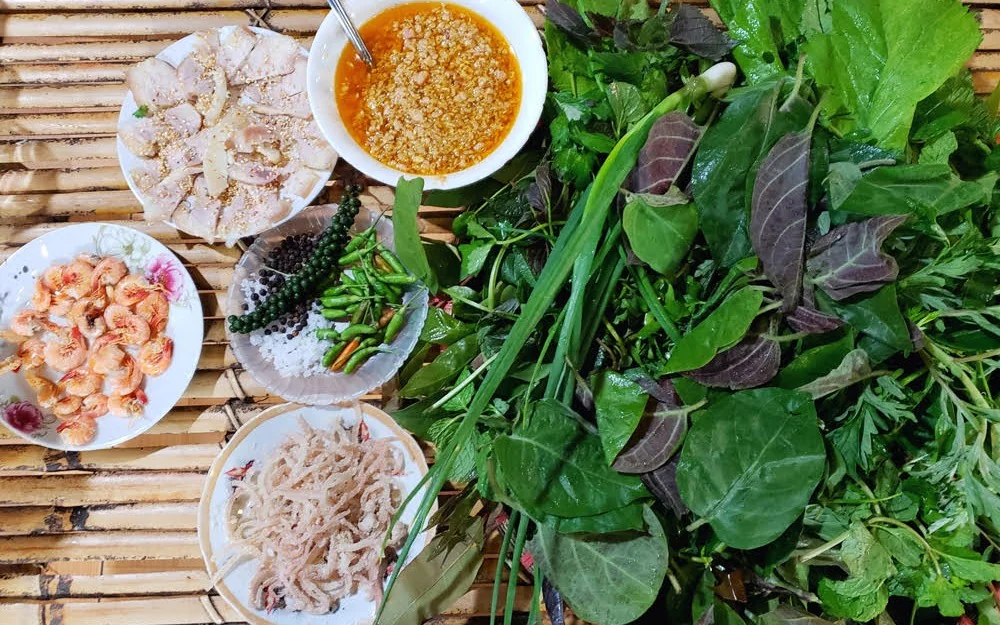
Grilled chicken is a nutritious dish for Central Highlands women after giving birth. The way the chicken is grilled is kept away from the fire, the heat of the charcoal cooks the chicken without drying the meat. After roasting, the chicken skin does not burn but turns golden brown. Grilled chicken served with é leaf salt (a type of spice leaves abundant in the Central Highlands mountains, pounded with salt, green chili) and soft, delicious rice tubes.
Looking up online, it says Chicken Sa fire. With the way of roasting of the Central Highlands, the name Chicken far from fire seems more accurate.
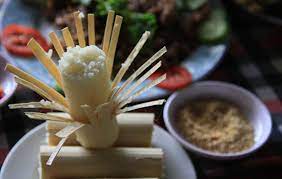
2. Lam rice
Glutinous rice cooked in bamboo tubes, bamboo, bamboo .... then pour water in. The head was made of banana leaves, dong leaves and was initially placed near the fire. Ignite the fire evenly so that when the shell burns into thin layers of charcoal around the bamboo tube, that's when the rice is cooked. If you eat it right away, just cut off the tube, if you want to keep it for a long time, just remove all the burnt cork outside, leaving only a clean white thin shell, which will be used for a whole week without fear of stale rice. Although not with other foods or salt, this dish is also very delicious and easy to eat.
Lam rice in the Central Highlands is cooked slightly differently from Thai ethnic rice.
3. Liquor - wine
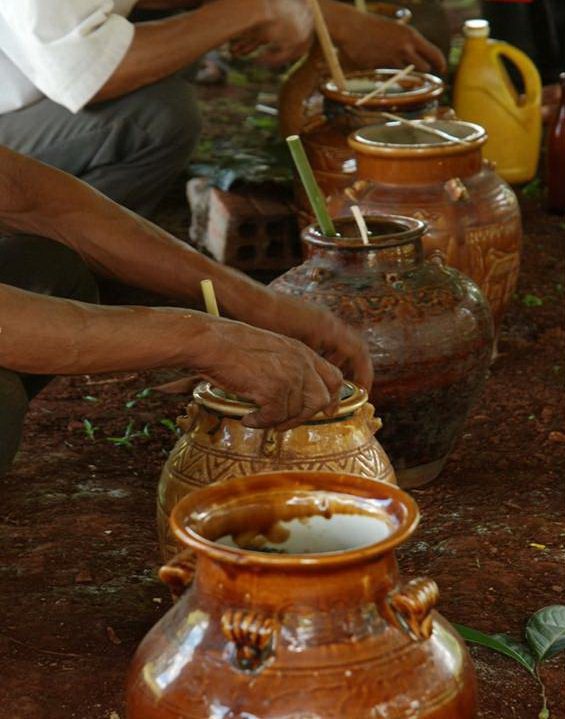
Liquor is left in the pot. Alcohol is needed by drinking. Different ethnic groups will have different processing methods. Gè wine of the Se Dang people is made from glutinous rice, glutinous rice, bo bo, tapioca and brewed with "dai thousand" wine yeast.
Wine yeast is made from chili, ginger, rice flour and Plo tree - a plant with vines and thin leaves. This is a forest tree with a fragrant, slightly spicy taste .
If you want the wine to be sweet, use the plo root as yeast. If you want the wine to have a slightly bitter taste, you can use the bark of the plo tree as yeast. If you want the wine to have a strong sour taste, use plo leaves as yeast.
After pounding, mix the above ingredients and squeeze them into lumps, dry to form dry yeast.
When making can wine, take the dried yeast that are pounded into powder, sprinkle evenly on the ingredients used for brewing such as charcoal, bo bo, millet, noodles, glutinous rice... that have been cooked. Then, she put it in the clams to incubate and covered her mouth. About a month later, you can drink it.
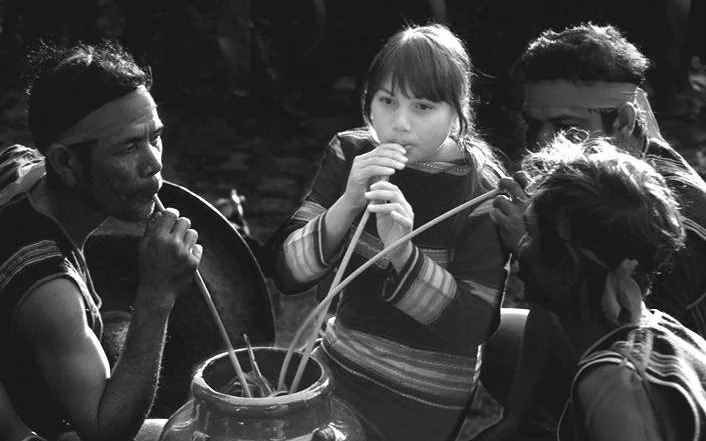
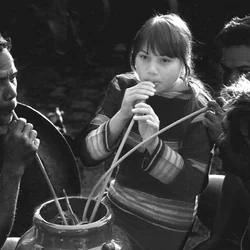
When drinking, the Se Dang pour clean water into the dog. Drinking water needs to be the kind of water that is taken from the stream in the early morning in the middle of the forest to be delicious. And to have good wine, it takes about 7-10 hours for the wine to infuse. Need to drink wine made of bamboo or small cork tree trunks, skillfully pierced from one end to the other.
Every time drinking can wine, the guest and the host sit opposite each other and smoke together in the right manner of the Se Dang people.
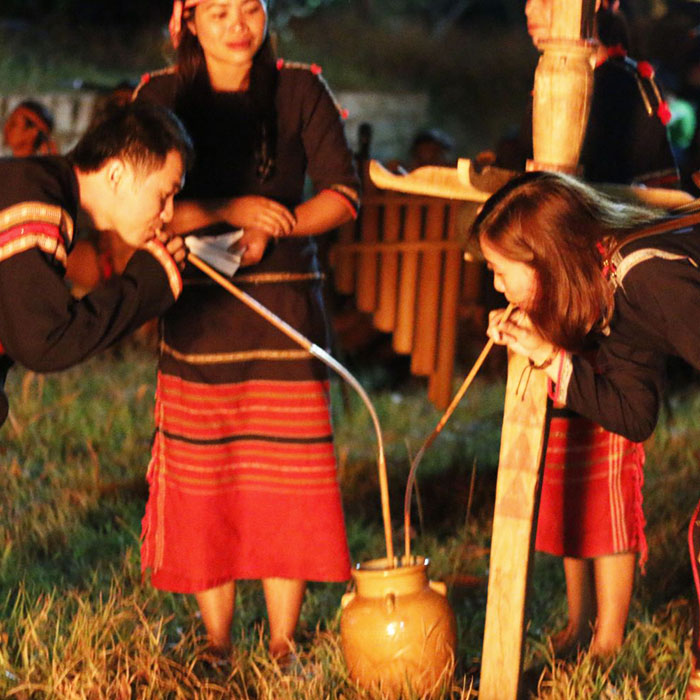
Enjoying the wine with a stick
4. Noodle leaves
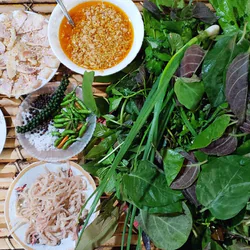
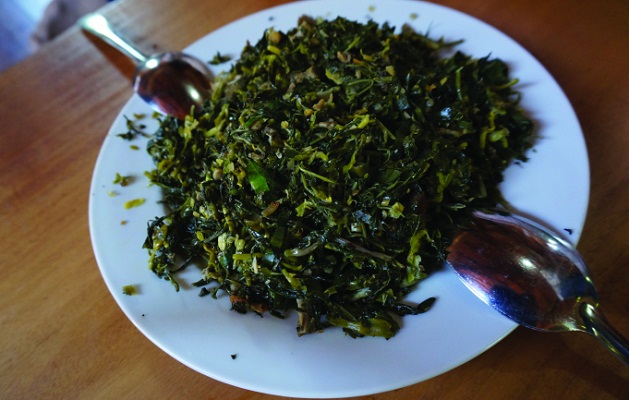
Noodle leaves stir-fried with chicken hearts, fried noodles with bitter tomato, fried noodles with bacon, fried noodles with beef, noodles with dried fish, sour soup with noodles.... Many dishes are made from noodles. For the people of the Central Highlands, the noodle dish is often made to treat parties and welcome guests because this dish is very hard work.
The leaves must be a type of plant with edible tubers, red-purple petioles, small and thin leaves. Use only the young leaves and the leaves adjacent to the top of the cassava plant. To get the best noodles, cooks have to pick them early in the morning. The young green leaves are still covered with white powder and are spread evenly on the nia and then crushed or put in a mortar before cooking.
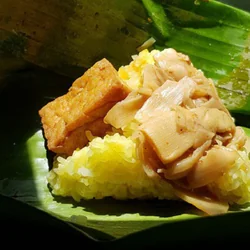
5. Kon Tum sticky rice with bamboo shoots
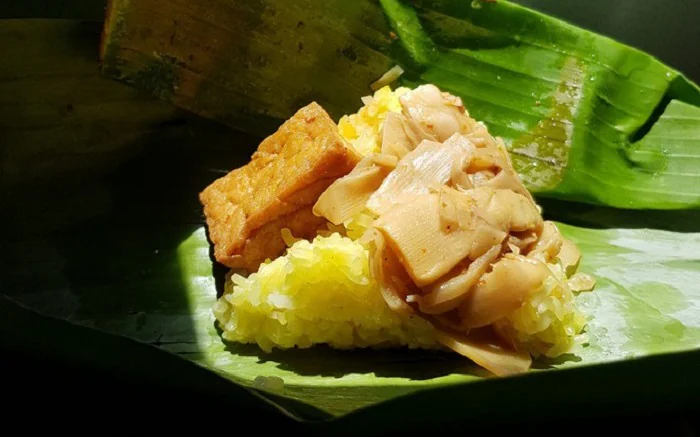
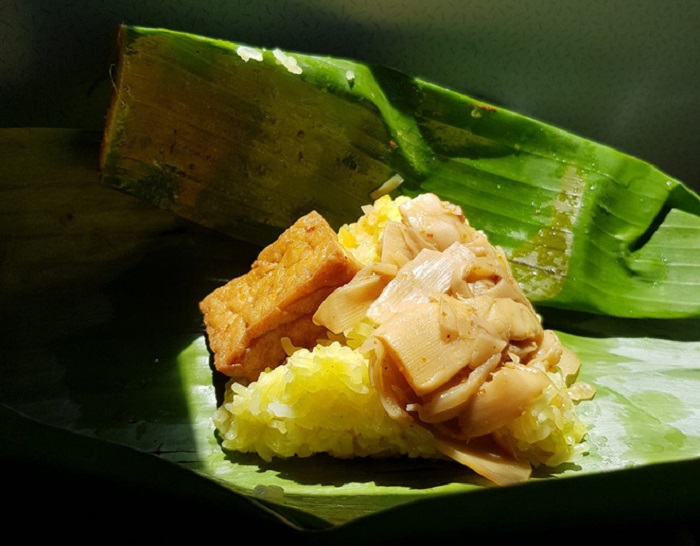
Kon Tum sticky rice is made from glutinous rice soaked with turmeric powder for about 7-10 hours. So when sticky rice will have a very flat yellow color. Sticky rice with stir-fried bamboo shoots, where is the noodle soup, braised meat, cotton balls or braised scad. Best armpit.
6. Rotten crab noodles
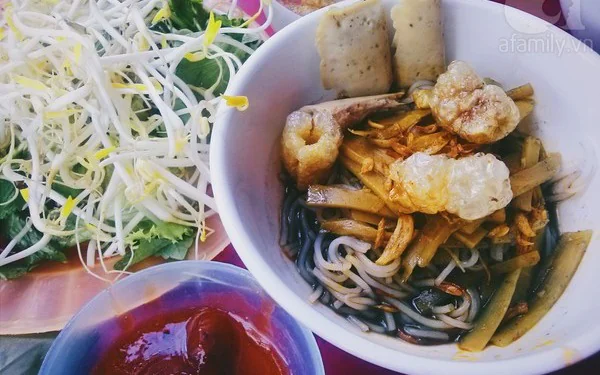
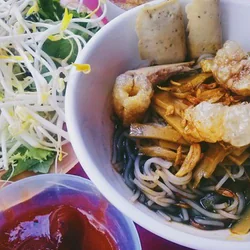
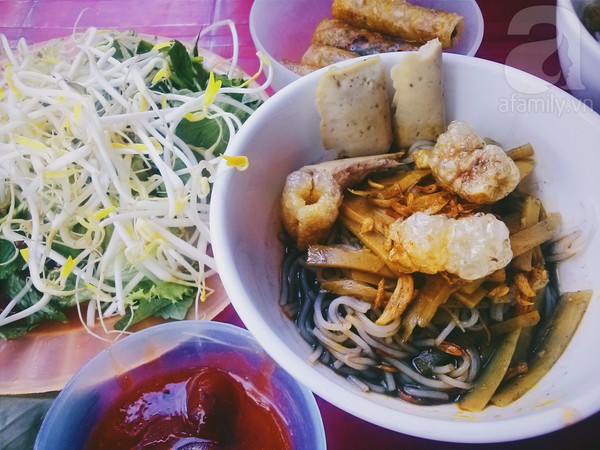
A bowl of Kon tum rotten crab vermicelli is very eye-catching with some fried bamboo shoots, a few pieces of fatty pork belly, a few pieces of fried skin, fried onions, and fried spring rolls wrapped in fragrant banana leaves. Especially, the broth cooked with crab meat is brewed for 1 day before cooking, so when enjoying the taste and smell of crab noodles, it is very typical. If you have a weak stomach, do not try.
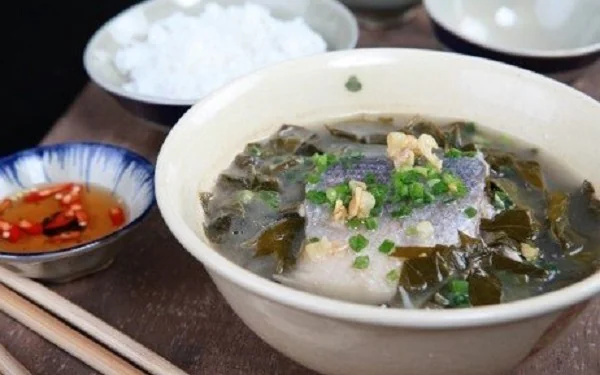
7. Kon Tum sour fish:
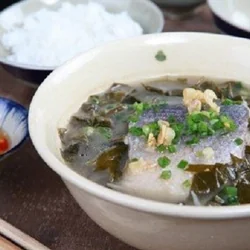
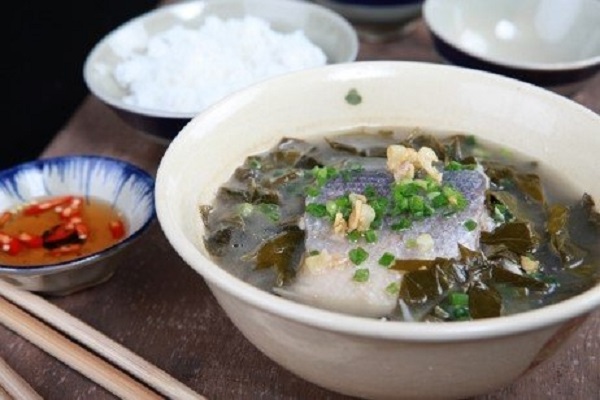
The way to make this dish is quite simple, just like the honest and rustic way of life like the people here. Fish after hunting, clean, scrape scales, remove heart, remove gills. Then cut into small pieces about 2-3 cm. Marinate spices such as salt, chili, main noodles, crushed pepper and hang for about 30 minutes to dry the fish. Dried fish will be marinated with dried hearing and mixed with bep leaves. Dried cassava is usually made from dried corn kernels and then ground into powder. After mixing all the spices, put the fish in the cleaned cork tube and close the lid. Then put it on the kitchen attic or the roof. About 3-4 days later it is ready to eat.
However, according to the experience of the ethnic people here, the longer the fish is left to eat, the better it is. Because the fish is left for a long time, the meat will absorb the spices and firm up. At this time, the fish will absorb the salty taste of salt, the spiciness of wild chili, pepper, the aroma of hearing and the sweet taste of bep leaves. All combined makes the piece of fish much more delicious.
After the process of keeping the kitchen and fermenting, you can eat it right away. Or processed into many delicious dishes from sour fish, such as sour fish cooked in forest leaves, braised sour fish, steamed ...
8. Myrtle Wine Black Mango
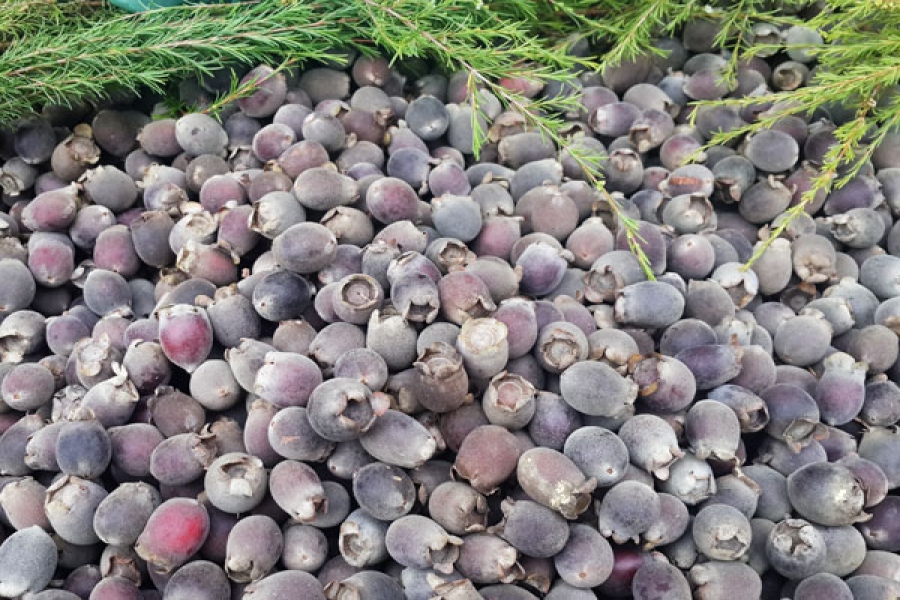
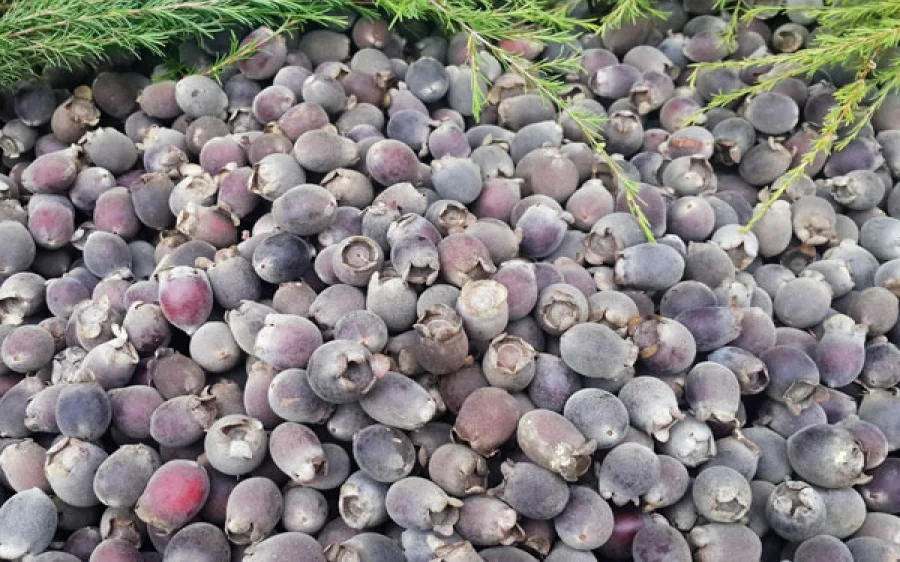
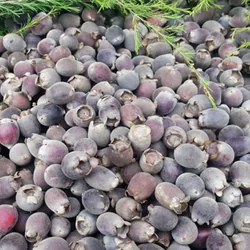
Every year around June of the solar calendar, the Co - Tu and Xe Dang ethnic minorities in the highlands of Mang Den village in Kon Tum province invite each other to the forest to pick myrtle. In order to achieve good quality, it is imperative that the sim pickers must pick at the early morning dew. From this valuable source of raw materials combined with the modern technology of wine production of Bordeaux (France) has been improved and the source of yeast specializing in wine production of France, all create a taste for Mang Den myrtle wine. Natural rustic of the mountains but no less luxurious as well as typical of genuine wine.
If you have the opportunity to come to Kon Tum, try a glass of sim wine in the cold weather to get drunk with the "great drunken yeast".