


Xem tất cả kết quả cho ""

 Ngày bất kỳ
  Tiếng Việt
 English
 한국어
한국어 日本語
日本語 简体中文
简体中文 Français
 Deutsch
 Español
 Italiano
 Русский


 Đăng nhập cho Doanh nghiệp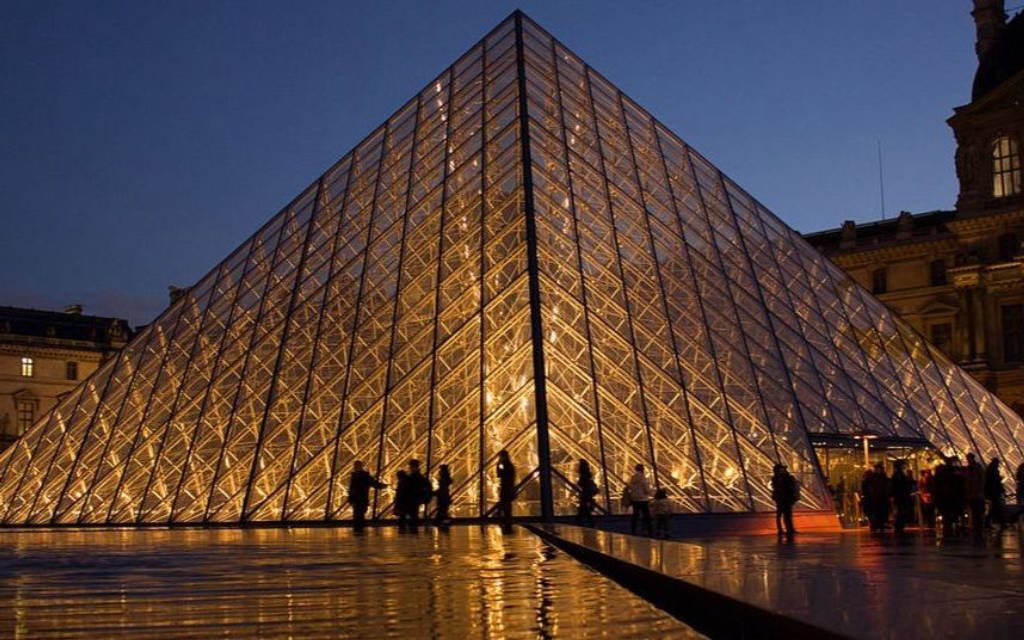
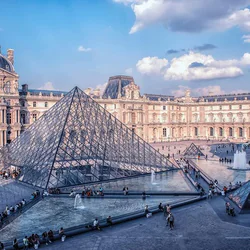
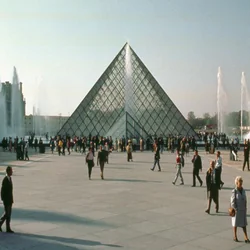
Kim tự tháp của bảo tàng Louvre
 11 Av. de l'Opéra, 75001 Paris, Pháp
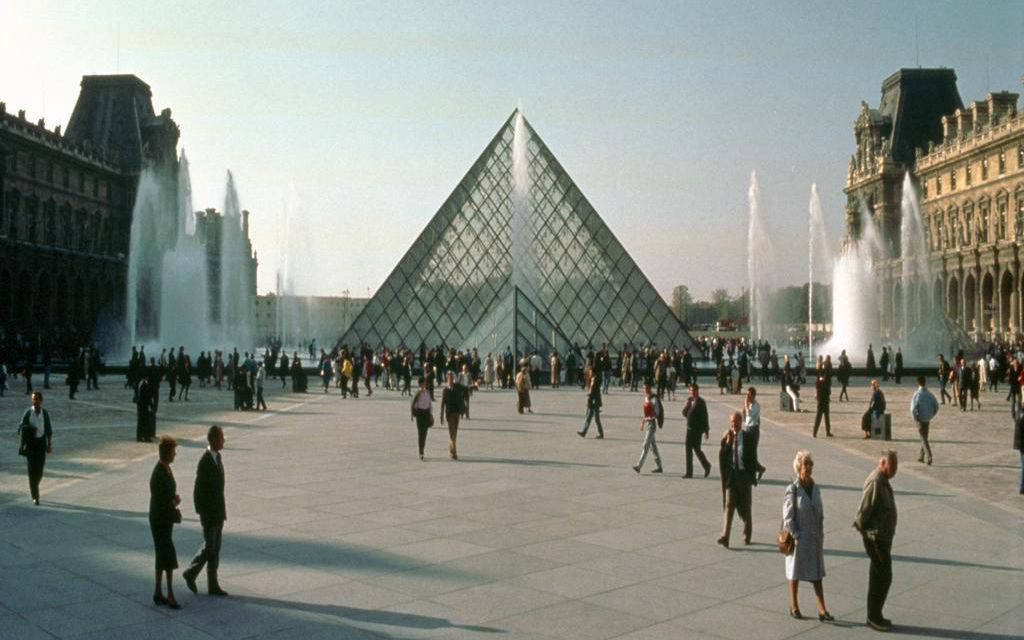
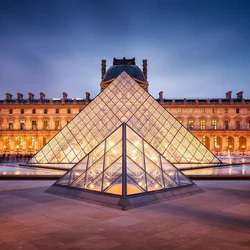
Kim tự tháp trước cổng chính bảo tàng Lourve là một kiến trúc bổ xung và một thành tựu của kiến trúc trường phái Vị Lai. Kim tự tháp từng được nhắc đến trong tiểu thuyết nổi tiếng Mật mã Da Vinci của Dan Brown và bộ phim cùng tên.
1. Giới thiệu về kim tự tháp kính Louvre
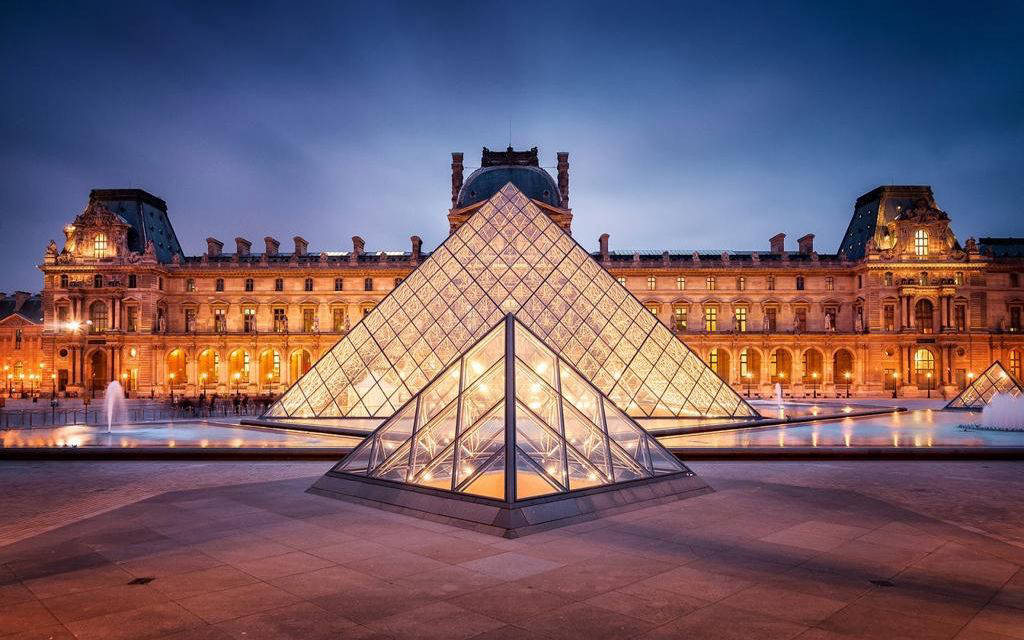
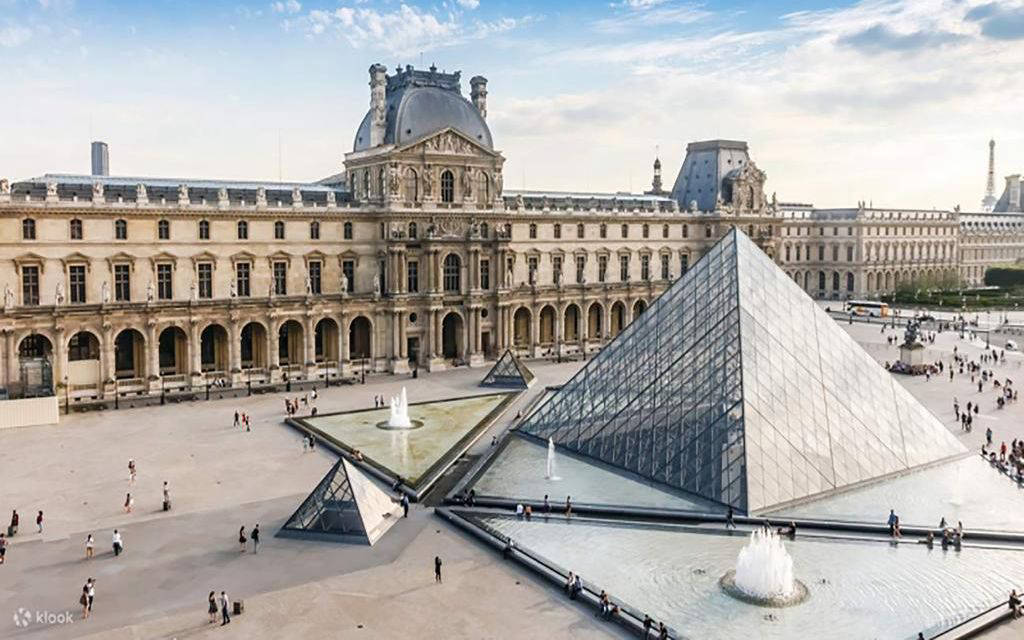
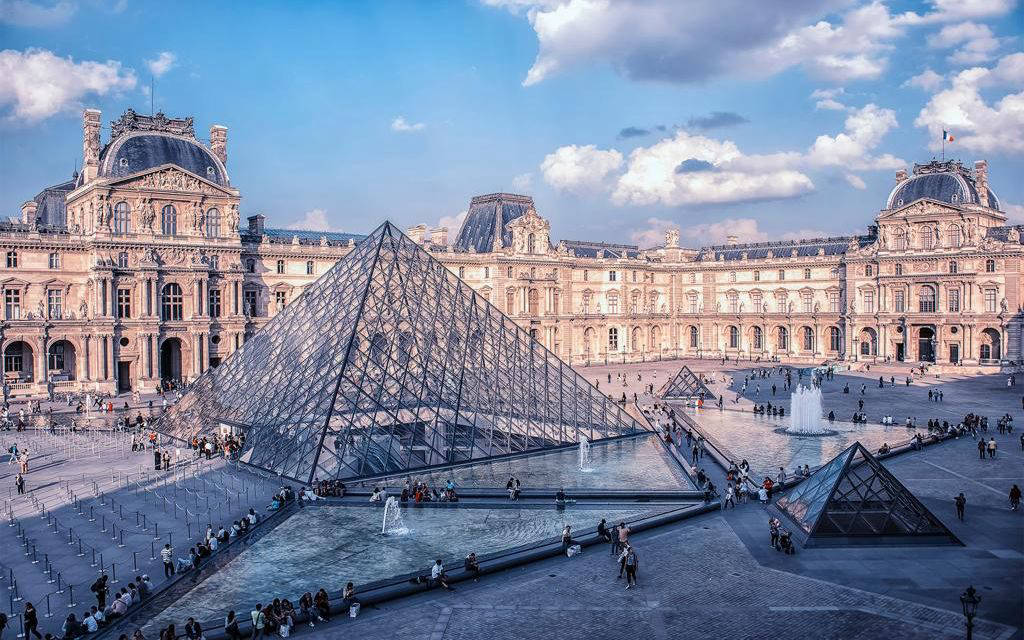
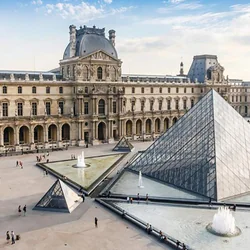
Kim tự tháp kính Louvre là một bổ sung kiến trúc hiện đại cho bảo tàng Louvre nổi tiếng ở Paris, Pháp. Đây là một kim tự tháp lớn bằng kính và kim loại nằm ở giữa sân Napoléon (Cour Napoléon), được thiết kế bởi kiến trúc sư người Mỹ gốc Hoa I.M. Pei và hoàn thành vào năm 1989.
Kim tự tháp Louvre không chỉ đóng vai trò là lối vào chính của bảo tàng mà còn là một điểm du lịch nổi tiếng, thu hút hàng triệu du khách mỗi năm.
2. Kiến trúc và thiết kế của kim tự tháp kính Louvre
2.1. Cấu trúc
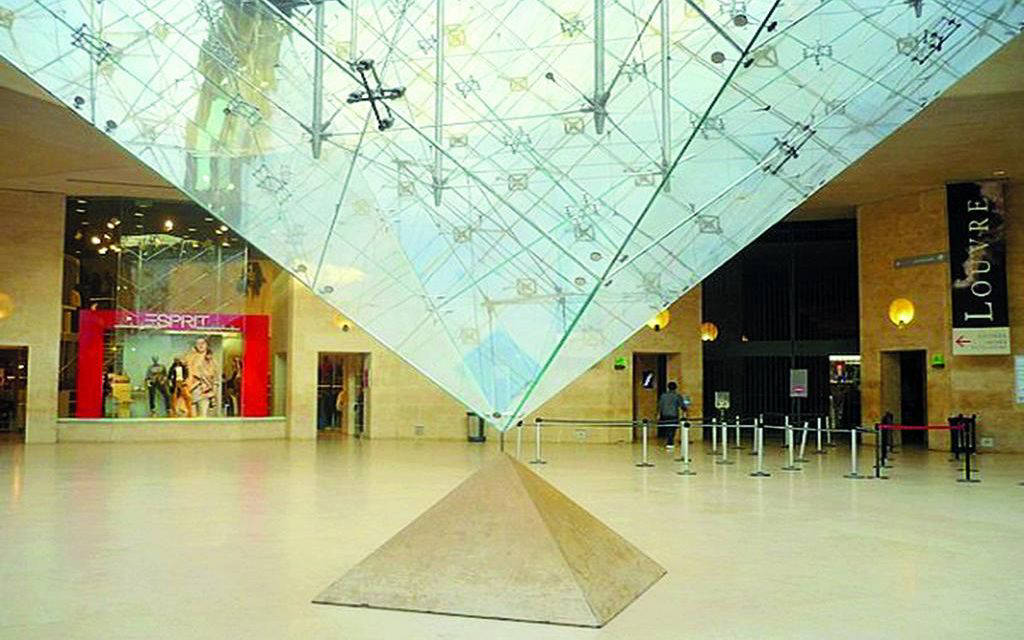
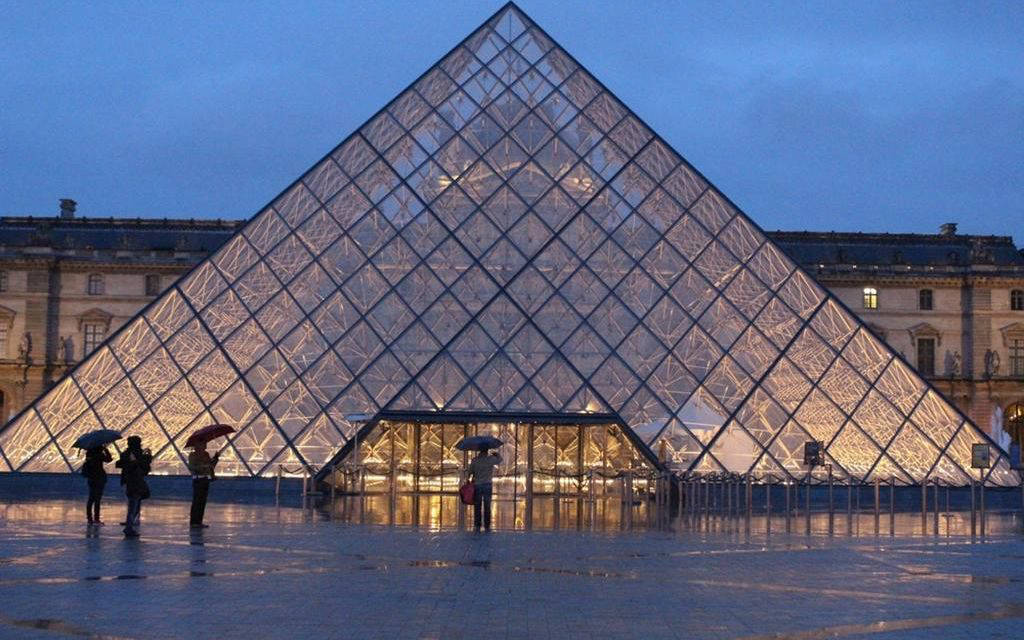
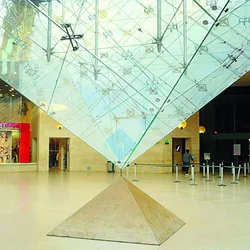
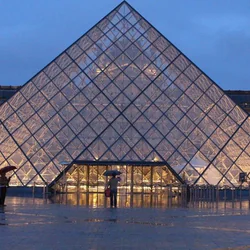
Kim tự tháp kính Louvre được tạo thành từ 673 tấm kính tam giác và hình thoi, kết hợp với khung kim loại chắc chắn. Công trình có ba tầng, trong đó tầng trên cùng là lối vào chính của bảo tàng, kết nối bằng thang máy hoặc đường dốc xuống tầng ngầm dẫn đến các phòng trưng bày.
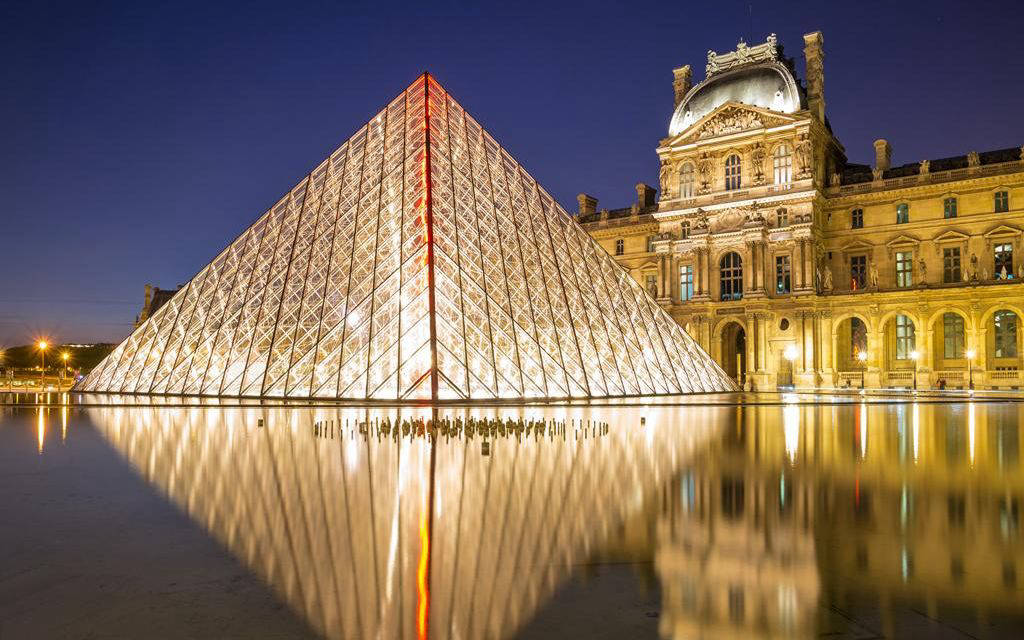
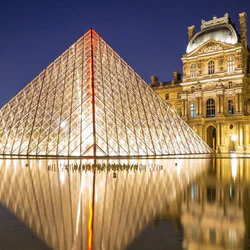
Thiết kế kim tự tháp bằng kính tại bảo tàng Louvre mang tính đối lập hoàn toàn với kiến trúc cổ kính của cung điện Louvre có từ thế kỷ 12. Kiến trúc tối giản, hiện đại của kim tự tháp trở thành biểu tượng cho tinh thần cởi mở và tiếp nhận nghệ thuật đương đại của bảo tàng.
2.2. Ý nghĩa và phản ứng công chúng
Ngay từ khi khánh thành, kim tự tháp kính ở bảo tàng Louvre Paris đã nhận về nhiều ý kiến trái chiều: một số ca ngợi sự táo bạo và độc đáo của nó, trong khi có người cho rằng công trình không hài hòa với bối cảnh lịch sử của Louvre. Dù vậy, theo thời gian, kim tự tháp đã trở thành một biểu tượng kiến trúc nổi tiếng thế giới.
3. Trải nghiệm tham quan kim tự tháp Louvre
3.1. Bên trong kim tự tháp
Bên dưới kim tự tháp kính Louvre là Carrousel du Louvre – khu mua sắm và ẩm thực với nhiều cửa hàng, quán cà phê, nhà hàng, rất thích hợp để nghỉ ngơi sau khi tham quan. Đây cũng là nơi du khách có thể mua quà lưu niệm và tìm hiểu thêm về lịch sử của bảo tàng Louvre có một kim tự tháp.
3.2. Hoạt động chụp ảnh và tham quan
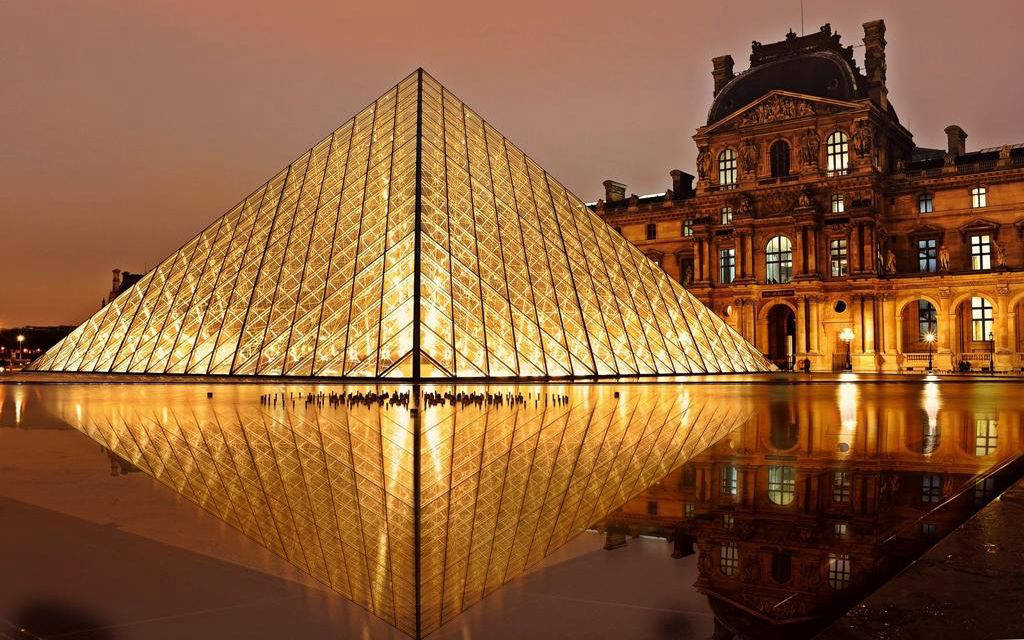
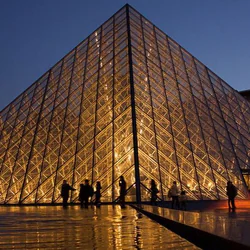
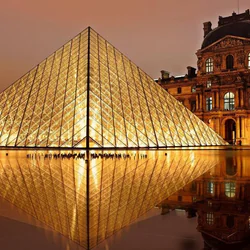
Kim tự tháp bằng kính tại bảo tàng Louvre ở Paris là địa điểm chụp ảnh yêu thích của khách du lịch, đặc biệt vào buổi tối khi hệ thống đèn chiếu sáng tạo nên khung cảnh lung linh. Công trình này cũng từng xuất hiện trong nhiều bộ phim nổi tiếng như “Mật mã Da Vinci” và “The Monuments Men”.
3.3. Giờ mở cửa và vé
Kim tự tháp kính Louvre mở cửa hàng ngày trừ thứ ba. Vé tham quan đã bao gồm trong vé vào bảo tàng Louvre, và du khách có thể đặt tour hướng dẫn để tìm hiểu sâu hơn về thiết kế và câu chuyện lịch sử của công trình.