


Xem tất cả kết quả cho ""

 Ngày bất kỳ
  Tiếng Việt
 English
 한국어
한국어 日本語
日本語 简体中文
简体中文 Français
 Deutsch
 Español
 Italiano
 Русский


 Đăng nhập cho Doanh nghiệp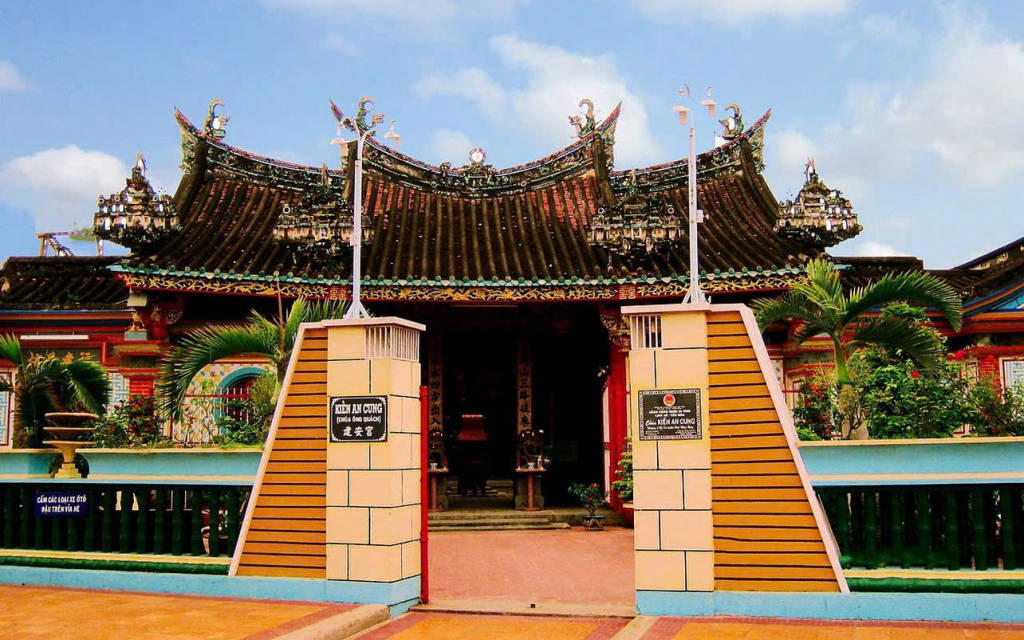
Chùa Kiến An Cung - Di tích văn hóa lịch sử người Phước Kiến, Đồng Tháp
 Kiến An Cung (Chùa Ông Quách), Đường Phan Bội Châu, Phường 2, Sa Đéc, Đồng Tháp, Việt Nam
Chùa Kiến An Cung, còn được gọi là Chùa Ông Quách, là một trong những di tích văn hóa lịch sử nổi bật của thành phố Sa Đéc, tỉnh Đồng Tháp. Là nơi thể hiện sự giao thoa văn hóa giữa người Hoa gốc Phước Kiến và cộng đồng địa phương, chùa không chỉ là nơi thờ cúng tổ tiên mà còn là điểm đến du lịch hấp dẫn, thu hút đông đảo du khách và người dân bản địa.
Chùa Kiến An Cung - Di Tích Văn Hóa Lịch Sử Hòa Quyện Cùng Tâm Linh Người Phước Kiến
Lịch sử và Ý Nghĩa Của Chùa Kiến An Cung
Chùa Kiến An Cung được khởi công xây dựng vào năm 1924 và hoàn thành vào năm 1927, có niên đại hơn 100 năm. Đây là công trình tâm linh được dựng lên bởi một nhóm người Hoa gốc Phúc Kiến sinh sống tại Sa Đéc, với mục đích thờ cúng tổ tiên, dạy dỗ con cháu, đồng thời là nơi kết nối cộng đồng và thúc đẩy các hoạt động buôn bán, trao đổi thông tin. Chùa không chỉ là trung tâm tôn giáo mà còn là một địa điểm quan trọng trong đời sống văn hóa của người Hoa ở miền Tây Nam Bộ.
Chùa Kiến An Cung đã được công nhận là di tích lịch sử quốc gia vào năm 1990, đánh dấu vai trò quan trọng của nó trong việc bảo tồn và phát huy giá trị văn hóa tâm linh, lịch sử của cộng đồng người Hoa tại Sa Đéc.
Kiến Trúc Đặc Sắc Của Chùa Kiến An Cung
Chùa Kiến An Cung là một minh chứng sống động cho kiến trúc Trung Hoa truyền thống với các yếu tố văn hóa và tôn giáo đặc trưng. Nét đặc sắc của ngôi chùa nằm ở cấu trúc và trang trí tinh xảo, từ những chi tiết nhỏ nhất cho đến tổng thể kiến trúc:
Trước cửa chính của chùa là tượng đá xanh hai con kỳ lân to lớn, được điêu khắc tinh xảo. Đây là biểu tượng của sự bảo vệ và may mắn. Hai bức tranh ông Thiện và ông Ác ở hai bên cửa chính là hình ảnh quen thuộc trong các ngôi chùa Trung Hoa, mang ý nghĩa bảo vệ, trấn giữ bình an cho nơi thờ cúng.
Bên Trong Chùa Kiến An Cung
Khi bước qua ngạch cửa bằng đá xanh, du khách sẽ thấy một thiên tỉnh (giếng trời) ở trung tâm chánh điện. Thiên tỉnh không chỉ có tác dụng lấy ánh sáng và thông gió mà còn giúp chùa luôn sáng sủa, thoáng mát, đặc biệt là trong những ngày lễ lớn khi lượng người đến viếng đông đúc.
Bên trong chánh điện, bàn thờ ông Quách (Quảng Trạch Tôn Vương) nằm ở trung tâm, được bao quanh bởi các tượng thần linh như Thanh Thuỷ Tổ Sư và Bảo Sanh Đại Đế, thể hiện sự tôn kính đối với các vị thần bảo vệ sức khỏe và bảo vệ sự sống. Những bức tranh thủy mạc trên tường thể hiện các câu chuyện xưa tích cũ, mang đến những bài học giáo dục sâu sắc về đức tin và đạo đức.
Ngoài ra, các vật liệu quan trọng như đá xanh được đưa từ cố quốc (Trung Quốc) sang làm ngạch cửa và lư hương, cho thấy sự kết nối sâu sắc giữa hai nền văn hóa và những giá trị truyền thống quý báu.
Chùa Kiến An Cung – Điểm Đến Du Lịch Đặc Sắc Ở Đồng Tháp
Nằm bên dòng sông Tiền thơ mộng, thành phố Sa Đéc không chỉ nổi tiếng với thủ phủ hoa mà còn là nơi lưu giữ nhiều giá trị văn hóa, lịch sử quý báu. Chùa Kiến An Cung là một trong những điểm du lịch không thể bỏ qua khi đến Sa Đéc. Tại đây, du khách không chỉ được chiêm ngưỡng kiến trúc độc đáo mà còn có cơ hội hiểu rõ hơn về lịch sử, văn hóacủa cộng đồng người Hoa tại Đồng Tháp.
Ngoài Kiến An Cung, Sa Đéc còn có nhiều ngôi chùa, đình, miếu cổ khác như chùa Hương, chùa Bà Thiên Hậu, chùa Bà Cửu Thiên Huyền Nữ và các công trình lịch sử khác, tạo nên một quần thể văn hóa đa dạng và phong phú cho du khách khám phá.
Chùa Kiến An Cung là một điểm đến không chỉ cho những tín đồ Phật giáo mà còn là nơi các du khách yêu thích khám phá văn hóa, lịch sử, và kiến trúc truyền thống Trung Hoa.