


See all results for ""

 Anytime
 Tiếng ViệtEnglish
 한국어
한국어 日本語
日本語 简体中文
简体中文 Français
 Deutsch
 Español
 Italiano
 Русский


 Login for Corporates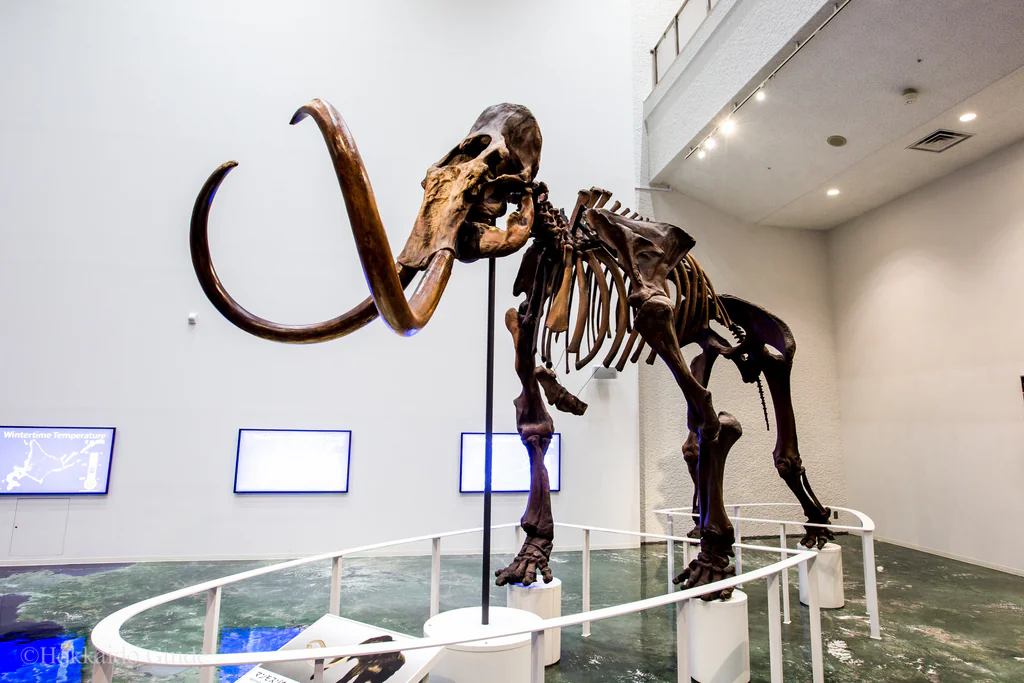

Hokkaido Museum
 53-2 Konopporo, Atsubetsu-cho, Atsubetsu-ku, Sapporo, Hokkaido 004-0006
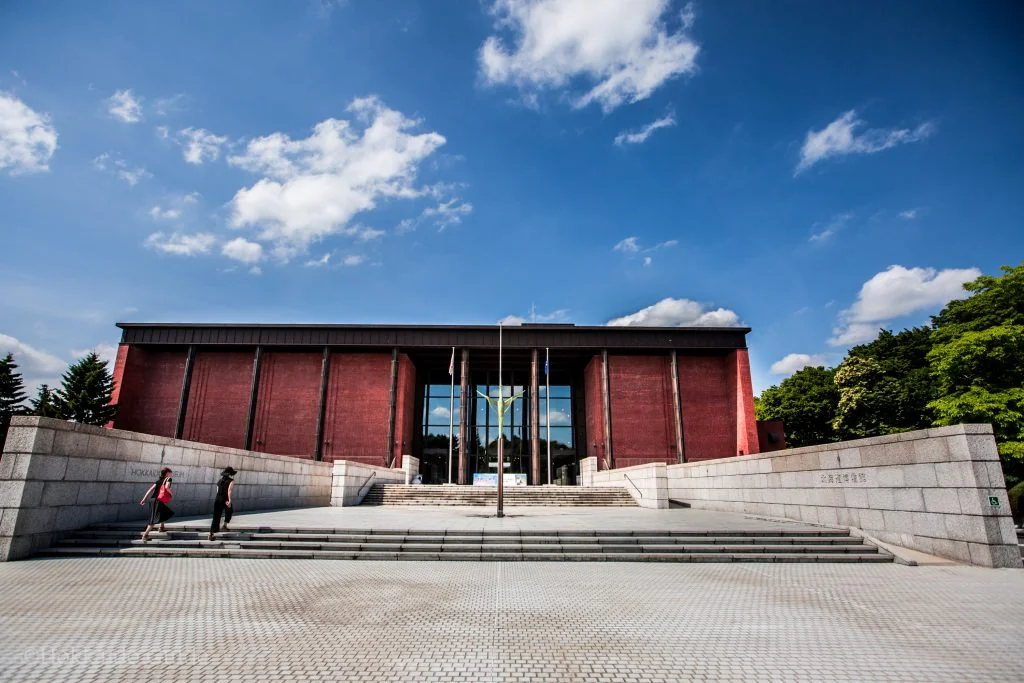
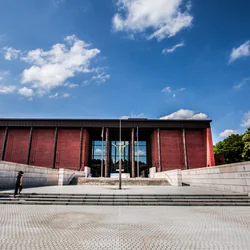
Also known as Mori no Charenga, opened in 2015, is a museum showcasing Hokkaido's nature, history and culture.
The Hokkaido Museum is located in Nopporo Forest Park, a prefectural natural park that is home to Hokkaido squirrels, black woodpeckers, and other rare wildlife. The museum is beautifully laid out and the exhibits are well presented, well-lit and informative available in English and Chinese. The museum's main exhibition introduces two concepts: "Hokkaido as part of Northeast Asia" and "Relation between nature and people" through five themes that integrate nature, history and culture of Hokkaido.
The main exhibition topics of the museum include:
- Opening: South - North meeting point
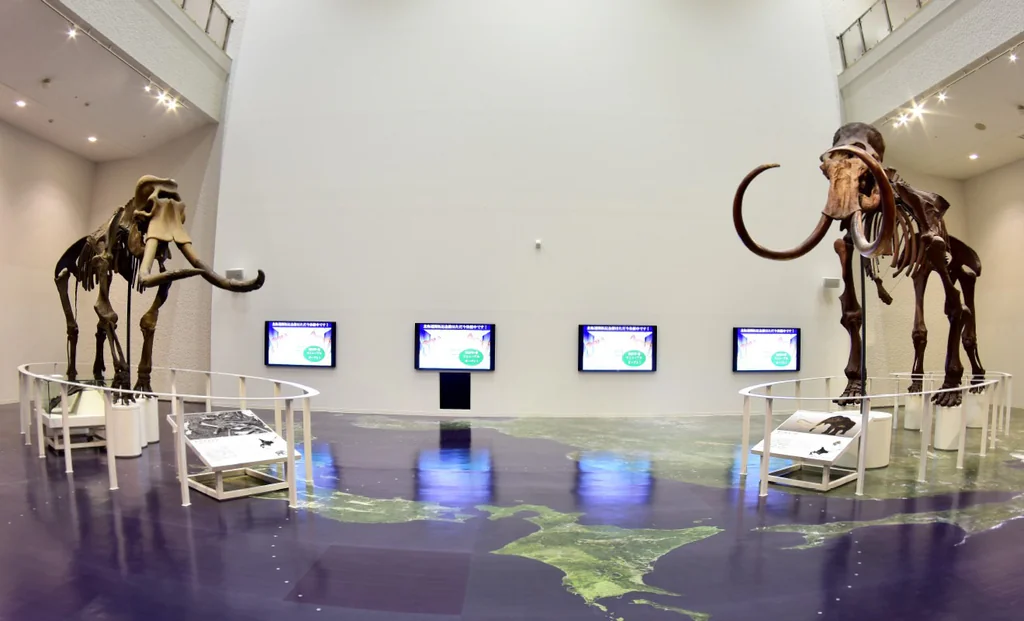
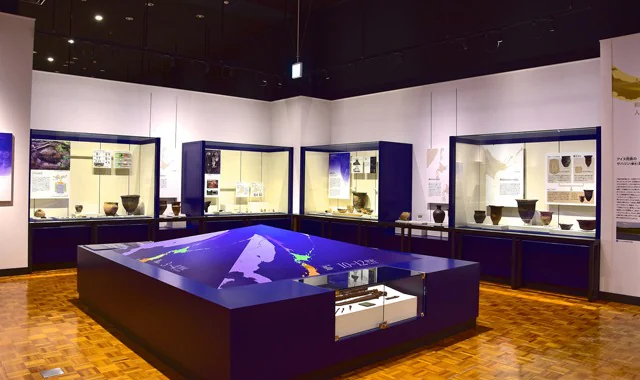
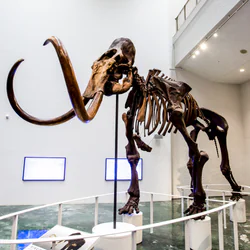
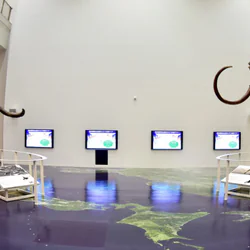
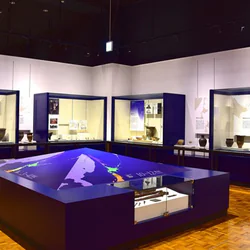
When entering the museum, visitors will walk above a satellite image of Japan, above which is a model of two elephants facing each other: the mammoth to Hokkaido from the north, and the elephant Naumann from the north. male. Since ancient times, Hokkaido has been the connection point and intersection of all lifestyles, human cultures and goods. Rare elephant fossils of Naumann discovered in Churui are also displayed here.
- Theme 1: Hokkaido's 1.2 million year story
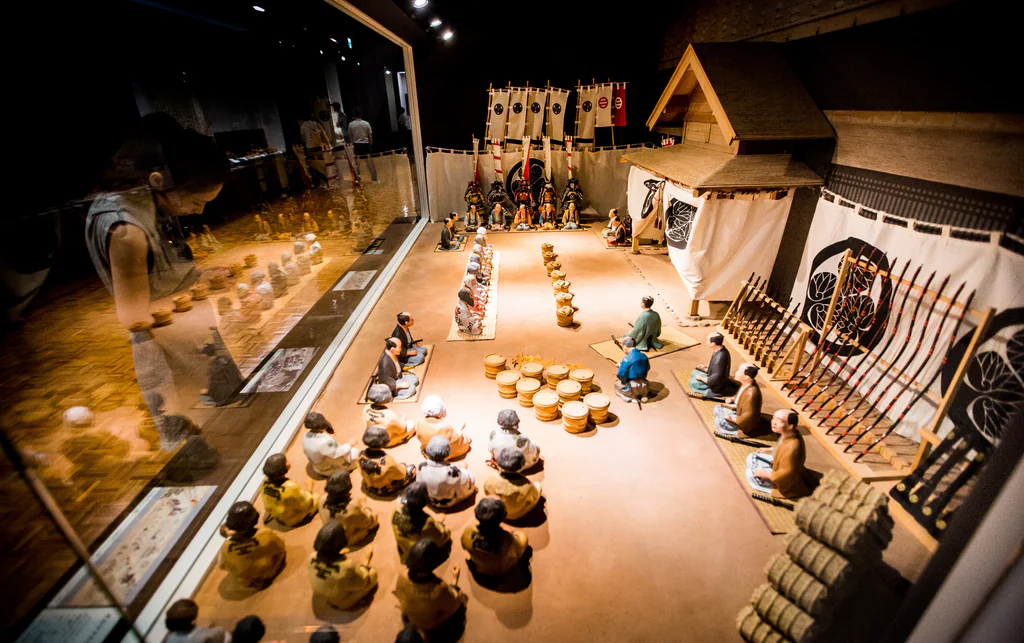
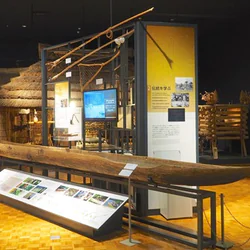
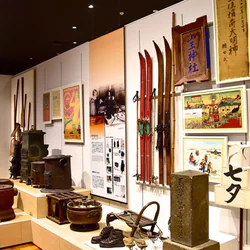
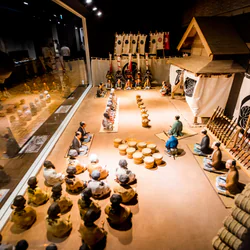
The first theme of the exhibition introduces the history of the island of Hokkaido and its local people from about 1.2 million years ago to the end of the 19th century, when large-scale land reclamation began in Hokkaido. Exhibits include features of the Paleolithic and Jomon cultures of northern Japan, Okhotsk and Satsumon bearers, Ainu trade activities, and moving settlers. from Honshu and other southern islands to Hokkaido.
- Theme 2: Ainu . culture and recent history
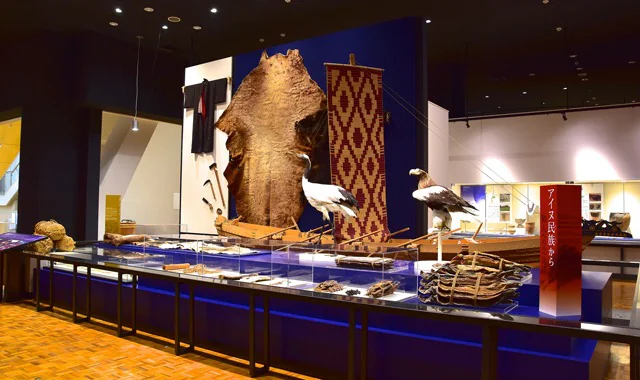
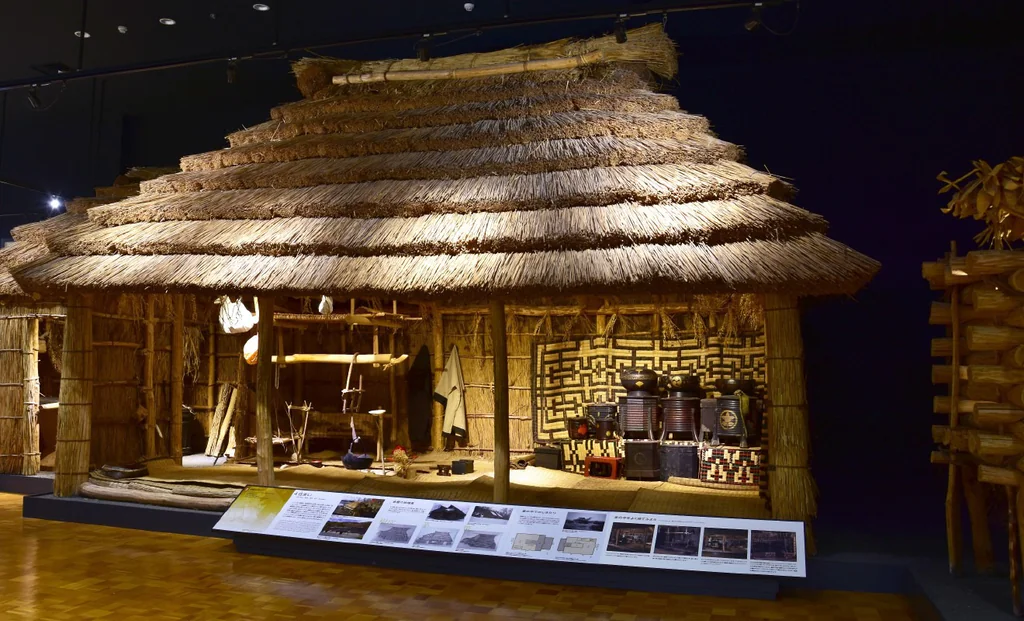
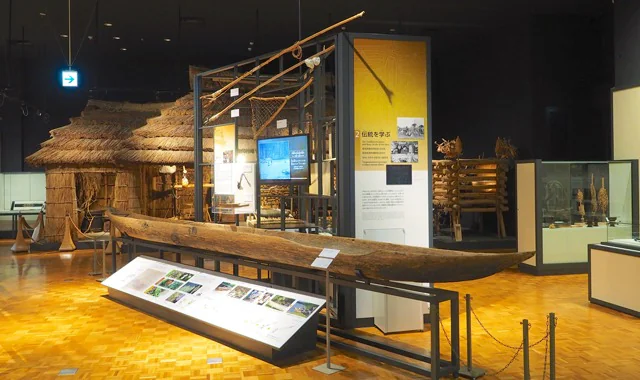
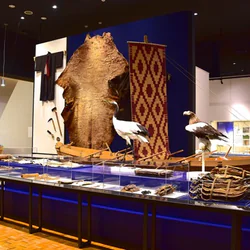
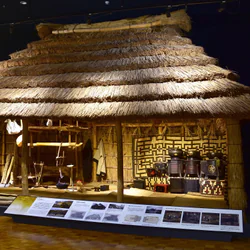
The Ainu are an indigenous people of Japan, living not only in Hokkaido, but also in regions such as Sakhalin (Karafuto) and the Kuril Islands, developing many different cultures. When the Meiji government brought Hokkaido into Japanese territory, settlement and development had a strong impact on the Ainu lifestyle and culture. Faced with these challenges, the Ainu people persevered, preserving their cultural heritage to this day.
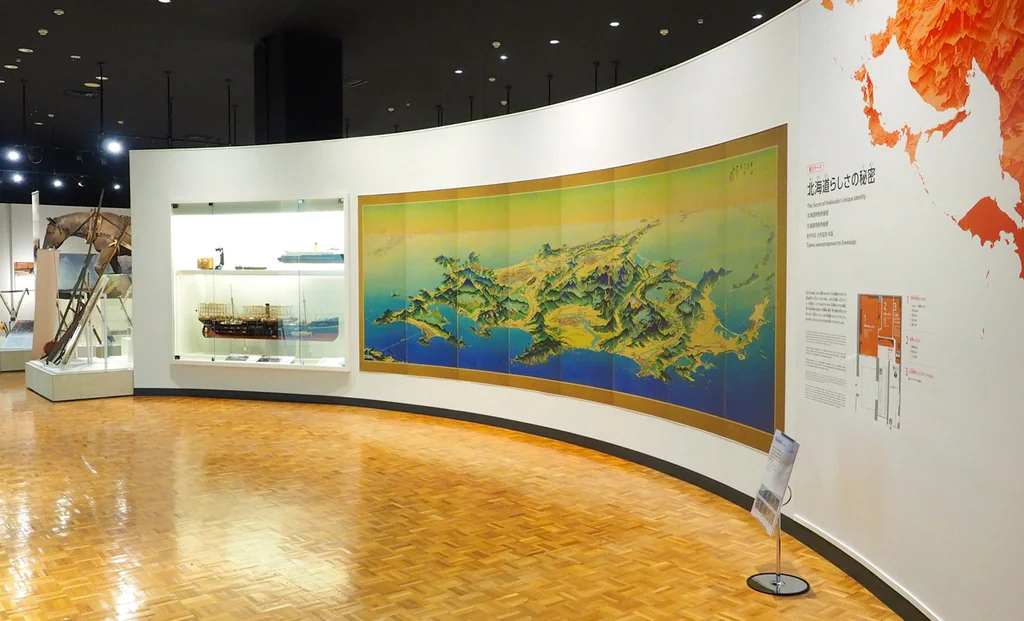
- Theme 3: The secret of Hokkaido's unique identity
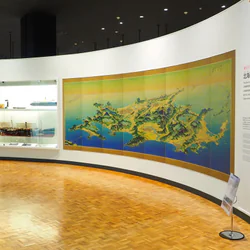
Displays a Panorama Map of Hokkaido drawn by Hatsusaburo Yoshida at the beginning of the Showa era, helping visitors visualize the history of Hokkaido, which has evolved into what it is today after undergoing drastic changes since the early Ming period. Treat.
- Theme 4: Towards our times
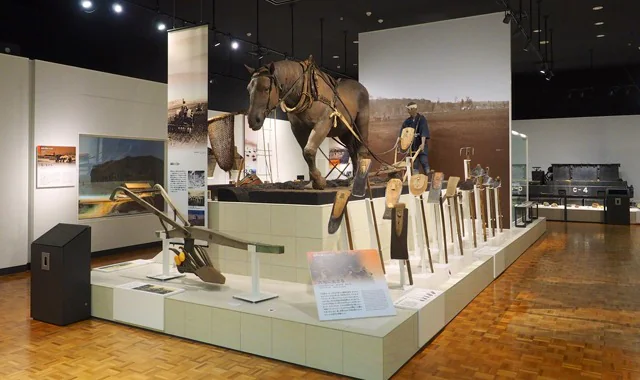
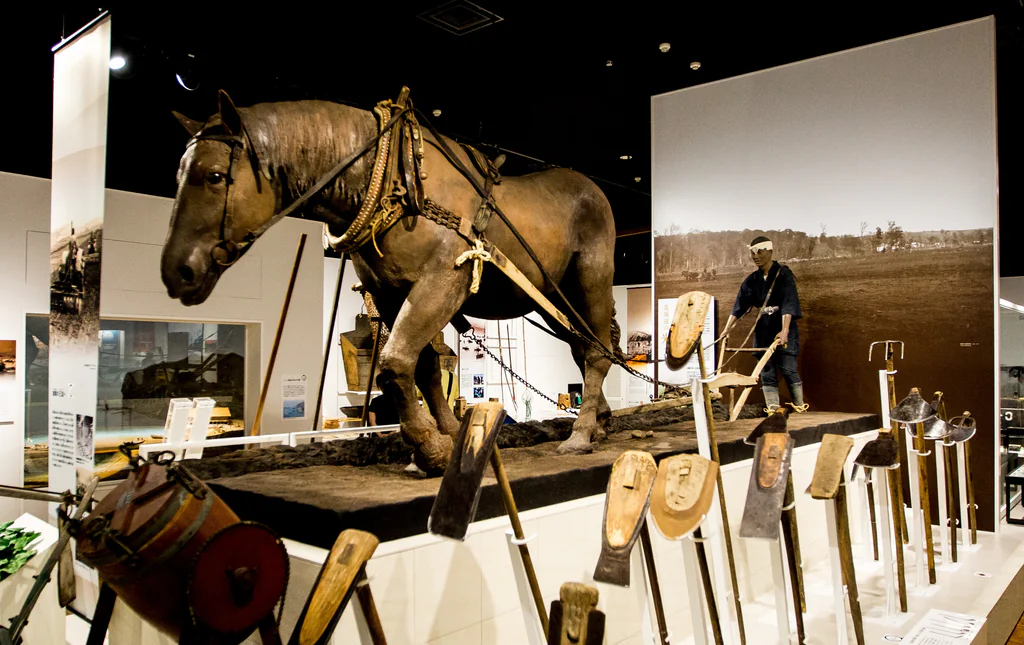
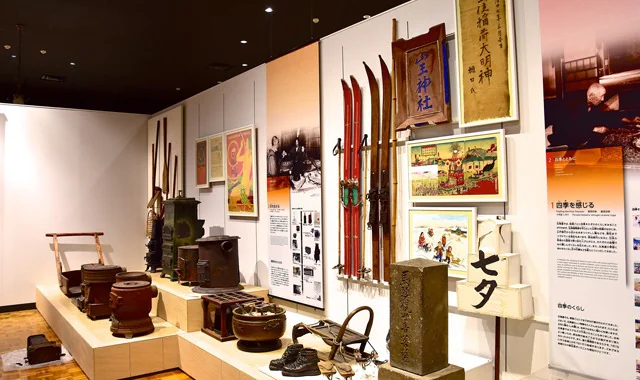
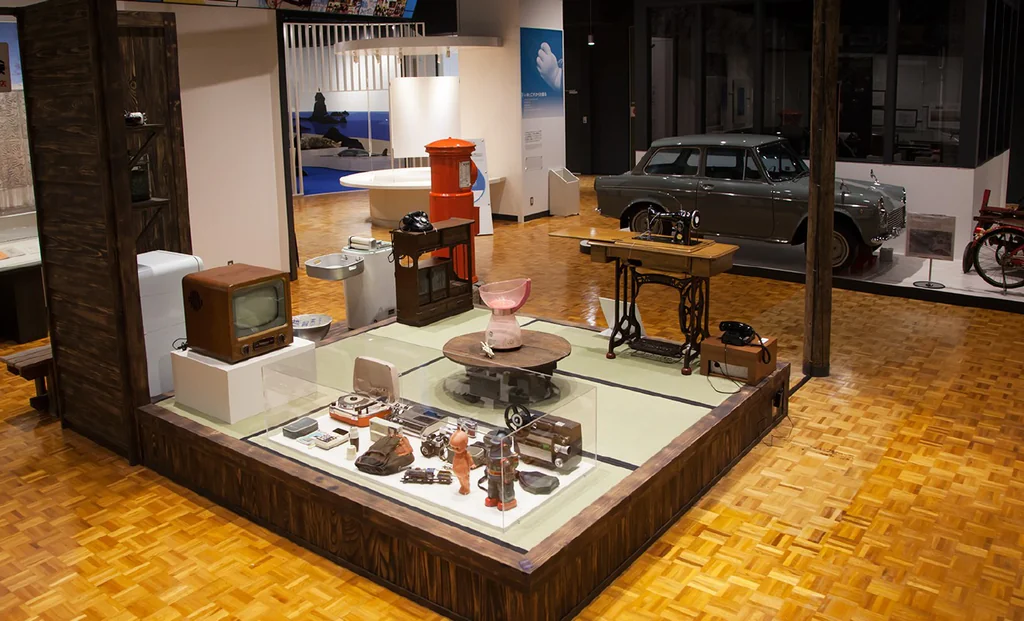
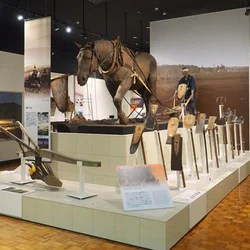
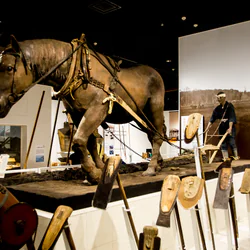
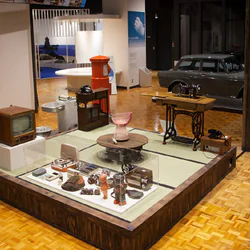
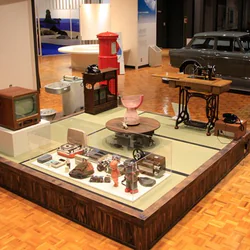
Introduces the development of Hokkaido from the early 20th century to the present day. During this period, Hokkaido experienced major political, economic and lifestyle changes. By looking back at past events in chronological order, visitors will learn about those turbulent days, as well as how the people lived.
- Theme 5: Ecosystem of Hokkaido
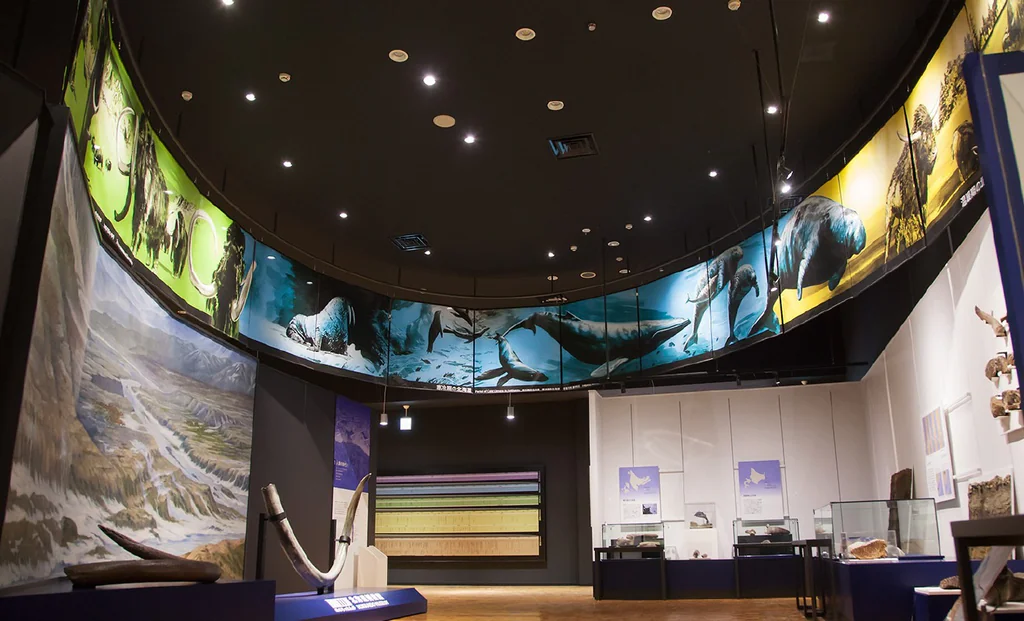
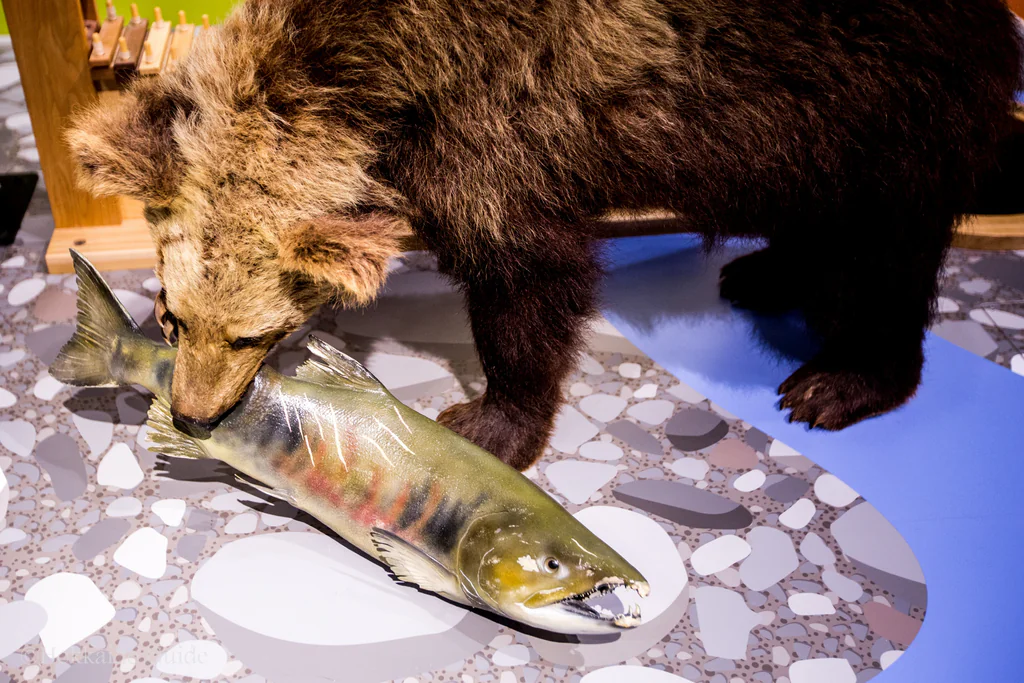
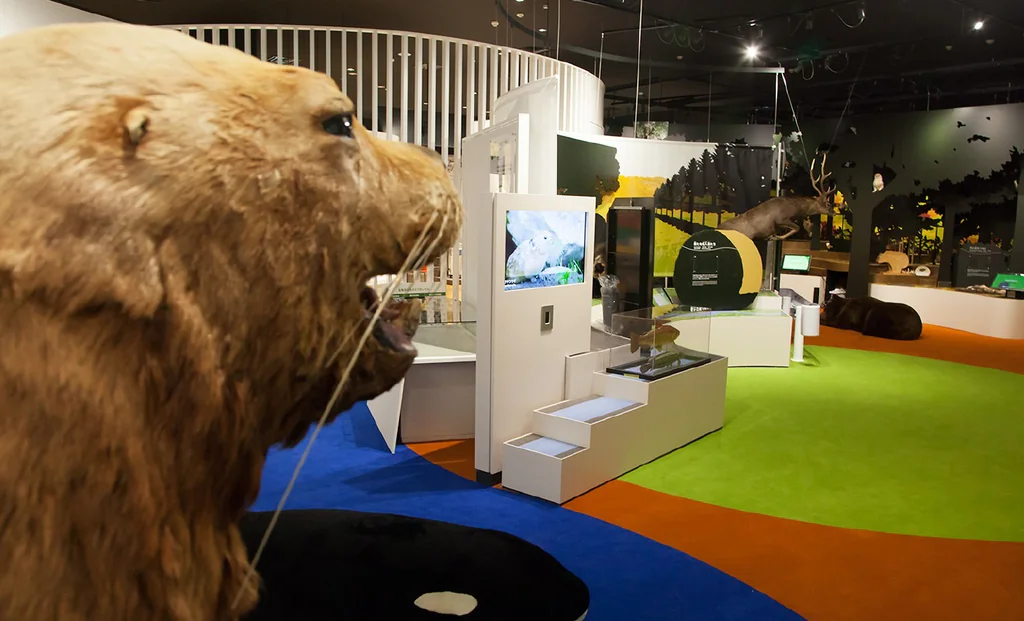
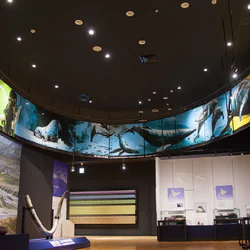
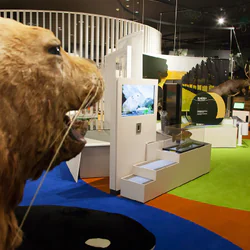
Allows visitors to observe the state of nature in Hokkaido and the connections between its creatures from the perspective of brown bears, Hokkaido star deer, salmon and other wildlife. And from there, explore future relationships between humans and the natural world.
Together with the Hokkaido Historical Village and the Nopporo Forest Park Visitor Center in the vicinity, the area surrounding the museum creates a space for people of all ages to enjoy nature, history, and unique culture. of Hokkaido. Understanding Hokkaido's past and present will provide insights into Hokkaido's future.
Business hours:
- 9:30 - 17:00 (May to September)
- 9:30 - 16:30 (October to April)
Day closed:
- Museum is closed every Monday (If Monday is a public holiday, Tuesday will be closed)
- From December 29 to January 3
Entrance fees:
- Adult: 600
- Student: 300
Website: https://www.hm.pref.hokkaido.lg.jp/en/