


""에 대한 모든 결과 보기

 언제든지
언제든지 
 Tiếng Việt
 English한국어
 日本語
日本語 简体中文
简体中文 Français
 Deutsch
 Español
 Italiano
 Русский


 기업 로그인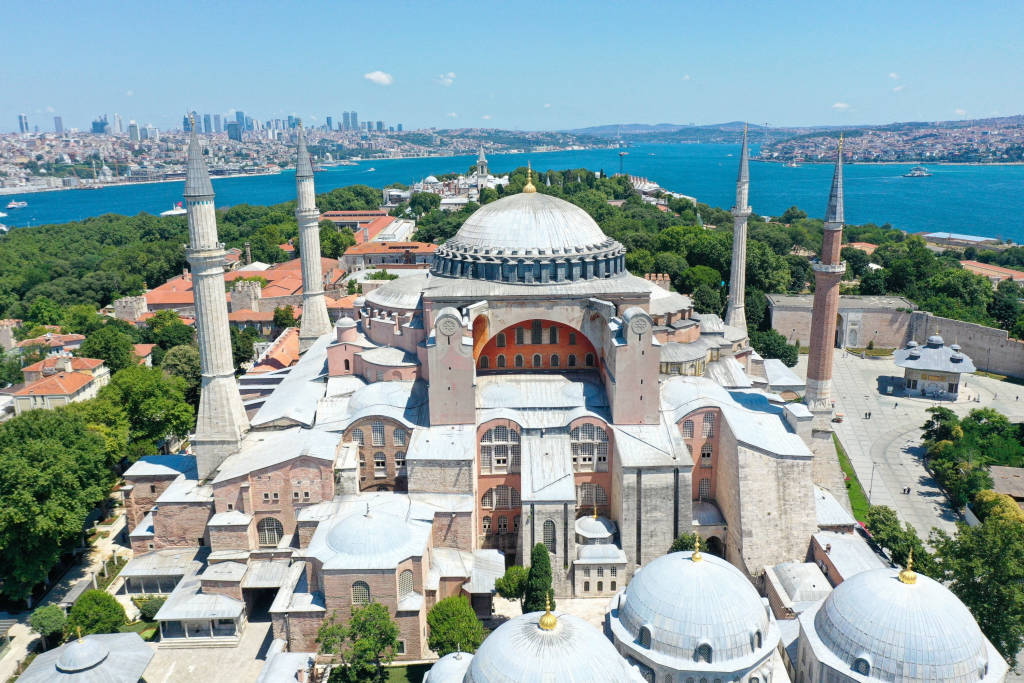
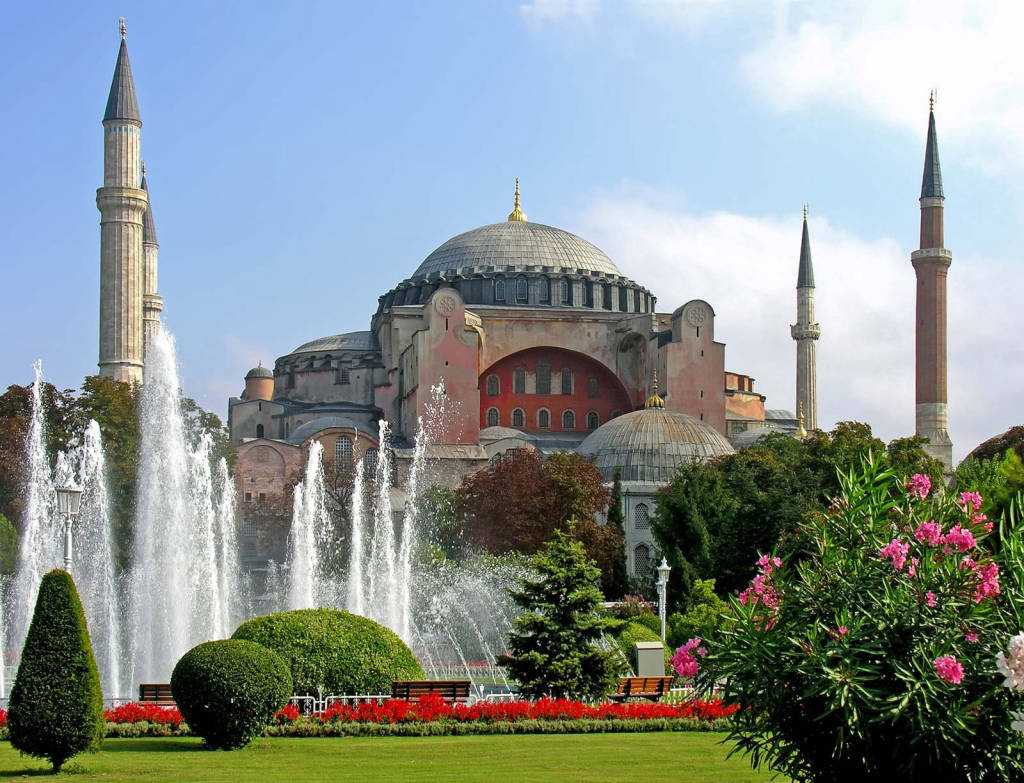
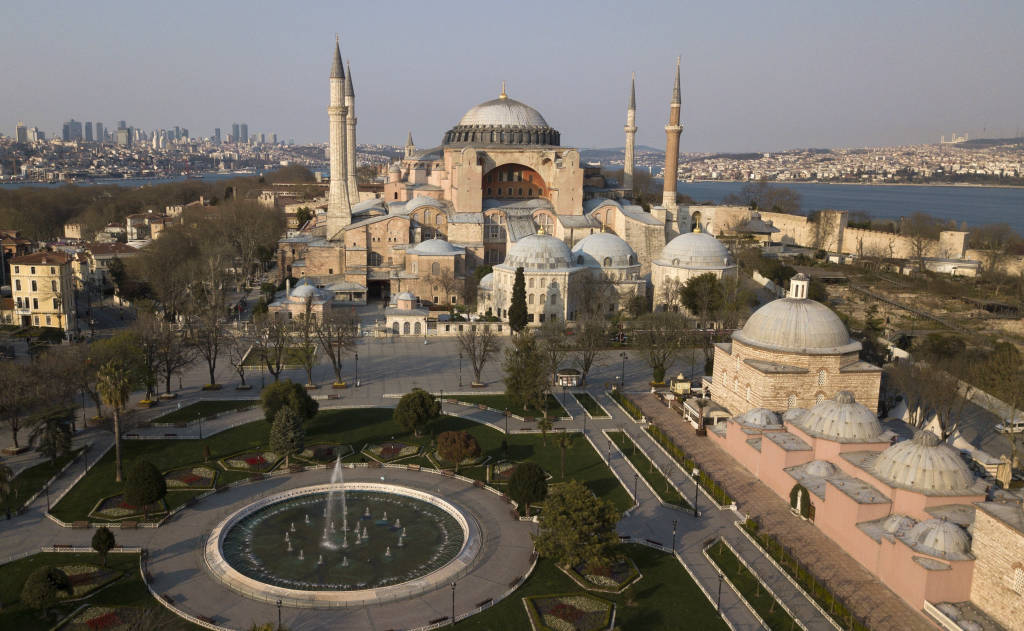
하기아 소피아 박물관
 Sultan Ahmet, Ayasofya Meydanı No:1, 34122 Fatih/İstanbul, Turkey
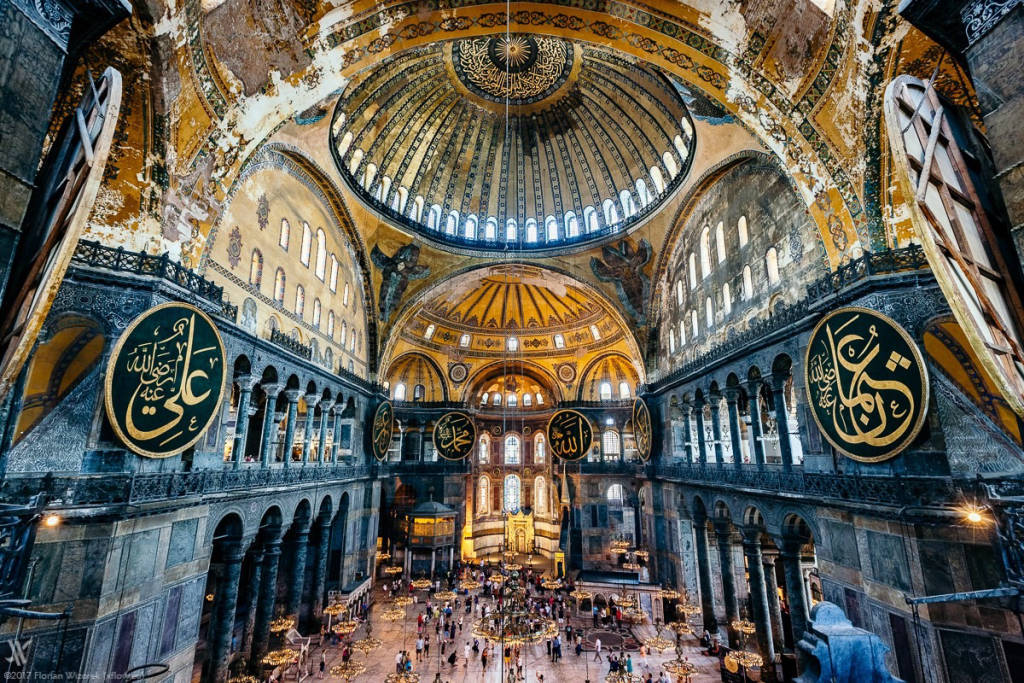
아야 소피아 모스크(또는 박물관)는 이스탄불에서 가장 독특하고 유명한 랜드마크 중 하나입니다. 비잔틴 건축 양식의 살아있는 본보기인 이 모스크는 수천 년 동안 세계에서 가장 큰 규모를 자랑하며 이스탄불 건축의 걸작으로 여겨져 왔습니다.
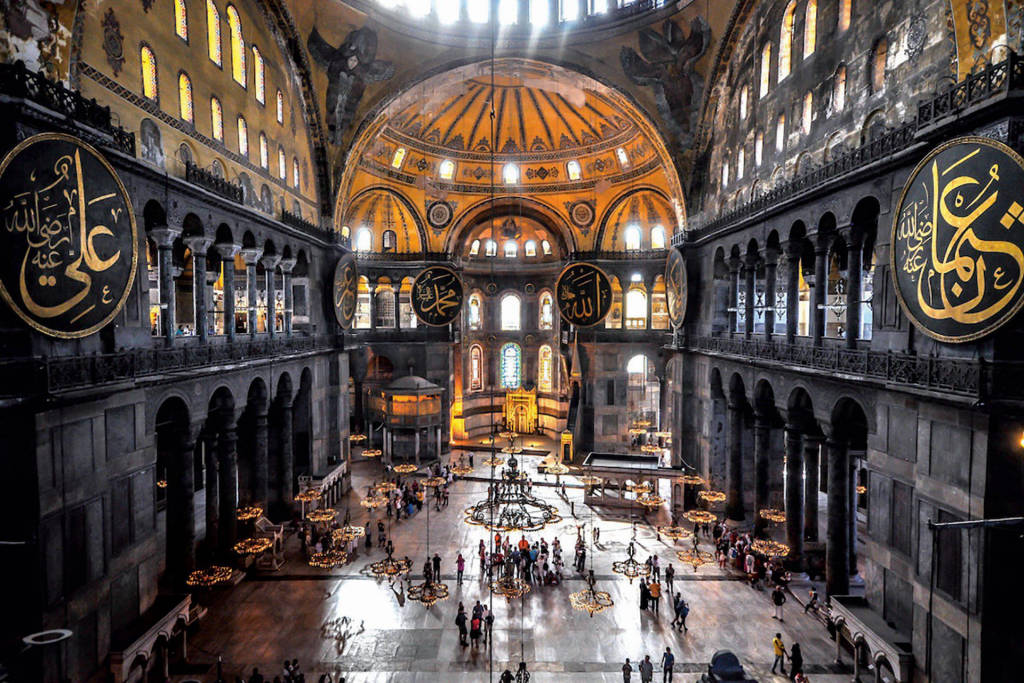
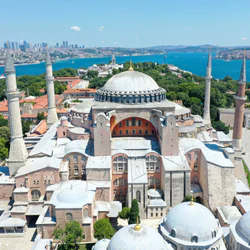
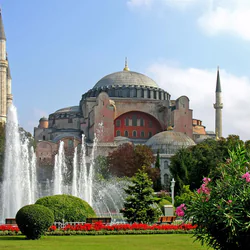
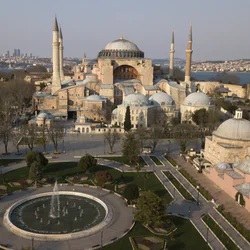
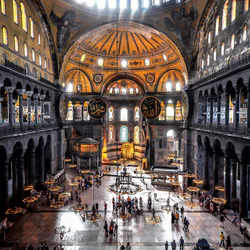
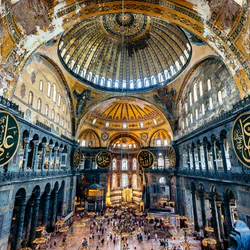
세계 최대 규모의 교회인 하기아 소피아는 이스탄불의 지대한 문화적, 종교적 가치를 증명하는 건축물입니다. 1453년 무슬림 지도자 메흐메드 2세 술탄이 콘스탄티노플(당시 이스탄불)을 정복한 후, 이 교회는 모스크로 바뀌었고, 아타튀르크가 집권하여 터키 공화국을 선포한 후 박물관으로 개조될 때까지 그 상태를 유지했습니다. 1985년 유네스코는 하기아 소피아를 세계문화유산으로 등재했습니다. 이 건축물은 비잔틴 제국의 황제 콘스탄티누스 2세의 명령으로 서기 360년에 건립되었으며, 당시 콘스탄티노플로 알려졌던 이스탄불은 비잔틴 제국의 중심지였습니다. 하기아 소피아라는 이름으로 지어진 이 교회는 몇 년 후 대화재로 심하게 손상되었습니다. 6세기에 재건되어 다시 대중에게 공개되었으며, 서기 405년에는 다섯 개의 제단을 비롯한 여러 부분이 증축되었습니다. 서기 532년, 오늘날의 이스탄불 대부분을 파괴한 니카 전투에서 다시 한번 파괴되었습니다. 고고학자들은 나중에 건물 지하에서 하기아 소피아 유적을 발견했으며, 현재 이 유적은 일반에 공개되어 있습니다. 15세기, 무슬림과 비잔틴 제국 간의 오랜 전쟁 끝에 오스만 제국의 술탄 메흐메드 2세의 지휘 아래 콘스탄티노플은 무슬림의 손에 넘어갔습니다. 콘스탄티노플은 오스만 제국의 중심지가 되었고 이슬라마바드로 이름이 바뀌었습니다. 교회에는 네 개의 탑이 추가되었고, 모스크로 개조되었습니다. 무스타파 케말 아타튀르크의 지도 아래, 이 모스크는 새로운 시대에 맞춰 박물관으로 탈바꿈하며 새로운 모습을 갖추게 되었습니다. 이스탄불의 하기아 소피아는 매우 독특한 건축 양식을 자랑하는 모스크입니다. 이 모스크의 돔은 지상 56미터 높이에 지름 33미터에 달하며, 네 개의 기둥 위에 세워져 있습니다. 모스크에서 가장 중요한 부분 중 하나로 여겨지는 이 돔은 방문객들이 입장하기 전부터 시선을 사로잡습니다. 이 건물이 그토록 높이 솟아 있는 이유는 돔 건축가들이 하늘과 신과의 친밀함과 연결이라는 개념을 표현하고자 했던 경향 때문입니다. 아야 소피아 모스크 건축의 독특한 특징은 돔과 기둥의 아름다운 조화입니다. 거대한 코끼리의 다리를 닮은 네 개의 인상적인 기둥이 중앙 돔을 포함한 모스크의 네 개의 돔을 지탱하고 있습니다. 모스크 돔 기저부에는 40개의 창문이 있어 햇빛이 건물 안으로 쏟아져 들어와 성소를 더욱 밝게 비춥니다. 아야 소피아가 중요한 또 다른 이유는 오스만 제국 시대의 가장 유명한 건축가 중 한 명인 시난이 이 건축물의 총괄 건축가였기 때문입니다. 그는 모스크의 많은 부분을 복원하고 재건하여 이스탄불뿐만 아니라 터키 국민 전체의 자긍심의 상징으로 만들었습니다. 이 모스크를 방문하면 거대한 제단뿐만 아니라 다양한 부분으로 구성된 웅장한 건축물을 감상할 수 있습니다. 제단: 기독교 교회든 모스크든 제단은 가장 중요한 부분입니다. 가장 유명한 제단은 남동쪽에 위치한 황금 제단으로, 헝가리 왕이 선물한 아름다운 촛대로 장식되어 있습니다. 장식 타일: 아야 소피아 모스크의 하이라이트 중 하나는 각기 다른 역사적 이야기를 담고 있는 우아한 타일입니다. 전문 가이드와 함께 박물관을 방문하면 특히 오스만 제국 시대에 만들어진 타일에 얽힌 흥미로운 이야기를 들을 수 있습니다. 돔: 아야 소피아 모스크는 벽돌과 대리석으로 지어진 높이 55.60미터의 유명한 돔을 자랑합니다. 아래에서 돔을 내려다보면 그 웅장함에 압도될 것입니다. 놀랍게도 이 돔은 화재와 지진으로 여러 차례 파괴되었지만 재건되었습니다. 민바르: 민바르는 모스크에서 매우 중요한 부분입니다. 민바르는 모스크 앞쪽에 높이 지어진 건축 단상으로, 설교나 연설이 이루어지는 곳입니다. 민바르는 기도 방향인 키블라를 가리키는 미흐라브 오른쪽에 위치합니다. 민바르는 일반적으로 조각된 나무, 돌 또는 벽돌로 만들어집니다. 민바르는 짧은 계단을 통해 단상으로 이어지며, 단상은 때때로 작은 아치로 덮여 있습니다. 계단 아래쪽에는 문이나 출입구가 있을 수 있습니다. 아야 소피아 성당의 민바르는 오스만 제국 시대에 지어졌습니다. 모스크의 안뜰과 미나레트: 아야 소피아는 매우 흥미로운 야외 공간을 가지고 있습니다. 이곳은 화재 이후 남은 부분으로 많은 관광객의 호기심을 자극합니다. 또한, 모스크에는 각각 약 60미터 높이의 아름답게 장식된 미나레트가 네 개 있습니다. 무덤: 성당 광장 안에는 오스만 제국 시대의 술탄(이슬람 지도자)들의 무덤이 많이 있습니다. 아야 소피아는 탁심 광장과 유명한 이스티클라 광장에서 멀지 않은 곳에 위치해 있습니다. 방문객들은 광장에서 걸어서 터키 최고의 건축 걸작 중 하나인 아야 소피아를 쉽게 감상할 수 있습니다. 입장료: 성인: 1인당 60리라, 12세 미만 어린이: 무료. 운영 시간: 월요일부터 평일. 4월 15일~10월 30일: 오전 9시~오후 7시, 10월 30일~4월 15일: 오전 9시~오후 5시. 아야 소피아 모스크도 방문해 보세요.