


See all results for ""

 Anytime
 Tiếng ViệtEnglish
 日本語
日本語 한국어
한국어 简体中文
简体中文 Français
 Deutsch
 Español
 Italiano
 Русский


 Login for Corporates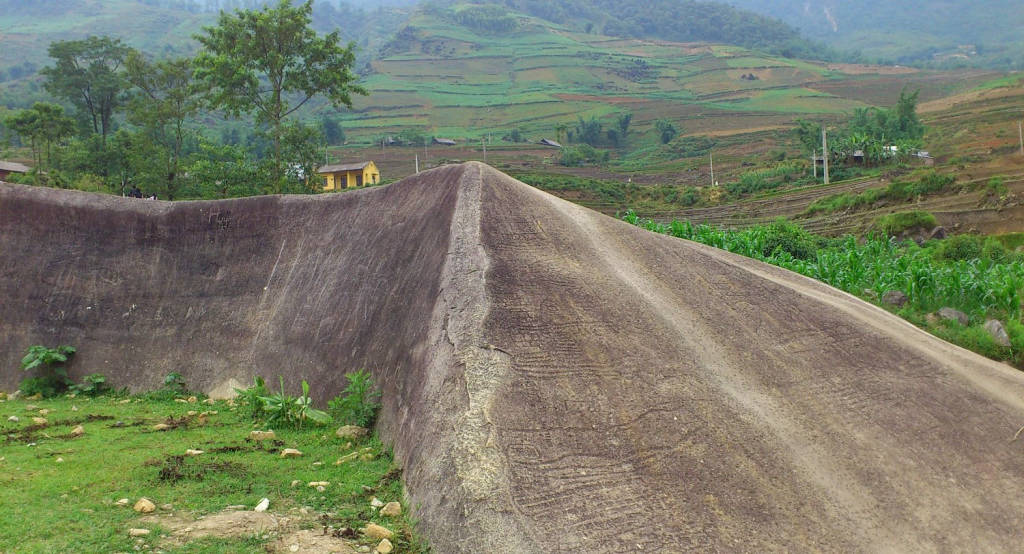
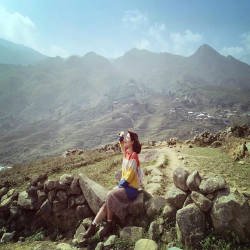

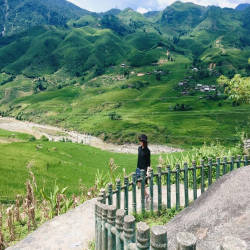
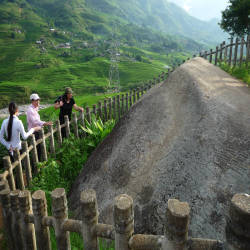
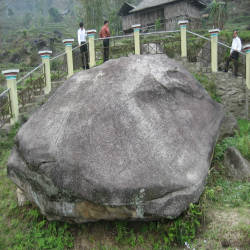
Sapa ancient stone beach
 Hau Thao Commune, Muong Hoa Valley, Sapa, Vietnam
"The mysterious stories about the curse carved on the ancient rocks of Sapa are a strong attraction for tourists when exploring this unspoiled land. Thanks to the unique nature and cultural beauty of the ethnic groups, the rocky beach is a strong attraction for tourists. Ancient is really one of the most interesting tourist attractions in Sapa."
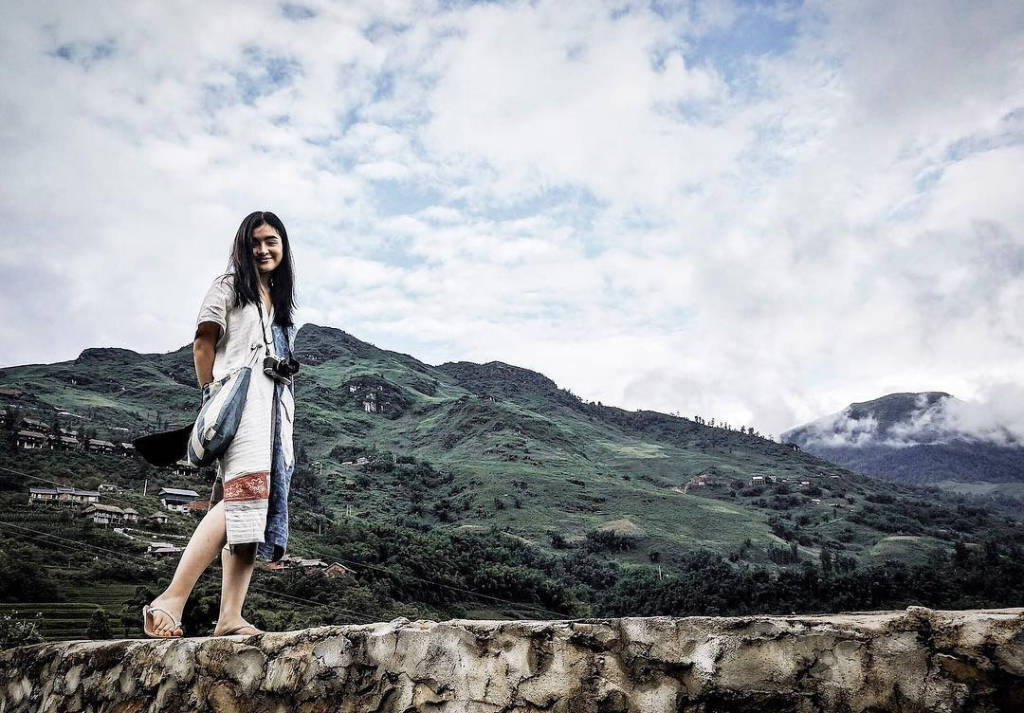
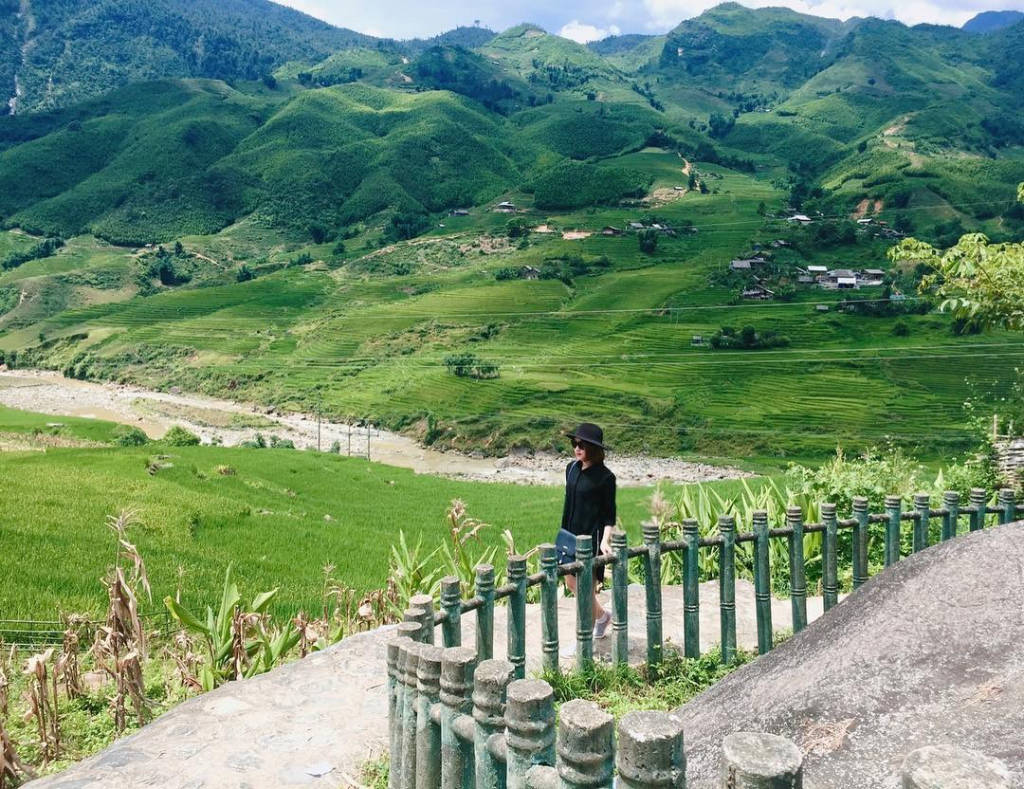
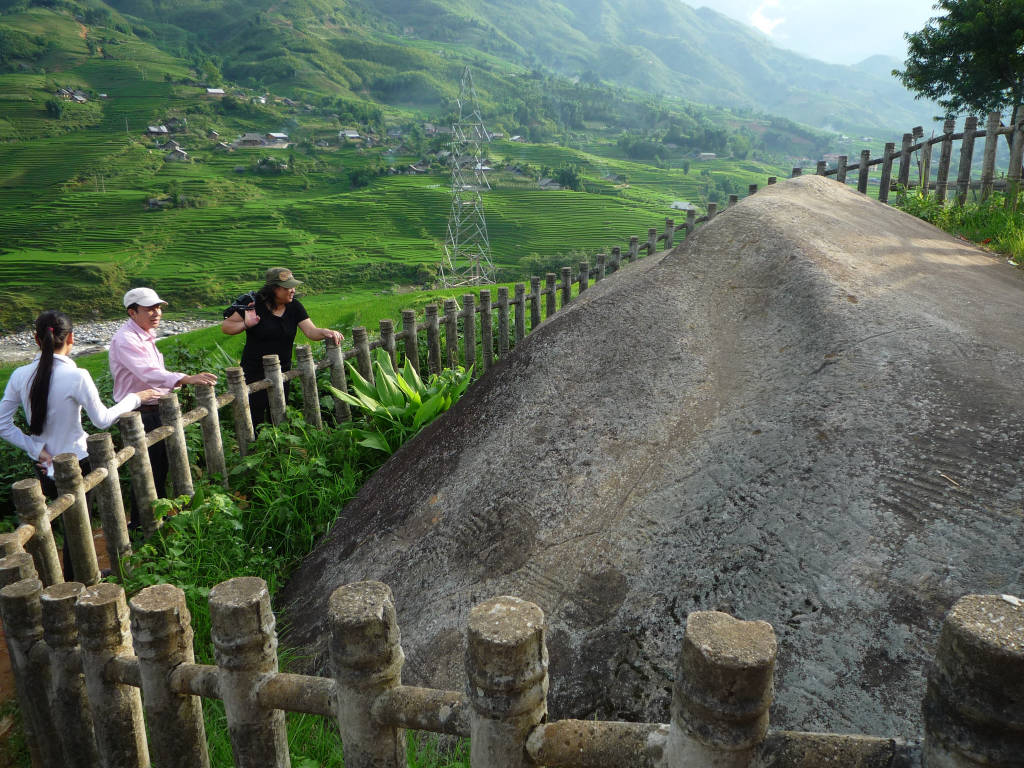
Sapa, Lao Cai is a famous destination for domestic and international tourists because of its mild climate and majestic scenery. At an altitude of 1,650 m above sea level, Sapa has a 4-season climate but cool all year round. It also preserves mysterious ancient cultural features. Alternating between the immense terraced fields of the Dao ethnic group, Hmong is an ancient stone beach with unique carvings. With more than 150 rocks of various shapes scattered in the area, the ancient rock field is a vestige of prehistoric people.
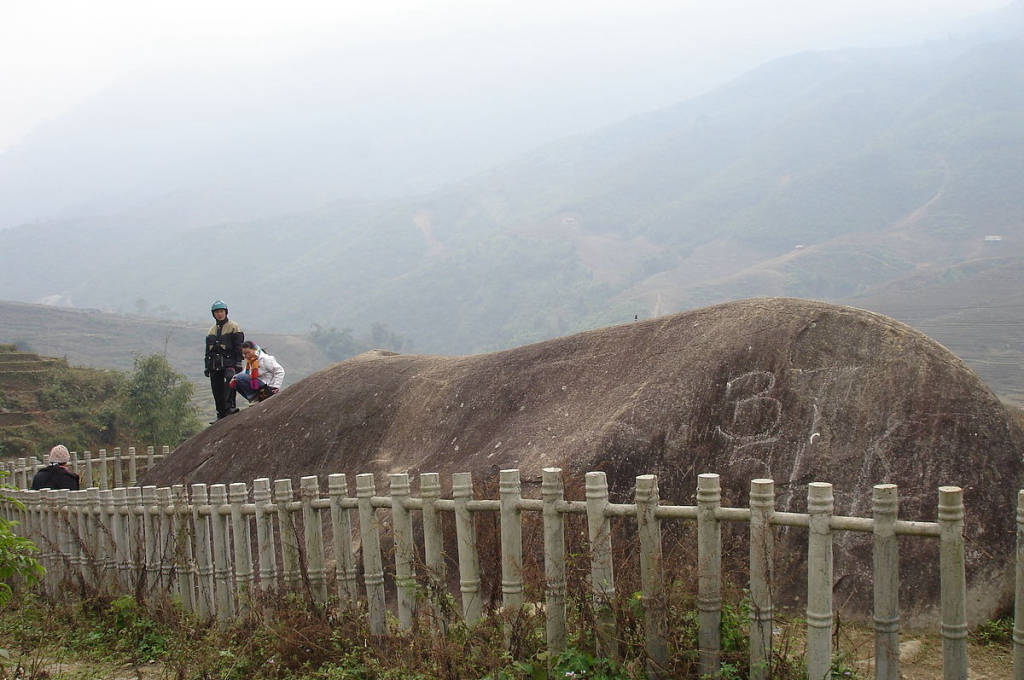
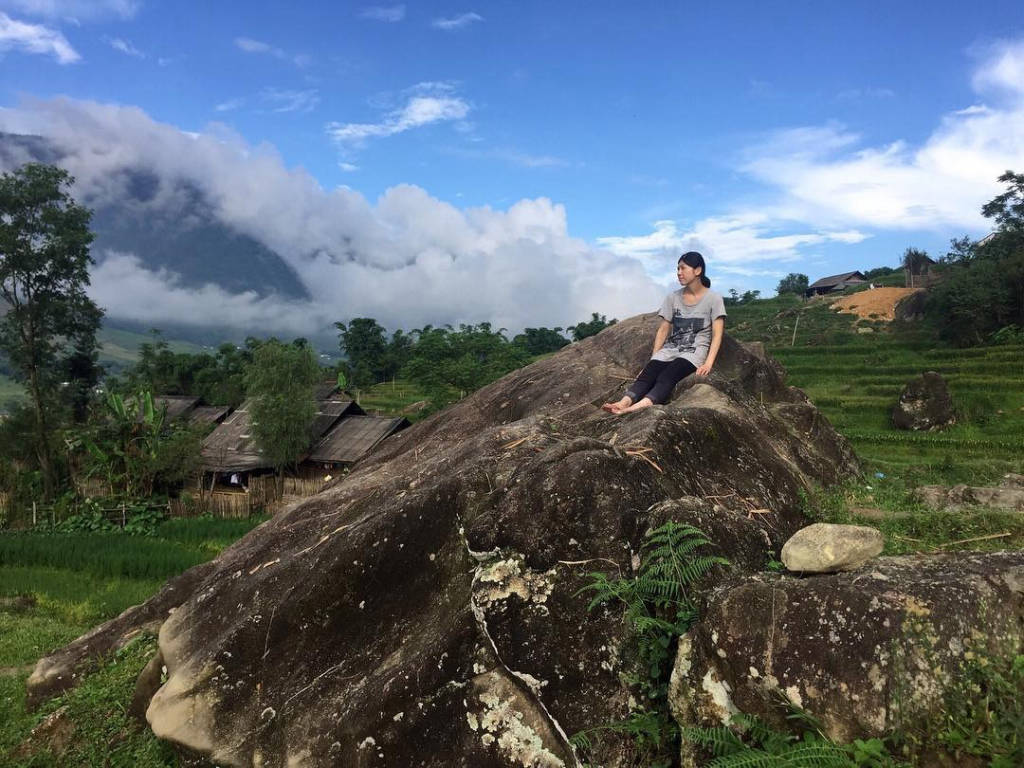
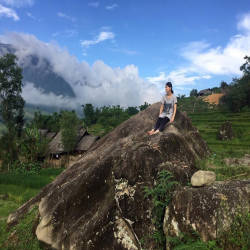
Located in Muong Hoa valley with an area of about 8 km2, Sapa ancient rock beach stretches across Ta Van commune, Hau Thao commune and Su Pan commune. The ancient stone beach consists of 159 multi-shaped rocks scattered among trees, along the road or among rice fields... Listening to stories, legends and witnessing these rocks with their own eyes, visitors one will surely be amazed at the man-made wonders that have existed for centuries without a satisfactory answer. This ancient stone beach is gradually becoming an attractive attraction in Sapa thanks to its special meaning.
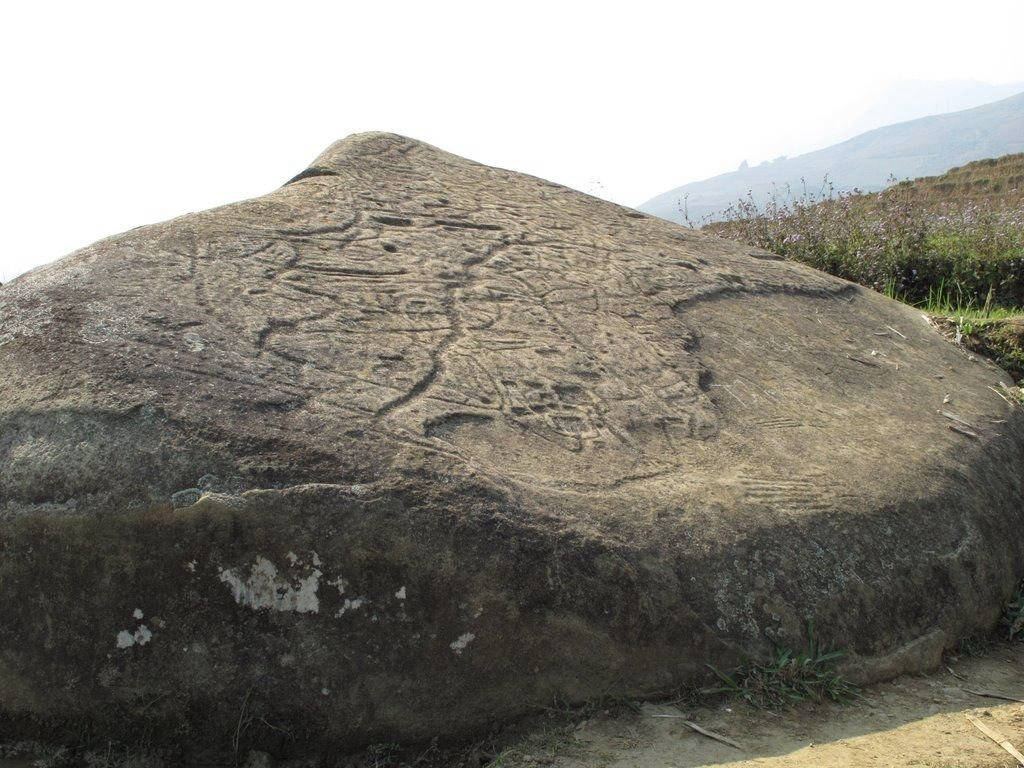
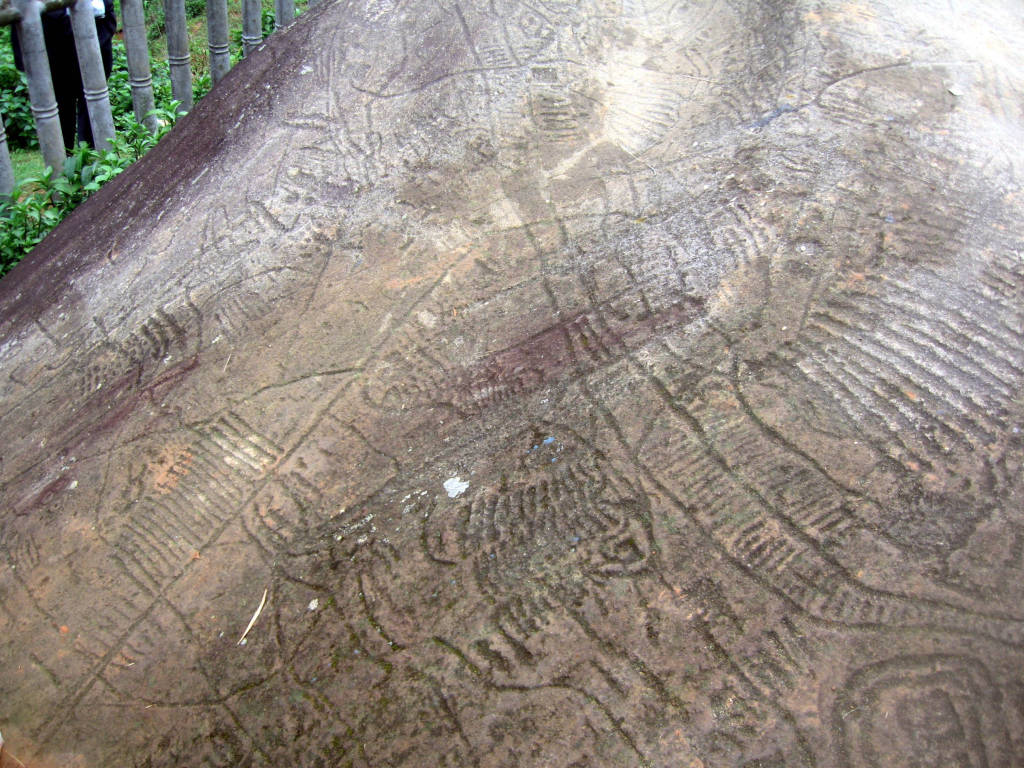
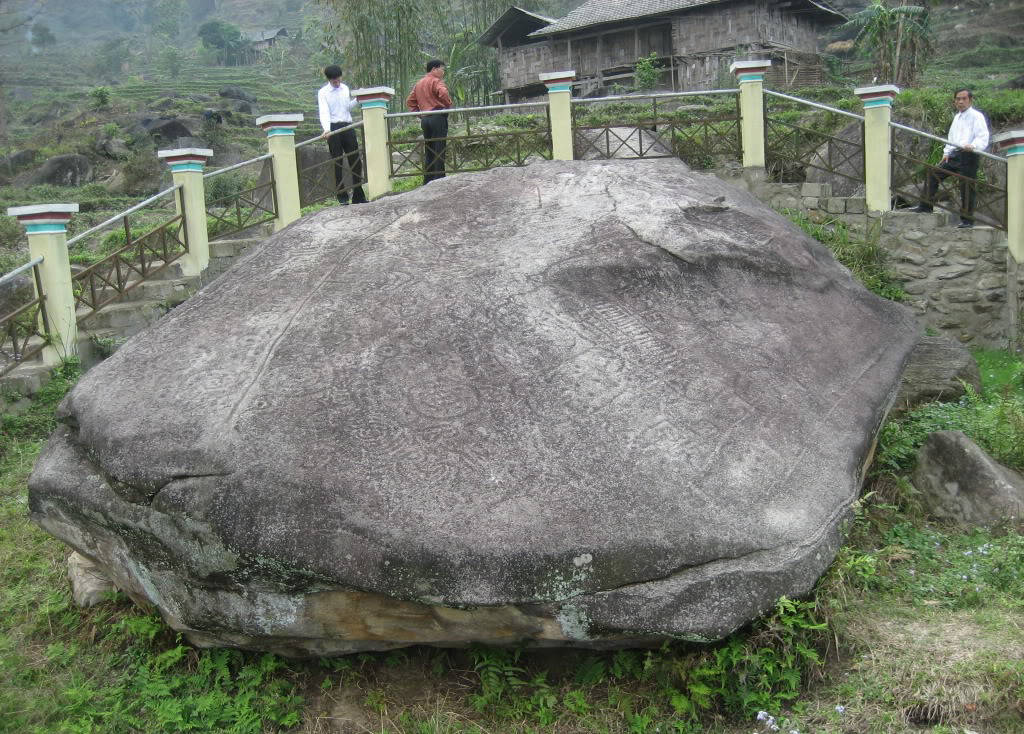
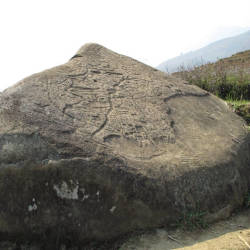
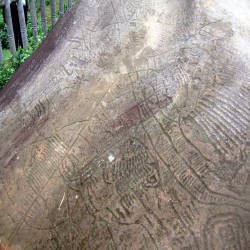
This ancient rock site was discovered in 1925 by a French archaeologist at Hoa Stream. Prominent on the rocks are unique carved decorative motifs of human figures, terraced fields, houses on stilts or even traces of writing. According to some historical ethnographic documents, all the carvings here are brief but quite clear about the primitive period when man was completely dependent on nature. It is believed that each brushstroke keeps a story about the life, activities and culture of the ancients.
For indigenous people, the ancient rock complex of Sapa is the largest book left by their ancestors. These rocks are scattered, but carefully analyzed, it is concentrated into two large beaches. The first beach is located next to Ban Pho, a Hmong village at the end of Hoa stream. The number of rocks here is not too much, but they are the largest ones, up to 12m in length. On these large rocks are carved densely and diversely. The rest of the rock is located at the border between Hau Thao commune and Ta Van commune. This is an area with a larger area with about 100 different large and small stone blocks. In particular, there are some carvings that appear only once.
Although Sapa is not the only area where these rocks have been discovered, it is still something to be proud of for our country. 159 rocks with sharp carvings, early and relatively complete writing are considered 159 oldest steles in Vietnam. That proves that people have appeared in our country for a long time, firmly clinging to nature, conquering nature to survive and develop to this day.. Looking closely at the rocks, visitors can notice popular shapes like square, rectangle, single line, parallel line, cross, human figure, animal, daily life scene...
Foreign tourists, especially French, who have participated in Sapa tourism often spend a lot of time admiring and comparing Sapa's ancient stone beach with carved stone monuments in Sereda Capivara (Brazil), Boyne (Brazil), Boyne (Brazil). Ireland), Matopo (Zimbabwe) or in some areas in the vast sand desert in Africa. For Vietnamese tourists, visiting Sapa ancient rock is to find in-depth knowledge about ancient culture compared to other artifacts that have been discovered across the country. Sapa ancient stone beach is one of the precious natural heritages, not only bringing the pristine beauty of the land but also having a strong attraction to tourists. This place deserves to be one of the bright spots in Sapa tourism.