


Xem tất cả kết quả cho ""

 Ngày bất kỳ
  Tiếng Việt
 English
 한국어
한국어 日本語
日本語 简体中文
简体中文 Français
 Deutsch
 Español
 Italiano
 Русский


 Đăng nhập cho Doanh nghiệp
Địa điểm check-in Cao Bằng cực hot không thể bỏ lỡ
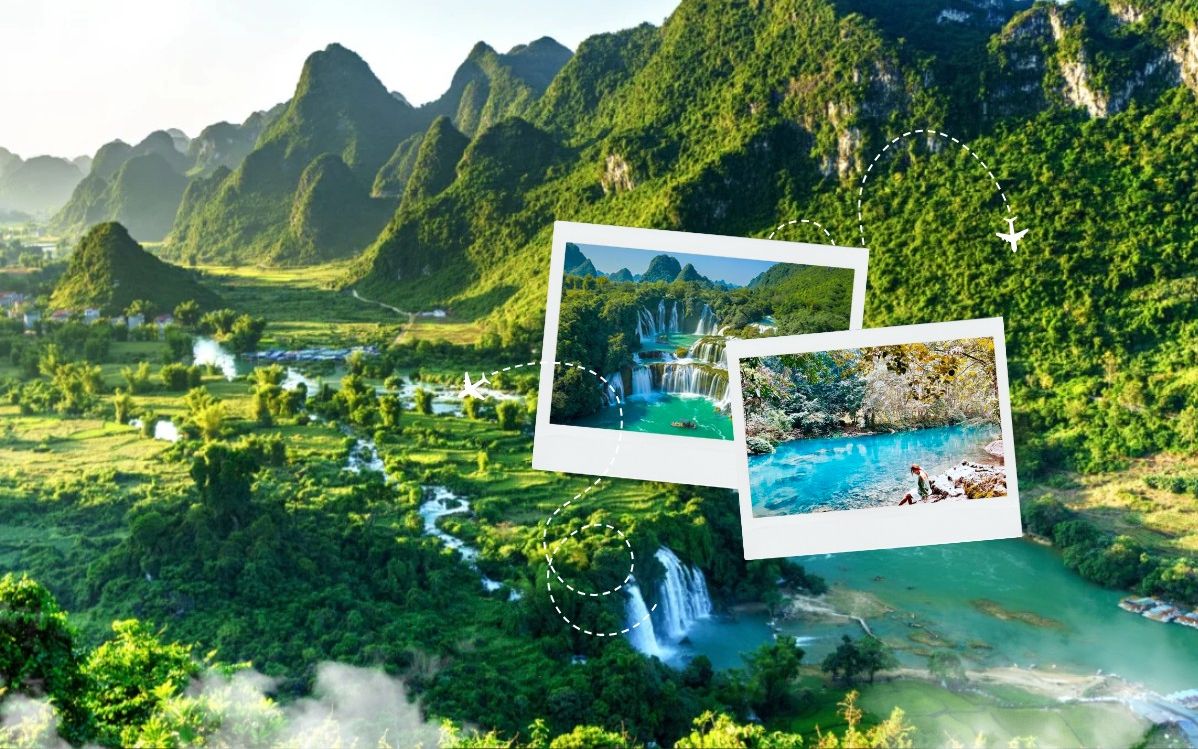
Cao Bằng gây ấn tượng bởi vẻ đẹp nguyên sơ của núi rừng, thác nước, hang động và những cung đường uốn lượn giữa thiên nhiên rộng mở. Mỗi điểm đến không chỉ đẹp để check-in mà còn mang theo chiều sâu lịch sử và văn hóa bản địa. Dưới đây là những địa điểm check-in Cao Bằng nổi bật nhất, giúp bạn vừa chụp được ảnh đẹp vừa cảm nhận trọn vẹn tinh thần của vùng đất Đông Bắc.
1. Cao Bằng – Thiên đường check-in mới của miền Bắc
Cao Bằng là một tỉnh miền núi nằm ở vùng Đông Bắc Việt Nam, sở hữu lợi thế đặc biệt khi vẫn giữ được nét hoang sơ hiếm thấy giữa bối cảnh du lịch ngày càng phát triển. Địa hình đa dạng với núi đá vôi, thác nước, hang động và hồ tự nhiên tạo nên bức tranh phong cảnh vừa hùng vĩ vừa thơ mộng. Không gian rộng mở, ít đông đúc giúp du khách dễ dàng cảm nhận sự tĩnh lặng và chụp được những khung hình trọn vẹn, không bị xáo trộn bởi yếu tố thương mại hóa.
Bên cạnh thiên nhiên, Cao Bằng còn mang giá trị văn hoá và lịch sử sâu sắc. Các di tích gắn liền với hành trình cách mạng, cùng đời sống sinh hoạt mộc mạc của đồng bào vùng cao, khiến mỗi chuyến đi không chỉ dừng lại ở việc chụp ảnh mà còn là trải nghiệm tìm hiểu và kết nối với vùng đất. Chính sự giao thoa giữa cảnh sắc và chiều sâu văn hóa đã đưa Cao Bằng trở thành thiên đường check-in mới của miền Bắc.
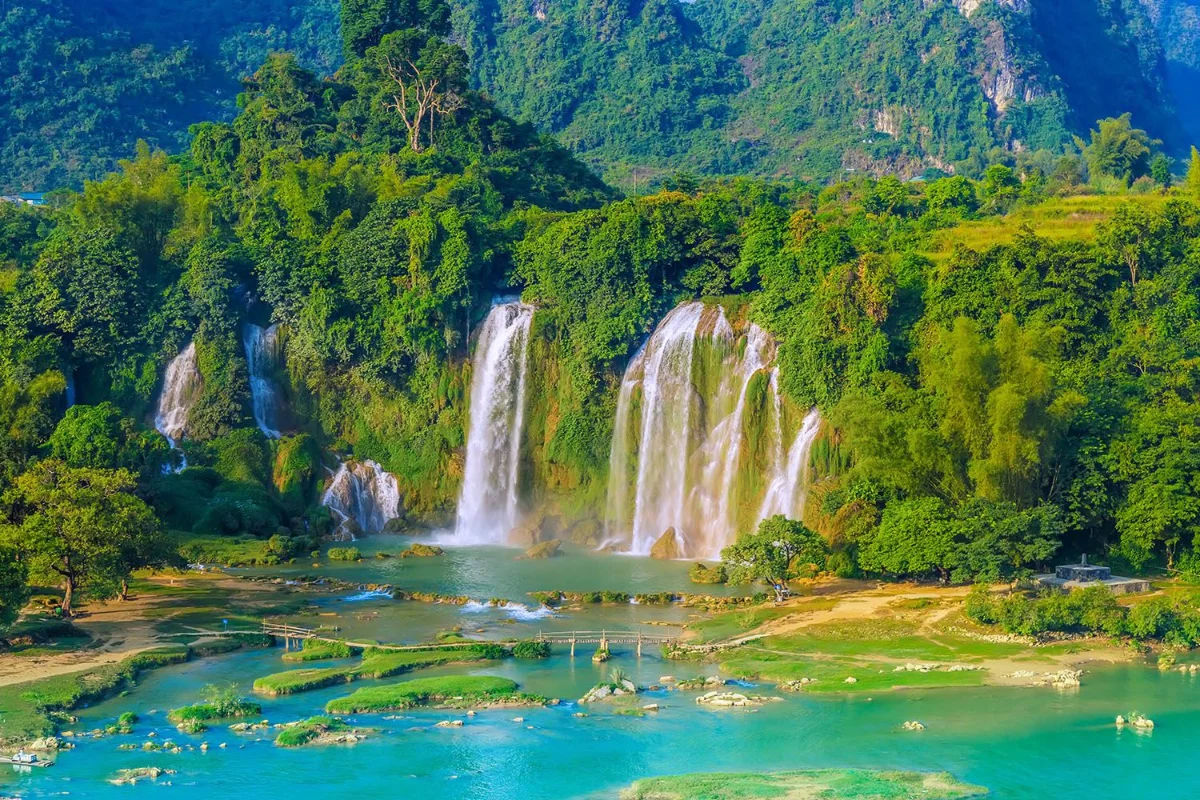
Vẻ đẹp thiên nhiên hùng vĩ của Cao Bằng
2. Top địa điểm du lịch Cao Bằng nhất định phải ghé thăm
2.1. Thác Bản Giốc – Tuyệt tác thiên nhiên hùng vĩ bậc nhất Đông Bắc
Thác Bản Giốc nằm trên dòng sông Quây Sơn, ngay khu vực biên giới Việt – Trung, và được xem là một trong những thác nước tự nhiên lớn và đẹp nhất Đông Nam Á. Điều làm nên sức hút đặc biệt của thác không chỉ nằm ở quy mô mà còn ở cấu trúc nhiều tầng, dòng nước đổ rộng, mềm mại nhưng vẫn mạnh mẽ, tạo nên khung cảnh rất cân bằng giữa sự hùng vĩ và thơ mộng.
Thời điểm lý tưởng để check-in Thác Bản Giốc là vào buổi sáng, khi ánh nắng còn dịu và sương sớm chưa tan hết, giúp khung cảnh trở nên mềm mại và trong trẻo hơn. Buổi sáng cũng là lúc lượng khách chưa quá đông, dễ chụp được những khung hình rộng, ít người và kiểm soát bố cục tốt hơn. Đến gần trưa, ánh sáng gắt hơn và khu vực thác thường đông khách du lịch, không phù hợp nếu ưu tiên chụp ảnh.
Địa chỉ: xã Đàm Thủy, huyện Trùng Khánh, tỉnh Cao Bằng.
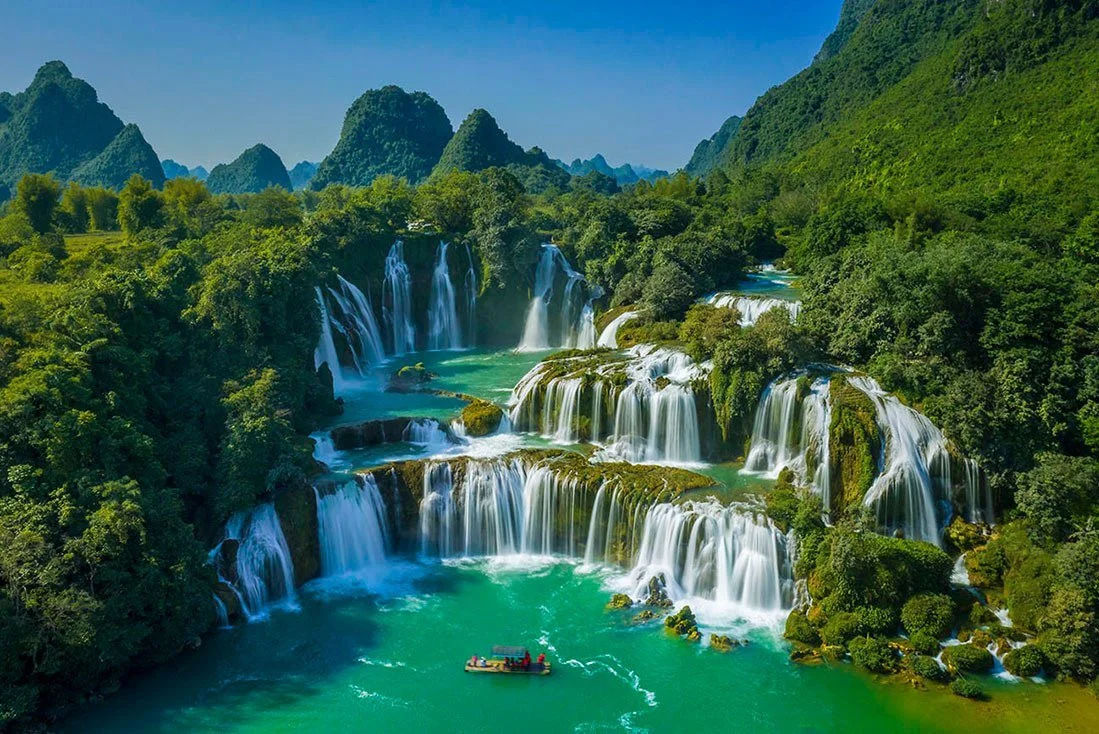
Vẻ đẹp Thác Bản Giốc thay đổi theo mùa
2.2. Khu di tích Pác Bó – Suối Lê Nin và núi Các Mác
Di tích Pác Bó là địa danh mang ý nghĩa lịch sử đặc biệt, gắn liền với giai đoạn đầu Chủ tịch Hồ Chí Minh trở về nước hoạt động cách mạng. Không gian nơi đây mang vẻ đẹp rất riêng, kết hợp giữa giá trị lịch sử và cảnh quan thiên nhiên trong lành, tạo cảm giác trầm lắng và trang nghiêm. Suối Lê Nin nổi bật với làn nước xanh trong, chảy nhẹ giữa rừng cây và núi đá, trong khi Núi Các Mác tạo nên phông nền vững chãi và yên bình phía sau.
Pác Bó phù hợp nhất để tham quan và chụp ảnh vào buổi sáng hoặc đầu giờ chiều, khi không khí còn mát và ánh sáng dịu. Buổi sáng mang lại cảm giác tĩnh lặng, dễ cảm nhận được không gian lịch sử và thiên nhiên hòa quyện, trong khi đầu giờ chiều ánh sáng chiếu xiên giúp màu nước và cảnh rừng trở nên rõ nét hơn. Đây là điểm đến phù hợp để đi chậm, quan sát và cảm nhận, thay vì di chuyển vội vàng như ở những điểm check-in đông đúc khác.
Địa chỉ: xã Trường Hà, huyện Hà Quảng, tỉnh Cao Bằng
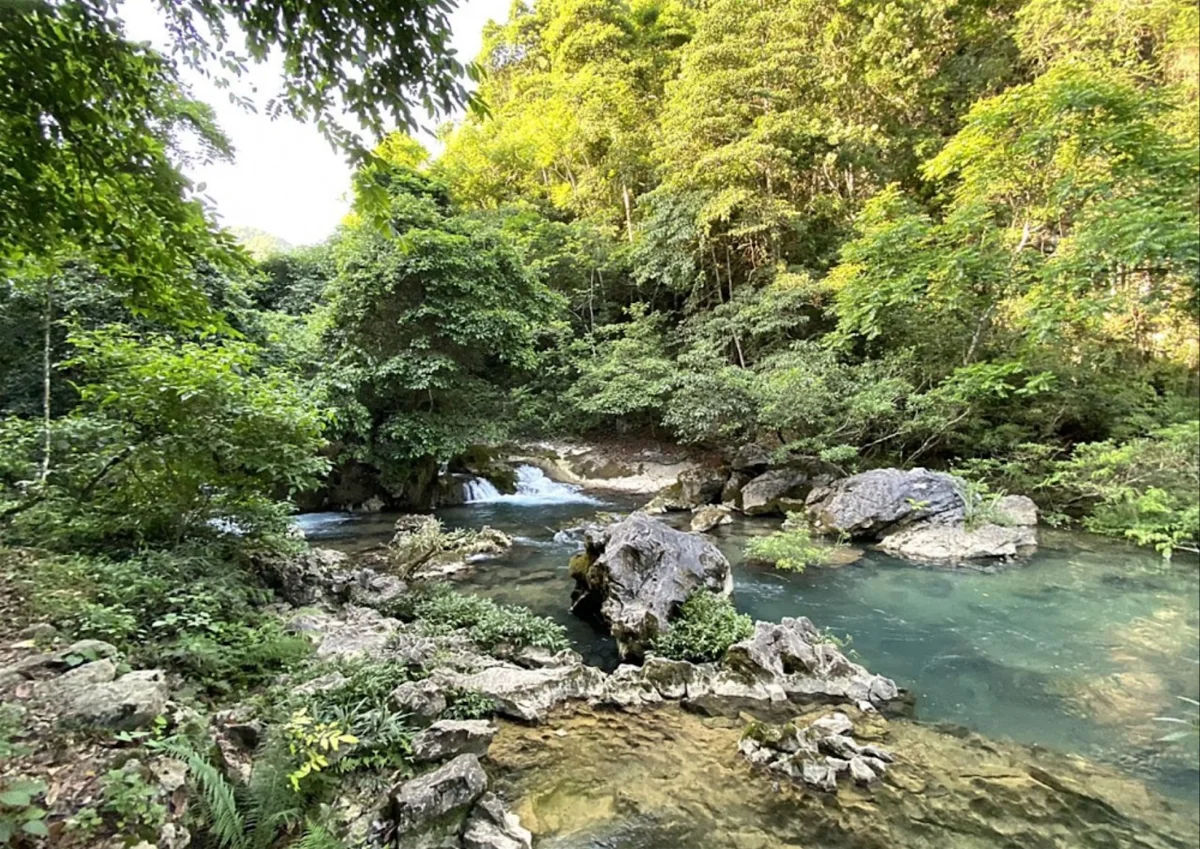
Pác Bó với phong cảnh hữu tình nên thơ
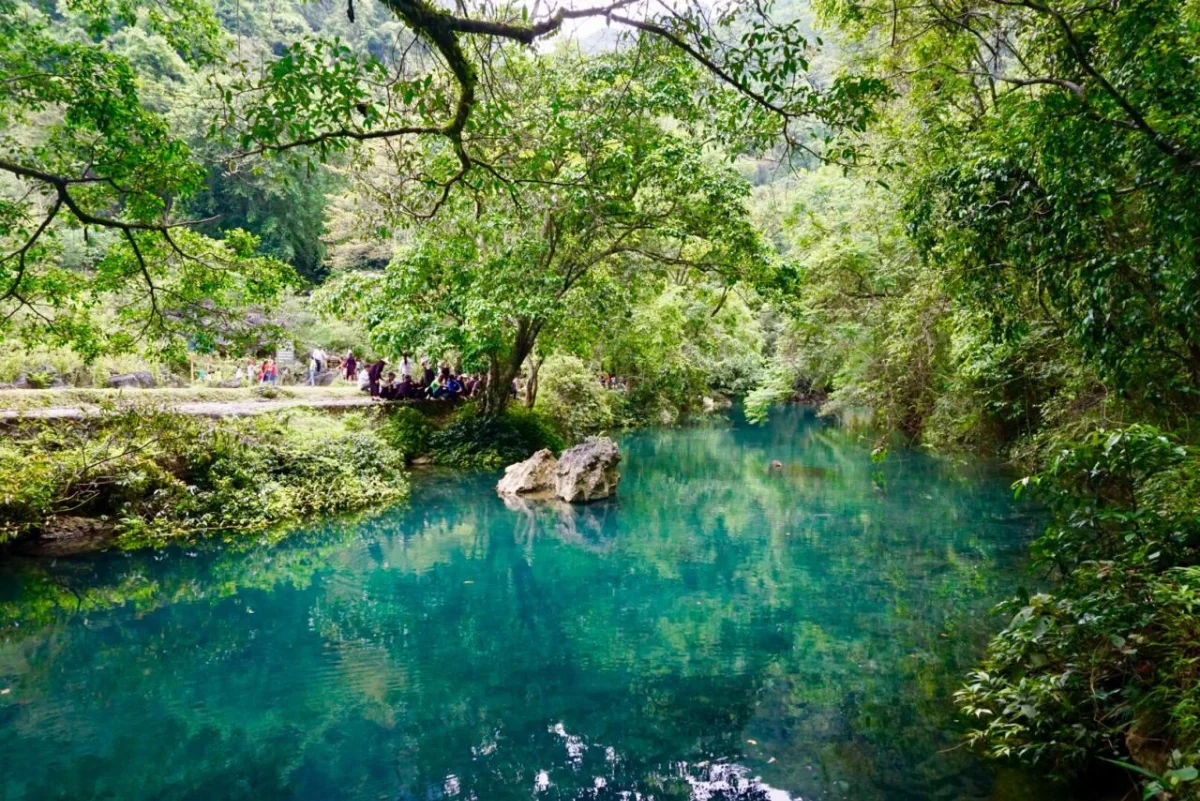
Suối Lê Nin trong veo mang màu xanh ngọc bích
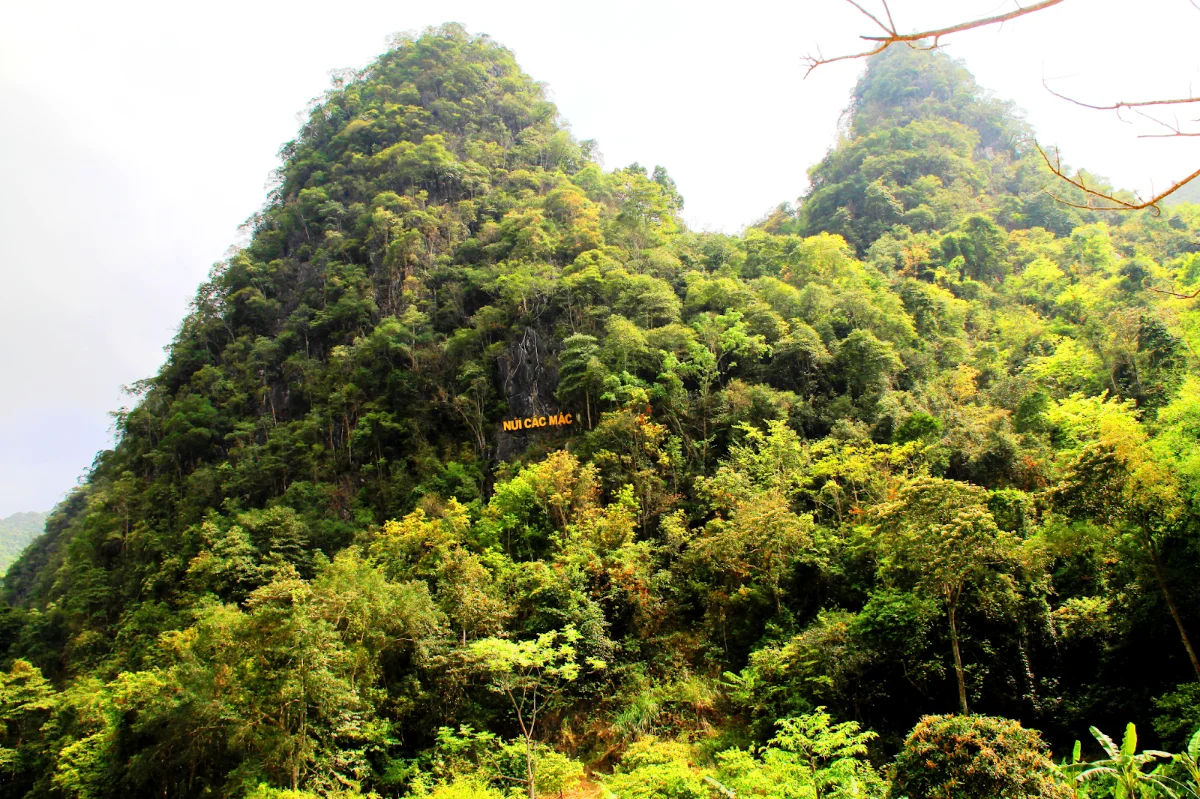
Cánh đẹp vùng Đông Bắc của núi Các Mác
2.3. Động Ngườm Ngao – Vẻ đẹp kỳ ảo của thạch nhũ
Động Ngườm Ngao là một trong những hang động đẹp và quy mô lớn nhất của Cao Bằng, nổi bật với hệ thống thạch nhũ phong phú, hình khối đa dạng và màu sắc tự nhiên rất ấn tượng. Không gian bên trong động mát mẻ quanh năm, lối đi được đầu tư tương đối thuận tiện, phù hợp cho cả du khách đi tự túc lẫn gia đình có người lớn tuổi. Càng đi sâu vào trong, cảnh quan càng thay đổi rõ rệt, tạo cảm giác khám phá liên tục thay vì chỉ dừng lại ở một vài điểm chụp ảnh cố định.
Thời điểm phù hợp để tham quan và chụp ảnh trong Động Ngườm Ngao là vào buổi sáng hoặc đầu giờ chiều, khi lượng khách chưa quá đông và không gian bên trong còn thoáng. Ánh sáng đèn trong động vào khung giờ này giúp thạch nhũ hiện rõ chi tiết và màu sắc tự nhiên hơn. Du khách nên mang giày dễ di chuyển và chú ý nền hang hơi ẩm ở một số đoạn để hành trình tham quan được trọn vẹn và an toàn hơn.
Địa chỉ: xã Đàm Thủy, huyện Trùng Khánh, tỉnh Cao Bằng.
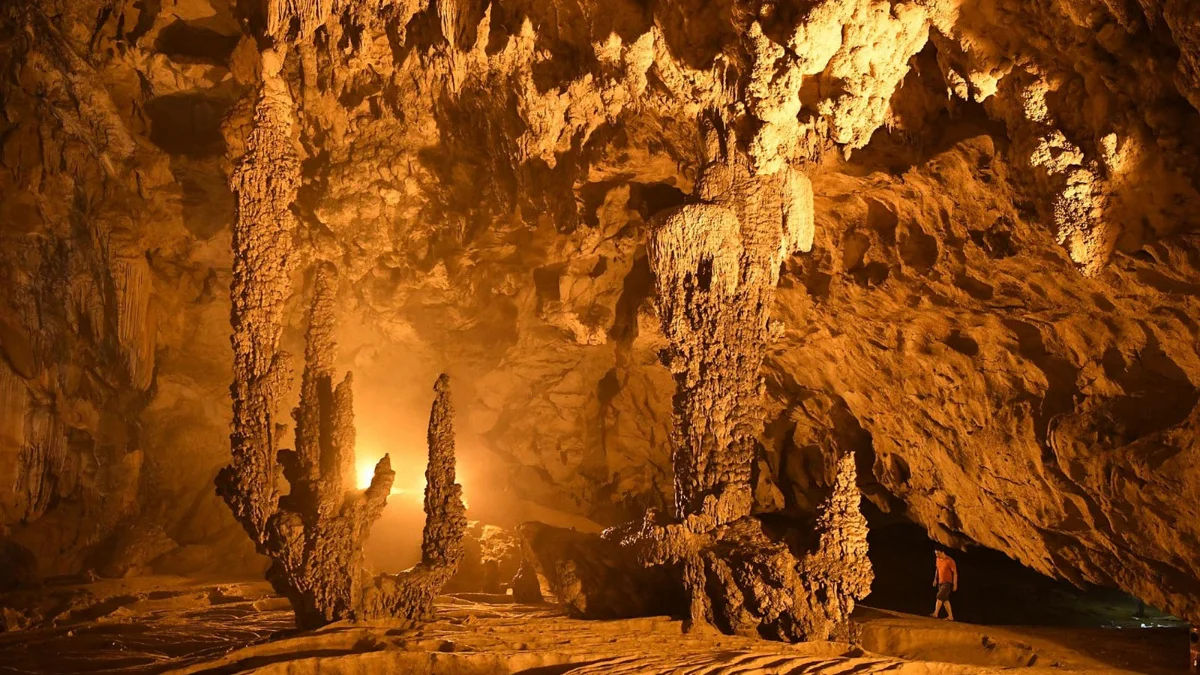
Khám phá vẻ đẹp huyền ảo của động Ngườm Ngao
2.4. Hồ Thang Hen – Không gian xanh yên bình giữa núi rừng
Hồ Thang Hen là cụm hồ nước ngọt nằm giữa thung lũng núi đá vôi, nổi bật với màu nước xanh trong và mặt hồ phẳng lặng. Cảnh quan nơi đây mang vẻ đẹp nhẹ nhàng, tĩnh tại, rất phù hợp với những du khách muốn tìm cảm giác thư giãn, tránh xa sự ồn ào.
Thời điểm check-in lý tưởng nhất tại hồ Thang Hen là buổi sáng sớm, khi ánh nắng còn dịu và mặt nước trong nhất. Lúc này, sương mỏng thường còn vương trên mặt hồ, giúp khung hình mềm và có chiều sâu hơn. Buổi trưa nắng gắt sẽ làm màu nước nhạt đi, còn buổi chiều dễ bị ngược sáng nếu không quen xử lý bố cục.
Địa chỉ: xã Quốc Toản, huyện Trà Lĩnh, tỉnh Cao Bằng
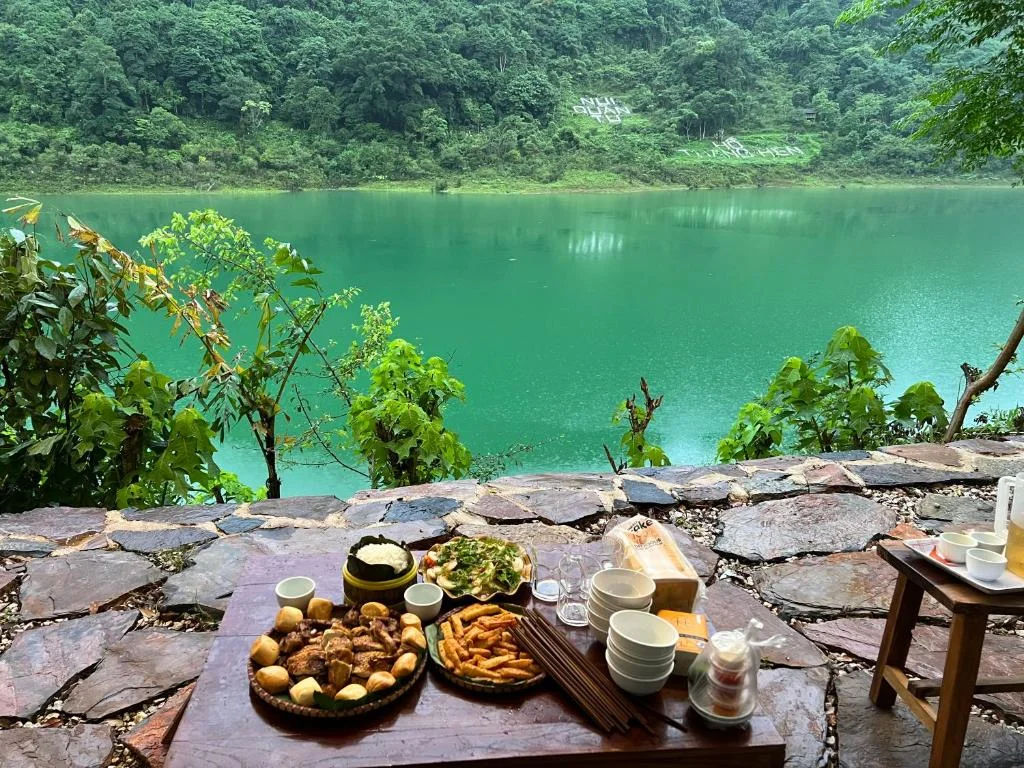
Sắc nước xanh như ngọc của hồ Thang Hen
2.5. Núi Mắt Thần – Biểu tượng check-in độc bản của Cao Bằng
Núi Mắt Thần, còn gọi là Núi Thủng, gây ấn tượng mạnh bởi lỗ thủng tự nhiên lớn nằm giữa thân núi, tạo nên hình ảnh hiếm thấy ở Việt Nam. Bao quanh là thung lũng cỏ và hồ nước theo mùa, khiến khung cảnh trở nên rất đặc biệt, nhất là khi nhìn từ xa.
Khoảng thời gian đẹp nhất để check-in tại Núi Mắt Thần là cuối buổi chiều, khi ánh nắng thấp dần và chiếu xiên qua thung lũng. Ánh sáng lúc này làm nổi bật hình dáng lỗ thủng của núi và tạo bóng đổ đẹp trên nền cỏ. Buổi sáng sớm cũng có thể chụp, nhưng ánh sáng thường phẳng và ít tạo được hiệu ứng thị giác mạnh.
Địa chỉ: xã Quốc Toản, huyện Trà Lĩnh, tỉnh Cao Bằng
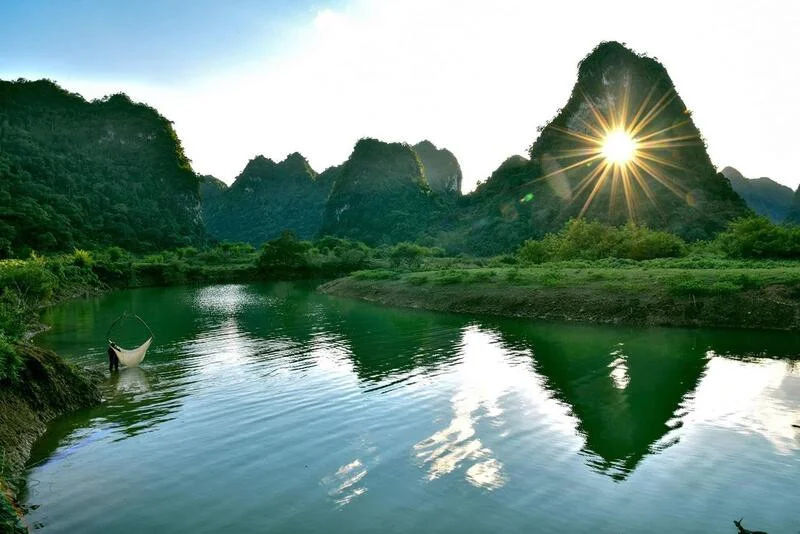
Vẻ đẹp độc đáo của núi Mắt Thần
2.6. Đèo Mã Phục – Cung đường đèo đặc trưng của Cao Bằng
Đèo Mã Phục không quá dài nhưng lại mang nét đẹp rất đặc trưng của vùng Đông Bắc. Con đèo uốn lượn giữa những dãy núi đá vôi, tạo thành các khúc cua mềm mại và dễ nhận diện. Từ một số điểm dừng, du khách có thể quan sát toàn cảnh thung lũng phía dưới, với những nếp nhà nhỏ và ruộng đồng trải dài.
Buổi sáng muộn là thời điểm lý tưởng để check-in tại đèo Mã Phục, khi sương đã tan và ánh nắng đủ rõ để thấy trọn đường đèo uốn lượn. Buổi chiều ánh sáng thường gắt và đổ bóng mạnh vào vách núi, khiến bố cục ảnh khó cân bằng hơn. Khi chụp, nên ưu tiên các góc cao hoặc đứng xa để lấy trọn đường cong của đèo.
Địa chỉ: quốc lộ 3, xã Quốc Toản, huyện Trà Lĩnh, tỉnh Cao Bằng
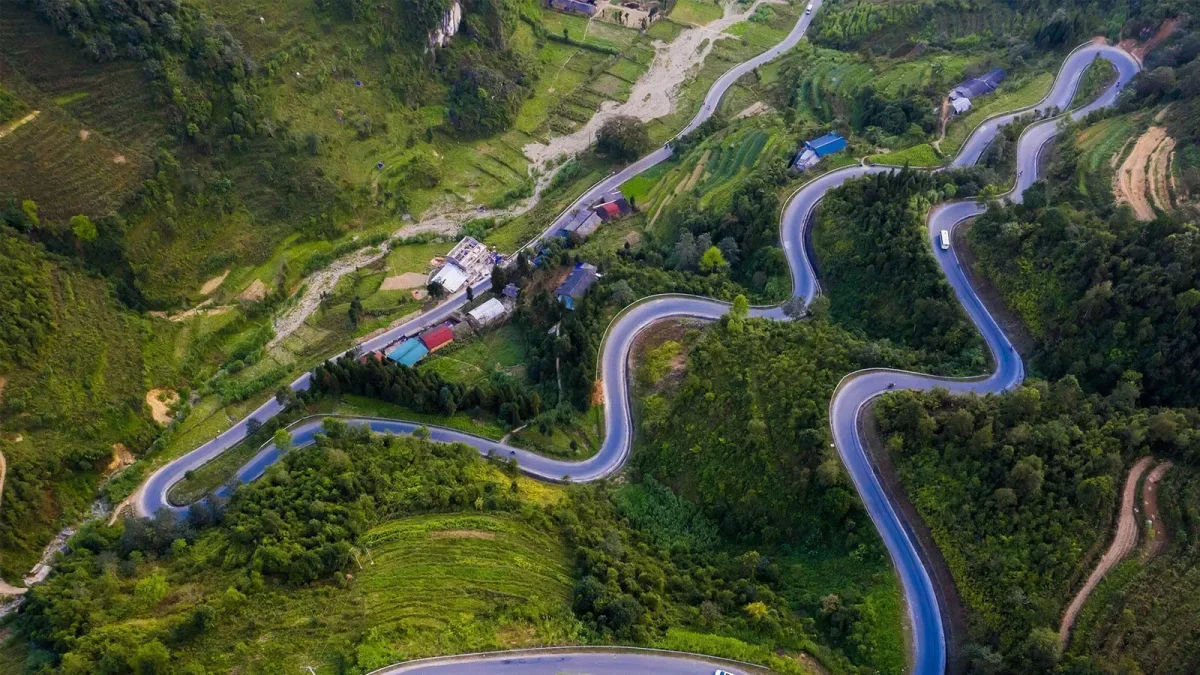
Quang cảnh đầy nên thơ của cung đường đèo Mã Phục
2.7. Chùa Phật Tích Trúc Lâm Bản Giốc – Không gian tâm linh giữa núi rừng
Chùa Phật Tích Trúc Lâm Bản Giốc tọa lạc trên vị trí cao, nhìn ra thác Bản Giốc và vùng núi xung quanh. Kiến trúc chùa mang phong cách truyền thống, hài hòa với cảnh quan thiên nhiên, tạo nên không gian trang nghiêm nhưng không nặng nề.
Buổi sáng là thời điểm đẹp nhất để check-in tại chùa, khi không khí trong lành và ánh sáng dịu, giúp màu sắc công trình lên ảnh tự nhiên hơn. Lúc này lượng khách cũng chưa đông, dễ chụp được những khung hình yên tĩnh, không bị vướng người. Buổi chiều ánh nắng thường chiếu xiên mạnh, dễ làm ảnh bị chênh sáng giữa nền trời và kiến trúc.
Địa chỉ: xã Đàm Thủy, huyện Trùng Khánh, tỉnh Cao Bằng
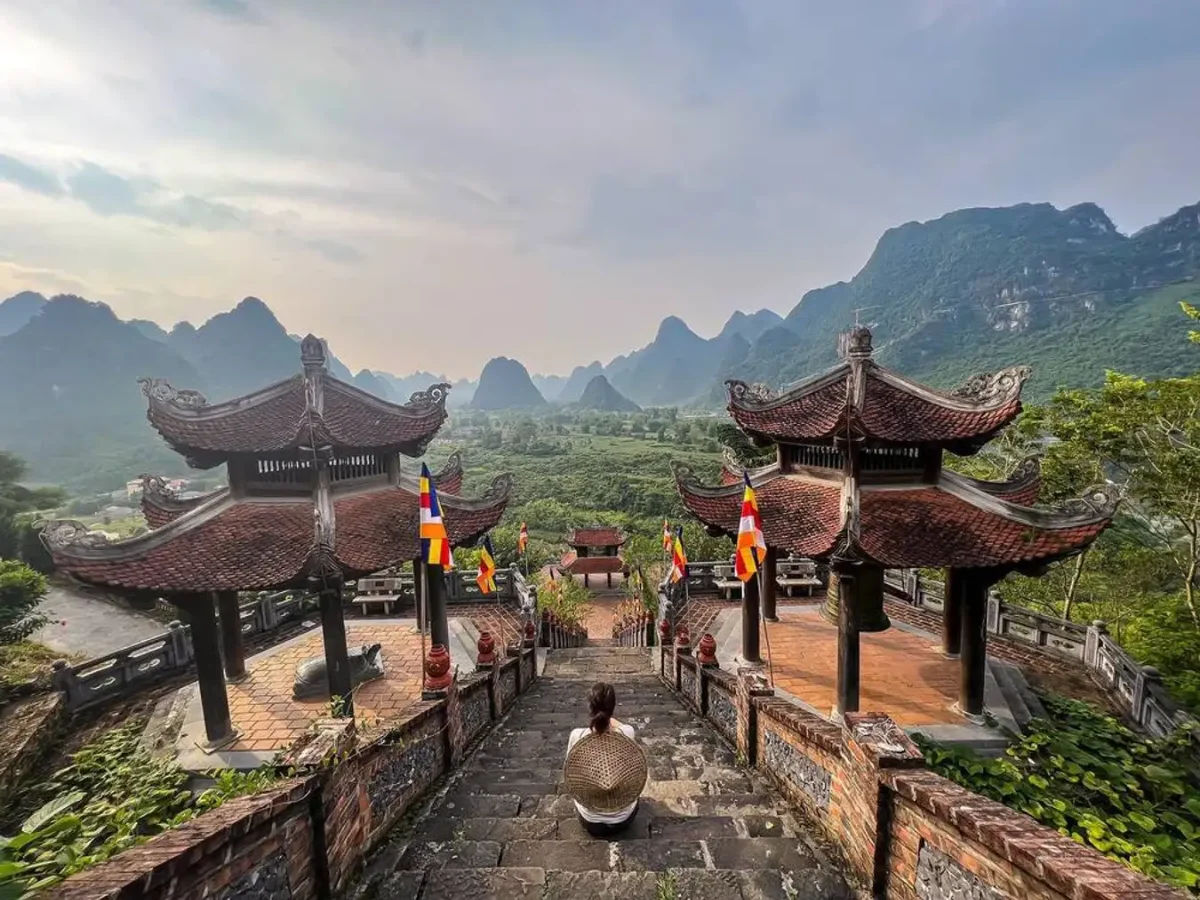
Chùa Phật Tích Trúc Lâm Bản Giốc nổi tiếng với lịch sử lâu đời
2.8. Vườn quốc gia Phja Oắc – Phja Đén – Trải nghiệm thiên nhiên nguyên sơ
Vuờn quốc gia Phja Oắc – Phja Đén là khu vực có khí hậu mát mẻ quanh năm, với hệ sinh thái rừng phong phú và không khí trong lành. Nơi đây thường xuất hiện mây mù vào sáng sớm, tạo nên cảnh sắc rất đặc trưng của vùng núi cao.
Thời điểm check-in đẹp nhất tại Phja Oắc Phja Đén là buổi sáng, khi sương còn giăng nhẹ giữa rừng và ánh sáng chưa quá mạnh. Đây là lúc dễ bắt được những khoảnh khắc mờ ảo, rất phù hợp với phong cách ảnh thiên nhiên và du lịch trải nghiệm. Buổi chiều thời tiết thường lạnh và nhiều mây, ánh sáng yếu hơn, phù hợp đi dạo hơn là chụp ảnh.
Địa chỉ: huyện Nguyên Bình, tỉnh Cao Bằng
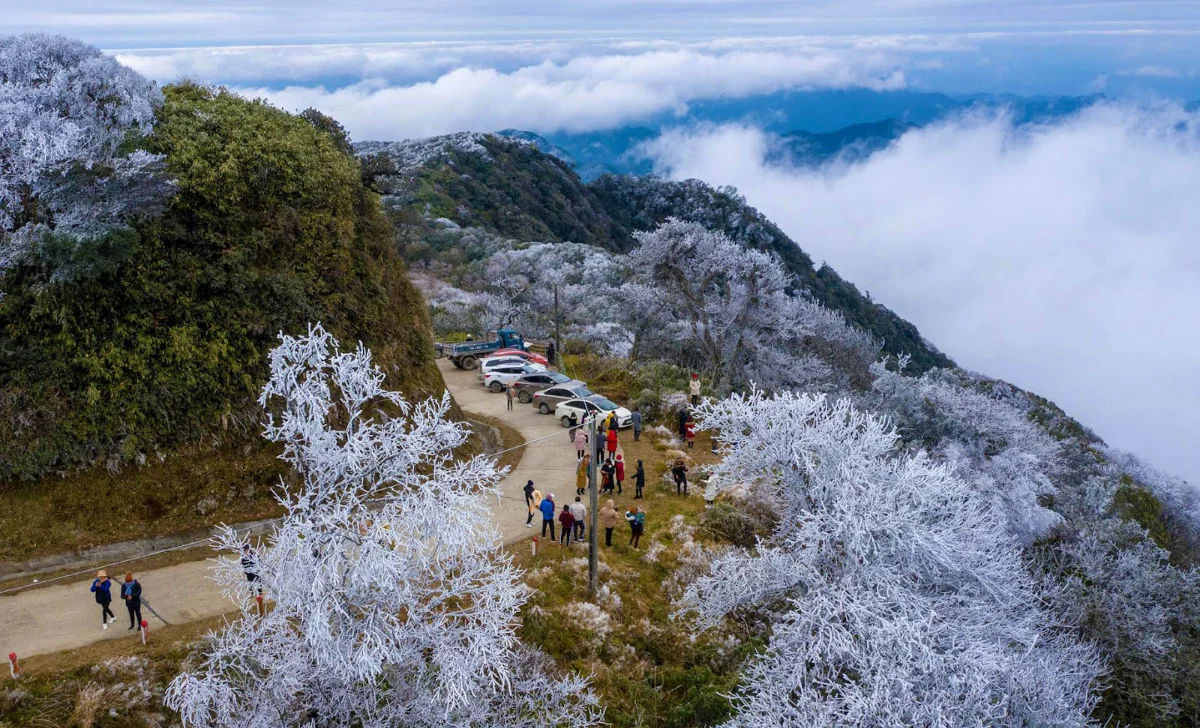
Khám phá vẻ đẹp hoang sơ của Vườn Quốc gia Phja Oắc – Phja Đén
3. Mẹo check-in Cao Bằng hiệu quả
3.1. Chọn khung giờ đẹp để chụp ảnh
Với hoạt động check-in du lịch, ánh sáng luôn là yếu tố quan trọng quyết định chất lượng hình ảnh, bố cục và cảm xúc của mỗi khung hình. Tại Cao Bằng, yếu tố này càng trở nên rõ rệt do đặc trưng địa hình núi cao, thung lũng sâu và nhiều khu vực có mặt nước. Buổi sáng sớm là thời điểm lý tưởng nhất để chụp phong cảnh, đặc biệt tại các địa điểm như Thác Bản Giốc, Hồ Thang Hen, Khu di tích Pác Bó và Động Ngườm Ngao. Lúc này ánh sáng còn dịu, không bị gắt, giúp giữ được màu xanh tự nhiên của cây cối, mặt nước trong và hạn chế hiện tượng cháy sáng. Ngoài ra, buổi sáng thường ít khách tham quan hơn, thuận lợi để chụp được những khung hình thoáng, sạch và không bị vướng người.
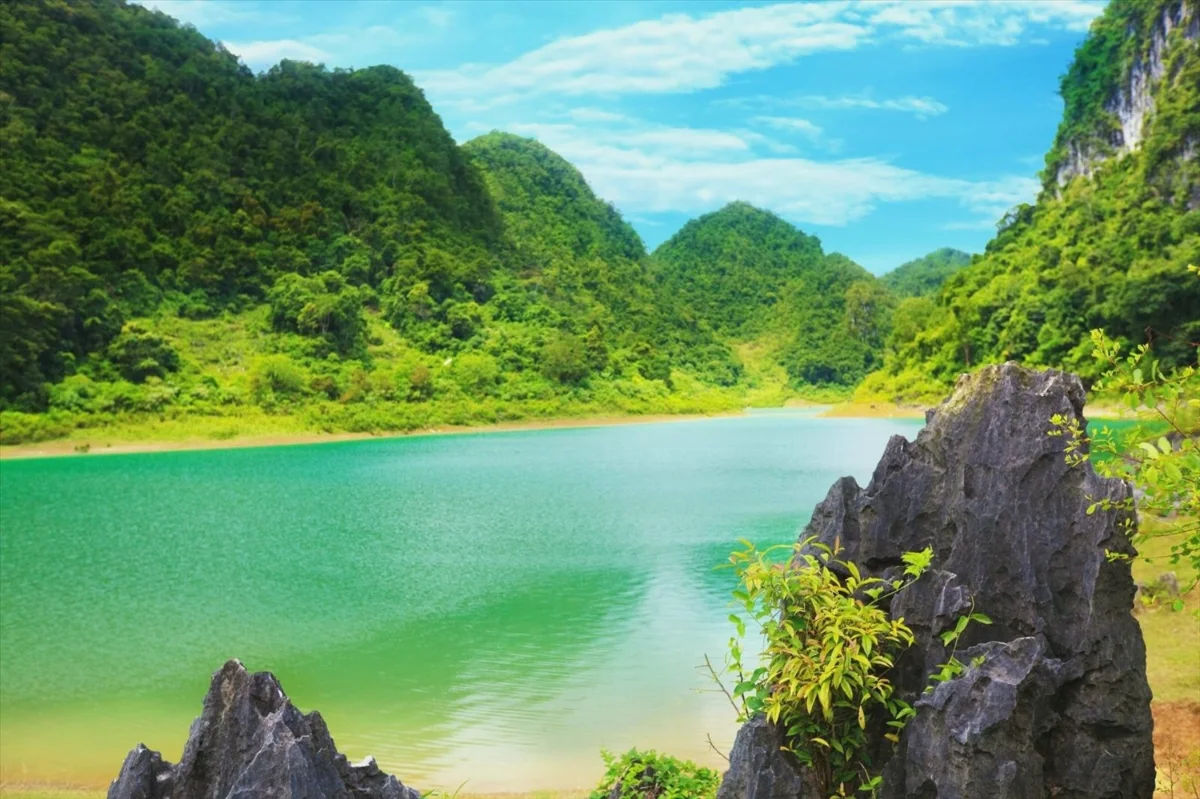
Không gian tĩnh lặng và trong veo của hồ Thang Hen buổi sáng
Chiều muộn cũng là khoảng thời gian phù hợp để chụp ảnh, nhất là tại các điểm cao và không gian mở như Núi Mắt Thần, Đèo Mã Phục, Chùa Phật Tích Trúc Lâm Bản Giốc và Vườn quốc gia Phja Oắc – Phja Đén. Ánh nắng thấp tạo bóng đổ dài, giúp cảnh vật có chiều sâu và cảm giác mềm mại hơn trong khung hình. Tuy nhiên, du khách nên chủ động kết thúc việc chụp ảnh trước khi trời tối hẳn, vì nhiều khu vực ở Cao Bằng ít đèn đường và việc di chuyển ban đêm không thật sự thuận tiện. Nên hạn chế chụp ảnh vào khung giờ trưa, khi ánh nắng mạnh làm màu sắc gắt và khó kiểm soát bố cục tổng thể.
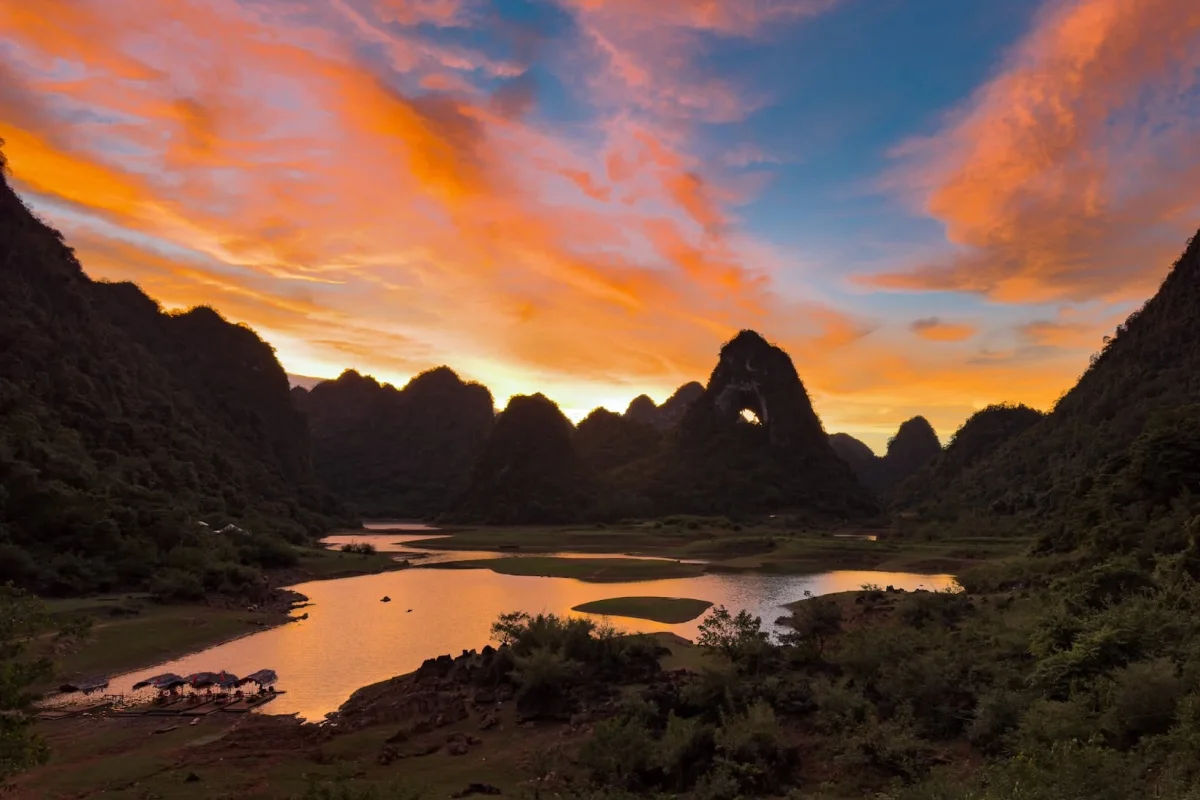
Một buổi chiều hoàng hôn ở núi Mắt Thần Cao Bằng
3.2. Gợi ý pose dáng và trang phục phù hợp
Trang phục: Khi chụp ảnh tại Cao Bằng, nên chọn trang phục hài hòa với cảnh sắc thiên nhiên rộng lớn nhưng vẫn đủ nổi bật. Các gam màu trung tính, màu sáng hoặc pastel thường dễ lên hình, giúp chủ thể không bị chìm giữa nền núi rừng xanh đậm. Trang phục quá nhiều họa tiết hoặc màu sắc đậm dễ khiến khung hình bị rối, đặc biệt ở những địa điểm có không gian rộng và nhiều chi tiết tự nhiên.
Pose dáng: Nên ưu tiên các tư thế đơn giản, tập trung vào cảm giác hòa mình vào không gian thay vì tạo dáng cầu kỳ. Những kiểu đứng nghiêng, quay lưng, bước đi chậm hoặc nhìn về phía xa thường rất phù hợp với phong cảnh núi rừng và tạo cảm giác tự nhiên. Việc tận dụng lối đi, hàng cây, lan can hoặc mặt nước giúp bố cục ảnh rõ ràng và có chiều sâu hơn. Với các điểm mang tính lịch sử hoặc tâm linh, pose dáng nhẹ nhàng, tiết chế sẽ giúp bức ảnh giữ được sự trang trọng cần thiết.
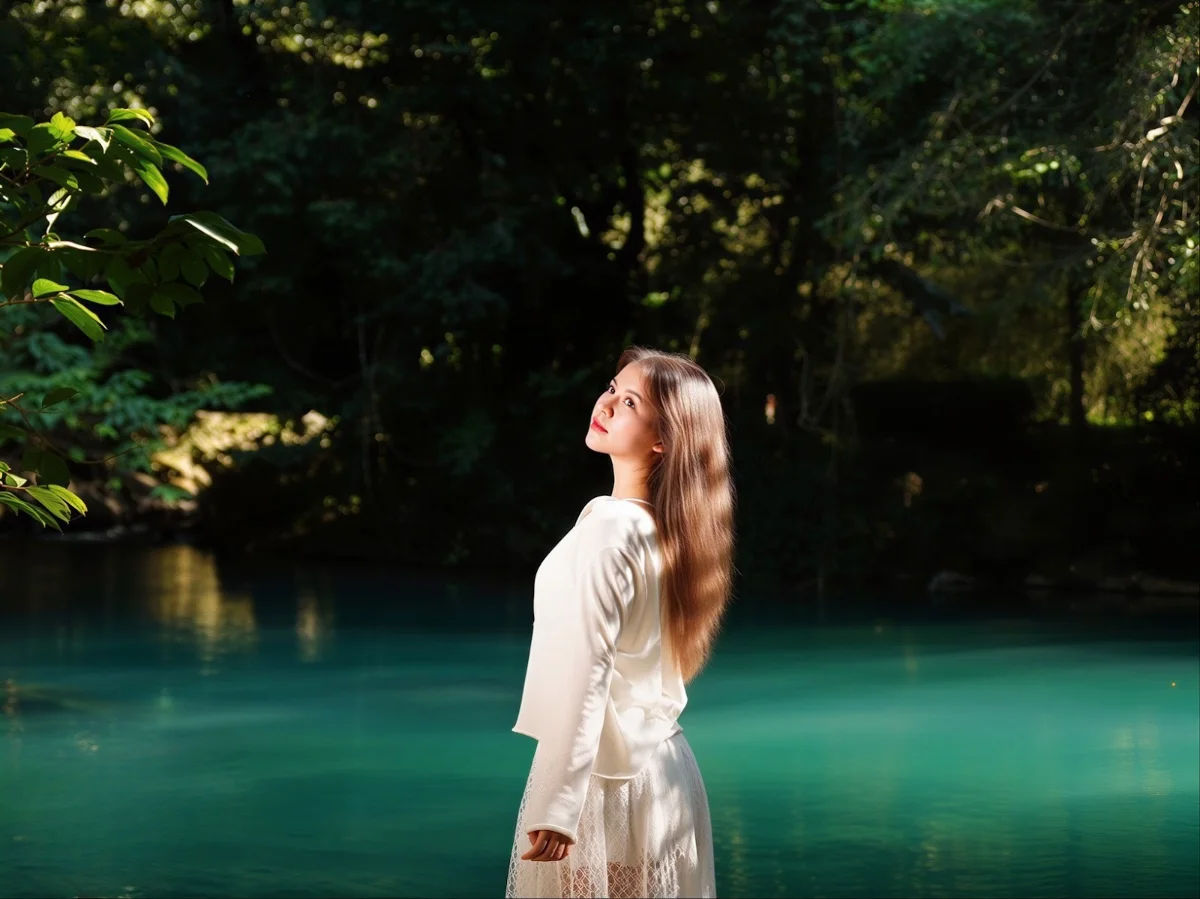
Check-in suối Lê Nin với trang phục màu sáng
3.3. Lưu ý và an toàn khi di chuyển
Cao Bằng có địa hình chủ yếu là đồi núi, nhiều đèo dốc và các cung đường quanh co, vì vậy việc đảm bảo an toàn khi di chuyển là yếu tố rất quan trọng. Trước chuyến đi, du khách nên kiểm tra kỹ phương tiện, đặc biệt là phanh, lốp và đèn xe. Nếu di chuyển bằng xe máy, cần lựa chọn xe phù hợp với đường đèo và tránh chở quá nặng khi đi những quãng đường dài.
Trong quá trình di chuyển, nên chủ động sắp xếp lịch trình hợp lý để không phải chạy xe vội vàng hoặc đi đêm. Nhiều tuyến đường ở Cao Bằng khá vắng, ít nhà dân và ánh sáng hạn chế, nên việc di chuyển ban ngày sẽ an toàn và dễ xử lý tình huống hơn.
Khi đến các điểm check-in có địa hình tự nhiên như thác, hồ hay đồi cỏ, du khách cần chú ý trơn trượt, đặc biệt sau mưa. Giữ tốc độ vừa phải, quan sát kỹ và ưu tiên an toàn sẽ giúp chuyến đi không chỉ đẹp về hình ảnh mà còn trọn vẹn về trải nghiệm.
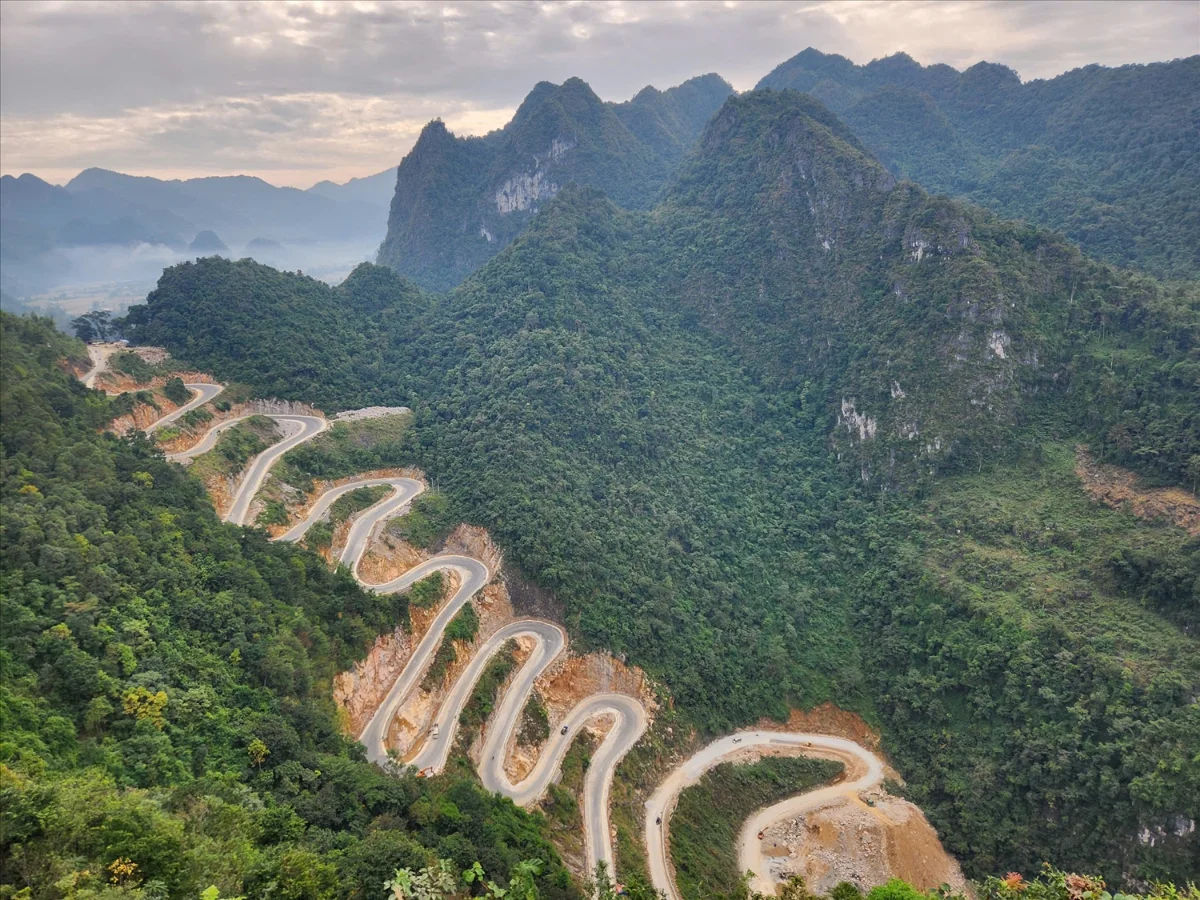
Địa hình đồi núi, đường đèo nhiều khúc cua ở Cao Bằng
4. FAQ – Câu hỏi thường gặp khi du lịch Cao Bằng
1. Địa điểm check-in Cao Bằng nào phù hợp đi gia đình?
Các điểm như thác Bản Giốc, hồ Thang Hen, khu di tích Pác Bó và chùa Phật Tích Trúc Lâm Bản Giốc khá dễ di chuyển, không quá mạo hiểm, phù hợp cho gia đình có người lớn tuổi hoặc trẻ nhỏ.
2. Thác Bản Giốc check-in vào thời điểm nào đẹp nhất trong ngày?
Buổi sáng sớm là thời điểm lý tưởng để tham quan và chụp ảnh tại thác Bản Giốc vì ánh sáng dịu, ít đông khách và dễ bắt trọn vẻ mềm mại của dòng thác.
3. Đi Cao Bằng tự túc hay đi tour thì tiện hơn?
Nếu muốn chủ động thời gian và khám phá sâu, đi tour túc sẽ phù hợp hơn. Trường hợp đi lần đầu, không quen đường đèo núi, tour trọn gói giúp tiết kiệm công sức và đảm bảo lịch trình an toàn.
4. Chi phí du lịch Cao Bằng khoảng bao nhiêu là hợp lý?
Chi phí du lịch Cao Bằng nhìn chung khá dễ chịu so với nhiều điểm đến miền núi khác, tùy vào thời gian đi, hình thức di chuyển và lưu trú, thường không quá cao nếu đi từ 2 đến 3 ngày.
5. Các điểm check-in ở Cao Bằng có xa nhau không?
Khoảng cách giữa các điểm tham quan khá xa, nhiều nơi cách nhau từ 30 đến 60 km, do đó du khách nên sắp xếp lịch trình theo từng cụm địa điểm để tránh di chuyển dàn trải.
6. Nên ở lại Cao Bằng bao nhiêu ngày để trải nghiệm trọn vẹn?
Thời gian hợp lý để khám phá Cao Bằng là từ 2 đến 3 ngày. Nếu muốn đi thêm các điểm xa như Phja Oắc Phja Đén, nên dành ít nhất 4 ngày.
7. Đường đi các điểm check-in Cao Bằng có khó không?
Đường đi chủ yếu là đèo núi, quanh co nhưng mặt đường nhìn chung khá tốt. Tuy nhiên cần tay lái vững, đi chậm và hạn chế di chuyển vào ban đêm.
8. Có cần thuê xe riêng khi du lịch Cao Bằng không?
Thuê xe máy hoặc ô tô riêng giúp chủ động hơn khi di chuyển giữa các điểm check-in xa nhau, đặc biệt phù hợp với lịch trình tự túc và nhóm nhỏ.
9. Cao Bằng có phù hợp cho người thích chụp ảnh không?
Rất phù hợp. Địa hình đa dạng với thác nước, hang động, hồ và núi đá vôi tạo nhiều góc chụp khác nhau, từ phong cảnh rộng đến ảnh chân dung thiên nhiên.
10. Du lịch Cao Bằng có đông đúc như các điểm nổi tiếng khác không?
So với nhiều điểm du lịch miền Bắc, Cao Bằng vẫn giữ được sự yên tĩnh nhất định. Nếu tránh đi vào dịp lễ lớn, du khách dễ có không gian thoải mái để tham quan và chụp ảnh.
Bài viết mới