


Xem tất cả kết quả cho ""

 Ngày bất kỳ
  Tiếng Việt
 English
 한국어
한국어 日本語
日本語 简体中文
简体中文 Français
 Deutsch
 Español
 Italiano
 Русский


 Đăng nhập cho Doanh nghiệp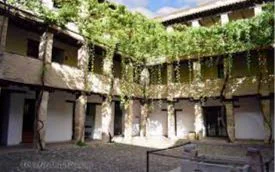
Corral del Carbón
 C. Mariana Pineda, 21, Centro, 18009 Granada, Tây Ban Nha
The Corral del Carbón, tucked away in the heart of Granada, Spain, is a hidden architectural gem and a living testament to the city's Moorish history.
The Corral del Carbón, tucked away in the heart of Granada, Spain, is a hidden architectural gem and a living testament to the city's Moorish history. Constructed in the 14th century during the Nasrid dynasty, this historic building stands as the only surviving example of a medieval Arab inn (funduq) in the country.
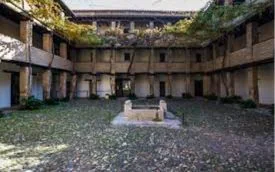
Translated as the "Coal House," the Corral del Carbón derives its name from its original purpose as a commercial and lodging space for merchants, including those dealing in coal. The building's exterior, featuring intricate Nasrid stucco work and a horseshoe arch entrance, showcases the exquisite craftsmanship of the period, while its interior courtyard transports visitors to a bygone era with its tranquil fountain and surrounding galleries.
The highlight of the Corral del Carbón is its remarkable façade adorned with geometric patterns, interlacing designs, and inscriptions that reflect the sophistication of Islamic art and architecture. The intricate detailing creates a mesmerizing interplay of light and shadow, enhancing the visual allure of the structure.
While the Corral del Carbón has undergone various renovations over the centuries, it has retained its historical charm and cultural significance. Today, the building serves as a venue for cultural events, exhibitions, and performances, welcoming visitors to experience the unique blend of Moorish architecture and Andalusian heritage.
For those exploring Granada, the Corral del Carbón provides a captivating glimpse into the city's multicultural past, offering a serene oasis where the echoes of medieval commerce and hospitality resound through its well-preserved walls.