


 Tiếng Việt
 English
 한국어
한국어 日本語
日本語 简体中文
简体中文 Français
 Deutsch
 Español
 ItalianoРусский


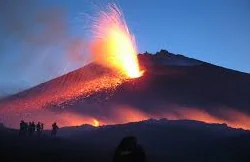
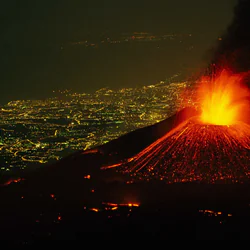
Núi lửa Etna
 Mt Etna, 95031 Adrano, Province of Catania, Italy
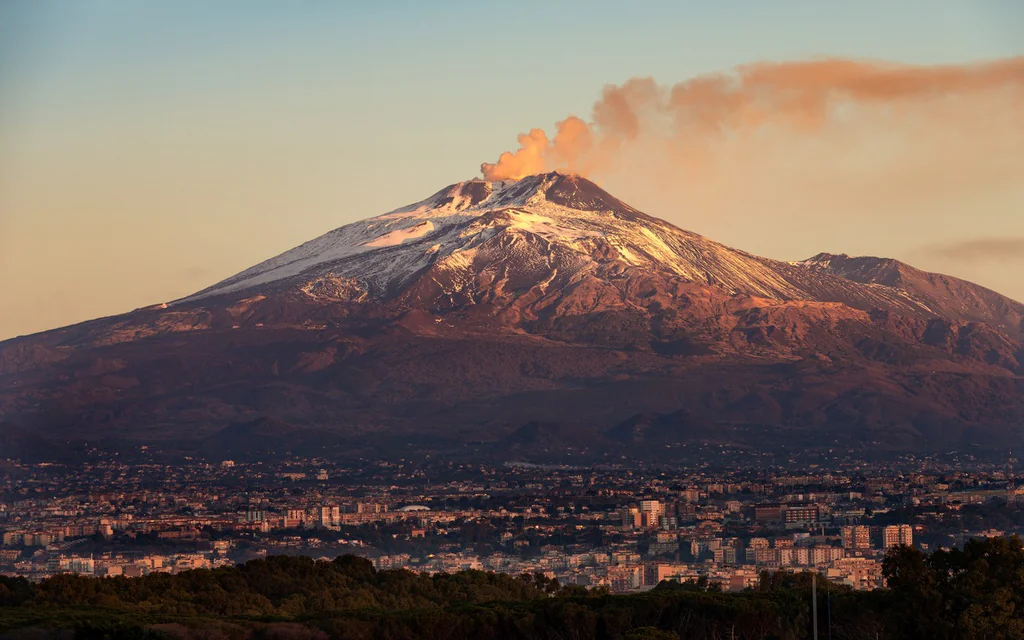
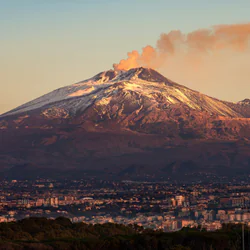
Núi lửa Etna là một địa danh nổi tiếng, thu hút đông đảo du khách khi tới đảo Sicily. Núi lửa Etna có thể nhìn thấy được từ Taormina và Catania và thậm chí từ nhiều nơi khác trên đảo. Tuy nhiên, sẽ rất đáng tiếc nếu du khách bỏ lỡ cơ hội leo lên đỉnh và chiêm ngưỡng miệng núi lửa.
Núi Etna là núi lửa đang hoạt động trên bờ biển phía đông Sicily. Cái tên này xuất phát từ tiếng Hy Lạp Aitne, từ aithou có nghĩa là “tôi đã đốt”. Núi Etna là ngọn núi lửa đang hoạt động cao nhất ở châu Âu, độ cao lớn nhất của nó là khoảng 10.900 feet (3.320 mét). Giống như các núi lửa đang hoạt động khác, nó có chiều cao khác nhau, tăng dần từ sự lắng đọng trong quá trình phun trào và giảm dần từ sự sụp đổ định kỳ của vành miệng núi lửa. Năm 1865, đỉnh núi lửa cao hơn khoảng 170 feet (52 mét) so với đầu thế kỷ 21. Etna có diện tích khoảng 600 dặm vuông (1.600 km vuông), và cơ sở của nó có một chu vi khoảng 93 dặm (150 km).
Đặc điểm địa chất sườn núi Etna chỉ ra rằng nó đã hoạt động kể từ khi kết thúc Thời kỳ Neogen (tức là, trong khoảng 2,6 triệu năm qua). Núi lửa này có nhiều hơn một trung tâm hoạt động. Một số hình nón phụ đã được hình thành trên các khe nứt bên kéo dài từ trung tâm và xuống hai bên. Cấu trúc hiện tại của ngọn núi là kết quả của hoạt động của ít nhất hai trung tâm phun trào chính.
Người Hy Lạp đã tạo ra những truyền thuyết về núi lửa và cho rằng đó là công xưởng của thần Hephaestus và Cyclops hay bên dưới núi lửa là nơi quái thú Typhon khổng lồ đang nằm, khiến Trái đất run rẩy mỗi khi nó trở mình. Nhà thơ cổ đại Hesiod đã kể về các vụ phun trào của Etna trong các tác phẩm của mình và người Hy Lạp Pindar và Aeschylus cũng đã đề cập đến một vụ phun trào nổi tiếng vào năm 475 trước Công nguyên.
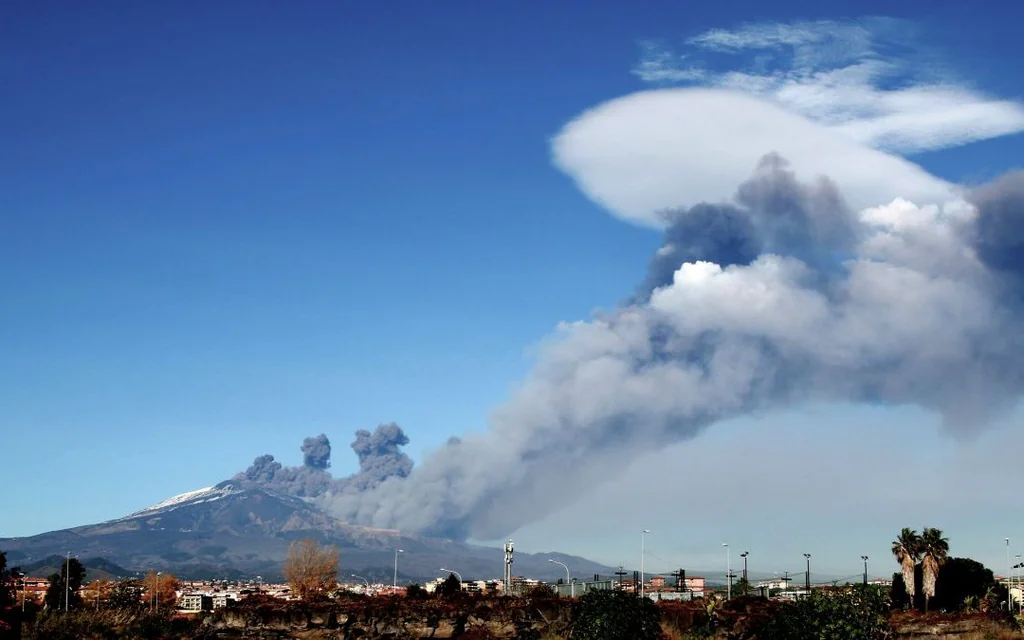
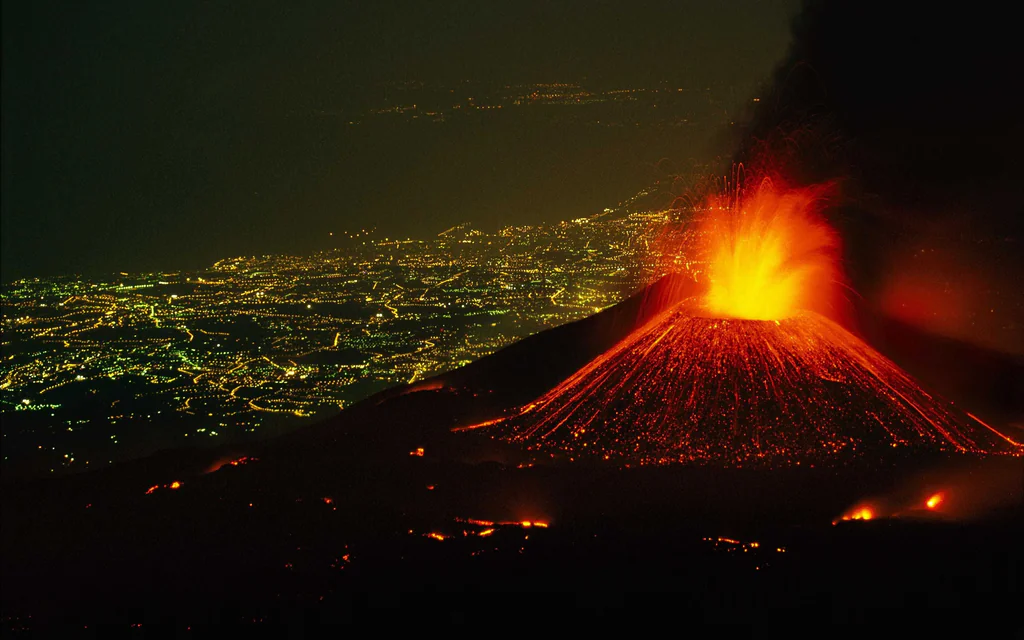
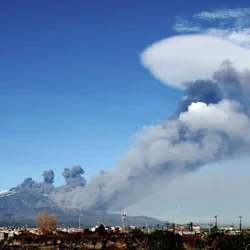
Từ năm 1669 đến 1900, 26 vụ phun trào khác nhau đã được báo cáo ghi lại. Vụ phun trào năm 1852 đã san phẳng các khán đài gỗ lớn và gần như phá hủy thị trấn Zafferana. Trong thế kỷ 20, có những vụ phun trào vào năm 1908, 1910, 1911, 1918, 1923, 1928, 1942, 1947, 1949, 1950, 5151, và năm 1971. Vụ phun trào năm 1928 đã phá hủy đường sắt quanh chân núi và chôn vùi ngôi làng của Mascali. Vụ phun trào năm 1971 đã đe dọa một số ngôi làng với dòng dung nham của nó và phá hủy một số vườn cây và vườn nho. Núi lửa Etna đã hoạt động gần như liên tục trong suốt một thập kỷ sau năm 1971, và năm 1983 một vụ phun trào kéo dài bốn tháng đã khiến các nhà chức trách phải sử dụng thuốc nổ trong nỗ lực chuyển hướng dòng dung nham. Các vụ phun trào lớn cuối cùng của thế kỷ 20 xảy ra vào năm 1986 và năm 1999.
Đầu thế kỷ 21, một vụ phun trào lớn bắt đầu vào tháng 7 năm 2001 và kéo dài vài tuần. Các hoạt động núi lửa quan trọng khác vào đầu thế kỷ 21 bao gồm các vụ phun trào Strombilian năm 2002, 2007, 2015, 2017, 2019 và 2020. ; xem thêm núi lửa: Sáu loại phun trào.)
Ngọn núi có ba khu sinh thái với thảm thực vật đặc trưng của mỗi vùng. Vùng thấp nhất, dốc dần lên tới khoảng 3.000 feet (915 mét), màu mỡ và giàu có với những vườn nho, vườn ô liu, đồn điền cam quýt và vườn cây ăn trái. Một số khu định cư đông dân cư, đặc biệt là thành phố Catania, được tìm thấy ở các sườn dốc thấp hơn. Ở phía bên trên, ngọn núi phát triển dốc hơn và được bao phủ bởi những khu rừng hạt dẻ, gỗ sồi, thông và bạch dương. Ở độ cao hơn 6.500 feet (1.980 mét), ngọn núi được bao phủ bởi tro, cát và những mảnh nham thạch và xỉ; có một vài loài thực vật rải rác như Astragalus aetnensis (tên địa phương: spino santo), thường tạo thành những bụi cây cao gần 1 yard (khoảng 0,9 mét), trong khi một số cây trên núi cao vẫn tồn tại ngay cả trên đỉnh.
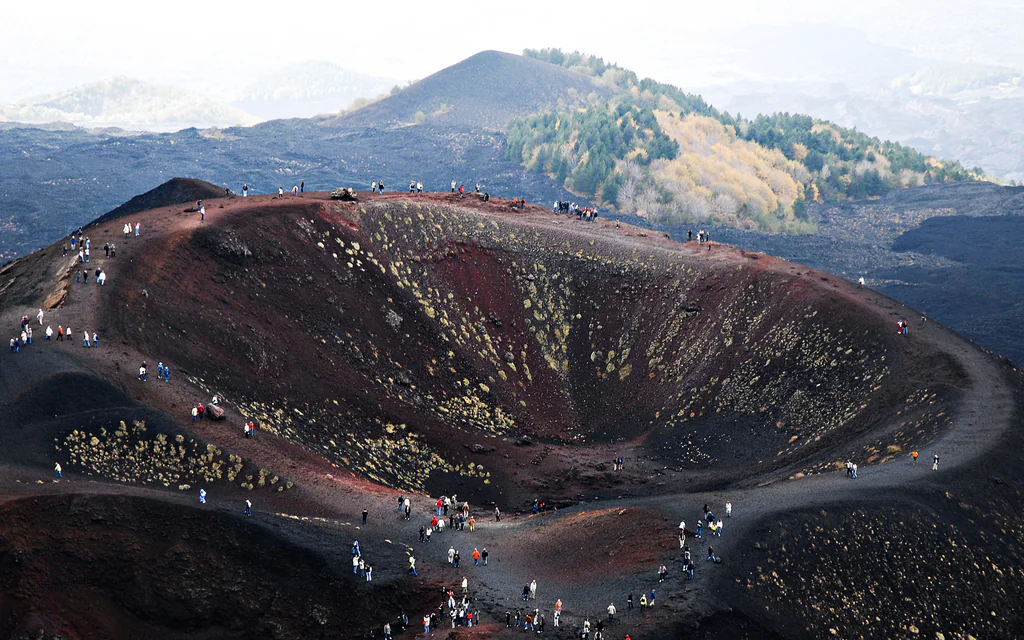
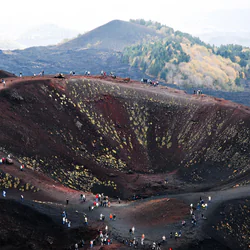
Để tham quan núi lửa Etna, du khách nên chọn một chuyến tham quan một ngày hoặc nửa ngày xuất phát từ Catania hoặc Taormina. Nhiều công ty lữ hành địa phương cung cấp một chương trình trọn gói với phương tiện vận chuyển, thiết bị, hướng dẫn và xe 4 bánh để đi lên miệng núi lửa. Tất nhiên bạn cũng có thể lái xe tới đó, nhưng bạn sẽ không được giám sát, vì vậy hãy cẩn thận để có giày và thiết bị phù hợp. Kiểm tra các điều kiện thời tiết trước khi đi vì trong điều kiện thời tiết xấu, du khách sẽ không được phép lên núi. Xin lưu ý rằng nếu bạn không có hướng dẫn viên đi kèm, bạn sẽ phải dừng ở trạm dừng đầu tiên (sau cáp treo). Để đến miệng núi lửa, việc leo lên cấp độ thứ hai phải được thực hiện trong một chiếc xe buýt nhỏ có hướng dẫn viên đi kèm. Chuyến đi tham quan trên miệng núi lửa, ngắm nhìn cảnh quản vùng Sicily sẽ là một trải nghiệm khó quên với mỗi du khách.