


 Tiếng Việt
 English
 한국어
한국어 日本語
日本語 简体中文
简体中文 Français
 Deutsch
 Español
 Italiano
 Русский


 Đăng nhập cho Doanh nghiệp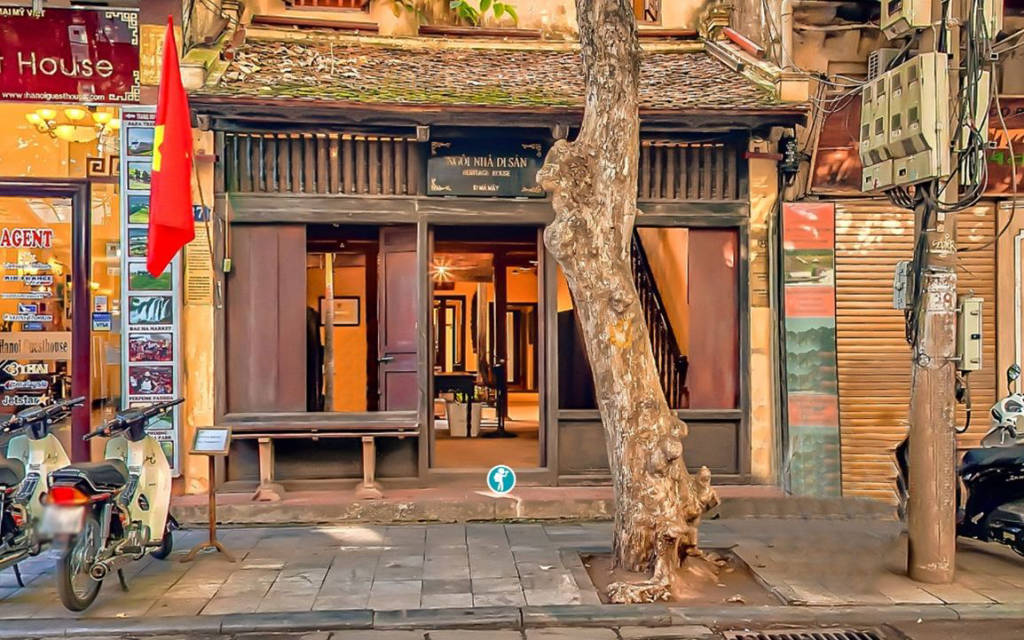
Nhà cổ Hà Nội - Ngôi Nhà di sản
 Số 87 Phố Mã Mây, Phố cổ Hà Nội, P. Hàng Buồm, Q. Hoàn Kiếm, Tp. Hà Nội, Việt Nam
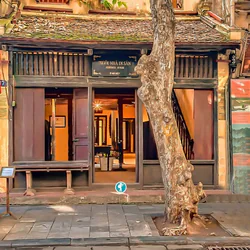
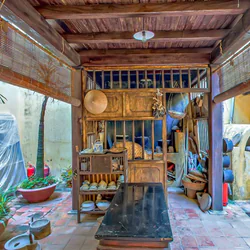
Nhà cổ Hà Nội tại số 87 Mã Mây, Hàng Buồm, là một trong những công trình kiến trúc độc đáo, lưu giữ giá trị văn hóa, lịch sử đặc sắc của Thủ đô ngàn năm văn hiến. Với kiểu dáng nhà ống, kết cấu gỗ tinh xảo và không gian sân trong thoáng đãng, mang đậm nét truyền thống và đời sống xưa. Đây là điểm đến lý tưởng để khám phá văn hóa Hà Nội cổ kính.
Chào mừng quý vị đến với hành trình khám phá lịch sử, văn hóa và kiến trúc của Hà Nội thông qua một điểm đến vô cùng đặc biệt – Nhà Cổ Hà Nội hay Ngôi nhà di sản. Đây không chỉ là nơi lưu giữ những giá trị cổ kính của Thủ đô ngàn năm văn hiến mà còn là cánh cửa mở ra một không gian thời gian đầy hoài niệm, đưa ta trở về với cuộc sống bình dị của người Hà Nội xưa.
1. Giới thiệu tổng quan về Nhà Cổ Hà Nội
Nhà cổ Hà Nội là các ngôi nhà mang đậm phong cách kiến trúc truyền thống của người Việt, được xây dựng chủ yếu vào thế kỷ 18-19. Những ngôi nhà này nằm rải rác khắp khu phố cổ Hà Nội, nhưng nổi bật nhất là tại các con phố Hàng Bạc, Hàng Đào và Hàng Buồm. Ngôi nhà cổ tại số 87 Mã Mây là một trong số ít ngôi nhà được bảo tồn gần như nguyên vẹn.
2. Kiến trúc độc đáo – sự hòa quyện của văn hóa
Nhà cổ Hà Nội được xây dựng theo kiến trúc “nhà ống”, đặc trưng bởi:
• Chiều ngang hẹp nhưng chiều sâu dài, để phù hợp với quỹ đất nhỏ trong phố cổ.
• Kết cấu gỗ với những cột, kèo và cửa được chạm khắc tinh xảo.
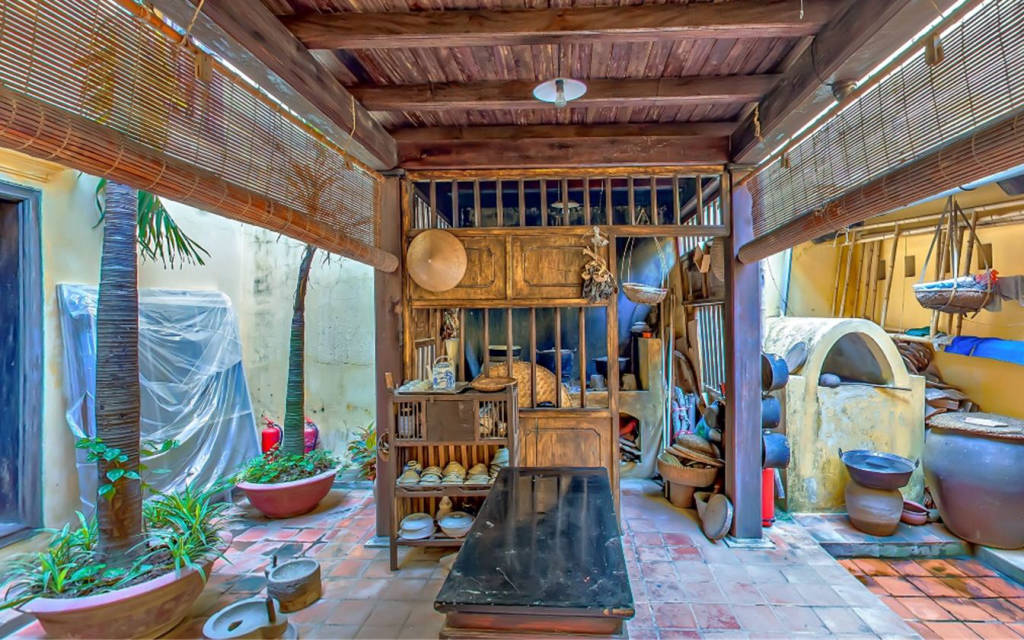
• Sân trong thoáng đãng, thường có giếng trời để lấy ánh sáng tự nhiên và lưu thông không khí.
Ngôi nhà cổ không chỉ là không gian sinh sống mà còn gắn bó với các nghề thủ công truyền thống như làm vàng mã, chạm bạc, buôn bán vải vóc. Các chi tiết như hoành phi, câu đối, đồ nội thất đều phản ánh đậm nét văn hóa, tín ngưỡng của người Hà Nội xưa.
3. Cuộc sống và sinh hoạt trong ngôi nhà cổ
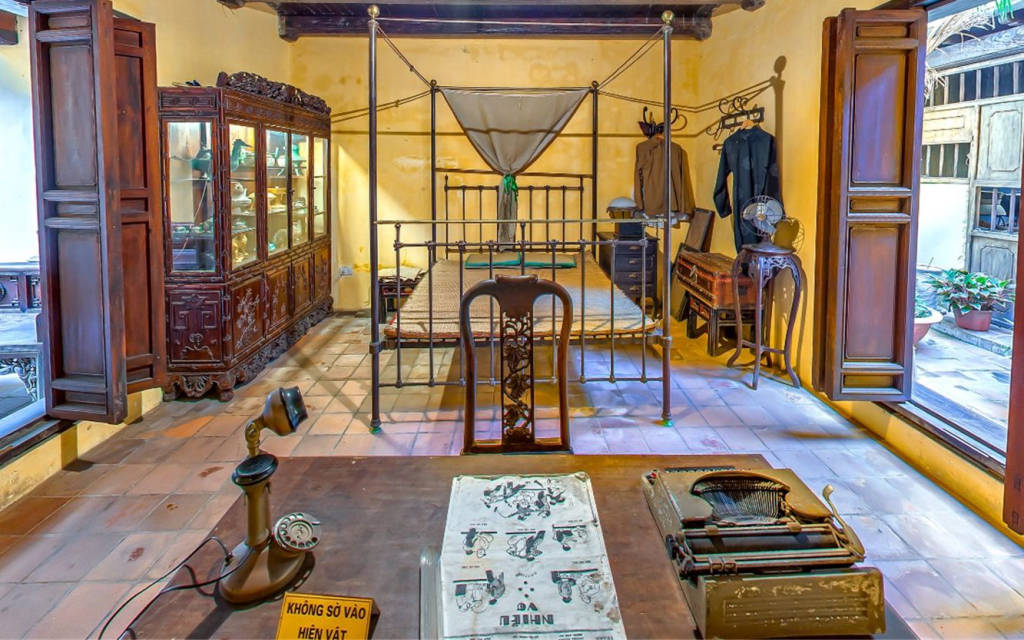
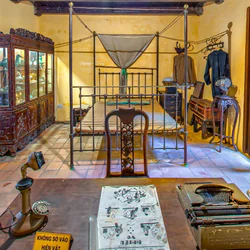
Hãy tưởng tượng, khi bước vào ngôi nhà cổ này, quý vị sẽ như được sống trong không gian của một gia đình Hà Nội thời kỳ trước:
• Phòng khách: Trung tâm của ngôi nhà, nơi đón tiếp khách quý. Nội thất tại đây thường có bộ bàn ghế gỗ khảm trai, tủ chè và những bức tranh chữ nho đầy ý nghĩa.
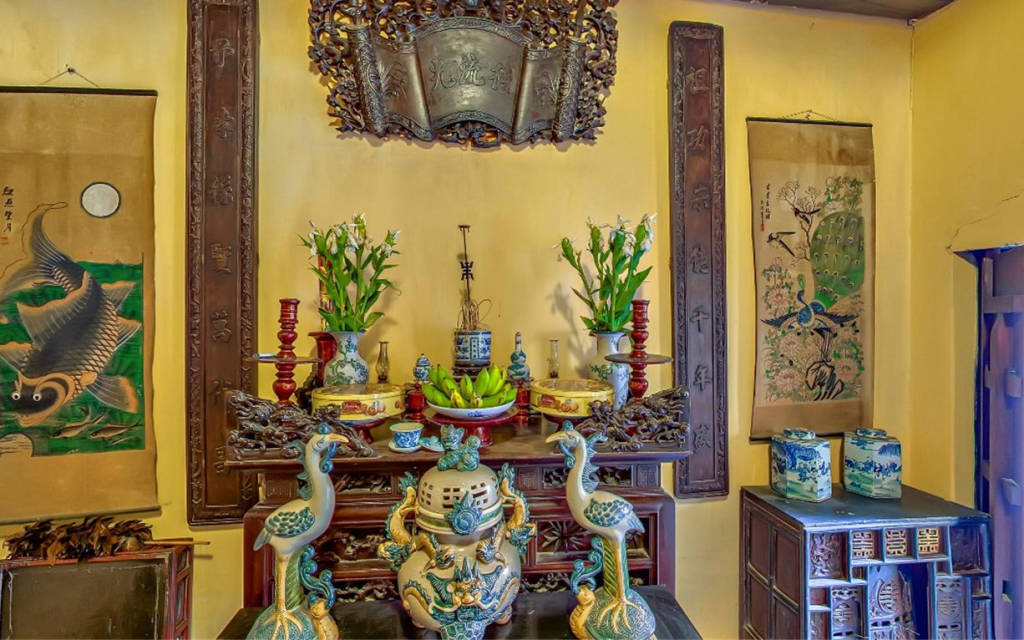
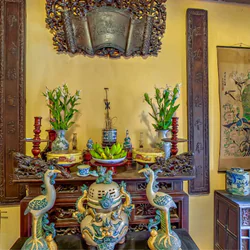
• Phòng thờ: Một khu vực linh thiêng, trang trọng, nơi gia đình tưởng nhớ tổ tiên. Trên bàn thờ luôn có đôi hạc đồng, đỉnh đồng và bát nhang cổ.
• Bếp và sân sau: Dù nhỏ gọn nhưng đầy đủ tiện nghi, tạo cảm giác ấm cúng và gần gũi.
Đặc biệt, khi đi qua hành lang dài và hẹp, quý vị sẽ cảm nhận được không khí mát lành từ giếng trời và cây xanh.
4. Giá trị lịch sử và văn hóa
Nhà cổ là minh chứng sống động về một Hà Nội của quá khứ, ghi lại câu chuyện của các gia đình buôn bán trong phố cổ, cách mà họ duy trì nghề truyền thống qua nhiều thế hệ. Đồng thời, ngôi nhà này phản ánh sự giao thoa văn hóa giữa phương Đông và phương Tây khi Hà Nội từng chịu ảnh hưởng từ Pháp và Trung Hoa.
5. Bảo tồn và phát triển – thử thách của thời gian
Dưới áp lực của đô thị hóa, rất nhiều ngôi nhà cổ đã xuống cấp hoặc bị thay thế bởi các công trình hiện đại. Tuy nhiên, chính quyền và người dân Hà Nội đã có nhiều nỗ lực để bảo tồn những giá trị quý báu này.
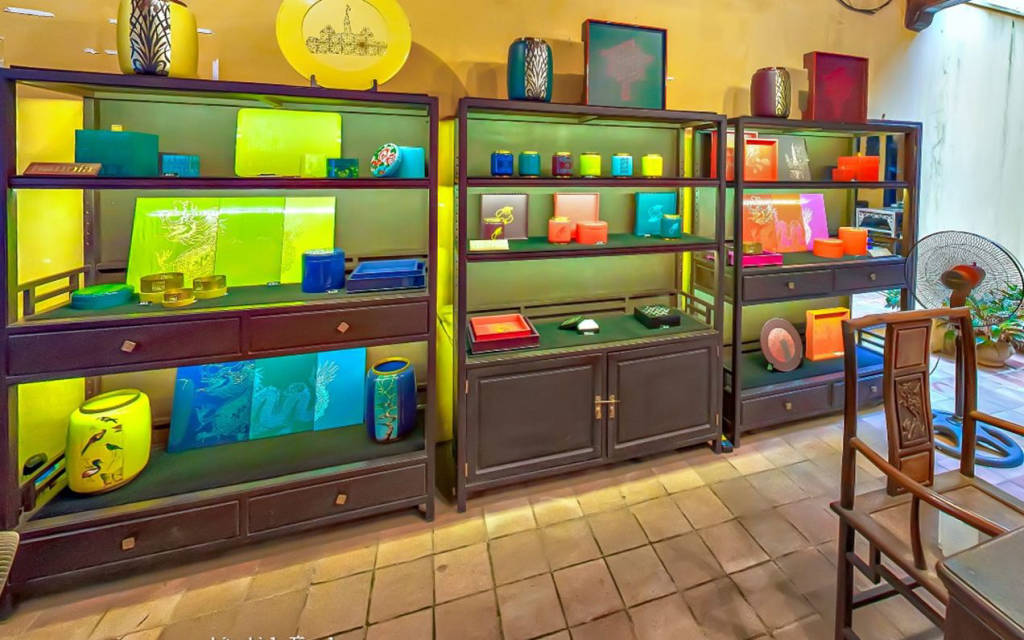
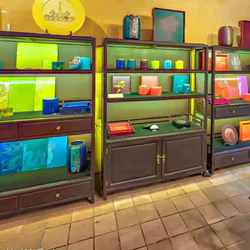
Ngôi nhà cổ 87 Mã Mây hiện nay được sử dụng như một bảo tàng nhỏ, mở cửa để đón du khách trong và ngoài nước. Tại đây, quý vị có thể tham gia các hoạt động trải nghiệm như học viết thư pháp, xem biểu diễn nghệ thuật truyền thống hoặc thưởng thức trà Việt.
6. Lời kết – Cảm nhận Hà Nội qua từng viên gạch cũ
Kết thúc chuyến tham quan, chắc hẳn quý vị đã cảm nhận được phần nào hồn cốt của Hà Nội ẩn hiện trong từng bức tường, từng mảng ngói rêu phong của những ngôi nhà cổ. Đây không chỉ là nơi lưu giữ ký ức, mà còn là cầu nối giúp chúng ta hiểu hơn về con người và văn hóa của Thủ đô.
Hãy cùng nhau lan tỏa và trân trọng những giá trị này để các thế hệ sau tiếp tục được cảm nhận một Hà Nội vẹn nguyên trong từng hơi thở. Chúc quý vị có thêm nhiều trải nghiệm thú vị trong hành trình khám phá Thủ đô!
Kinh nghiệm tham quan Nhà Cổ Hà Nội
• Địa chỉ tiêu biểu: 87 Mã Mây, Hoàn Kiếm.
• Thời gian tham quan: Nhà cổ thường mở cửa từ 8h sáng đến 5h chiều.
• Hướng dẫn viên: Luôn có các chuyên gia thuyết minh sẵn sàng chia sẻ câu chuyện lịch sử đầy cảm xúc.
• Đừng quên: Thử chụp ảnh tại sân trong để lưu lại khoảnh khắc đẹp cùng không gian cổ kính.