


See all results for ""

 Anytime
 Tiếng ViệtEnglish
 한국어
한국어 日本語
日本語 简体中文
简体中文 Français
 Deutsch
 Español
 Italiano
 Русский


 Login for Corporates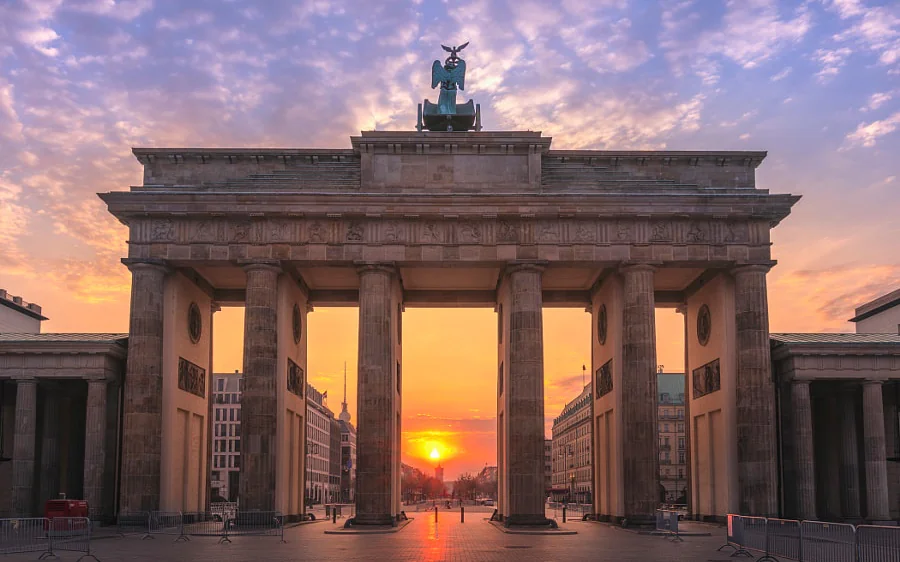
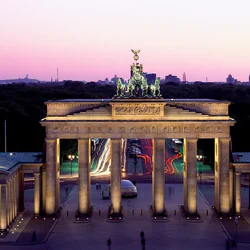
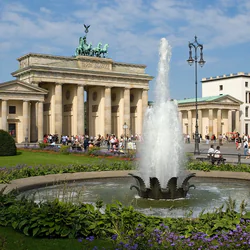
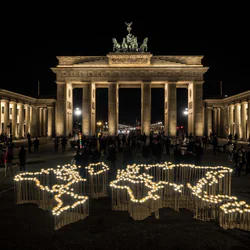
Cổng Brandenburger
 Pariser Platz, 10117 Berlin, Germany
“Symbol of a unified Berlin and the victories of long wars”
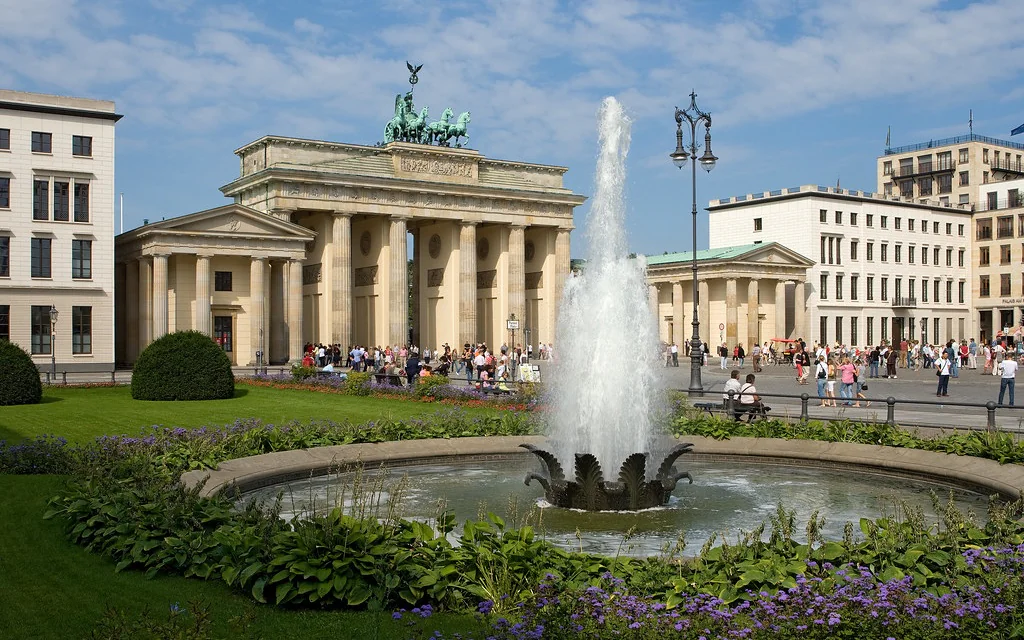
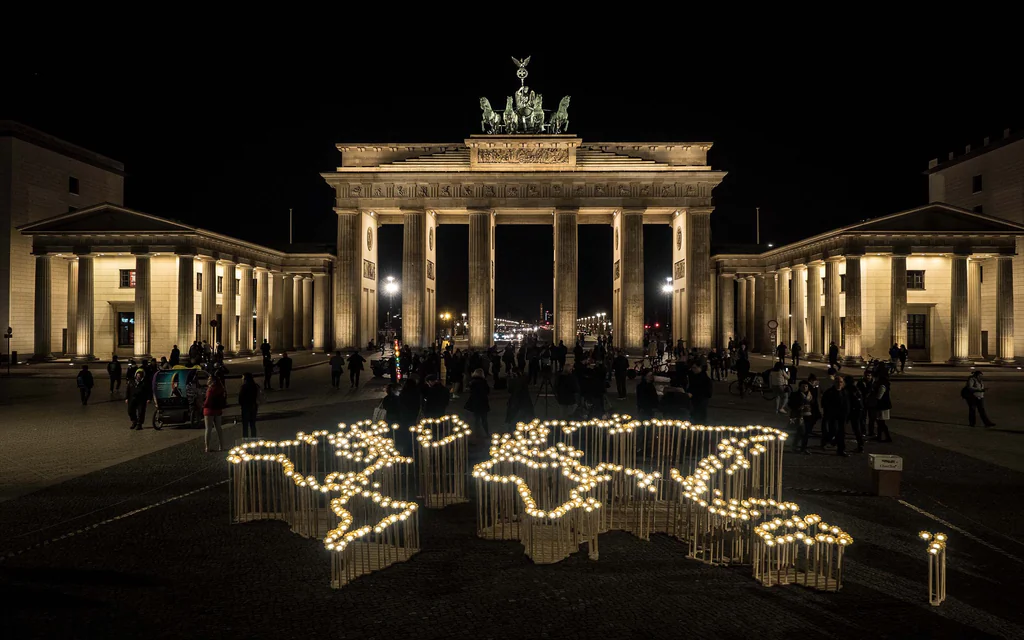
The Brandenburg Gate is one of the most iconic sites in Berlin. Not only telling the history of existence, this place has become a symbol of the division of the Cold War Berlin between East and West Germany, and since the fall of the Wall, a unified Germany. Architecturally, the sandstone Brandenburg Gate also represents the earliest and most fascinating examples of a neoclassical building in Germany.
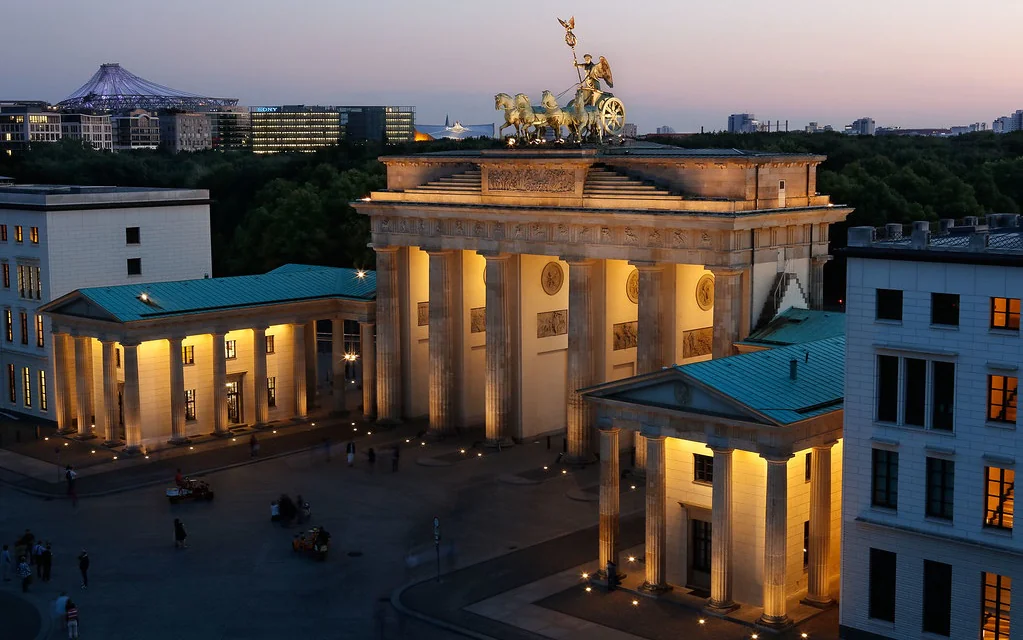
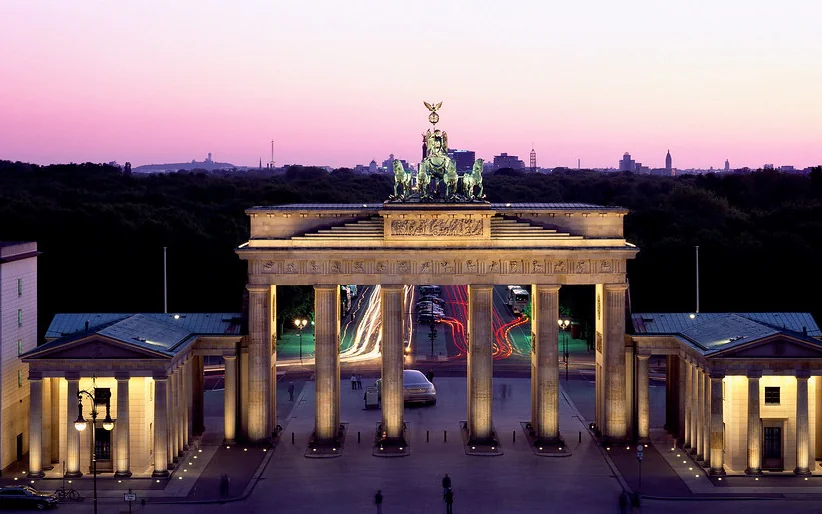
Built between 1788 and 1791, the Brandenburg Gate was Berlin's first Greek revival building. Designed by Carl Gotthard Langhans, architect of the Prussian court, inspired by the monumental alley at the entrance to the Acropolis in Athens. The Brandenburg Gate is 26 meters high, 65.5 meters long, 11 meters deep and is supported by two rows of six Doric columns.
In 1793, the Gate was crowned with a statue of Quadriga, designed by Johann Gottfried Schadow. In 1806, when Napoleon's army took Berlin, the Emperor of France brought Quadriga to Paris as a trophy and a sign of his victory. In 1812, after Napoleon was forced to abdicate, the Quadriga was returned to Berlin, where it once again adorned the Brandenburg Gate, facing east and downtown.
In 1946, with the post-war division of Germany and Berlin, the Brandenburg Gate was in the Soviet zone. When the Berlin Wall was erected in 1961, the Gate stood in an exclusion zone within an arc of the Wall, inaccessible to locals or tourists. When the Wall fell, 100,000 people gathered here for the official opening of the Brandenburg Gate on December 22, 1989 – and soon after, crowds poured into the area to celebrate their first New Year's Eve. in this divided city.
Today, more than other attractions in the city, the Brandenburg Gate symbolizes a unified Berlin.
Address: Pariser Platz, 10117 Berlin