


See all results for ""

 Anytime
 Tiếng ViệtEnglish
 한국어
한국어 日本語
日本語 简体中文
简体中文 Français
 Deutsch
 Español
 Italiano
 Русский


 Login for Corporates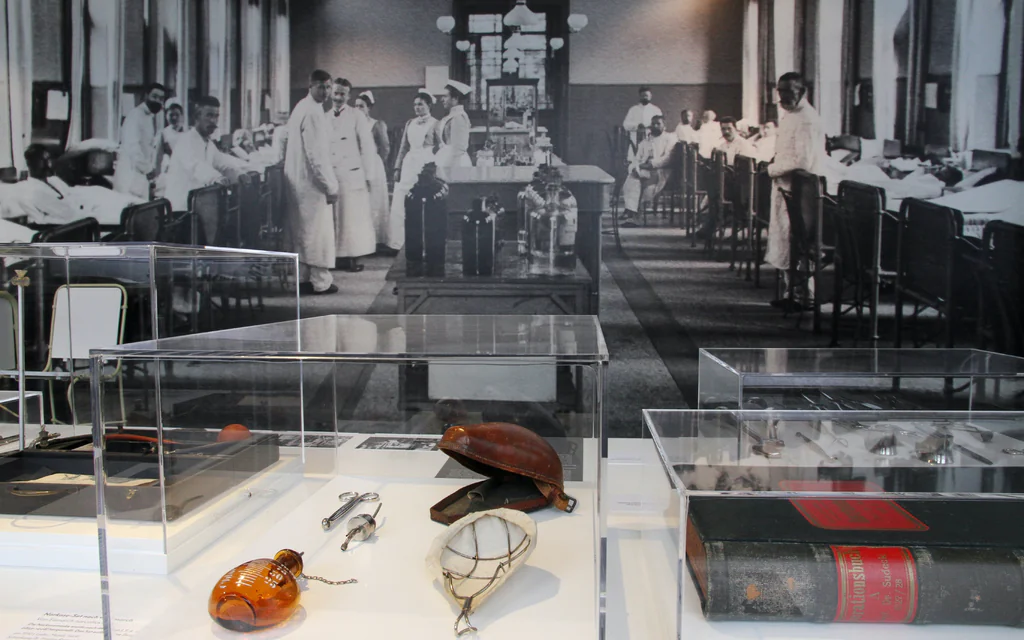
Hamburg Medical History Museum
 Martinistraße 52, 20246 Hamburg, Germany
“Wax models of disease and deformity on display at the museum in Eppendorf along with other medical developments from the mid-19th century to the present day”
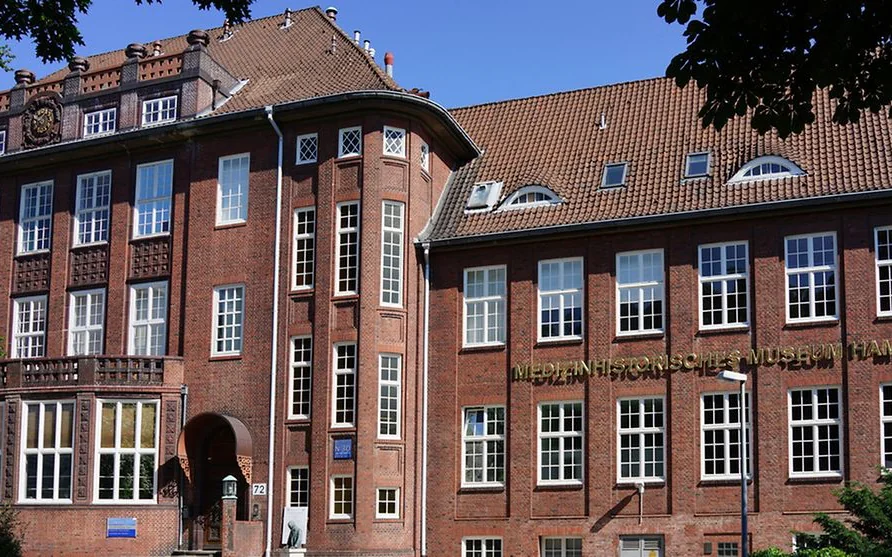
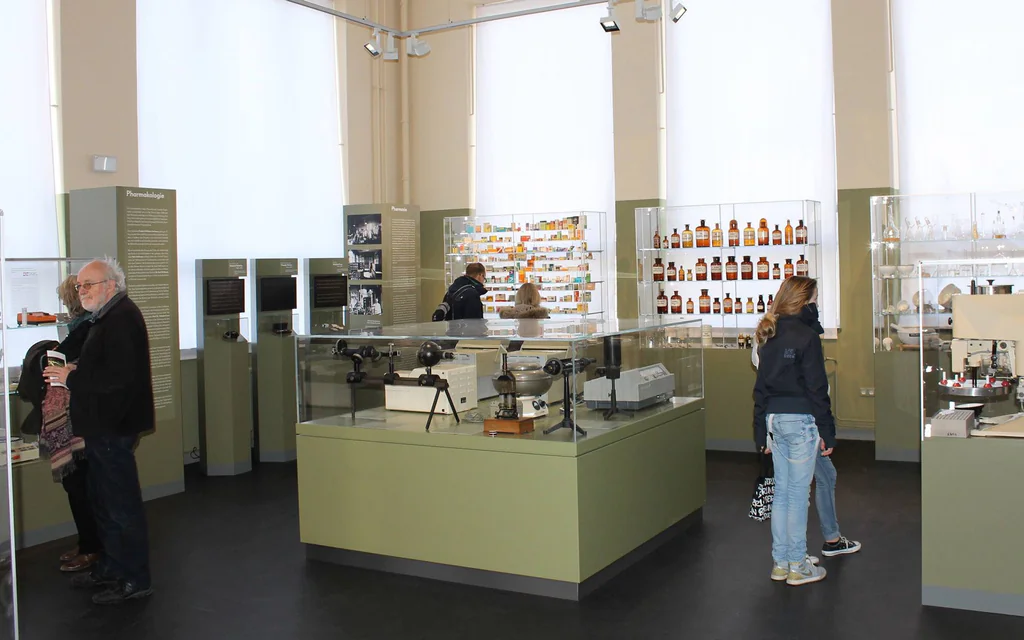
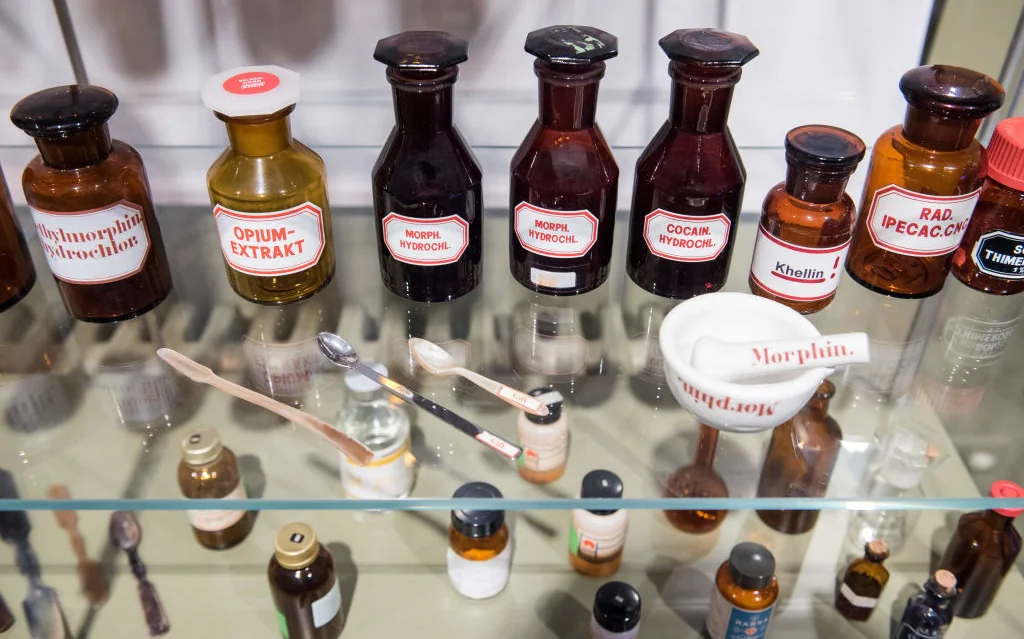
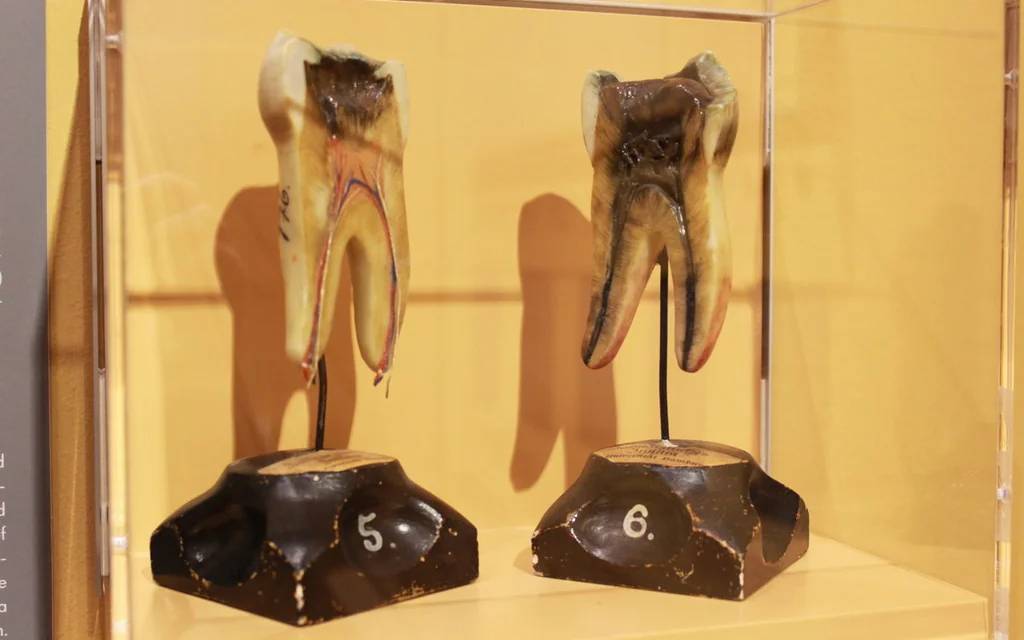
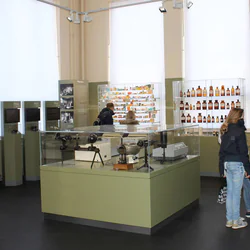
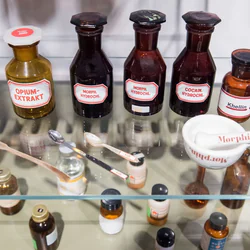
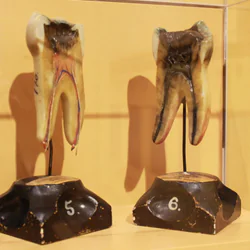
The Medizinhistorisches Museum Hamburg (Museum of Medical History) of the University Teaching Hospital Hamburg houses a fascinating collection of historical medical instruments, microscopes, teaching models and materials, models. wax of various skin diseases and other strange things.
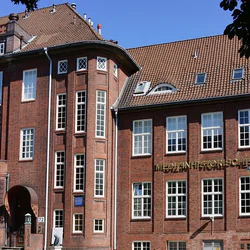
Housed in the old 1926 house, Fritz-Schumacher, on the grounds of the teaching hospital, this museum traces the development of modern medicine from the 19th century to the present day. Opened in 2010, the museum is part of the Institute of Medical Ethics and History. The museum's permanent exhibition, The Birth of Modern Medicine, explores the development of medical research, medical ethics, diagnosis and therapeutic care through a variety of archives.
The museum doesn't shy away from complicated and disturbing eras in medical history. It included a display related to the role that doctors and nurses played in Nazi-funded eugenics programs. The exhibition tells the story of Irma Sperling, a young victim in Hamburg as an attempt to give voice to the thousands of people murdered by the Nazis because they were not considered mentally or physically fit to live in the country. home. Also on display in the exhibition is a "Bietarium", a box-like device that Nazi doctors believed could measure intelligence.
The museum also houses one of the largest collections of historical molds (wax models of body parts suffering from various diseases and deformities). However, only 30 molds are on display to the public. Most of these are illustrations of the ravages of syphilis, often modeled without the patient's consent.
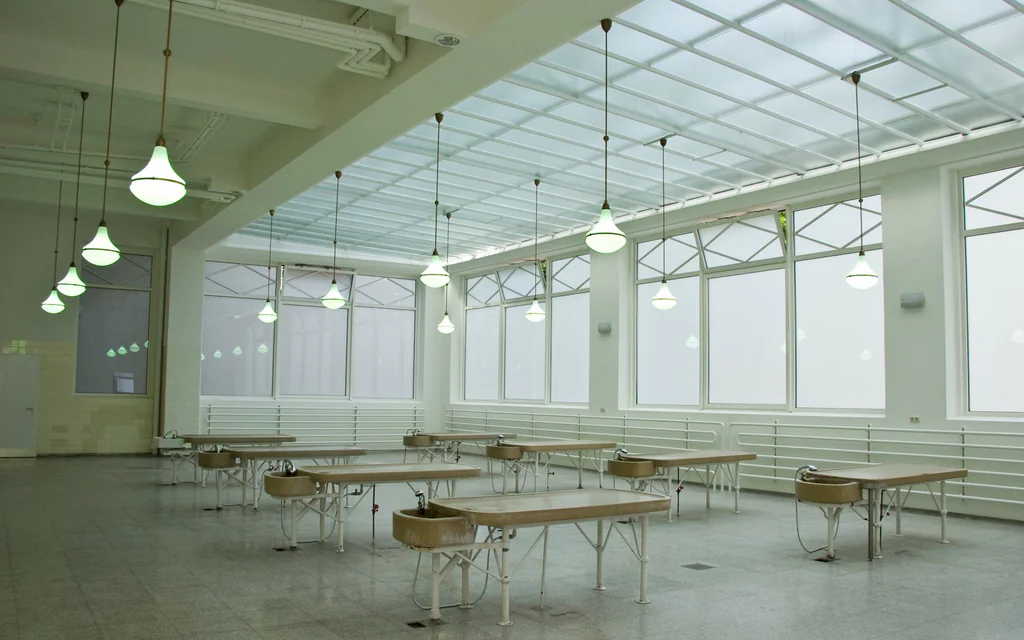
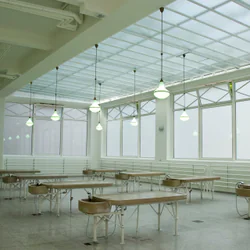
Visitors can also see a large dissection hall built in 1911. Here, medical students dissected corpses on eight stone tables, in the bright and serene open hall. horror. Light is indispensable for pathological studies. At the time the dissection hall was designed, electricity was still in its infancy and was still not reliable or bright enough. To cope with this shortcoming, the hall was cleverly designed to let in as much natural light as possible. More notably, the room was so ideal for dissection that it was used until 2006.
These fascinating exhibits are a reminder that the discipline of medicine is an evolving art that can be used for good, or for evil purposes.
Address: Martinistraße 52, 20246 Hamburg
Opening hours: Wednesday, Saturday & Sunday: 13:00 - 18:00
Entrance ticket: €6