


""에 대한 모든 결과 보기

 언제든지
언제든지 
 Tiếng Việt
 English한국어
 日本語
日本語 简体中文
简体中文 Français
 Deutsch
 Español
 Italiano
 Русский


 기업 로그인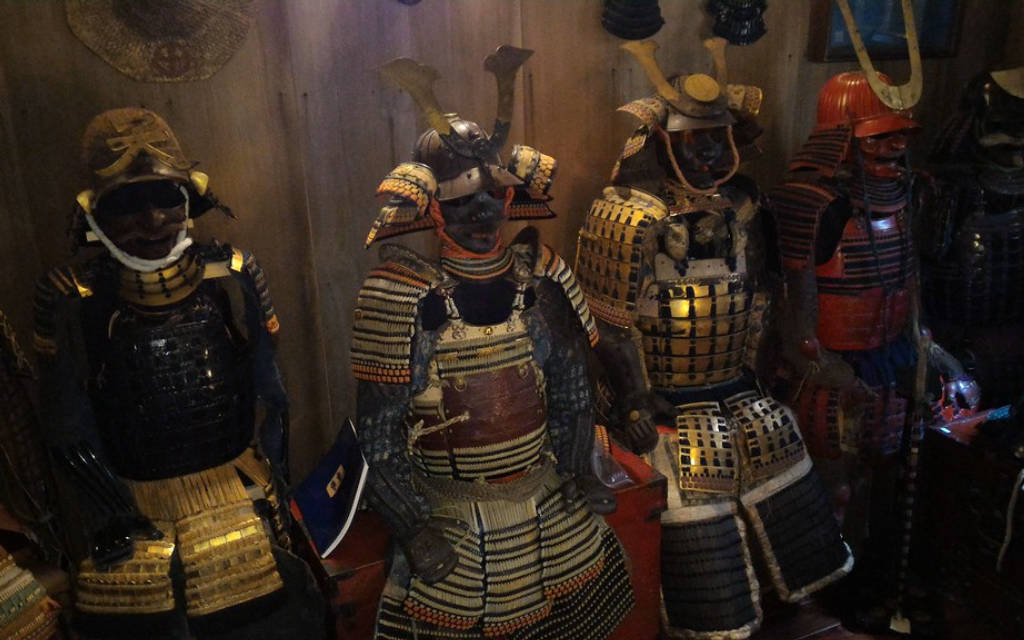
Robert Mangold Gallery
 817-2 Kannonji Monzen-cho, Kamigyo-ku, Kyoto Nhật bản
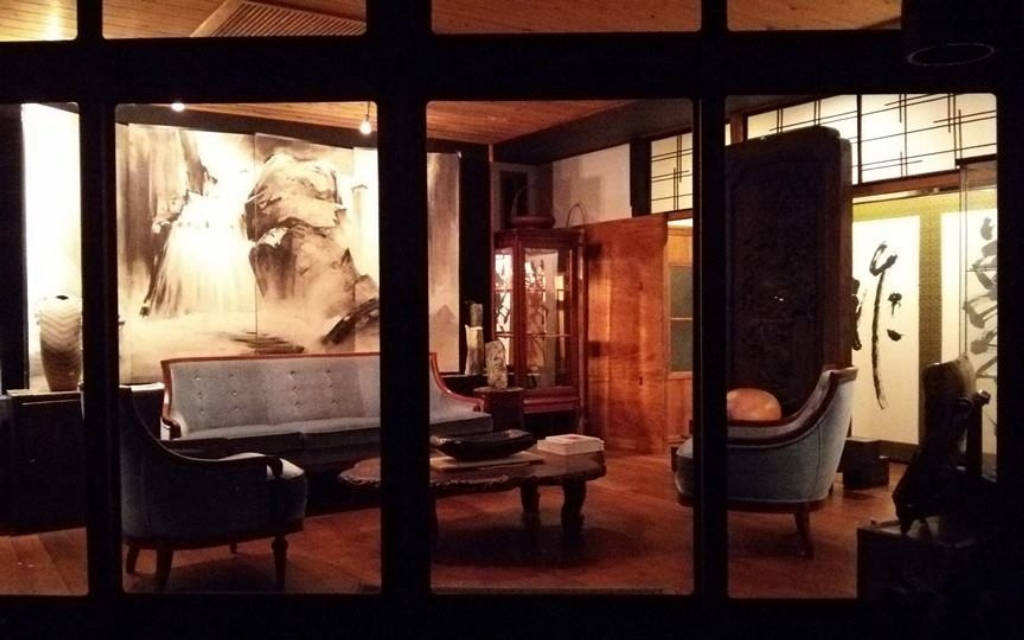
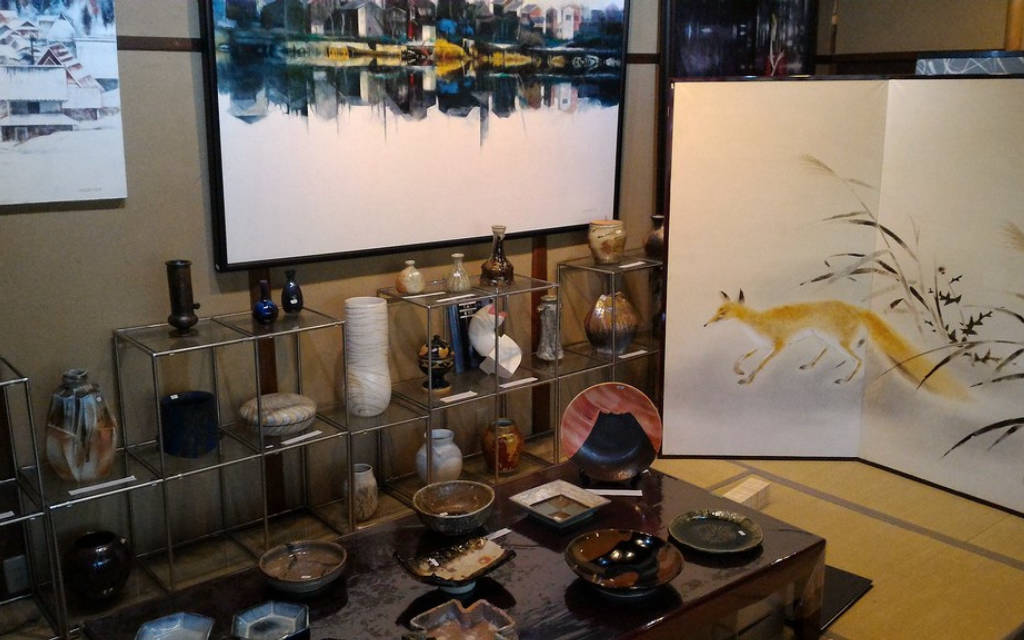
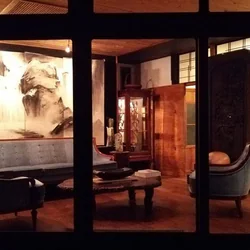
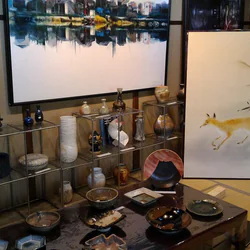
For the serious collector of Japanese art and antiques, a visit to the Robert Mangold Gallery is a must. The gallery has a wide variety of works, from Jomon to contemporary, with well-represented Japanese ceramics, teaware, painting and armor
Robert Mangold arrived in Japan more than two decades ago and quickly began working with a group of Japanese carpenters. While demolishing his house, he came across a lot of traditional Japanese furniture and antiques. He took advantage of what he could and quickly became known as a playboy in Japanese antiques and furniture. Along the way, he taught himself about Japanese antiques and learned to speak and read Japanese. His interest in antiques naturally led to an interest in Japanese art. To deepen his research, he amassed thousands of books on Japanese art, most of which were written in Japanese. As a result of this serious "doku-gaku" (self-education) display, Mangold is now one of the leading foreign experts in Japanese art and antiques. He deepens this research by attending about a dozen Japanese art and antiques auctions each month, with thousands of works each month. But, very discerning in what he buys, Mangold says: “First and foremost, I buy things that have a story behind them, something that gives them a reason to be valuable. I like things that have `` hagotai '', that's something you can get lost in. "
As a result of this serious "doku-gaku" (self-education) display, Mangold is now one of the leading foreign experts in Japanese art and antiques. He deepens this research by attending about a dozen Japanese art and antiques auctions each month, with thousands of works each month. But, very discerning in what he buys, Mangold says: “First and foremost, I buy things that have a story behind them, something that gives them a reason to be valuable. I like things that have `` hagotai '', that's something you can get lost in. “Mangold is particularly interested in Japanese (Nihonga) paintings of the 1950s. Mangold said, “This period is interesting because before World War II, Nihonga was like many Japanese arts, in there was a strong continuum from master to disciple, but during the war this whole generation of students was wiped out, so there was some kind of void. So right after the war, people picked up where they left off and started painting again in 1934. But they quickly got out of that and started going in all different directions, with thicker pigment, larger format and more textures. So, come 1952, you will see a completely different Nihonga. There isn't a specific name for it, so I just call it 50th Japanese art. However, in the late '50s, they started the Ningen Kokuho system that reveres tradition, so the brakes continued and everyone went back to 1905. So you've got a period of intense growth. really short and interested in the new, essentially spanning only a decade of the 1950s.” Of course, Mangold's collection goes beyond these outstanding paintings. He often holds thematic shows at his gallery, and he is always happy to recommend specific items or genres to satisfy collectors' wishes, if given sufficient advance warning. .
Open: Only welcome guests by appointment
Phone: +81 75-201-3497
Website: https://www.the-kura.com/catalog/