


""에 대한 모든 결과 보기

 언제든지
언제든지 
 Tiếng Việt
 English한국어
 日本語
日本語 简体中文
简体中文 Français
 Deutsch
 Español
 Italiano
 Русский


 기업 로그인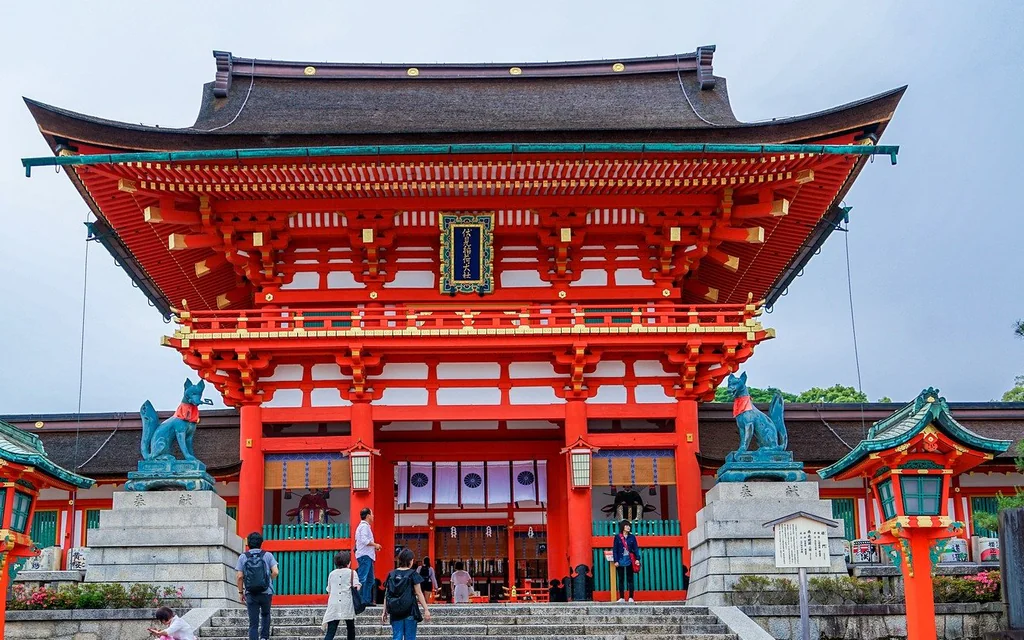
Fushimi Inari Taisha Shrine
 68 Fukakusa Yabunouchicho, Fushimi Ward, Kyoto, 612-0882, Japan
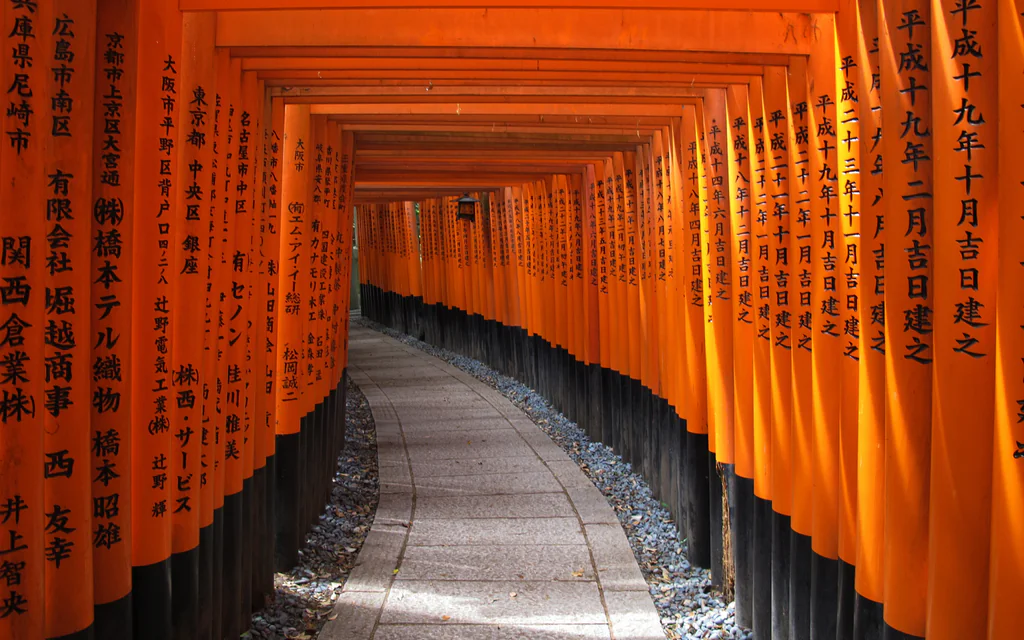
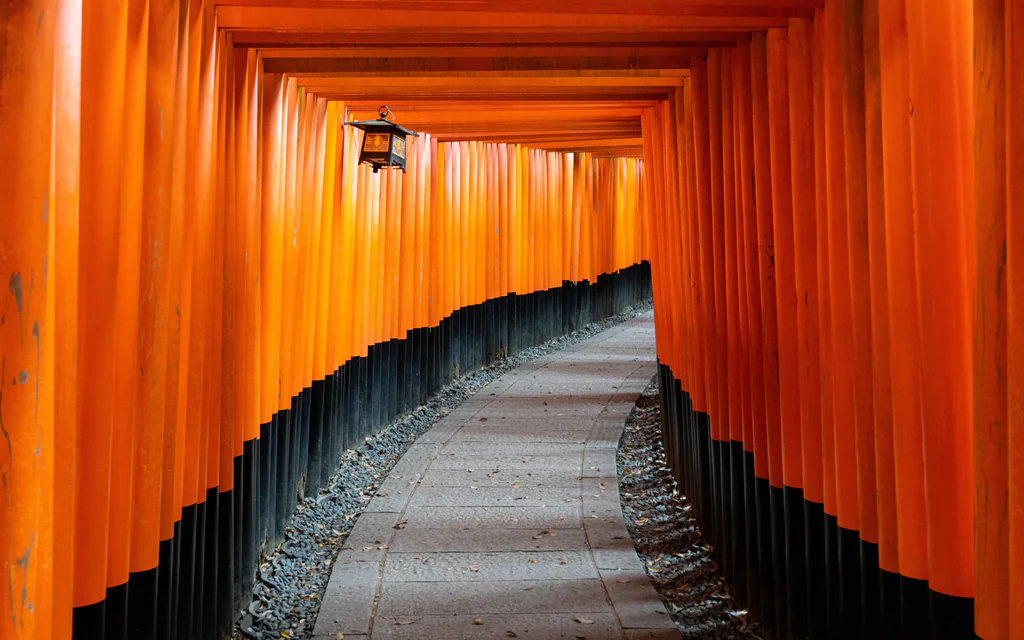
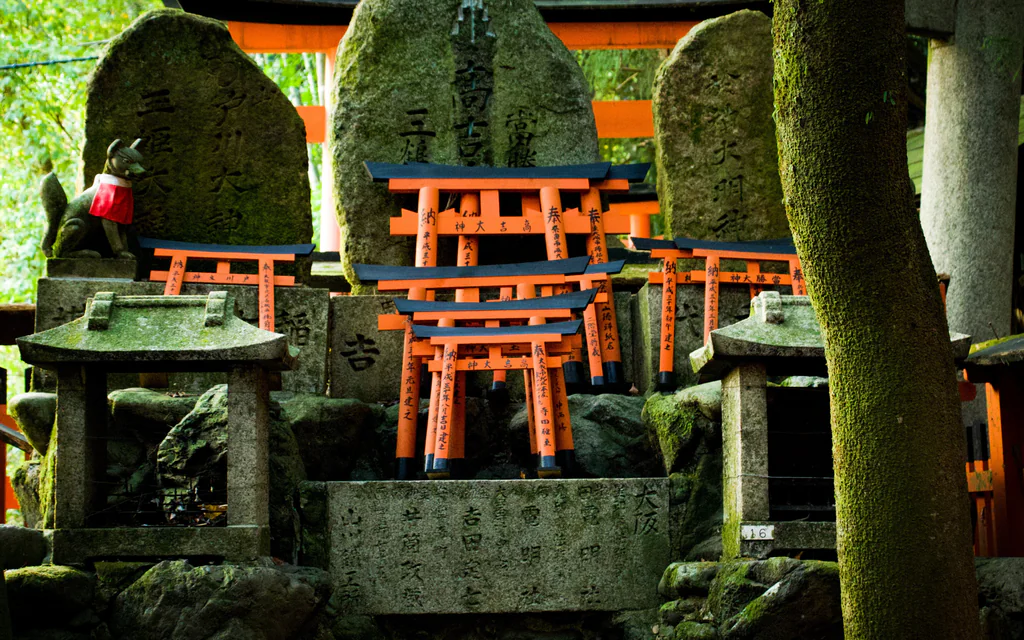
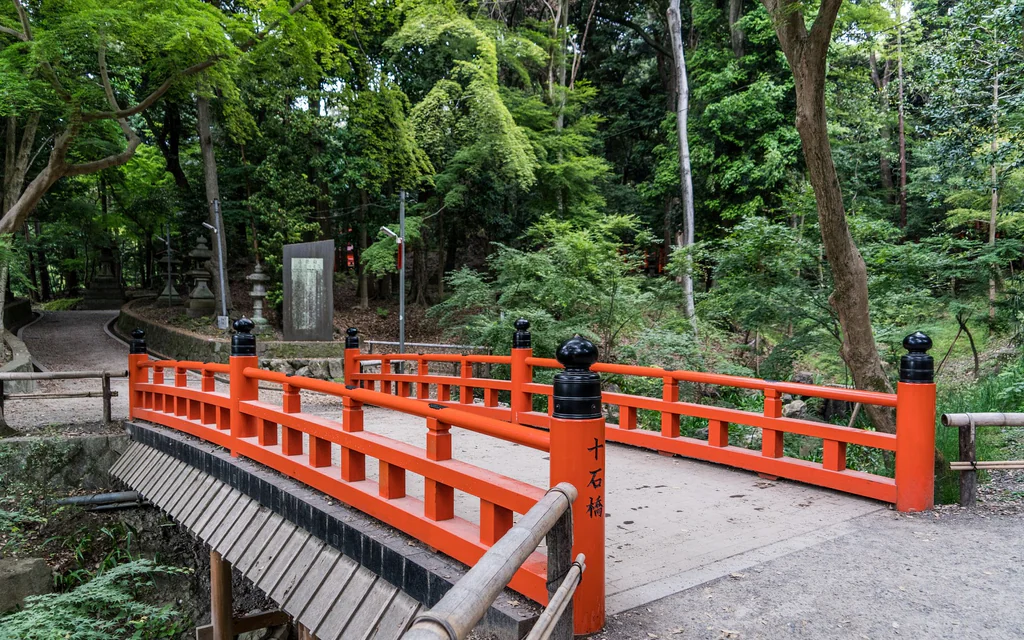
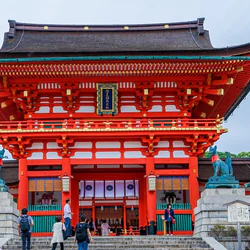
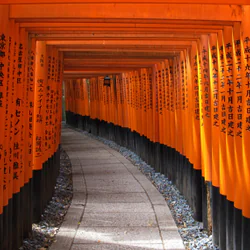
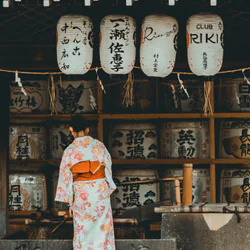
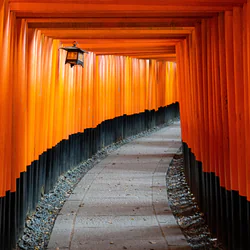
Fushimi Inari Taisha Shrine - a temple with thousands of red-orange Torii gates on the narrow path leading to the top of the mountain - is one of Kyoto's most iconic and sacred images
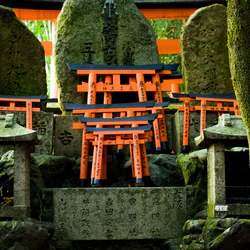
The temple was built in 711, but it was not until the Edo period (17th-18th century) that the temple really became an important landmark. During this time, Japan entered a peaceful period with a prosperous economy. People began to expand the concept of "good harvest" to include "prosperous business". Therefore, shrines to the god Inari (the god of rice) began to attract many business owners and merchants to pray for smooth business. The vermilion Torii Gates were the offerings brought and built by these merchants as tributes, as well as thanks for their prayers being fulfilled.
The red color of the gates has a special meaning to the Shinto religion, it can prevent and ward off evil spirits and diseases, as well as protect people from misfortunes and good luck.
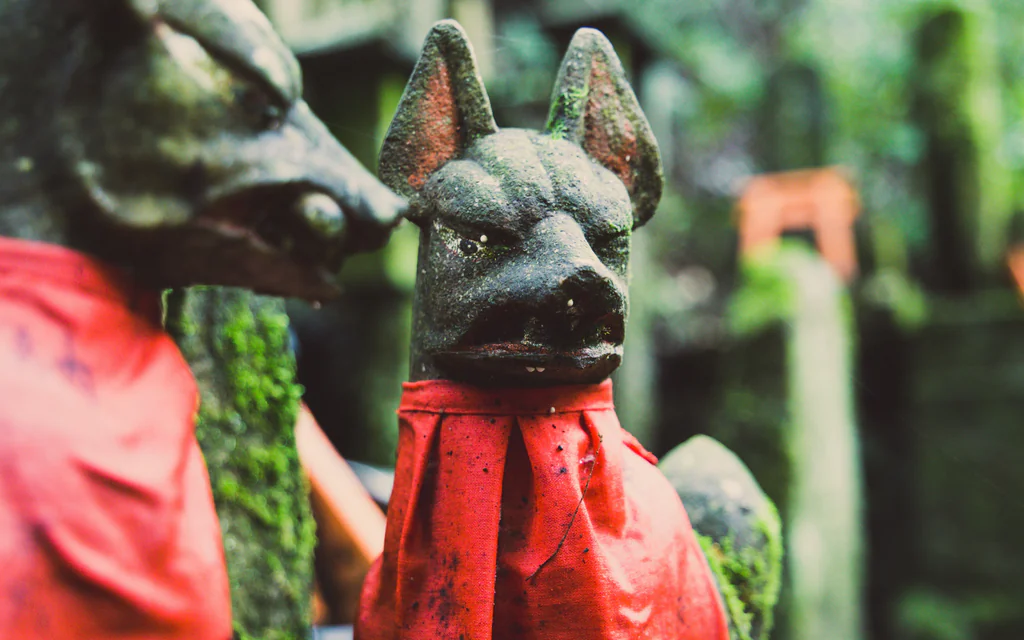
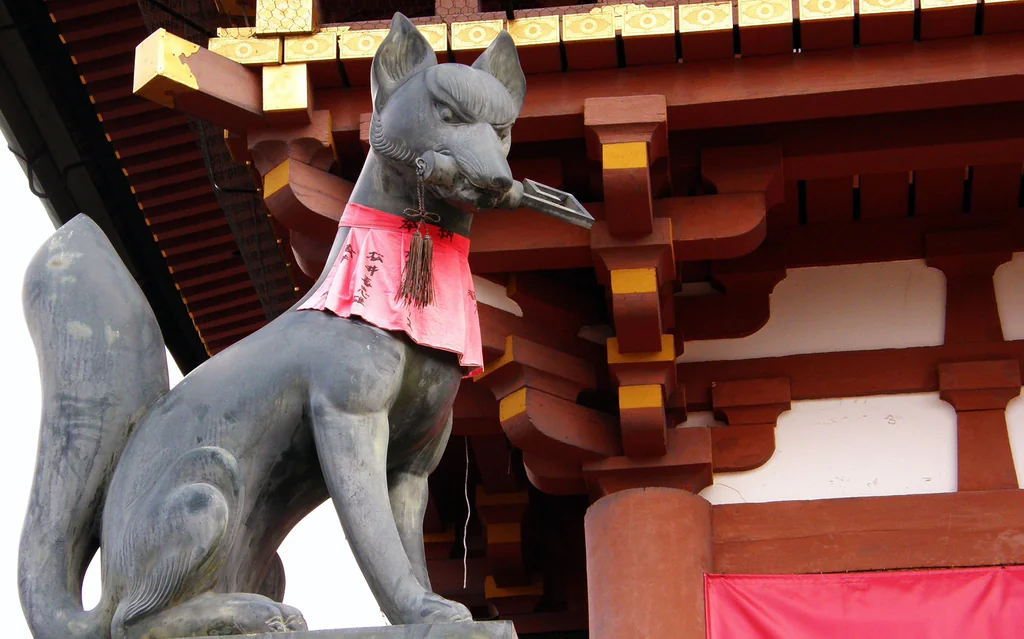
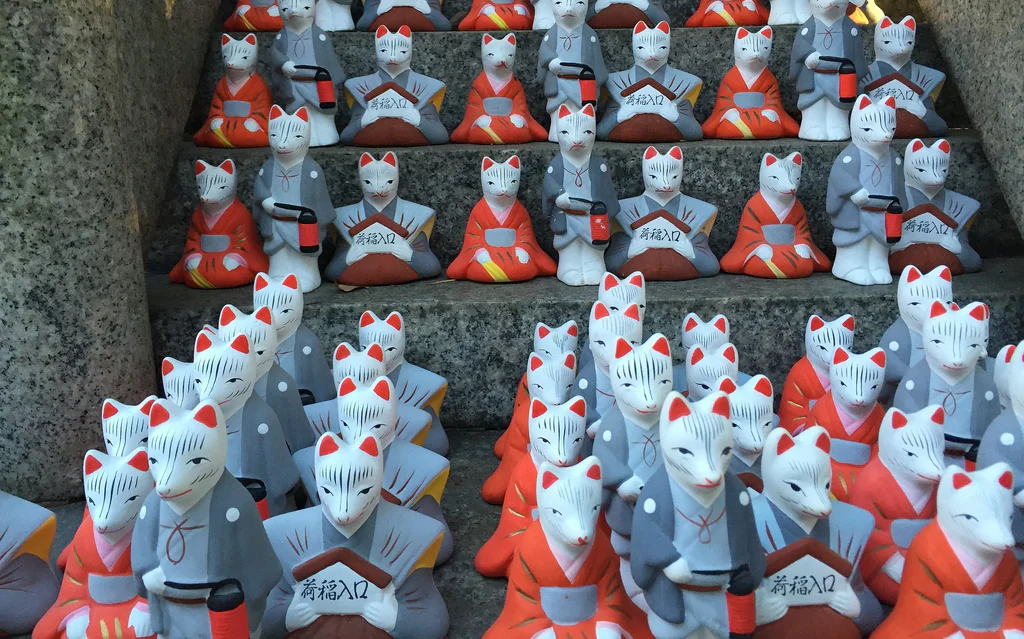
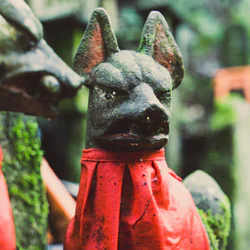
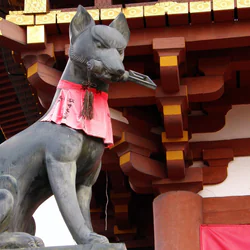
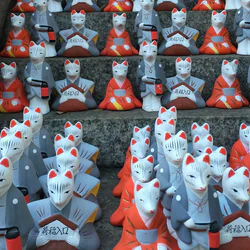
Another symbol of the Fushimi Inari Taisha shrine are the foxes. Foxes are considered messengers of the god Inari and the statues often hold a key in their mouths. This is considered the key to open the rice warehouse or the jewel symbolizing the spirit of the gods. There are also figurines of foxes holding scrolls, with the meaning that foxes will bring wisdom to the recipient
Opening hours: 24 hours
Ticket price : Free