


 Tiếng Việt
 English한국어
 日本語
日本語 简体中文
简体中文 Français
 Deutsch
 Español
 Italiano
 Русский


앙카라 성(칼레시)
 Kale, 06240 Altındağ/Ankara, Turkey
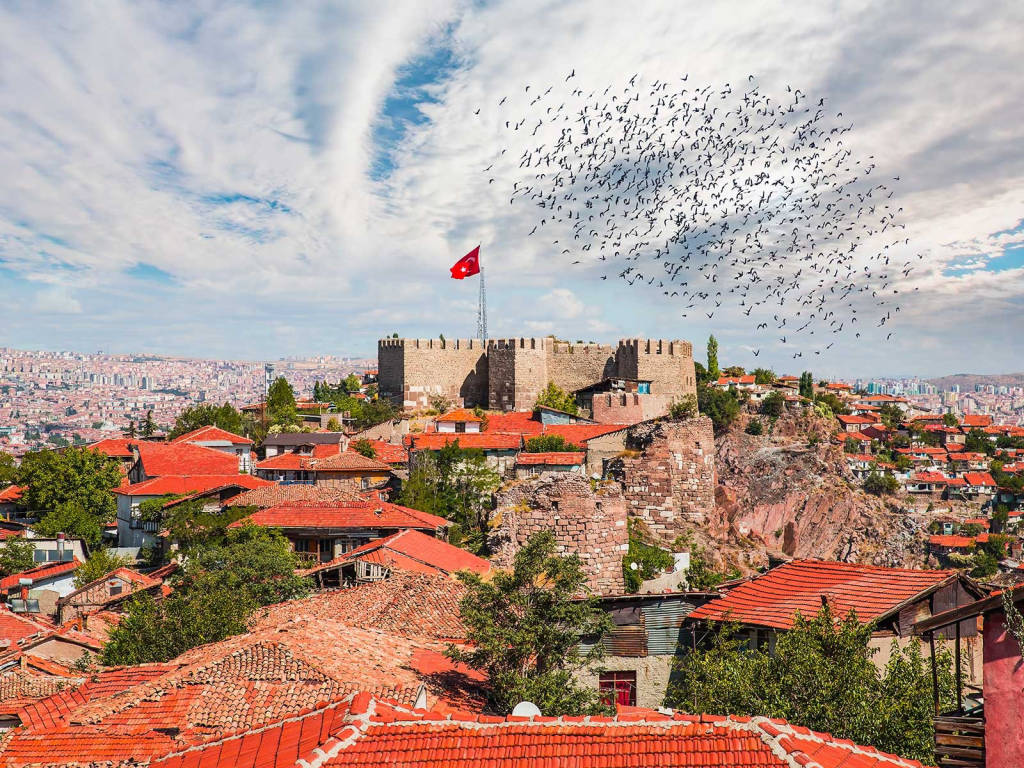
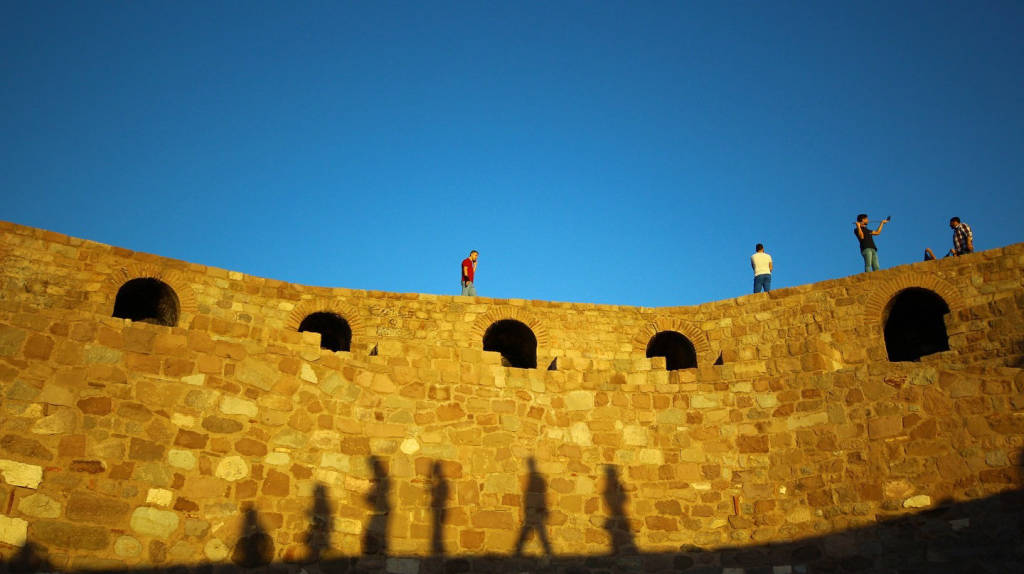
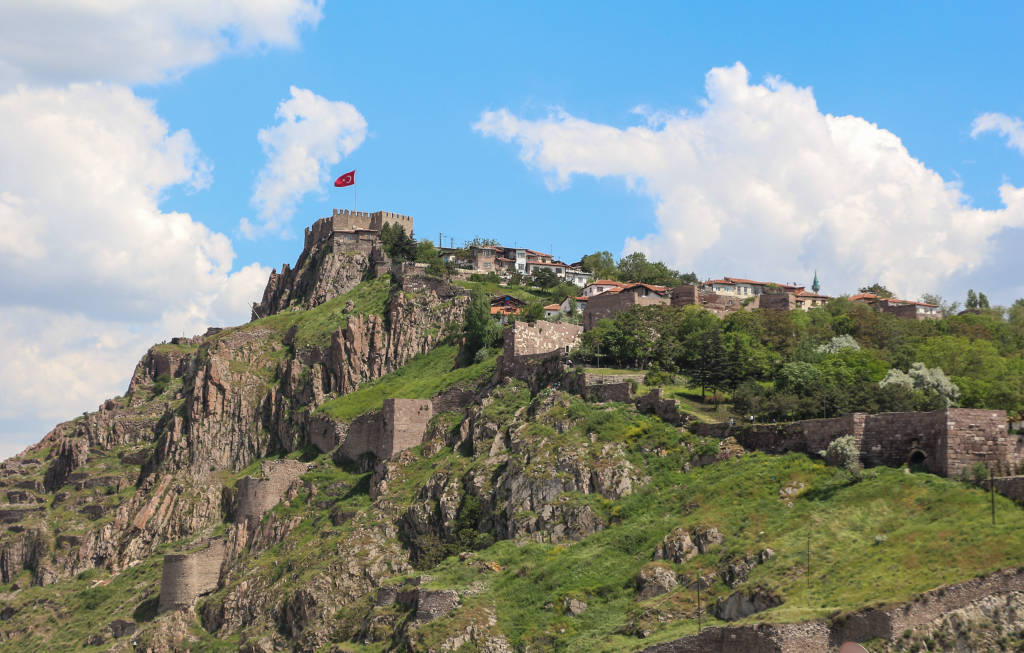
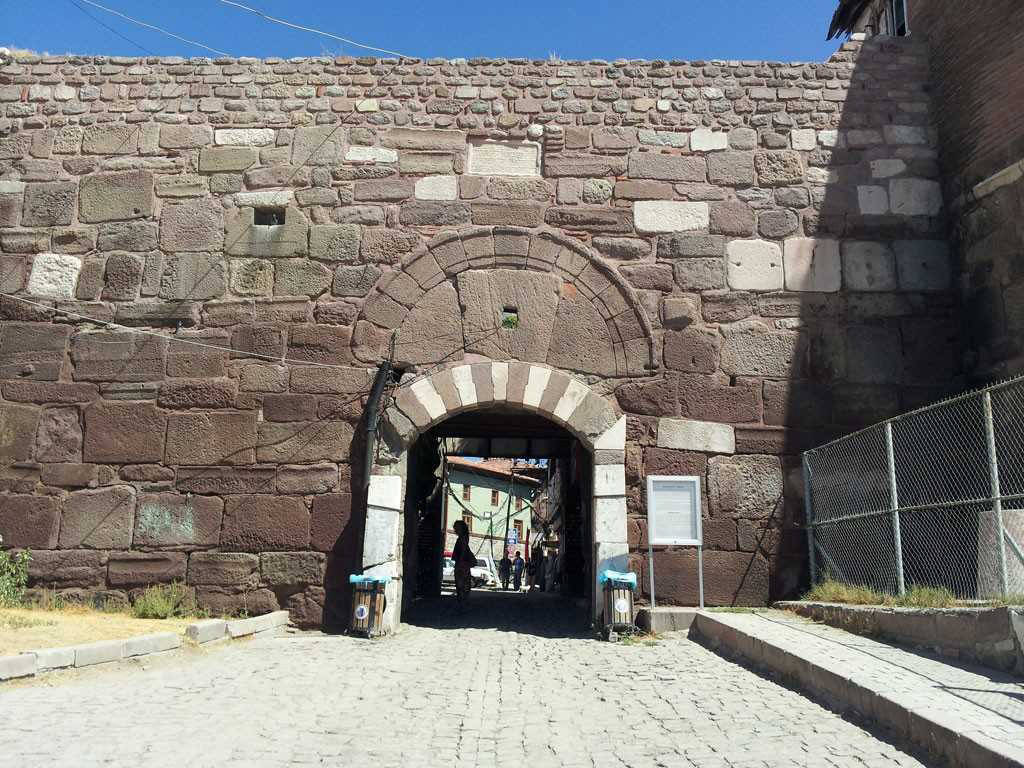
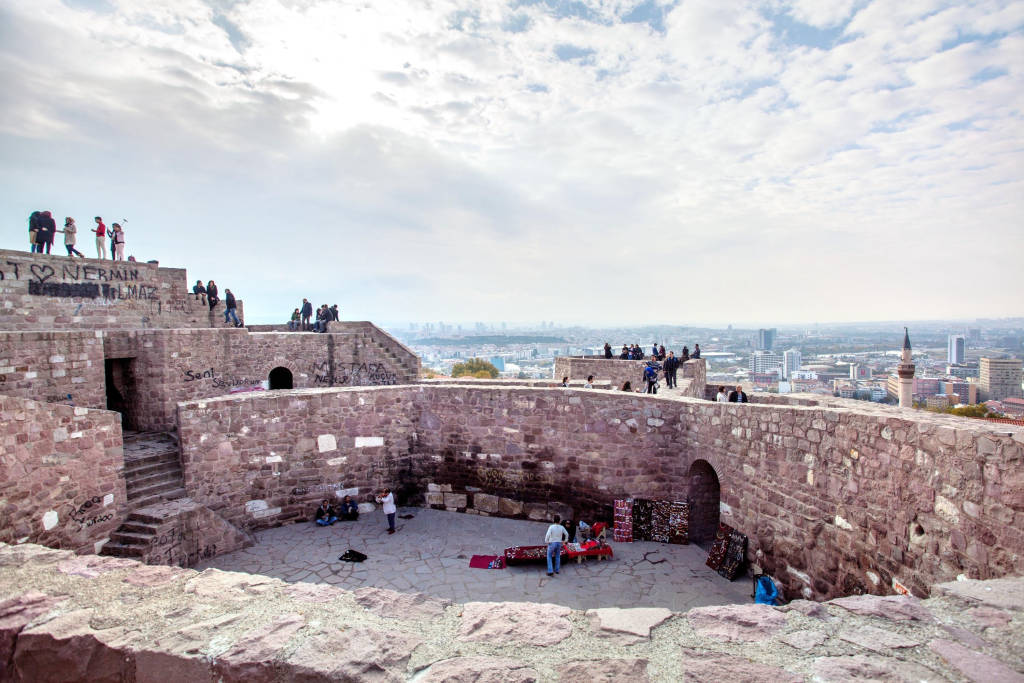
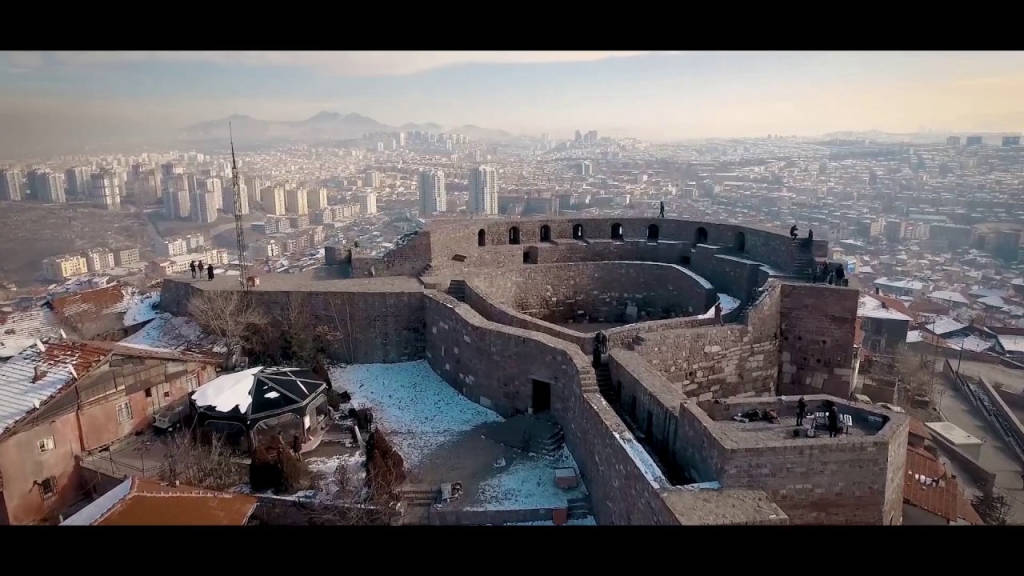
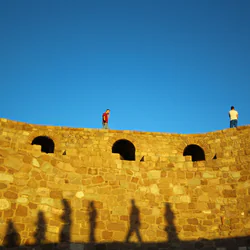
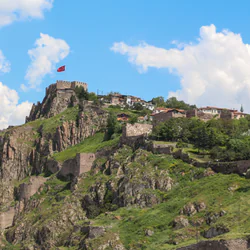
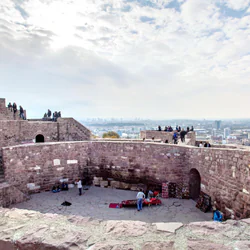
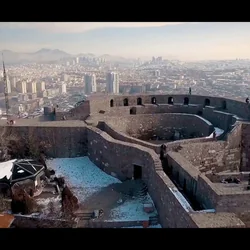
책에서 보는 동화 속 성과는 달리, 앙카라 성은 규모가 훨씬 크고 본래 군사 요새로 사용되었습니다. 오스만 제국 시대에 건설된 이 성은 거대한 네 성벽 위에 웅장한 고층 탑들이 솟아 있으며, 성을 따라 여러 단계에 걸쳐 42개의 오각형 탑이 세워져 있습니다. 성 정상까지 오르는 것은 꽤 힘든 운동이 될 수 있지만, 정상에서 바라보는 멋진 경치는 그만한 가치가 있습니다. 성 안에는 다양한 기념품을 파는 수많은 작은 노점들이 즐비한 활기 넘치는 시장도 있습니다.
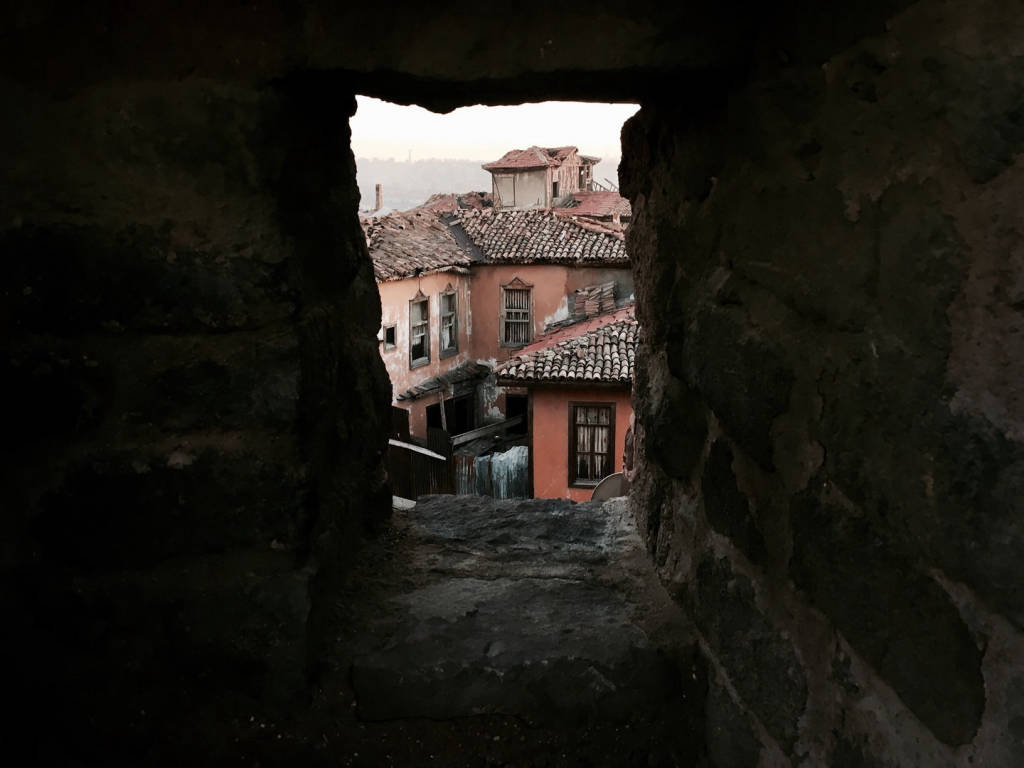
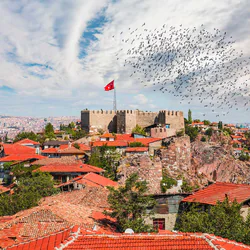
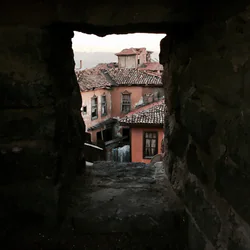
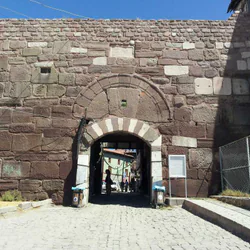
앙카라 성은 터키 수도에서 가장 오래된 명소 중 하나로, 로마 제국, 셀주크 제국, 오스만 제국 시대까지 거슬러 올라가는 역사를 자랑합니다. 성을 감상하는 것만으로도 건축물의 역사를 엿볼 수 있어 관광객과 현지인 모두에게 인기 있는 명소입니다. 정확한 건축 연대는 알려지지 않았지만, 기원전 1600년경 아나톨리아 중북부를 지배했던 고대 제국인 히타이트족이 앙카라에 주둔하면서 성을 건설했다는 설도 있습니다. 그러나 이를 뒷받침할 고고학적 유물이 부족하기 때문에, 앙카라 성은 로마, 비잔틴, 셀주크 시대에 걸쳐 여러 차례 개보수를 거치면서 지어진 것으로 보는 것이 일반적입니다. 성은 언덕 꼭대기에 자리 잡고 있어 도시와 앙카라의 유서 깊은 옛 가옥들의 붉은 기와지붕을 내려다볼 수 있습니다. 또한, 고대 도시 외곽에는 20개의 망루가 있는 외벽이 방어벽 역할을 하며 성을 보호하고 있습니다. 성곽 내부의 주요 부분은 약 43,000km² 면적에 걸쳐 있으며, 높이 14~16m의 성벽 위에 세워진 오각형 탑 42개가 있습니다. 아칼레 또는 알리타시로 알려진 성의 가장 높은 지점은 남동쪽 모퉁이에 위풍당당하게 자리 잡고 있습니다. 두 개의 성 입구 중 하나에는 일칸국(몽골 제국의 남서부 지역) 시대의 비문이 새겨져 있으며, 성의 북서쪽 부분에는 셀주크 제국 시대의 문자가 남아 있습니다. 외벽은 세월이 흐르면서 손상되었지만, 성 내부는 대체로 온전하게 보존되어 있습니다. 8세기와 9세기의 침략 당시, 성 안에 있던 로마 건축물의 잔해가 복원에 사용되었으며, 성의 남쪽 면에는 대리석 블록과 기둥머리가 여전히 남아 있습니다. 실제로 이 성은 기원전 2세기 갈라타(앙카라 인근 지역) 침략을 시작으로 수많은 침략을 겪으며 여러 차례 보수 및 개보수를 거쳤습니다. 서기 217년, 로마 황제 카라칼라는 성벽을 보수했고, 222년부터 260년까지 페르시아가 세베루스 알렉산더 대왕을 물리친 후 성은 거의 완전히 파괴되었습니다. 7세기에 로마인들은 다시 한번 성을 재건했고, 688년에는 콘스탄티누스 대제가 도시의 새로운 경계를 따라 새로운 외벽을 건설했습니다. 1073년에는 셀주크 제국이 성을 점령했고, 오스만 제국 시대인 1832년에는 막툴 파샤의 아들 이브라힘 파샤가 성을 복원했습니다. 오늘날 이 성은 각 시대의 흔적이 고스란히 남아 있는, 서로 다른 역사적 시대가 어우러진 모습을 보여줍니다. 성벽 안쪽에 있는 앙카라의 옛 가옥들 또한 나무, 진흙 벽돌, 기와로 지어져 아름다운 자태를 자랑합니다. 성에서 바라보는 옛 앙카라와 현대 앙카라의 대비는 정말 인상적이며, 특히 웅장한 수도 앙카라의 석양을 감상하기에 더할 나위 없이 좋은 장소입니다. 운영 시간: 매일 오전 10시부터 - 입장료: 무료 주소: Kale, 06240 Altındağ/Ankara, Turkey