


""에 대한 모든 결과 보기

 언제든지
언제든지 
 Tiếng Việt
 English한국어
 日本語
日本語 简体中文
简体中文 Français
 Deutsch
 Español
 Italiano
 Русский


 기업 로그인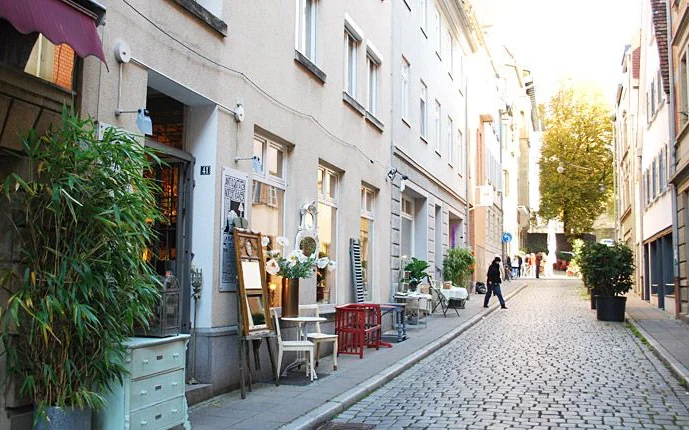
bean quarters
 Rosenstraße 27A, 70182 Stuttgart, Germany
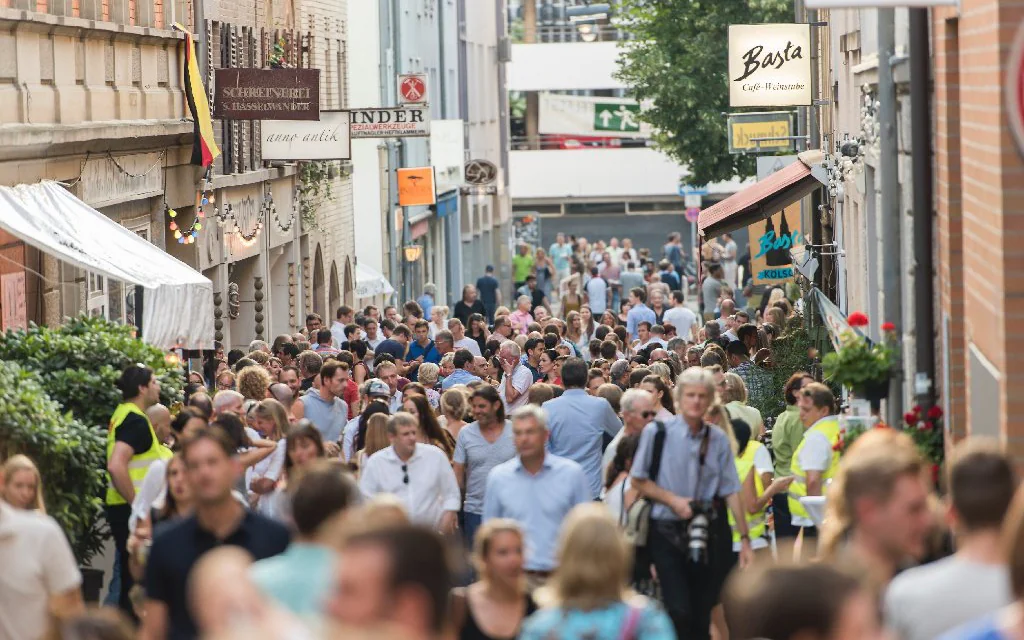
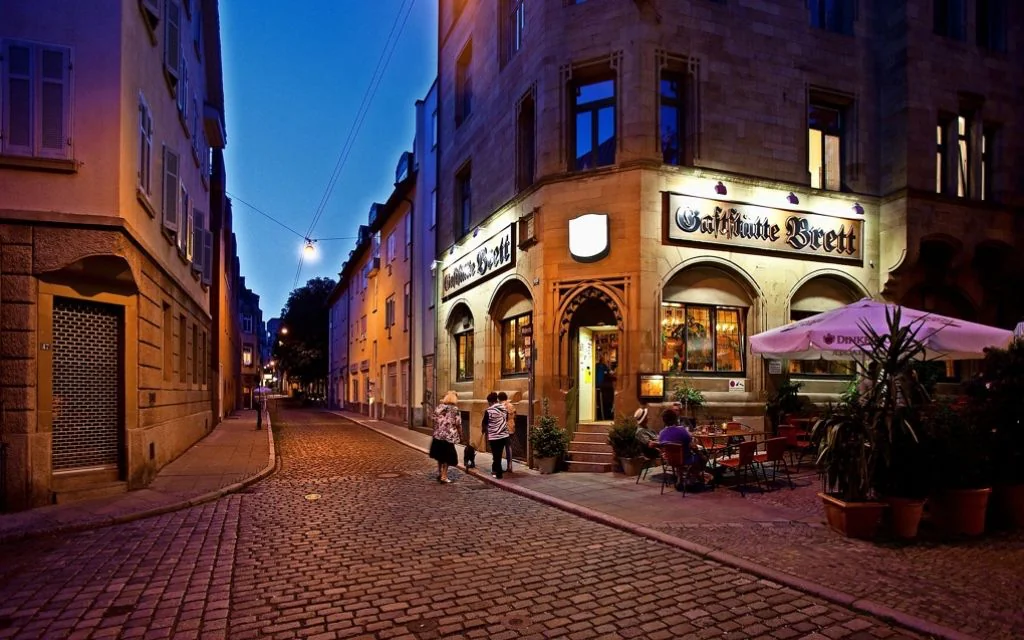
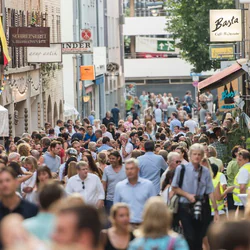
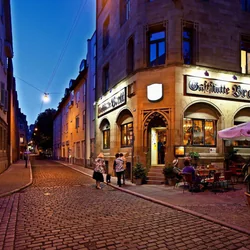
“Antique shops, artist studios, cozy cafes and rustic pubs – Bohnenviertel is a neighborhood packed with charm and history”
In 1392 Count Eberhard III of Württemberg returned from a journey to Prague with the idea of expanding the city. Based on the design of the recently completed Prague New Town, the southern suburb of Stuttgart has been expanded by the addition of a central business district, Hauptstätter Strasse, named after the nearby execution site (Enthauptung means Beheading).
Leonhardsvorstadt was completed around 1415. This is where craftsmen depended on the Nesenbach creek for water - tanners, dyers, butchers, for example - or those who used fire in the meantime. The production could be dangerous for the close-knit buildings in the center of the city, for example bricklayers, blacksmiths or potters, who had to fire their clay pots.
The area was then inhabited by poor laborers whose diet consisted mainly of beans, which thrived on Keuper land. Therefore, the neighborhood was named “Bohnenvierte”, which means Bean Quarter. Beans are planted in the back gardens and between houses, or - with official permission - even hung around the house as garlands. There are many traditions, songs and rhymes associated with beans. At the end of the 19th century, the shortage of living space in Stuttgart was enormous. The houses are built on every available site. The gardens of the Bohnenviertel were thus replaced by rows of houses, where merchants settled.
In 1970, the townspeople expressed a desire to preserve the neighborhood as a typical inner-city area where people could live and work. Experts endorsed the idea and in 1976 another competition was announced with the aim of modernizing and preserving the Bohnenviertel without destroying its unique, distinctive character. The importance is placed on maintaining the urban fusion of living and working, preserving the existing old buildings as much as possible and creating new ones that merge with the structures that have evolved over the years. many years. The redevelopment project was completed in the early 1990s and is considered a prime example of successful redevelopment of developed areas in key inner city locations.
Today, the Bohnenviertel is known as a historic Stuttgart that has been around since the 14th century. The bean district is now a great place to stroll around and enjoy a meal or drink. The shops here are also quite different from the shops in the city center. Second-hand bookstores, antique shops, galleries, jewelry and craft stores are a treasure trove for anyone looking for a unique souvenir.