


See all results for ""

 Anytime
 Tiếng ViệtEnglish
 日本語
日本語 한국어
한국어 简体中文
简体中文 Français
 Deutsch
 Español
 Italiano
 Русский


 Login for Corporates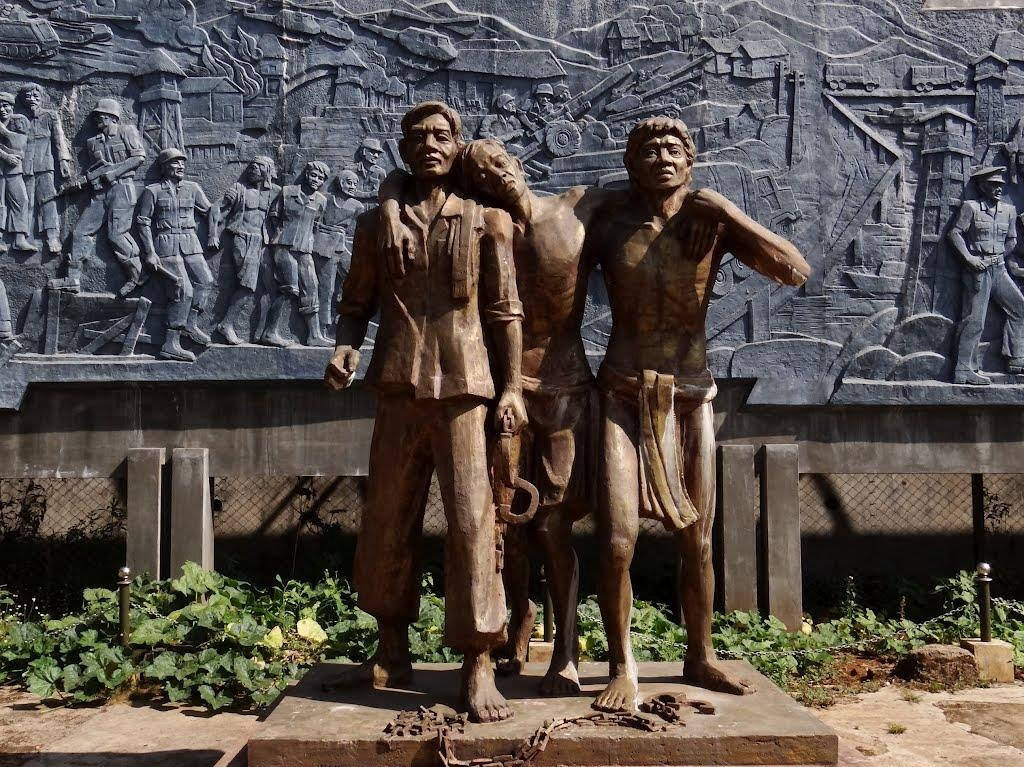
Pleiku Prison
 Nhà Tù Pleiku, Phường Diên Hồng, Thành phố Pleiku, Gia Lai, Việt Nam.
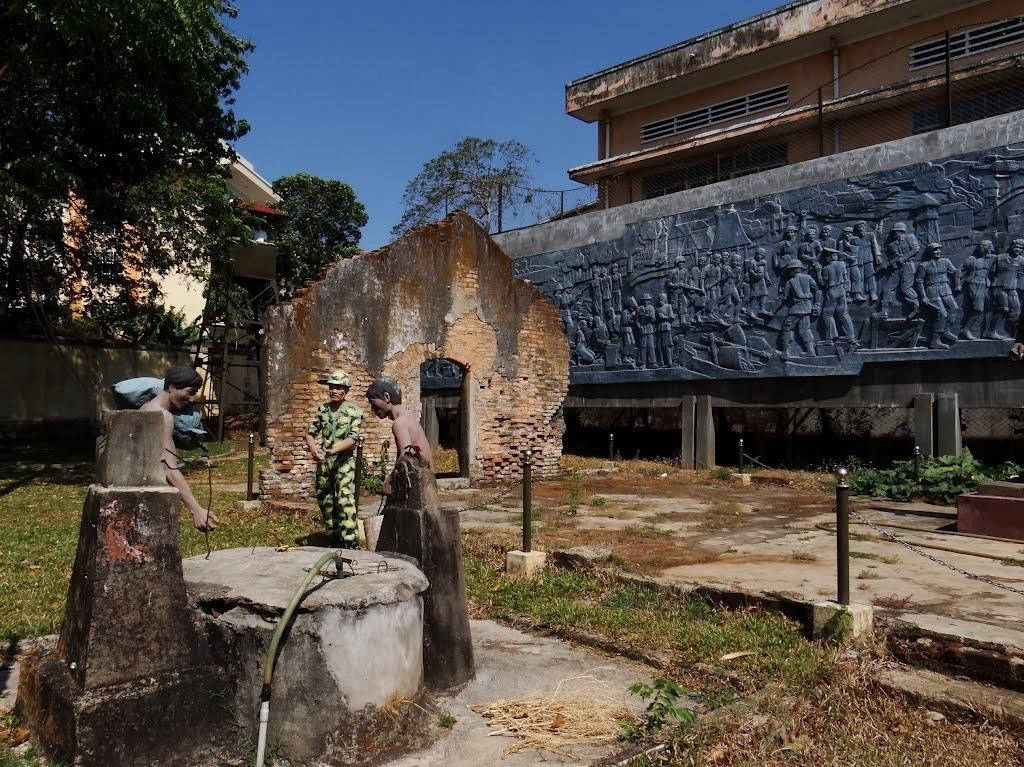
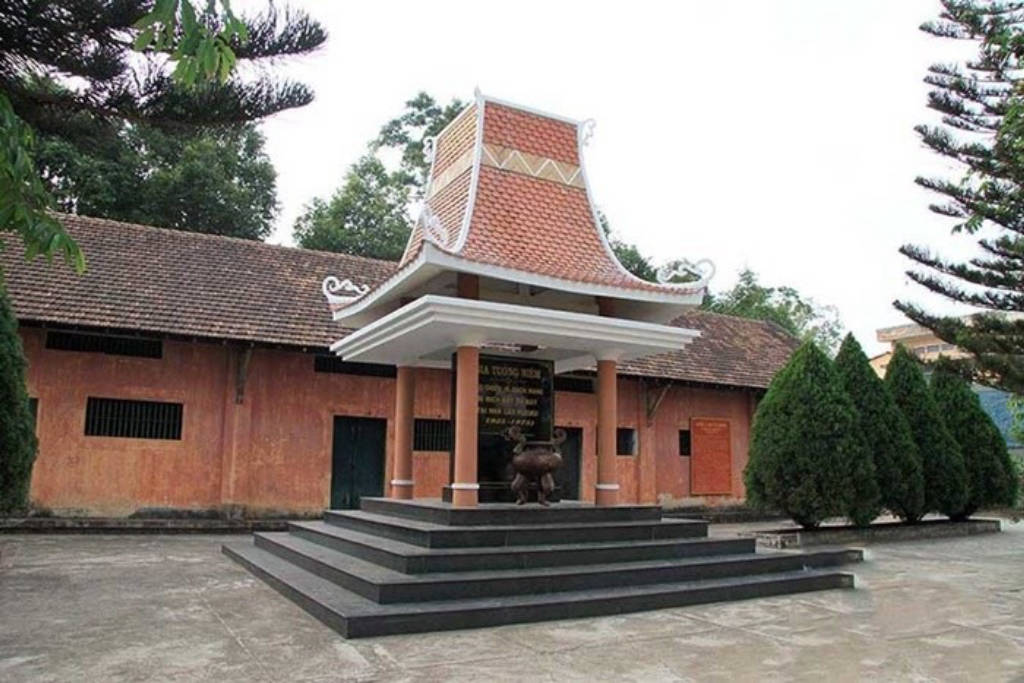
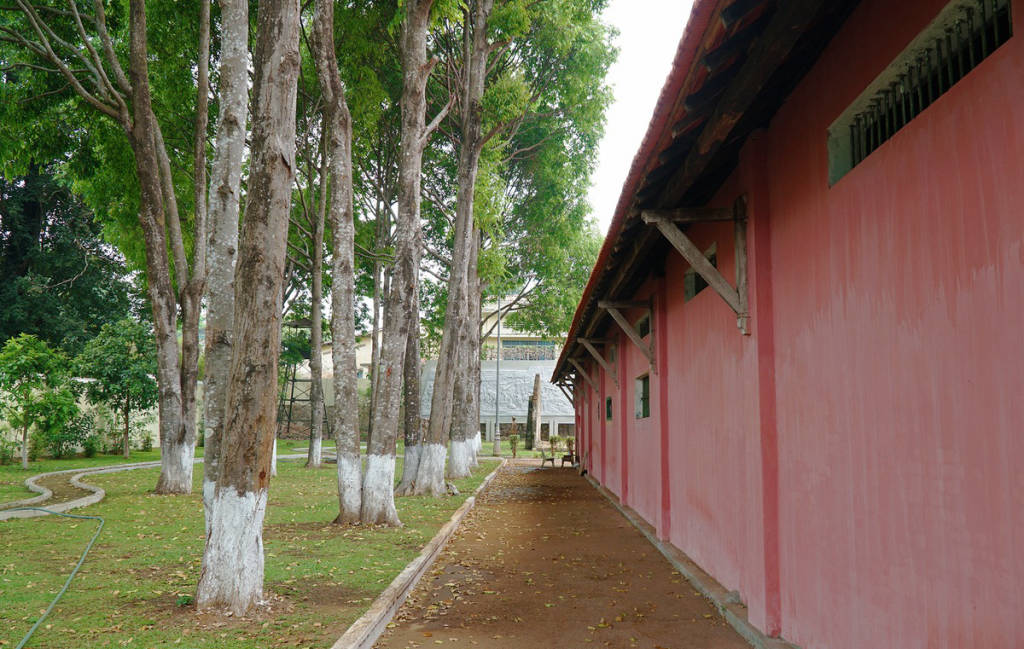
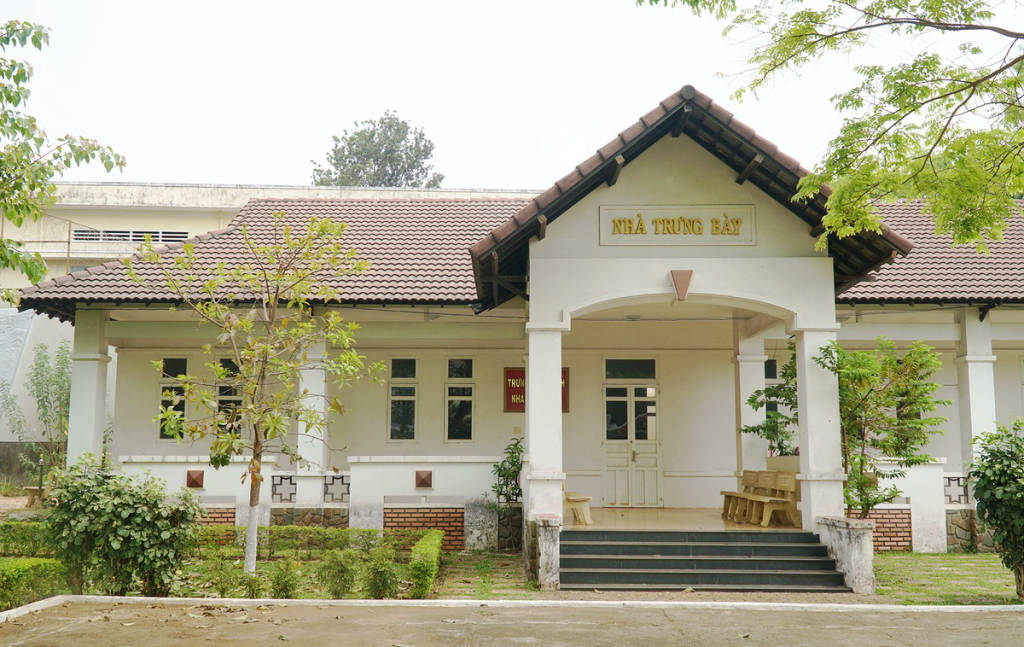
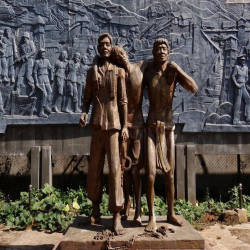
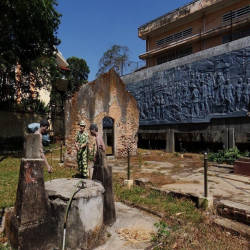
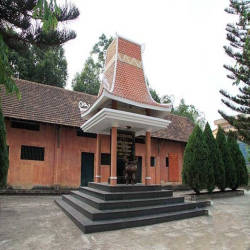
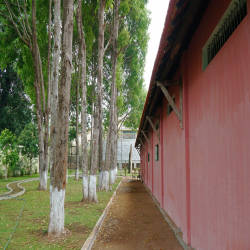
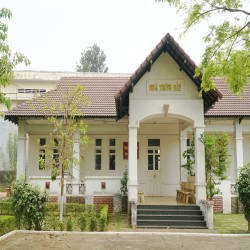
Pleiku Prison is located in the area of Pleiku Chamber of Commerce, Gia Lai Province. The prison was known as a place to hold political prisoners before 1975, with many forms of cruel and cruel torture, and also showed the resilient spirit and indomitable patriotism of the Central Highlands people in two wars. war against France and America.
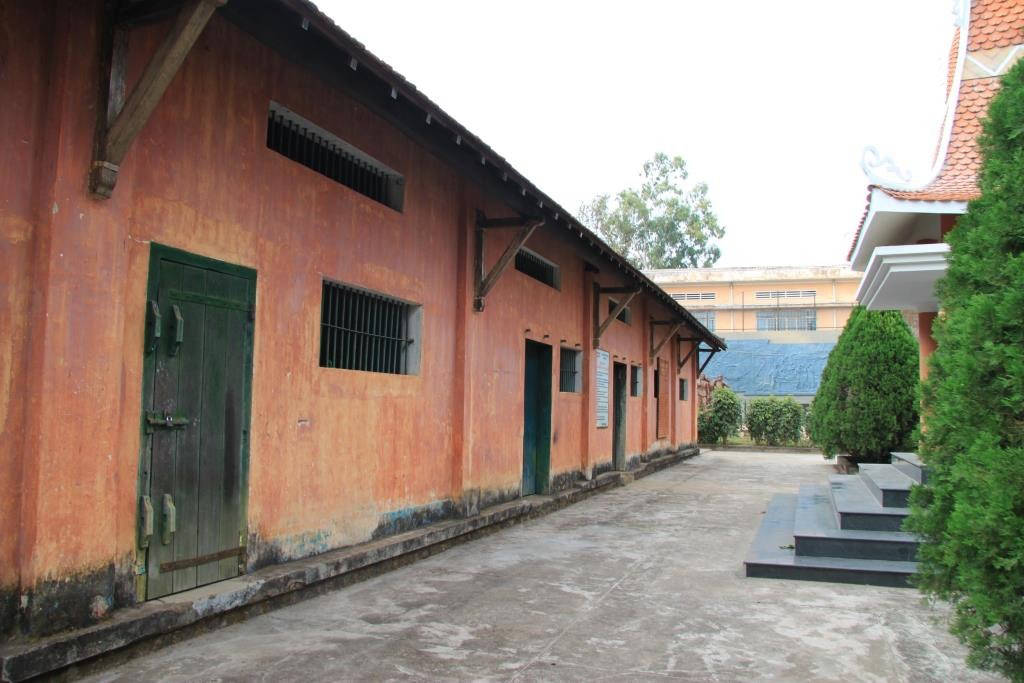
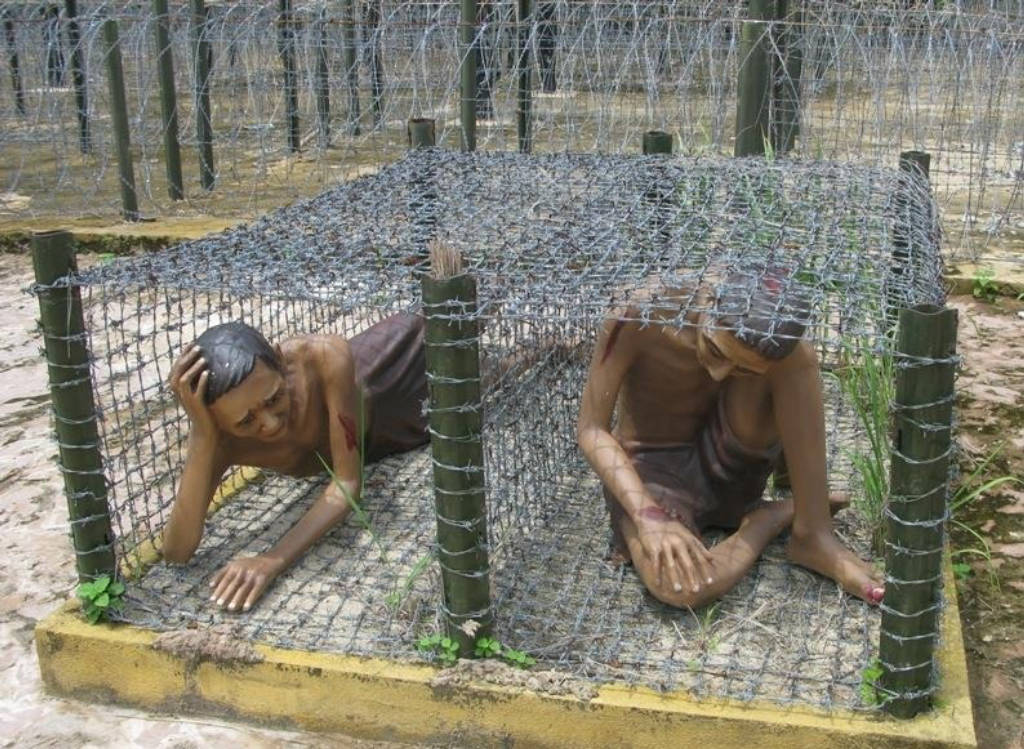
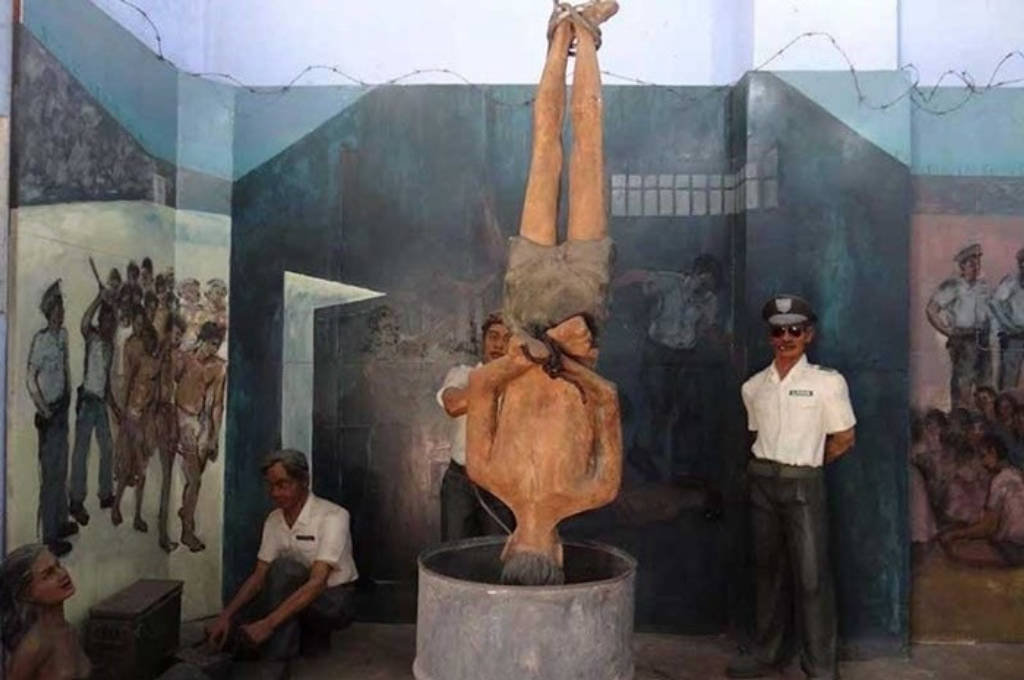
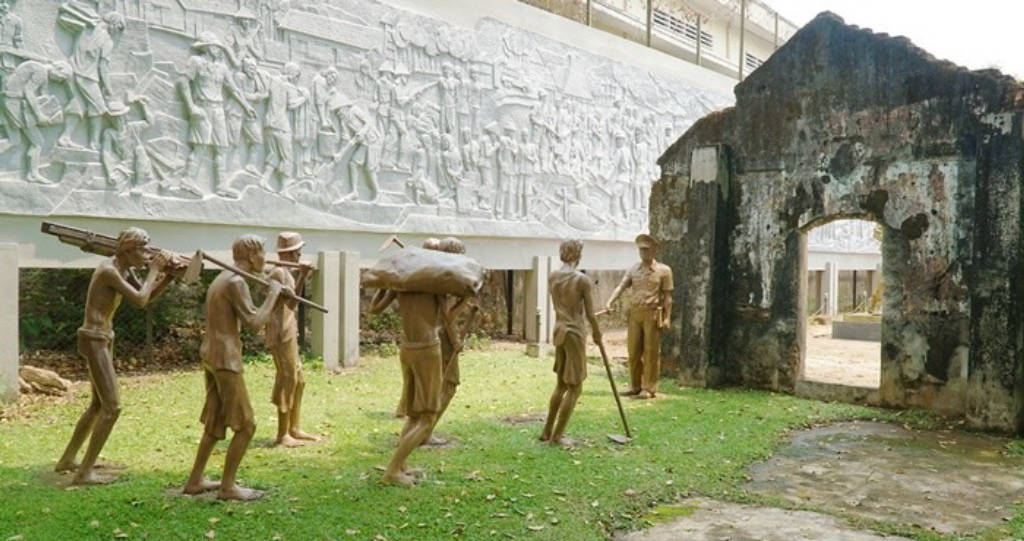
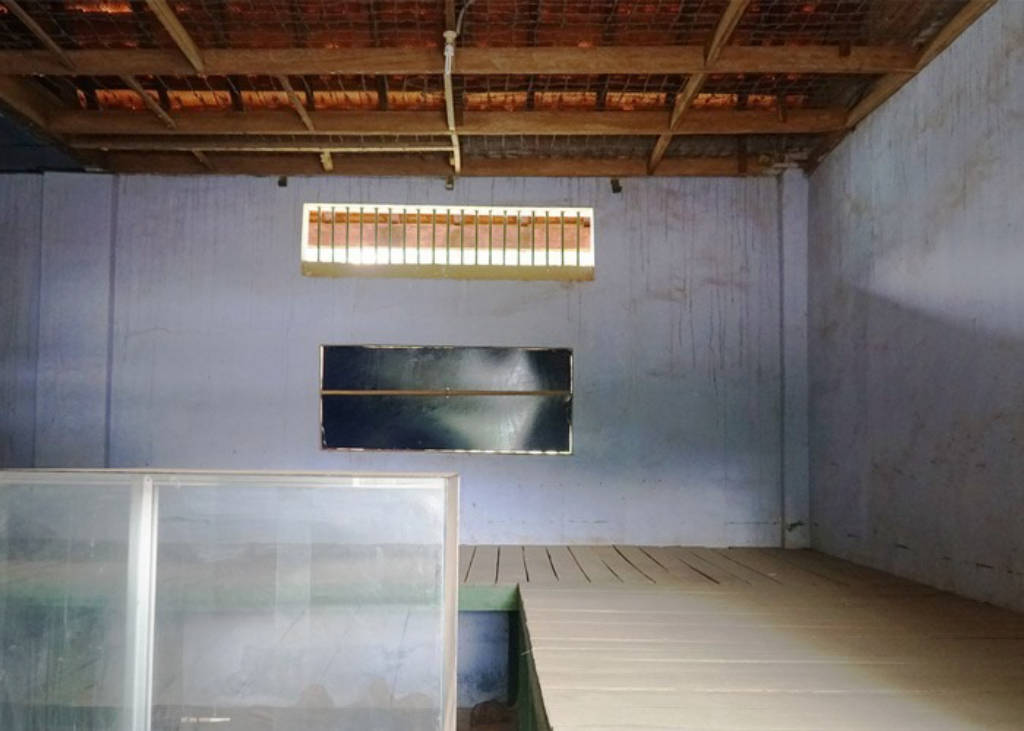
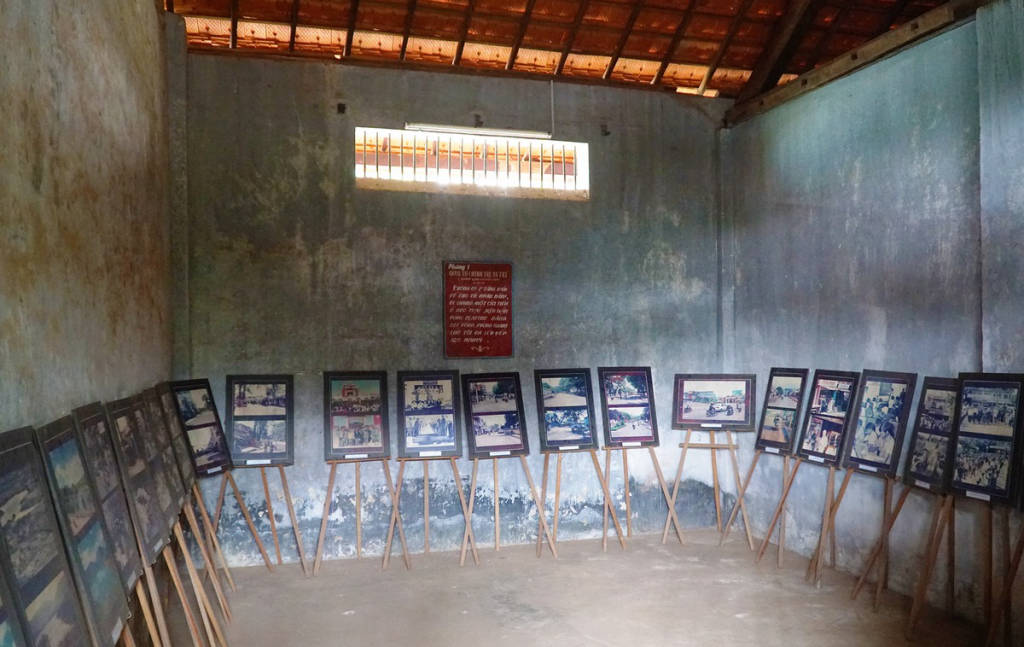
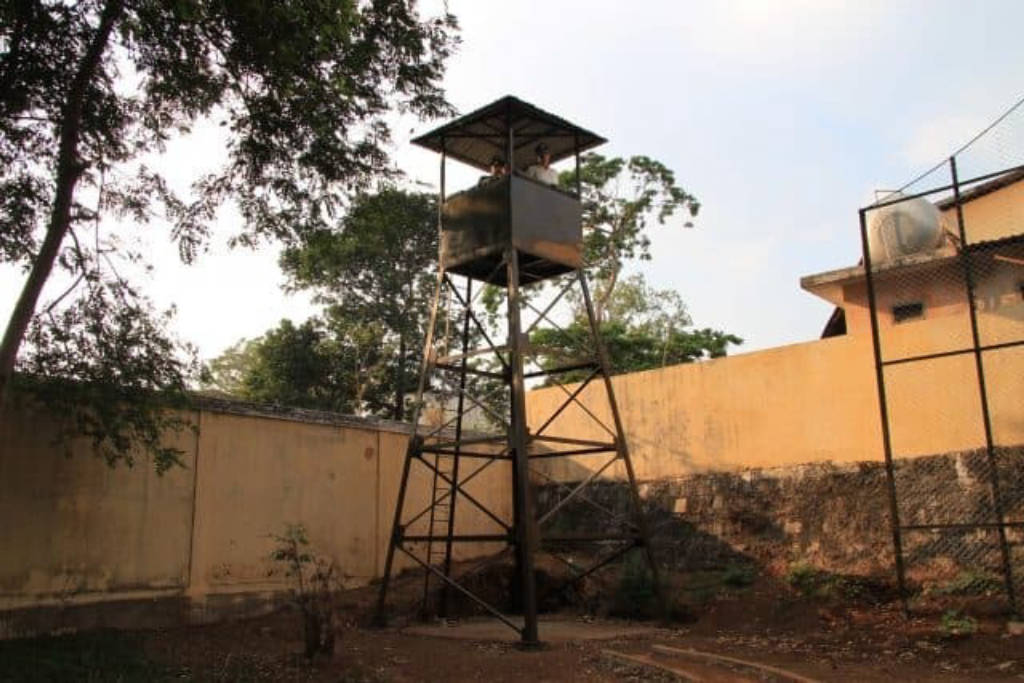
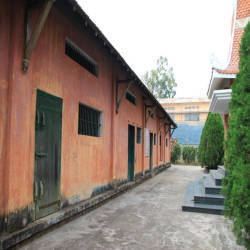
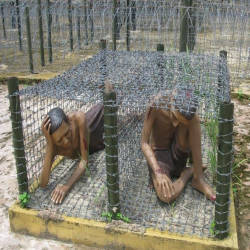
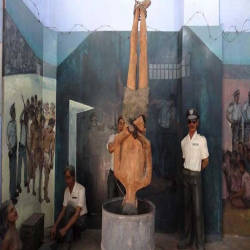
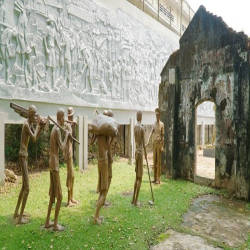
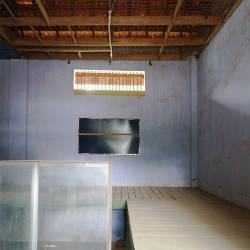
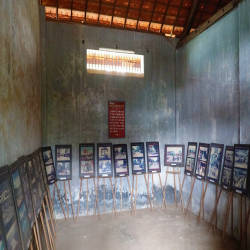
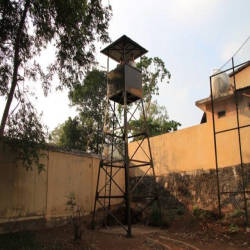
Pleiku prison was built by the French in 1925 on a high hill in Yet Kieu street, Dien Hong ward, Pleiku city, Gia Lai. The area of the prison camp is about 7 hectares, surrounded by 3 m high walls with solid barbed wire fences. In the northwest and southwest corners, there are two guard posts with armed soldiers on duty 24/24, the east has a guardhouse. The prison has a total of 20 cells and is divided into 5 types of rooms: room 1 holds political prisoners who are ethnic minorities, room 2 holds military prisoners, room 3 holds public service prisoners, and room 4 holds political prisoners. common offenders, especially room 5 holds the most dangerous political prisoners. Room 5 is divided into 8 cells, each cell is 1.6m wide and 2m long. Out of these 8 cells, there are 2 "cells" also known as "chatter cells", only about half a meter wide, where the communists were imprisoned, which the French colonialists considered dangerous. Each shack has a wooden plank divided into 2 floors, making people trapped below do not know day or night, dark, lack of air to breathe, often fainting. With this special chamber, the prisoner's body was inside, his feet were cuffed out the door, the daily form of torture was to hit the soles of the feet with wooden sticks. Initially, the prison was built by the French colonialists simply to house the Central Highlands ethnic minorities who opposed the oppressive and exploitative regime, but after the 1940s, the national revolution broke out. Pleiku moved to detain political prisoners, revolutionaries, patriots. During the resistance war against the US, the US imperialists still used Pleiku prison as a place to hold political prisoners. During the Central Highlands campaign on March 15, 1975, the prisoners in the Pleiku prison broke out and organized a section to go to the outskirts to welcome a revolutionary army from Tra Ba junction to join the local militia. liberating Pleiku town. After 1975, Pleiku Prison was renovated by the local government into a place to educate the young generation in patriotism and pride in national traditions. And on December 12, 1994, the prison was recognized as a national historical relic by the state. Coming to Pleiku prison, visitors will be able to witness first-hand the types of torture reconstructed, along with the heroic speeches of the local guide that will surely increase their pride. the emotions in the hearts of every Vietnamese when coming here.
Address: Pleiku Prison, Dien Hong Ward, Pleiku City, Gia Lai, Vietnam.