


 Tiếng Việt
 English
 한국어
한국어 日本語
日本語 简体中文
简体中文 Français
 Deutsch
 Español
 Italiano
 Русский


 Đăng nhập cho Doanh nghiệp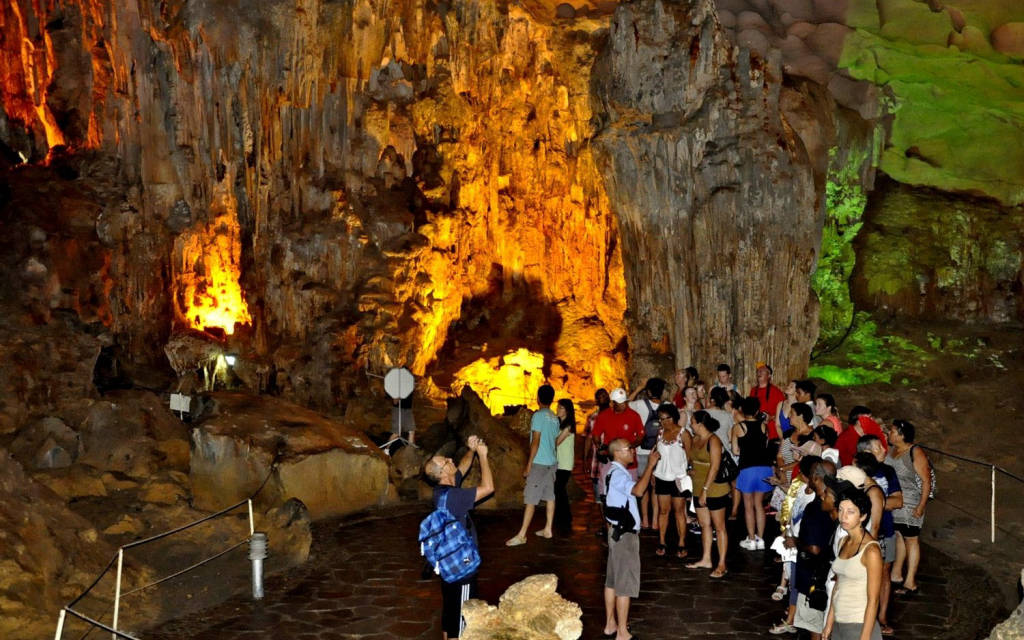
Động Thiên Cung
 Hạ Long - Việt Nam
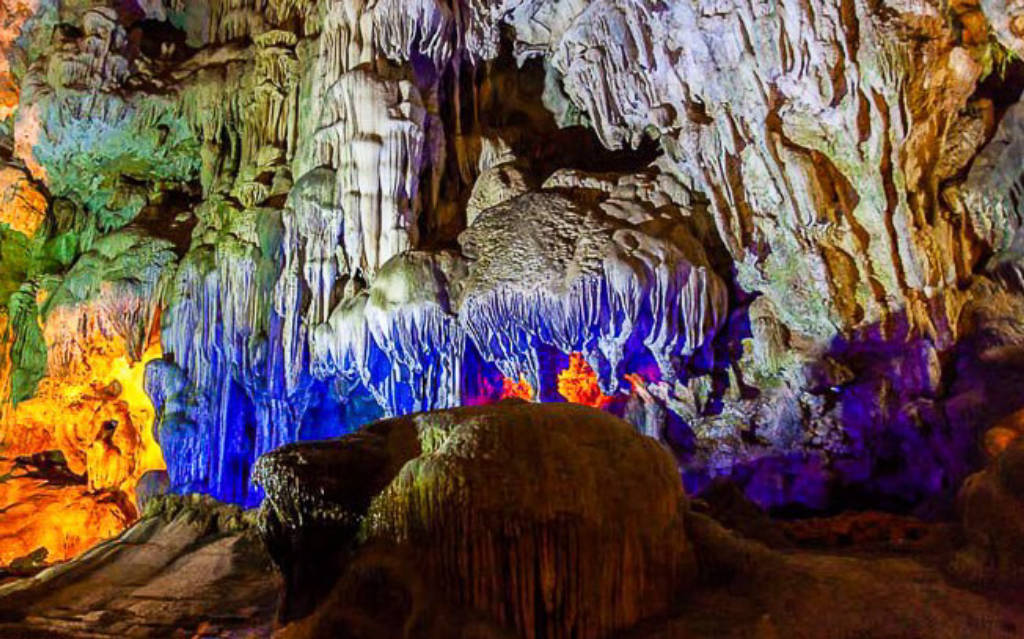
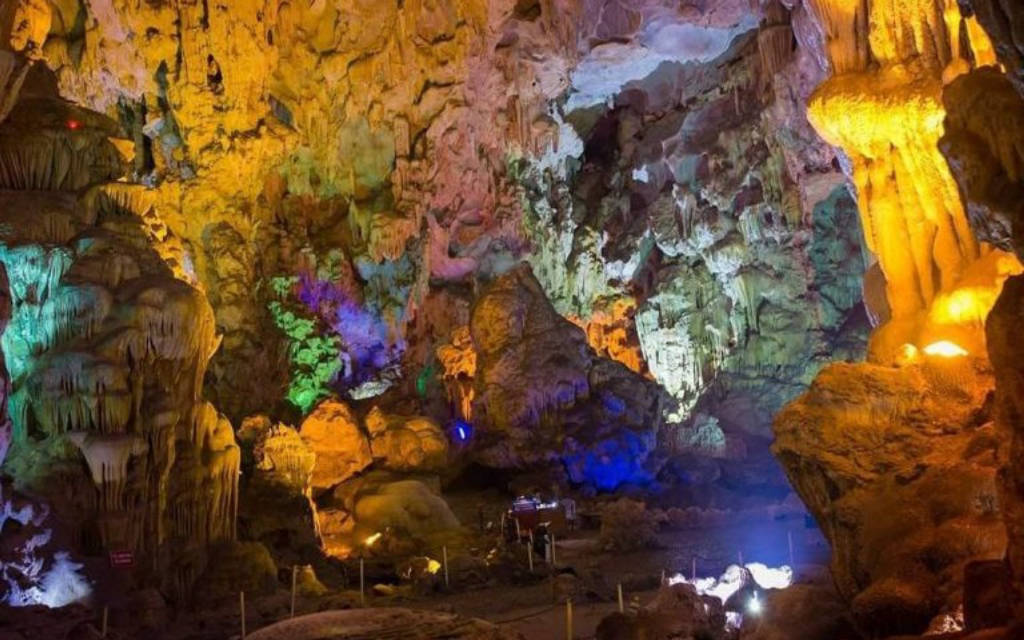
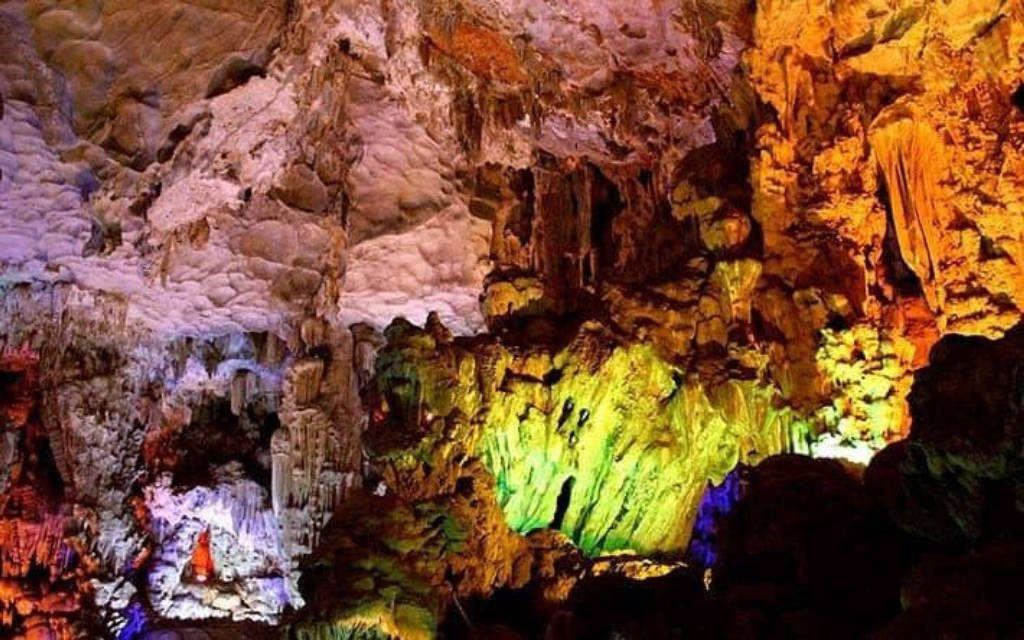
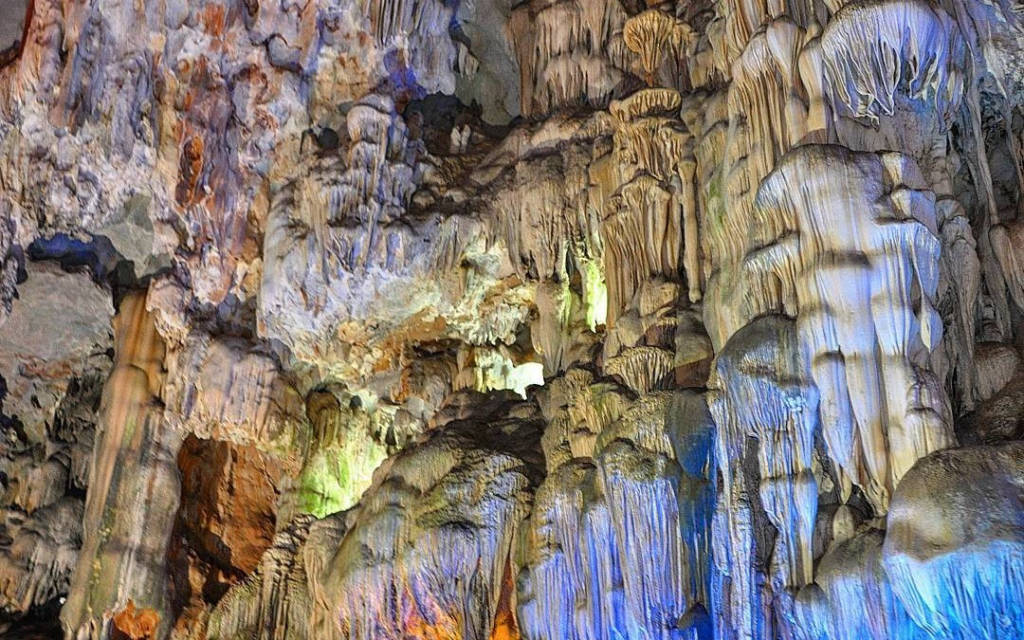
Động Thiên Cung một kiệt tác của thiên nhiên với hàng trăm bức tượng măng đá, nhũ đá tuyệt đẹp trong lòng động
Động Thiên Cung nằm cách cảng tàu du lịch khoảng 4 km. Động Thiên Cung và hang Đầu Gỗ là hai điểm được khách du lịch tìm đến tham quan nhiều nhất khi đến tham quan Vịnh Hạ Long. Để tham quan được Động Thiên Cung bạn sẽ đi đến cảng tàu du lịch Quốc Tế Tuần Châu để mua vé tàu, vé tham quan động. Khi mua vé bạn nên lưu ý chọn tour tham quan theo tuyến du lịch số 1 và số 2 có tham quan động Thiên Cung, vì không phải tuyến tham quan nào cũng ghé động Thiên Cung.
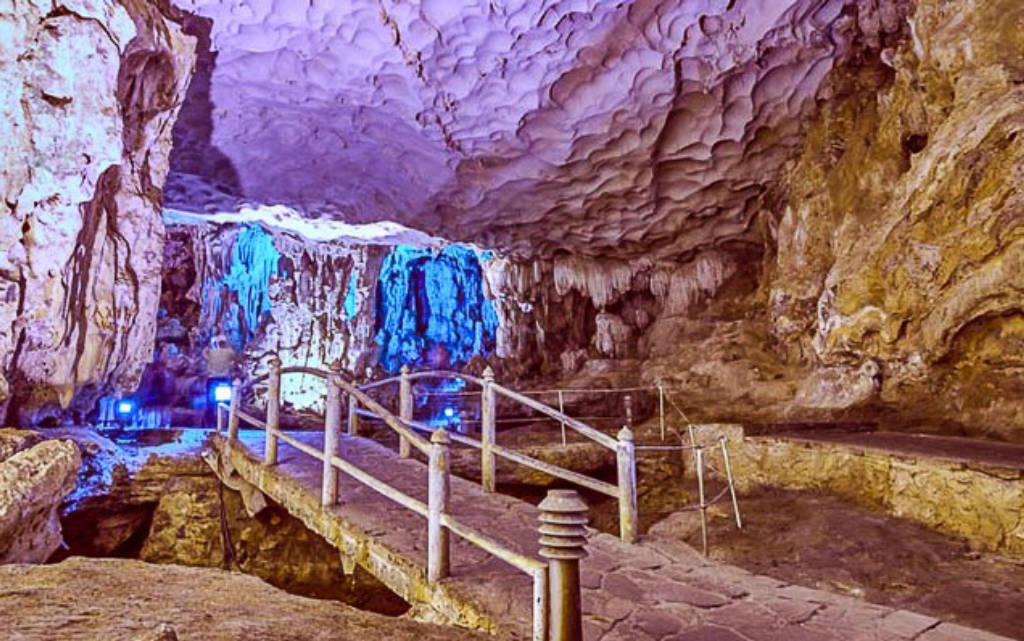
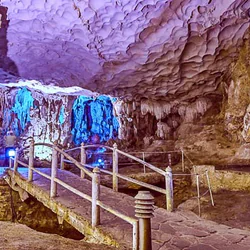
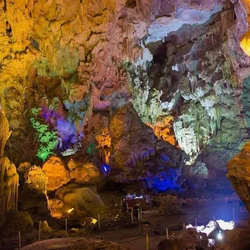
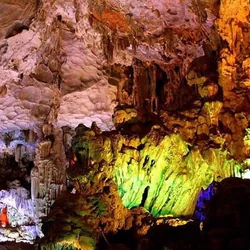
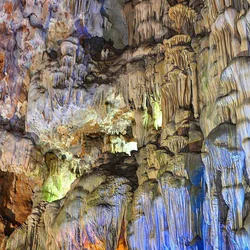
Từ cảng tàu đến động Thiên Cung, bạn sẽ được đắm chìm trong cảnh đẹp cũng của những ngọn núi hòa quyện cùng màu xanh ngọc bích của nước biển sẽ tạo cho bạn những bức ảnh rất đẹp. Đường lên tới Động Thiên Cung, bạn sẽ men theo đường bậc thang bê tông, hai bên cây che phủ cho tới khi bắt gặp một khe cửa hang hẹp, đó chính là cửa vào động. Bước vào hang bạn sẽ cảm nhận sự mát mẻ từ những cơn gió bên trong lòng hang thổi ra. Càng vào sâu, bạn sẽ càng ngỡ ngàng trước vẻ đẹp hết sức lộng lẫy của muôn vàn thạch nhũ, những thạch nhũ được hình thành cách đây hàng triệu năm, dưới ánh đèn càng làm chúng trở nên độc đáo. Động rộng gồm nhiều cấp, nhiều ngăn với các trần và bờ vách cao. Trong động, có vô số các khối nhũ đá, măng đá với đủ hình dạng hình thù, dưới trí tưởng phong phú của con người khiến chúng trở thành những bức tượng vô cùng sống động như hình ảnh những nàng tiên, xa xa là hình ảnh thầy trò đường tăng đi lấy kinh, những chú rồng đá... Động Thiên Cung được đánh giá là đẹp trong Vịnh Hạ Long mà không thể tìm thấy ở bất cứ hang động ở nơi nào khác. Nếu có dịp đến Hạ Long bạn hãy tham quan động Thiên Cung, một hang động đẹp trong lòng di sản thiên nhiên thế giới.
Giá vé tham quan:
- Tuyến 1 Khu Trung tâm bảo tồn Công viên Vạn Cảnh: 290.000đ/1 người
- Tuyến 2 Khu Trung tâm bảo tồn Công viên Hang động: 290.000đ 1 người
- Trẻ em dưới 1,2m hoặc dưới 7 tuổi: Miễn phí
- Người cao tuổi là công dân Việt Nam từ đủ 60 tuổi trở lên (yêu cầu xuất trình CMND, CCCD hoặc giấy tờ tương đương): giảm 50% giá vé.
Giá vé tàu ghép: 150.000đ