


""에 대한 모든 결과 보기

 언제든지
언제든지 
 Tiếng Việt
 English한국어
 日本語
日本語 简体中文
简体中文 Français
 Deutsch
 Español
 Italiano
 Русский


 기업 로그인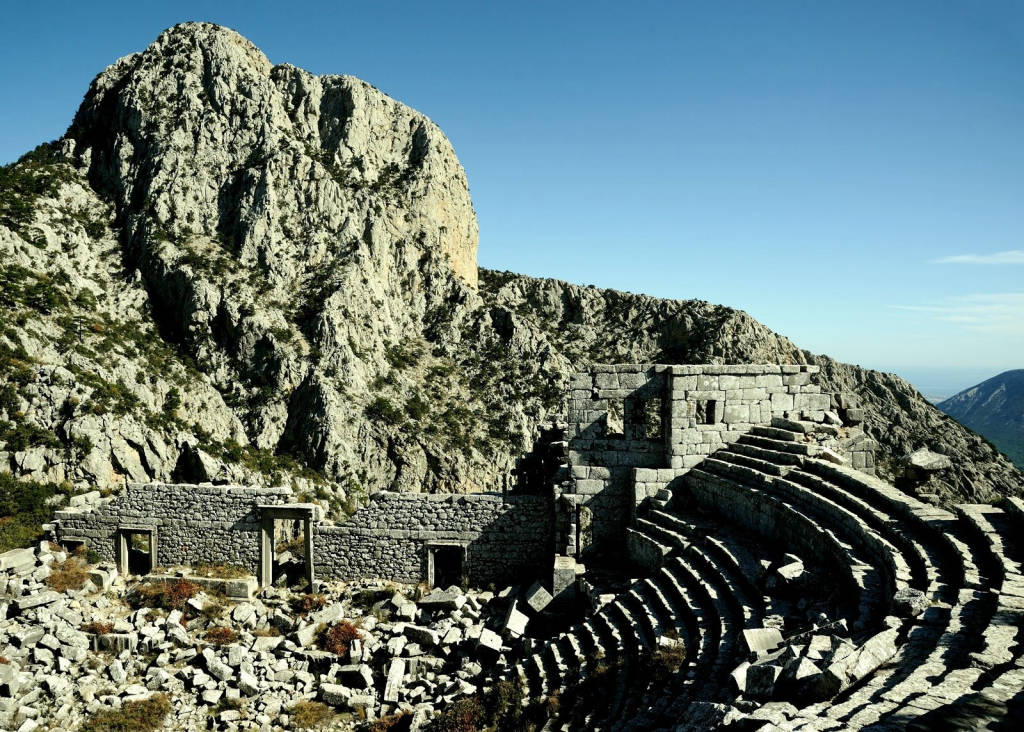
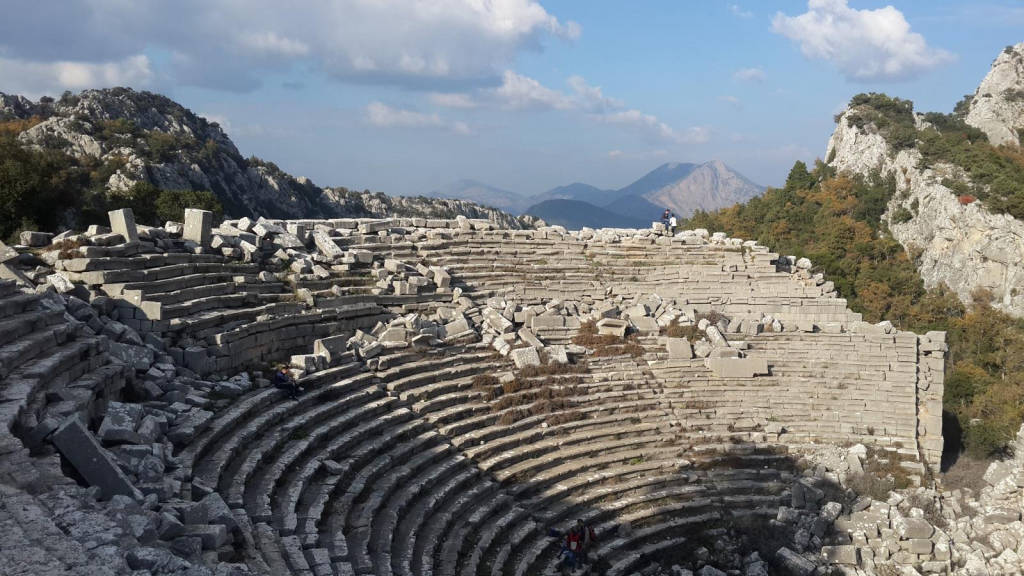
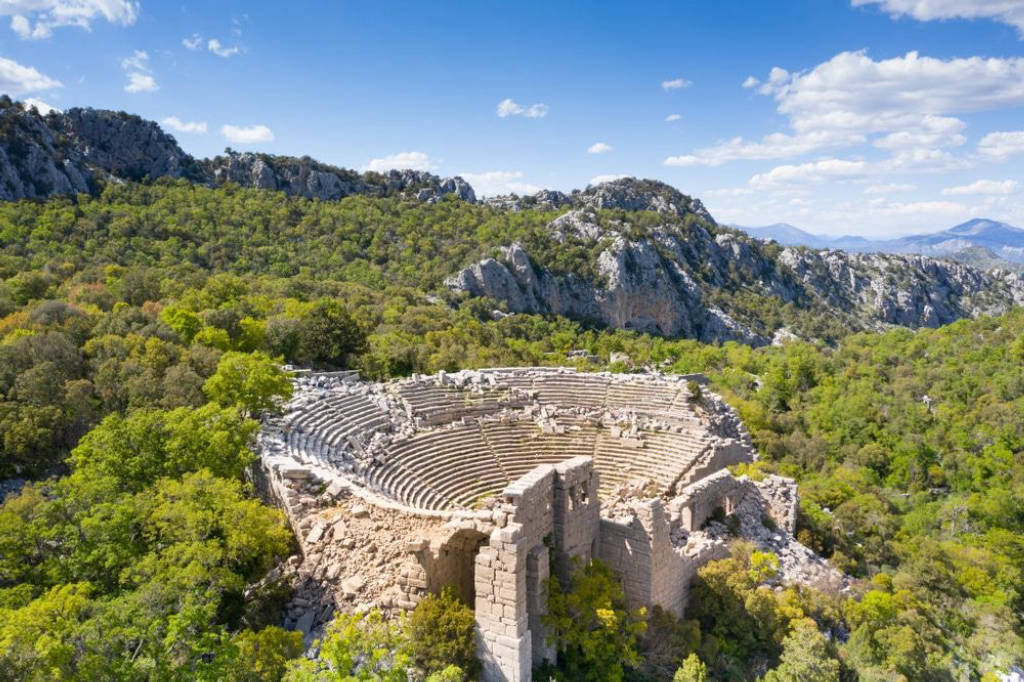
테르메소스 유적
 Antalya Province, Turkey
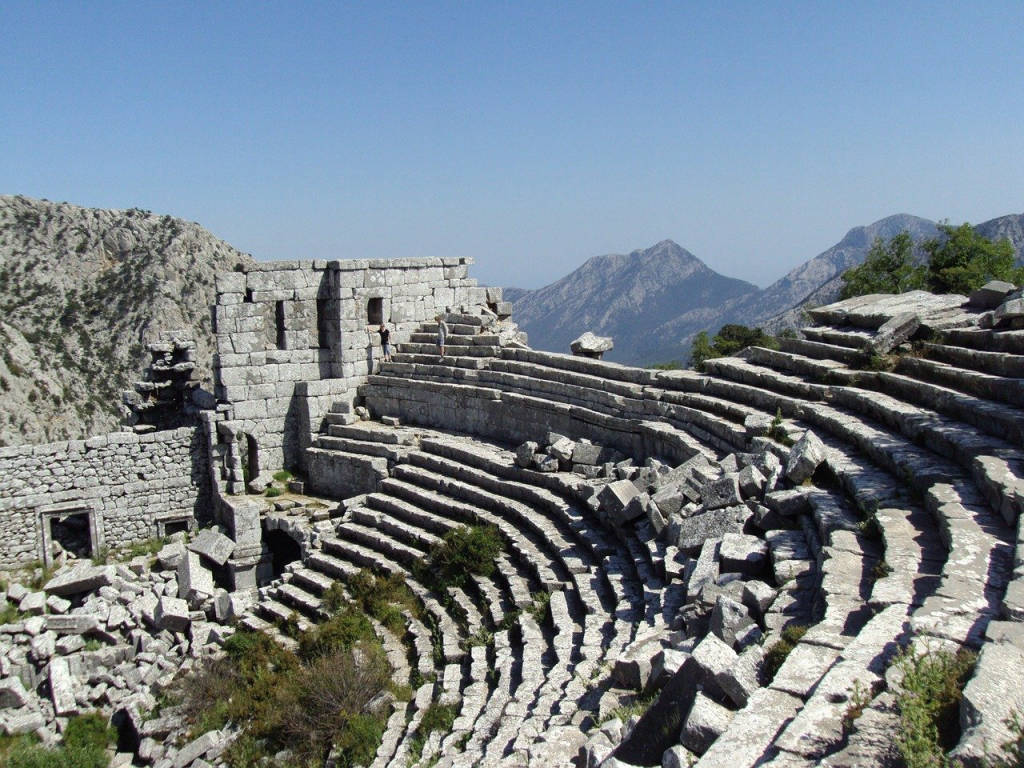
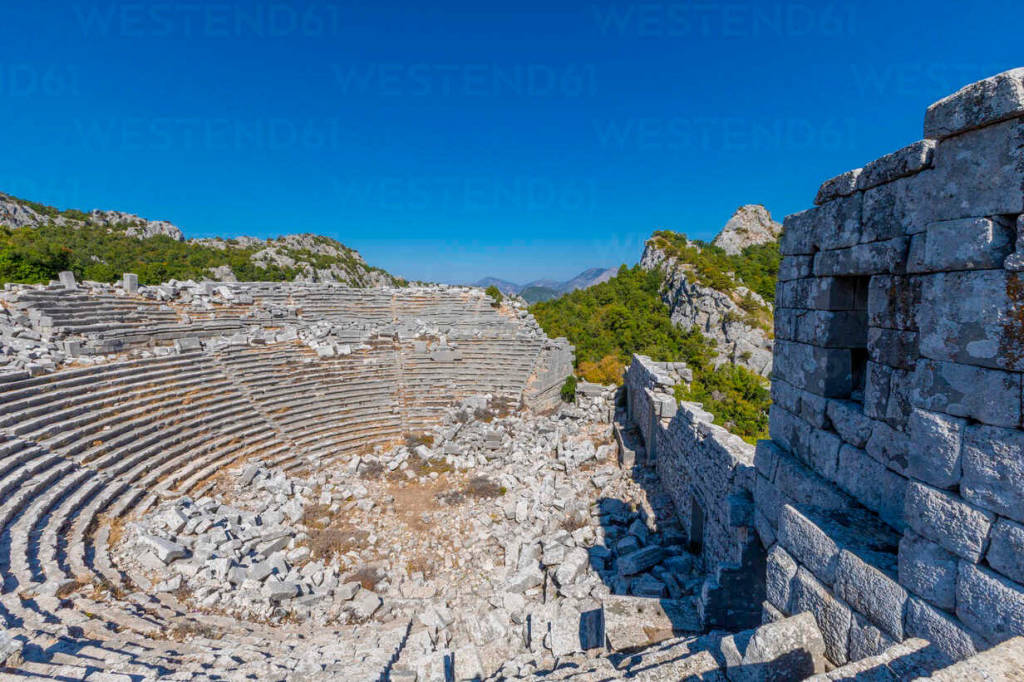
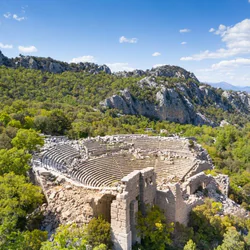
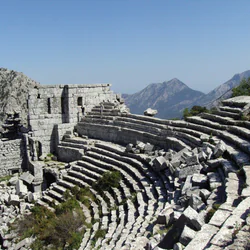
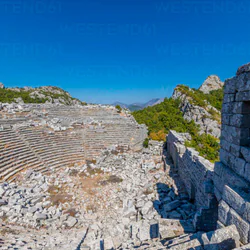
타우루스 산맥에 자리 잡은 테르메소스는 터키에서 가장 잘 보존된 고대 도시 중 하나입니다. "터키의 마추픽추"라고 불리는 이곳은 아스펜도스와 마찬가지로 극장이 가장 큰 볼거리입니다. 테르메소스의 거리에는 고대 석조 무덤들이 늘어서 있으며, 아고라, 성벽, 체육관, 오데온, 그리고 여섯 개의 신전 유적 등 다양한 명소들이 탐험을 기다리고 있습니다.
고대 도시 테르메소스 유적지 방문은 지중해 연안의 다른 고대 도시들과는 완전히 다른 경험을 선사합니다. 그곳에 도착하려면 해발 1,000미터의 고도를 넘어 황금 황소 산맥의 심장부로 깊숙이 들어가야 합니다. 험난한 여정은 터키의 유사 건축물 중 가장 이상적인 위치에 자리 잡은 것으로 여겨지는 고대 극장에서 바라보는 경치로 충분히 보상받을 것입니다. 국립공원 내에 위치한 테르메소스는 소나무 숲과 희귀 식물종으로 둘러싸여 있으며, 대규모 관광 개발의 영향을 받지 않았습니다. 이러한 독특함은 많은 학자들, 특히 19세기 후반의 연구자 카롤 란코론스키에게 매혹적인 연구 주제가 되었습니다. 역사 개요: 테르메소스는 호메로스의 서사시 일리아스에 처음 등장하며, 영웅 벨레로폰이 페가수스를 타고 있는 전설과 관련이 있습니다.
역사적으로 이 도시는 스스로를 솔리미라고 칭했던 피시드 부족에 의해 건설되었습니다. 가장 중요한 사건은 기원전 334년 알렉산더 대왕이 이 도시를 정복하려다 실패한 것입니다. 깊은 협곡과 가파른 절벽으로 둘러싸인 테르메소스는 마케도니아 군대가 정복하지 못한 몇 안 되는 도시 중 하나였습니다. 로마 시대에는 상당한 자치권을 유지하며 자체 법률을 제정하고 화폐를 주조할 수 있었습니다. 그러나 지진으로 인해 상수도 시스템이 파괴되면서 테르메소스는 서기 5세기경부터 점차 버려지고 잊혀지다가 현대 탐험가들에 의해 재발견되었습니다. 19세기에 들어서면서 고고학적 연구가 본격적으로 시작되었는데, 특히 카롤 란코론스키는 이 도시의 상세한 계획도와 스케치를 남겼습니다. 그는 테르메소스를 "장거리 감시탑"이자 "계곡 깊숙이 묻힌 독수리 둥지"라고 묘사했습니다. 엄청난 잠재력에도 불구하고, 19세기 후반부터 현재까지 이 유적지는 주로 지표 조사만 이루어졌을 뿐, 대규모의 체계적인 발굴 작업은 거의 진행되지 않았습니다. 주요 명소는 중심부로 이어지는 왕의 길에서 시작되며, 이 길을 따라가다 보면 견고한 성벽과 성문을 만나게 됩니다. 중심부에는 로마 체육관과 목욕탕 같은 건축물들이 인상적인 규모로 모습을 드러내지만, 일부는 땅속에 묻혀 있습니다. 아고라 지역은 한때 경제 중심지였으며, 페르가몬의 아탈로스 2세 왕이 건립한 도리아식 기둥들이 유명합니다. 가장 눈에 띄는 것은 4,200명을 수용할 수 있는 옛 극장으로, 황금 황소 산맥의 아름다운 경관을 감상할 수 있습니다. 극장 근처에는 높이가 최대 10미터에 달하는 벽을 가진, 가장 잘 보존된 건축물 중 하나인 불레우테리온(회의장)이 있습니다. 또한, 이 도시는 6개의 신전과 정교하게 조각된 석관들이 있는 광대한 네크로폴리스(공동묘지)를 자랑하며, 그중에서도 알케타스 장군의 무덤이 가장 유명합니다. 이곳은 여름철에는 매일 오전 9시부터 오후 7시까지 개방하며, 겨울에는 더 일찍 문을 닫습니다. 입장료는 현재 매우 저렴하며 국립공원 입구에서 구입할 수 있습니다. 산악 지형과 울창한 초목 때문에 방문객들은 좋은 체력을 갖추고, 식수를 지참하고, 튼튼한 신발과 긴 바지를 착용하여 발을 보호하는 것이 좋습니다. 안탈리아에서 코르쿠텔리 방면 버스를 타거나 택시를 이용하면 편리하게 도착할 수 있습니다.