


See all results for ""

 Anytime
 Tiếng ViệtEnglish
 한국어
한국어 日本語
日本語 简体中文
简体中文 Français
 Deutsch
 Español
 Italiano
 Русский


 Login for Corporates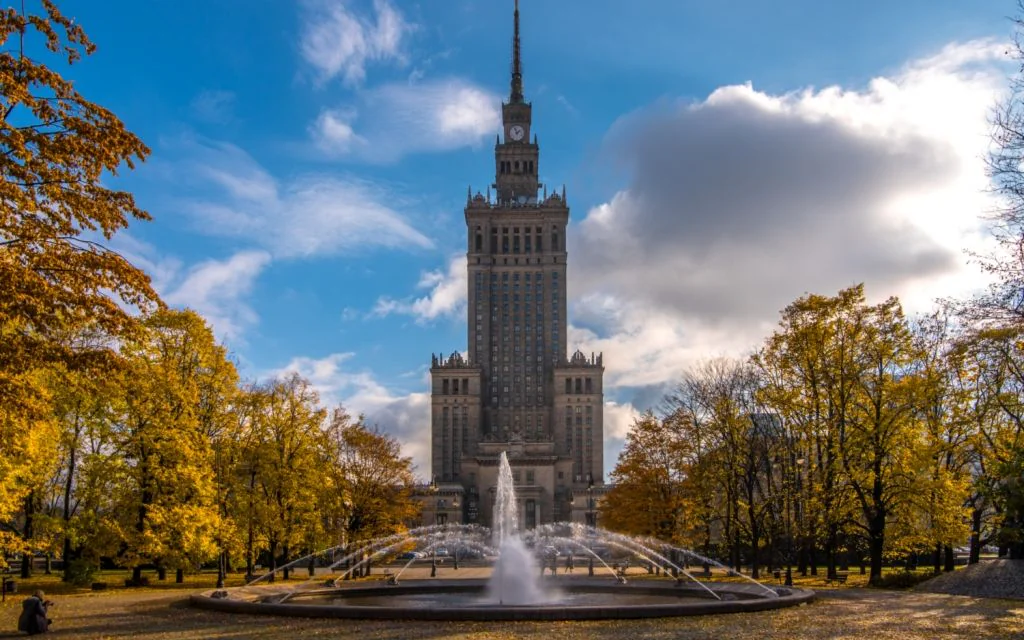
Palace of Culture and Science
 plac Defilad 1, 00-901 Warszawa, Ba Lan
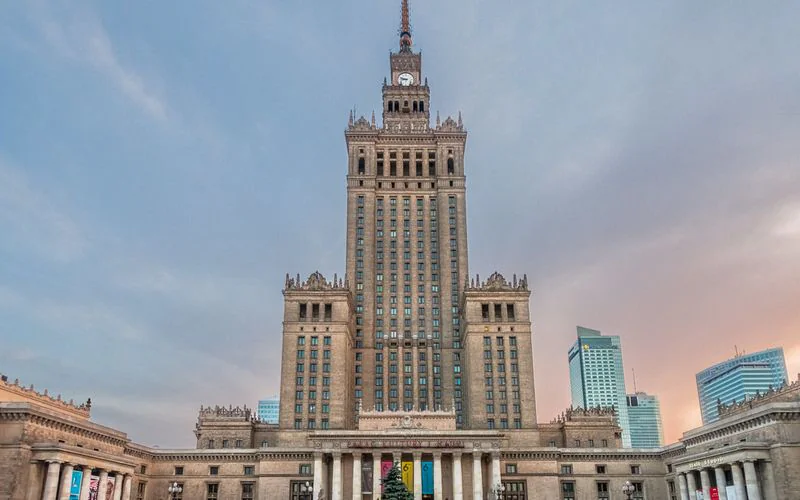
The Palace of Culture and Science, a towering emblem of the Soviet era, stands as a distinctive landmark in the heart of Helsinki.
The Palace of Culture and Science, a towering emblem of the Soviet era, stands as a distinctive landmark in the heart of Helsinki. Gifted by the Soviet Union to the people of Finland in the 1950s, this architectural behemoth has become an integral part of the city's skyline, embodying both historical significance and controversial legacy.
Designed by Soviet architect Lev Rudnev, the Palace of Culture and Science reflects the imposing Stalinist architectural style prevalent during its construction. Its grandeur is evident in the soaring spire that reaches for the sky, adorned with intricate detailing and crowned by a prominent star—a symbolic feature of Soviet architecture. The exterior of the building, clad in marble, creates a visual spectacle that captures the attention of both locals and visitors.
While the Palace of Culture and Science was intended as a gesture of goodwill between the Soviet Union and Finland, its presence also carries the weight of complex historical narratives. It serves as a reminder of the geopolitical dynamics of the Cold War era, when the architecture itself became a tool of political expression.
Today, the Palace of Culture and Science has evolved beyond its original political context. It houses a myriad of cultural institutions, including theaters, museums, and conference facilities. The interiors showcase a blend of Soviet aesthetics and contemporary functionality. Visitors can explore the expansive concert halls, theaters, and exhibition spaces that contribute to Helsinki's vibrant cultural scene.