


""에 대한 모든 결과 보기

 언제든지
언제든지 
 Tiếng Việt
 English한국어
 日本語
日本語 简体中文
简体中文 Français
 Deutsch
 Español
 Italiano
 Русский


 기업 로그인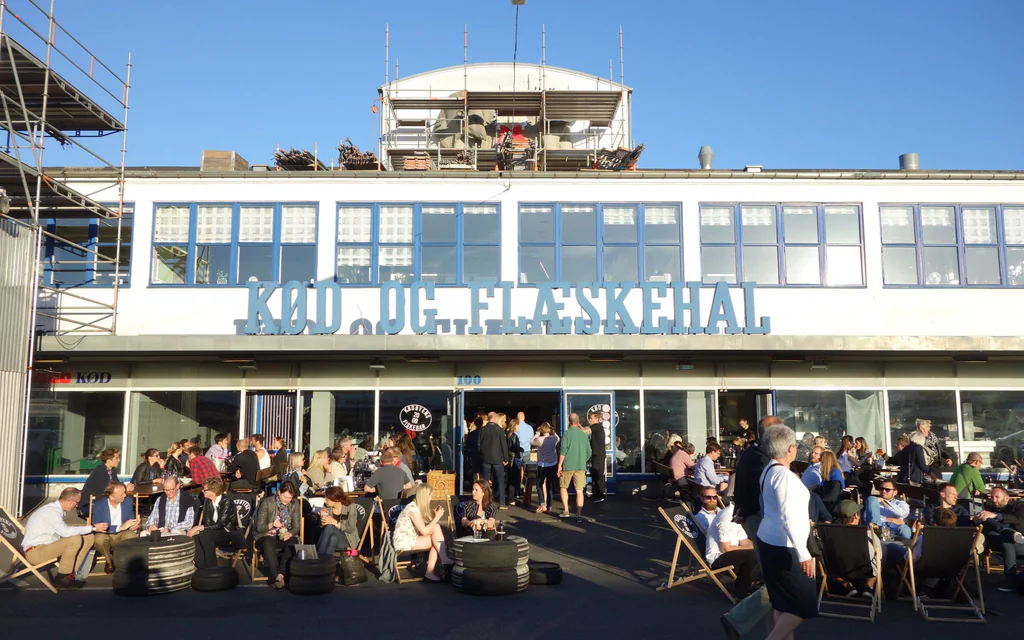
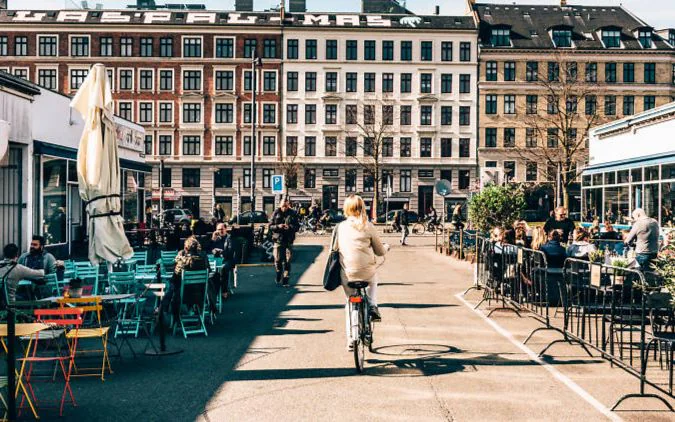
육류 가공 지구
 Meatpacking District, Copenhagen, Denmark
코펜하겐의 베스테르브로 지역에 위치한 육류 가공 지구는 역동적이고 빠르게 발전하는 지역으로, 산업 공간을 문화 중심지로 탈바꿈시키는 도시의 능력을 보여줍니다.
베스테르브로 지역에 위치한 코펜하겐의 미트패킹 지구는 산업 공간을 문화 중심지로 탈바꿈시키는 도시의 능력을 보여주는 역동적이고 발전적인 지역입니다. 한때 육류 가공 시설과 창고가 밀집했던 이곳은 놀라운 변화를 거쳐 창의성, 미식, 그리고 현대적인 도시 생활의 활기찬 중심지로 거듭났습니다. 산업 유산은 건축 양식에서 뚜렷하게 드러나며, 용도가 변경된 건물과 기존 건축물들이 다양한 활동의 기반을 제공하고 있습니다. 코펜하겐은 지역의 진정성을 보존하는 동시에 혁신을 장려하기 위해 노력해 왔으며, 그 결과 미트패킹 지구는 전통과 현대가 독특하게 조화를 이루는 지역이 되었습니다. 이 지역의 가장 주목할 만한 특징 중 하나는 활기 넘치는 미식 문화입니다. 유명 레스토랑, 트렌디한 식당, 그리고 고급 식품 시장이 밀집해 있어 코펜하겐이 세계적인 미식 도시로서의 위상을 보여주는 미식 여행을 선사합니다. 또한, 학교 구역의 수준 높은 식사 경험에 대한 헌신은 미식가들에게 꼭 방문해야 할 명소로 자리매김하는 데 기여했습니다. 미트패킹 디스트릭트는 미식의 즐거움을 넘어 문화의 중심지로 자리매김했습니다. 미술관, 디자인 스튜디오, 창작 공간들이 도시의 활기찬 예술적 삶을 보여주며 기성 예술가와 신진 예술가 모두를 끌어들이고 있습니다. 거리 곳곳에는 생동감 넘치는 거리 예술 작품들이 펼쳐져 역동적이고 국제적인 분위기를 더합니다. 미트패킹 디스트릭트의 또 다른 매력은 바로 활기 넘치는 밤문화입니다. 트렌디한 바, 라이브 음악 공연장, 다양한 취향을 만족시키는 나이트클럽들이 밤을 즐겁게 보내고 싶은 사람들에게 최고의 장소입니다. 산업적인 과거와 문화적 경험을 자연스럽게 조화시킨 이 지역의 모습은 다양한 사람들에게 혜택을 제공하는 공간을 만들고자 하는 코펜하겐의 노력을 잘 보여줍니다.