


See all results for ""

 Anytime
 Tiếng ViệtEnglish
 한국어
한국어 日本語
日本語 简体中文
简体中文 Français
 Deutsch
 Español
 Italiano
 Русский


 Login for Corporates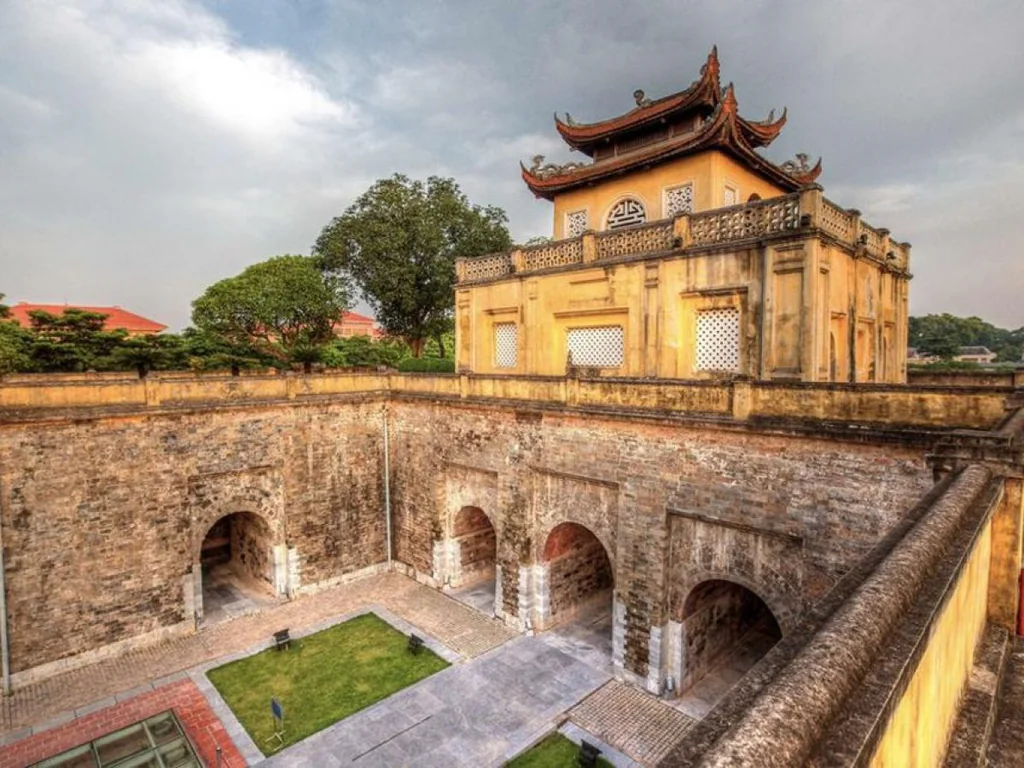
The thousand-year-old heritage of the ancient Thang Long citadel
 Hà Nội, Vietnam
Experiencing many ups and downs of history, the center of Hanoi today still preserves the ancient features in a modern city with its own identities, a destination that attracts thousands of domestic and foreign tourists.
Becoming the capital of the country in 1010 when Emperor Ly Thai To chose this land as his permanent capital, Thang Long - Hanoi has always charmed and attracted domestic and international tourists with precious treasures. Experiencing the ups and downs of history, these legacies remain with the capital of thousands of years of civilization. Here are some precious heritages of the capital that need to be heard when coming to Hanoi.
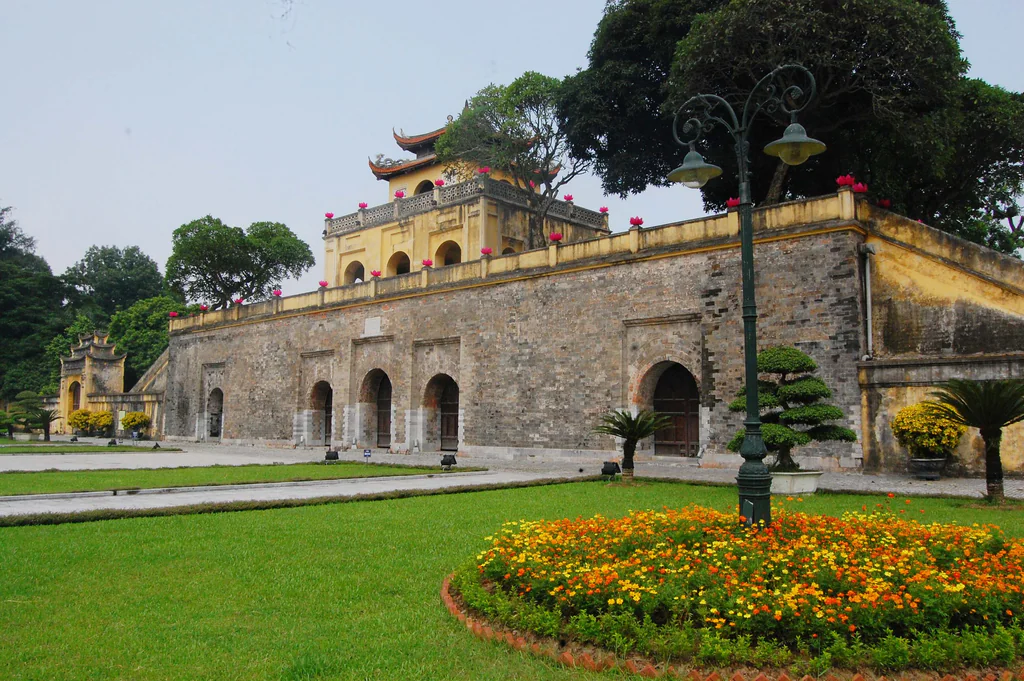
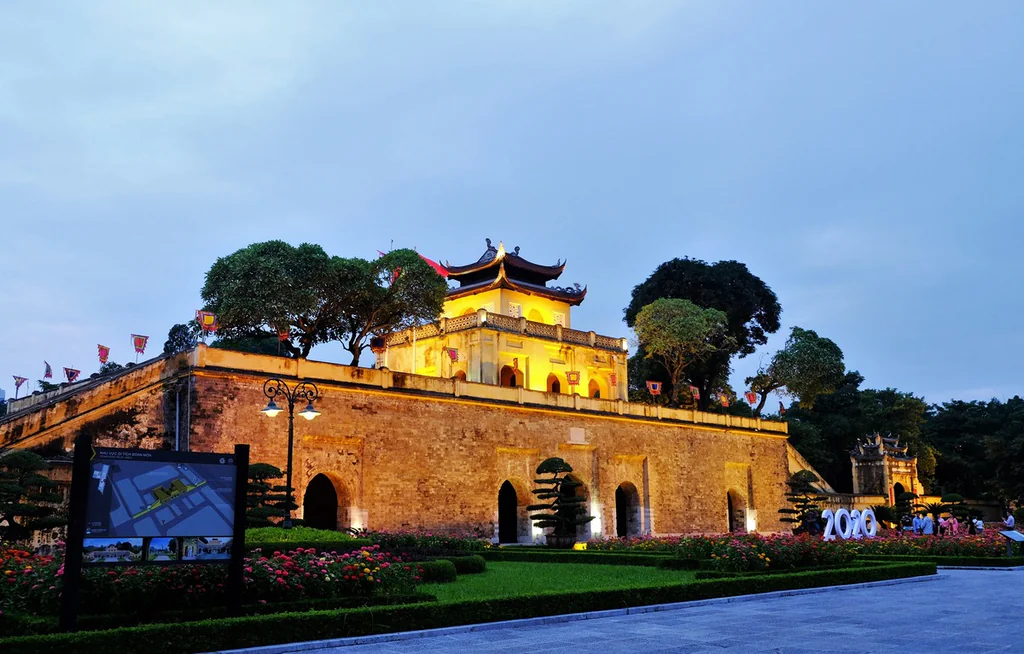
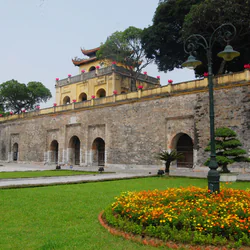
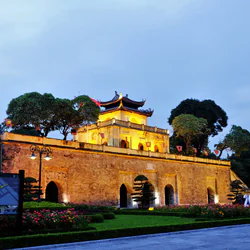
Imperial Citadel of Thang Long - Outstanding World Cultural Heritage
In 1010, after moving the capital to Dai La and renamed it Thang Long, King Ly Thai To (974-1028) built the basic architecture of the Thang Long Citadel - that is the Imperial Citadel, the work was built by Emperor Ly Thai To. completed in 1011.
Imperial Citadel of Thang Long is a complex of relics associated with the history of Thang Long and Hanoi, covering the pre-Thang Long period (An Nam 7th century) to the Nguyen Dynasty (1802-1945). This structure has been strengthened by different dynasties through historical periods and has become one of the most important monuments of Vietnam.
Thang Long Imperial Citadel was recognized by UNESCO as a world cultural heritage in 2010. This heritage site is recognized with 3 outstanding features: long-standing cultural and historical features throughout 13 centuries; continuity of heritage as a center of power and its rich and lively monuments.
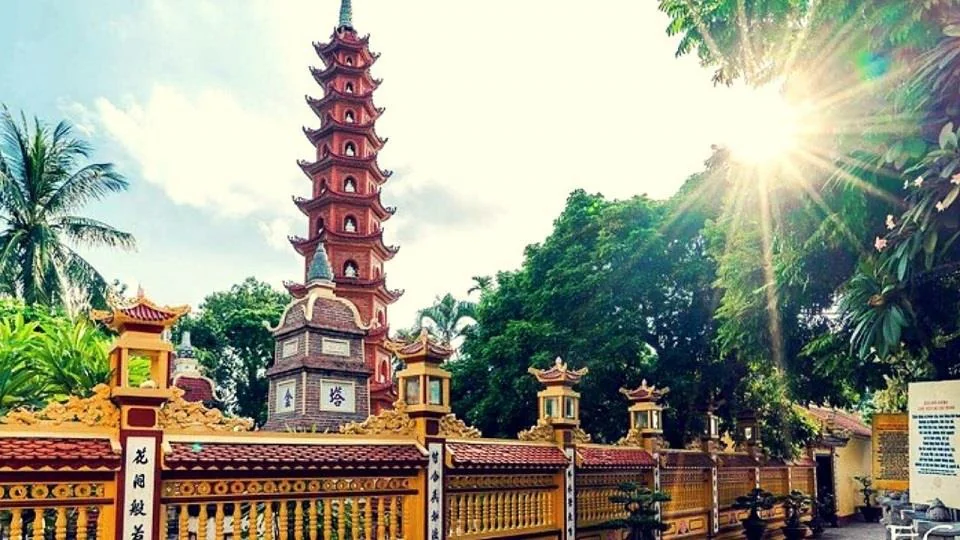
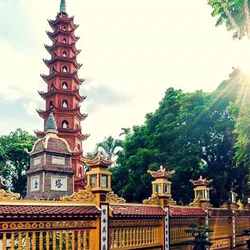
Tran Quoc Pagoda - Buddhist Center of the Imperial Citadel of Thang Long
Tran Quoc Pagoda is located on an island east of West Lake, Tay Ho district, built nearly 1,500 years ago and is considered the oldest temple in Hanoi. The architecture of the pagoda is a combination of ancient and elegant landscape on the quiet background of an immense lake. Tran Quoc Pagoda was the Buddhist center of Thang Long capital in the Ly and Tran dynasties.
With its historical and architectural values, Tran Quoc Pagoda attracts many Buddhists and tourists from all over the world. The pagoda has a lotus platform built in 1998, including 11 floors, 15 meters high. The pagoda was recognized as a national historical and cultural relic in 1989. Tran Quoc Pagoda has been ranked by some international media as one of the most beautiful temples in the world.
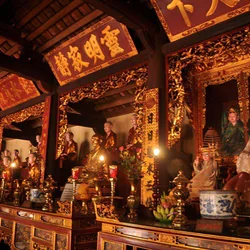
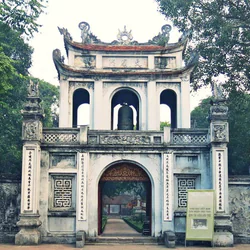
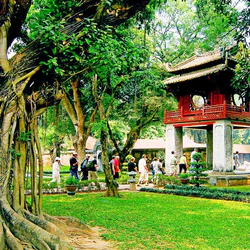
Temple of Literature - Quoc Tu Giam, a place honoring the tradition of studiousness
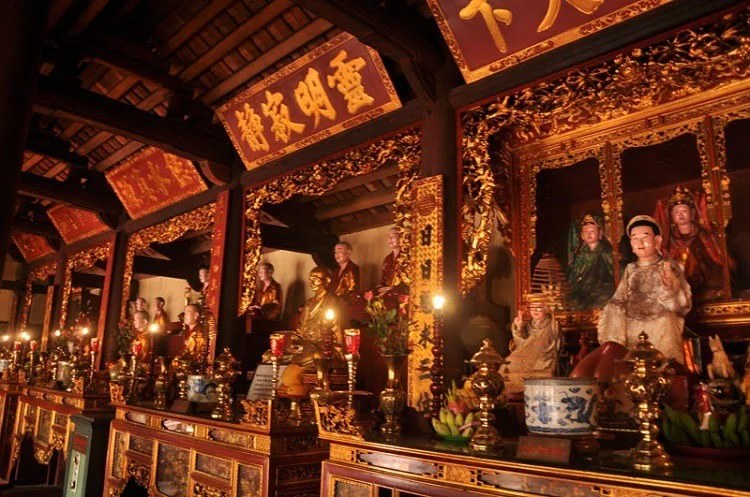
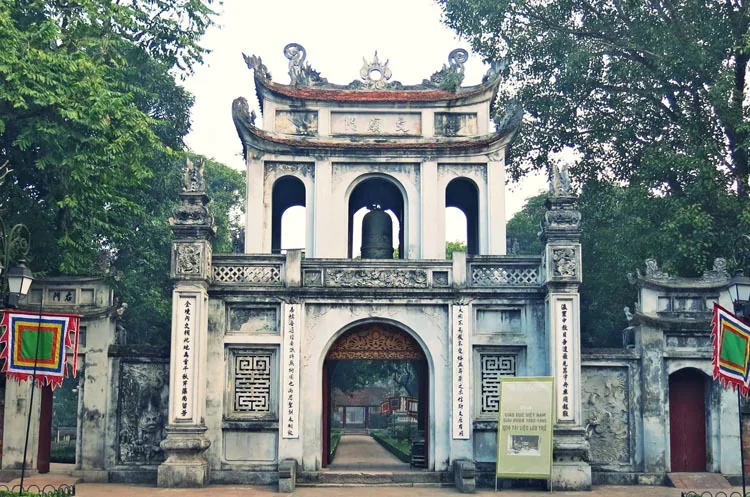
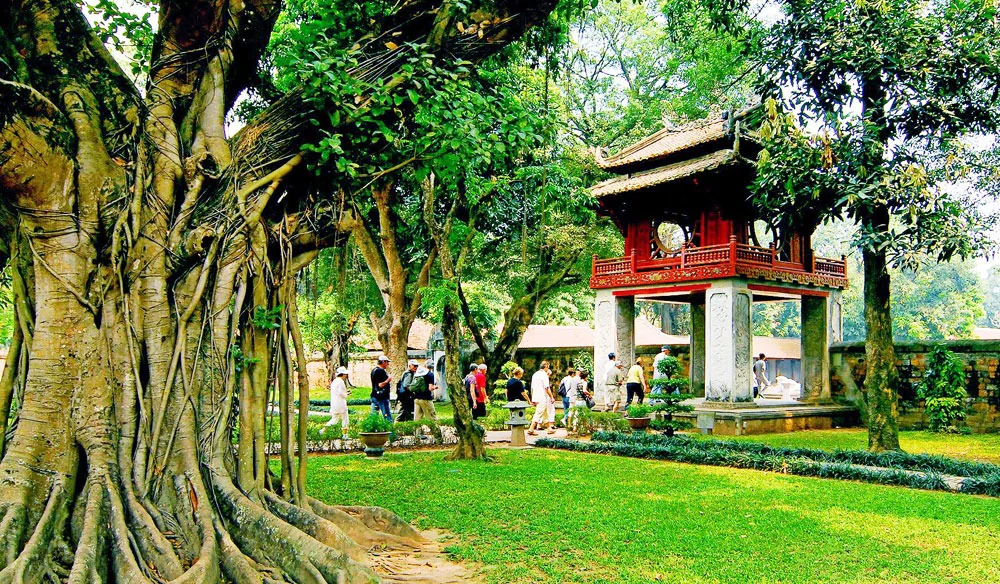
Temple of Literature was built in 1070 under King Ly Thanh Tong (1054 -1072). This is a complex of two relics including Van Mieu - a place to worship Confucius and Chu Van An - a wise and moral teacher of Vietnam, a symbol of education, and Quoc Tu Giam, a university. Vietnam's first.
The Temple of Literature was recognized as a special national relic in 2012. The Temple of Literature was chosen as the symbol of the capital. In addition, 82 doctoral epitaphs here are also recognized by UNESCO as a Documentary Heritage and included in the Memory of the World program.
During their trip, tourists always want to visit the thousand-year-old heritage sites to reminisce about an old Thang Long citadel, which preserves the country's unique cultural values and better understand the process of nation building and defending the country of Vietnamese feudal dynasties.