


 Tiếng Việt
 English
 한국어
한국어 日本語
日本語 简体中文
简体中文 Français
 Deutsch
 Español
 Italiano
 Русский


 Đăng nhập cho Doanh nghiệp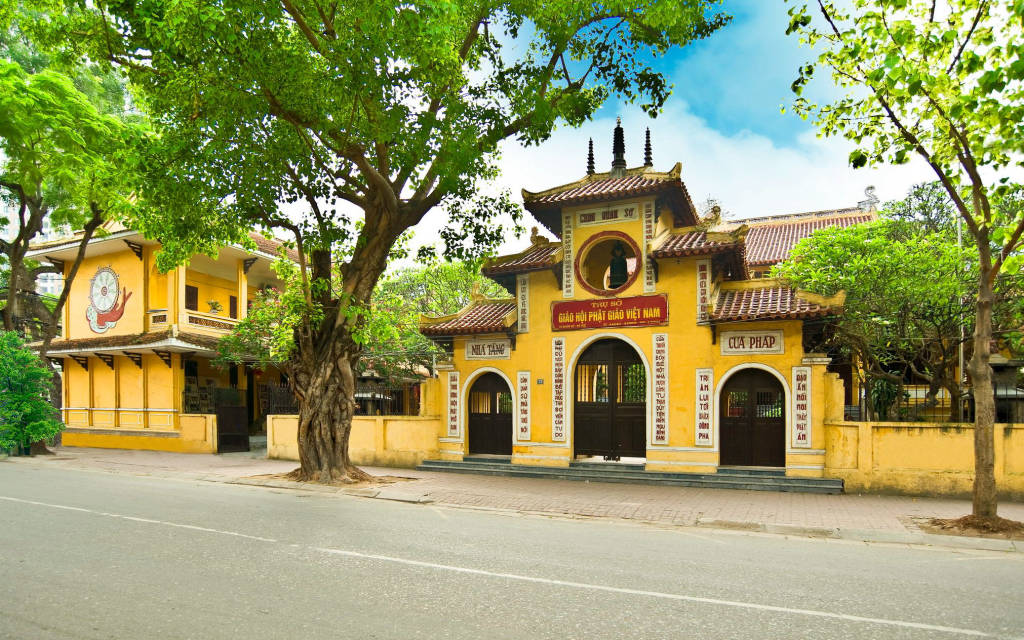
Chùa Quán Sứ
 73 Phố Quán Sứ, P. Trần Hưng Đạo, Q. Hoàn Kiếm, Tp. Hà Nội, Việt Nam
Chùa Quán Sứ tại số 73, phố Quán Sứ, quận Hoàn Kiếm, Hà Nội, là trung tâm Phật giáo Việt Nam, nổi bật với kiến trúc truyền thống và không gian thanh tịnh giữa lòng phố thị. Được xây dựng từ thế kỷ 15, chùa mang ý nghĩa lịch sử và tâm linh sâu sắc, thu hút du khách đến cầu bình an, tham dự lễ hội Phật giáo lớn. Đây là điểm đến không thể bỏ qua để khám phá văn hóa, lịch sử và tìm kiếm sự bình yên.
Chùa Quán Sứ – Ngôi chùa của hòa bình và tâm linh giữa lòng Hà Nội
Chùa Quán Sứ, một trong những ngôi chùa nổi tiếng và lâu đời nhất tại Hà Nội. Nơi đây không chỉ là trung tâm của Phật giáo Việt Nam mà còn là một điểm đến tâm linh thanh tịnh và mang đậm nét lịch sử.
1. Vị trí và lịch sử hình thành
Chùa Quán Sứ nằm tại số 73, phố Quán Sứ, quận Hoàn Kiếm, Hà Nội. Được xây dựng vào thế kỷ 15, chùa ban đầu là nơi tiếp đón các sứ thần Phật giáo từ các quốc gia khác đến Việt Nam. Tên “Quán Sứ” xuất phát từ chức năng ban đầu này. Qua nhiều thăng trầm lịch sử, Chùa Quán Sứ đã trở thành một biểu tượng Phật giáo quan trọng. Hiện nay, đây cũng là trụ sở của Giáo hội Phật giáo Việt Nam, gắn bó mật thiết với các hoạt động Phật giáo trong và ngoài nước.
2. Kiến trúc độc đáo
Ngay từ cổng chùa, du khách sẽ bị cuốn hút bởi cổng tam quan uy nghi, thể hiện nét đẹp truyền thống. Bước qua cổng, quý vị sẽ thấy một không gian yên bình với sân chùa rộng lớn, cây xanh rợp bóng mát, tạo cảm giác thanh thản và dễ chịu.
Ngôi chùa chính được xây dựng theo phong cách kiến trúc Phật giáo truyền thống Việt Nam. Chính điện với mái ngói cong vút, chạm trổ rồng phượng tinh tế, là nơi thờ các vị Phật như: Phật Thích Ca Mâu Ni, Phật Di Lặc, Quán Thế Âm Bồ Tát...
Trong chính điện, quý vị sẽ cảm nhận được sự linh thiêng qua mùi hương trầm dịu nhẹ và ánh sáng từ những chiếc đèn dầu lung linh. Phía sau chính điện là khu vực thờ các vị tổ sư và những bức tượng Phật được chế tác tinh xảo.
Điểm đặc biệt nữa là chùa còn có một bảo tháp nhỏ, nơi lưu giữ xá lợi và những di vật quý báu của Phật giáo.
3. Giá trị tâm linh
Chùa Quán Sứ không chỉ là nơi để người dân đến cầu bình an, sức khỏe và may mắn mà còn là nơi tổ chức các hoạt động Phật giáo lớn như: Lễ Phật Đản, Vu Lan Báo Hiếu, Rằm tháng Giêng...
Mỗi dịp lễ, hàng ngàn người từ khắp nơi đổ về chùa để dâng hương, cầu nguyện và tham gia vào các nghi lễ thiêng liêng. Đặc biệt, đây là nơi mà nhiều người Hà Nội chọn để tịnh tâm, tìm lại sự cân bằng trong cuộc sống hiện đại đầy áp lực.
4. Không gian thanh tịnh giữa lòng phố thị
Giữa một Hà Nội nhộn nhịp và đông đúc, Chùa Quán Sứ giống như một ốc đảo bình yên, nơi quý vị có thể thả hồn trong tiếng chuông chùa ngân nga, tiếng kinh Phật vang vọng. Dạo bước trong sân chùa, quý vị sẽ thấy những hàng cây cổ thụ xanh mát, những bông hoa rực rỡ, tạo nên một không gian vừa trang nghiêm, vừa gần gũi.
Đừng quên ghé qua thư viện Phật giáo của chùa, nơi lưu giữ nhiều sách quý về Phật pháp, giúp quý vị hiểu thêm về giáo lý Phật giáo cũng như lịch sử lâu đời của ngôi chùa.
5. Vai trò trong văn hóa và Phật giáo
Ngoài vai trò là nơi thờ tự, Chùa Quán Sứ là trụ sở của Tổng hội Phật giáo Bắc Việt, nay là Giáo hội Phật giáo Việt Nam, đóng vai trò quan trọng trong việc kết nối cộng đồng Phật tử. Đồng thời chùa cũng là phân viện Nghiên cứu Phật học và văn phòng tổ chức Phật giáo Châu Á vì hòa bình. Đây là nơi tổ chức các khóa tu học, thuyết giảng Phật pháp, giúp người dân hiểu sâu hơn về đạo Phật và sống theo những giá trị nhân văn, từ bi.
Không chỉ thế, Chùa Quán Sứ còn là biểu tượng của hòa bình. Một dấu mốc quan trọng là vào 13 tháng 5 năm 1951, lần đầu tiên lá cờ Phật giáo thế giới xuất hiện tại đây, đánh dấu sự hòa nhập Phật giáo Việt Nam với Phật giáo quốc tế. Chùa đã tiếp đón nhiều đoàn Phật giáo từ các nước, góp phần đưa hình ảnh văn hóa Việt Nam ra thế giới.
6. Lời kết
Chùa Quán Sứ không chỉ là một điểm đến du lịch mà còn là nơi để quý vị tìm về sự bình yên và tâm linh giữa lòng Hà Nội nhộn nhịp. Đây là nơi hội tụ những giá trị văn hóa, lịch sử và tinh thần thiêng liêng của người Việt.
Hãy đến và cảm nhận! Một lần đặt chân tới Chùa Quán Sứ, chắc chắn quý vị sẽ không chỉ mang về những bức ảnh đẹp mà còn cả những phút giây thư thái, an yên trong tâm hồn.
Giờ mở cửa: 6h- 19h
Giá vé: miễn phí