


Xem tất cả kết quả cho ""

 Ngày bất kỳ
  Tiếng Việt
 English
 한국어
한국어 日本語
日本語 简体中文
简体中文 Français
 Deutsch
 Español
 Italiano
 Русский


 Đăng nhập cho Doanh nghiệp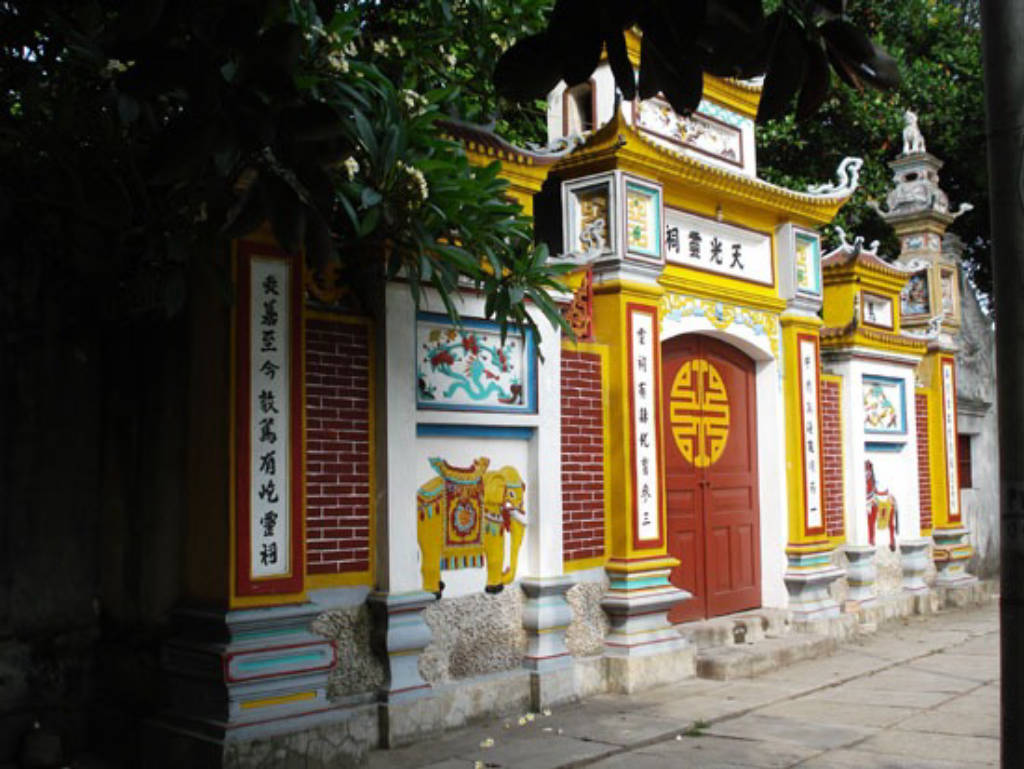
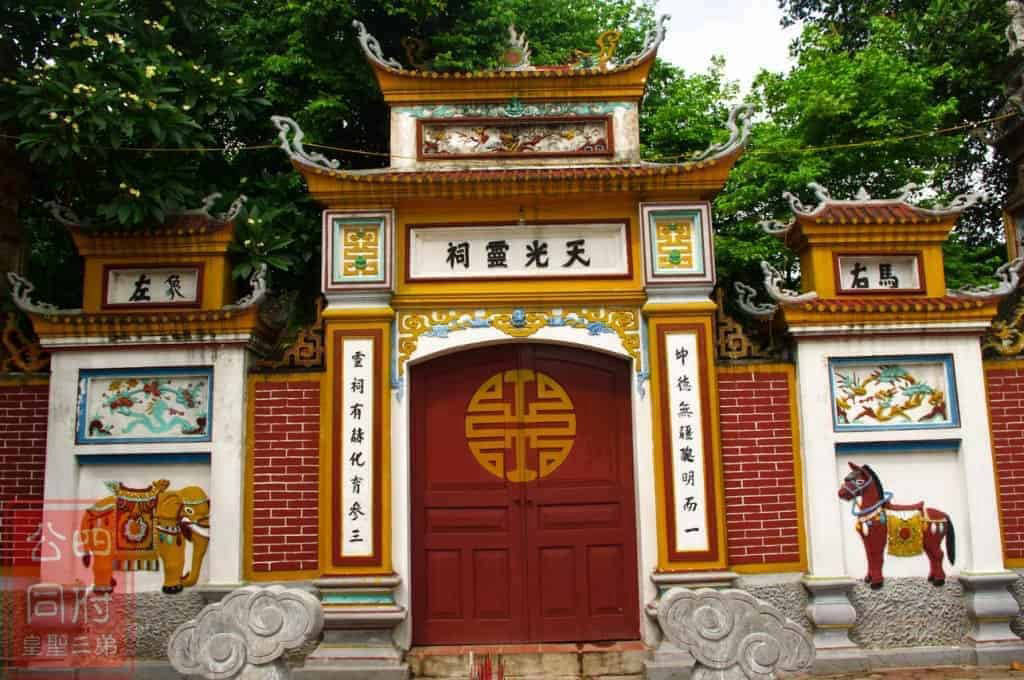
Đền ghềnh
 Bồ Đề, Gia Lâm, Hà Nội
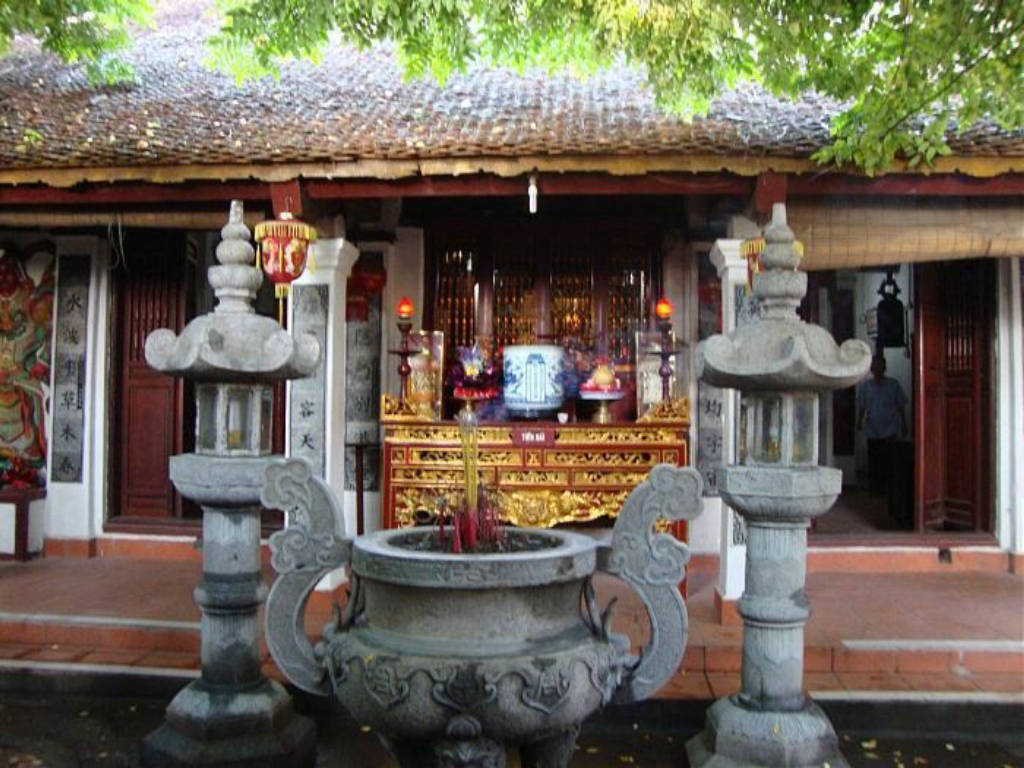
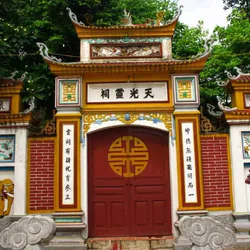
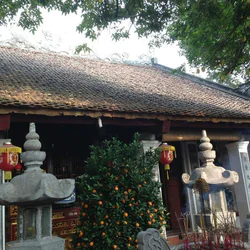
Đền Ghềnh có tên chữ là "Thiên quang linh từ", gần cầu Chương Dương, thuộc phường Bồ Đề. Gọi là đền Ghềnh vì trước kia, ngay trước cửa đền có một thác nước lớn. Theo năm
Đền Ghềnh nằm trong một con ngõ sâu dưới chân dốc cạnh cầu Chương Dương, thuộc quận Long Biên, Hà Nội. Xưa kia, trước đền có một thác nước, chính vì vậy mà người ta gọi là “đền Ghềnh”. Ngôi chùa gắn liền với cuộc đời của công chúa Lê Ngọc Hân, người từng được coi là “bà tiên chúa” vì tài sắc vẹn toàn. Ngọc Hân kết duyên cùng Quang Trung Nguyễn Huệ, người đã đánh tan 2 vạn quân Thanh xâm lược năm 1789.
Cuộc tình giữa Ngọc Hân và Nguyễn Huệ chỉ kéo dài 6 năm, sự ra đi đột ngột của vị hoàng đế tài ba đã khiến công chúa xinh đẹp thành Thăng Long vì thương khóc chồng mà viết nên tác phẩm "Ai tư vãn" bất hủ. Bảy năm sau, ở tuổi 29, nàng lặng lẽ đi theo Quang Trung vào cõi vĩnh hằng.
Nhà Nguyễn lên ngôi đã tìm cách tận diệt và trả thù những người có liên quan đến triều đại Tây Sơn. Bà Chiêu nghi Nguyễn Thị Huyền, xót phận con gái Ngọc Hân sau khi mất, vẫn phải gửi thân xác ở Phú Xuân - Huế nên đã tìm cách bí mật đưa được hài cốt Bắc cung Hoàng hậu nhà Tây Sơn về an táng tại quê nhà làng Nành, Gia Lâm. Thật không may, đến đời vua Minh Mạng ngôi mộ bị lộ và việc đến tai vua. Cho rằng ngụy hậu nhà Tây Sơn vẫn còn được mồ yên mả đẹp an táng tại quê ngoại mà thoát án trả thủ 9 năm theo lệnh vua Gia Long. Triều đình Huế lập tức sai quân quật mộ Ngọc Hân công chúa, san phẳng cho cỏ dại mọc còn xương cốt thì quăng xuống sông Hồng. Vị trí hài cốt của Ngọc Hân công chúa bị đổ xống sông Hồng thuộc địa phận làng Ái Mộ ngày nay.
Dân làng xót thương Hoàng Hậu tài hoa bạc mệnh đã lập miếu thờ chính nơi bờ sông vớt dược hài cốt. Nhưng ít lâu sau, ngôi miếu nhỏ cũng bị lũ cuốn trôi mất. Tới năm 1858, cụ Đặng Thị Bản đã bỏ tiền công đức tôn tạo đền chùa ở Ái Mộ, ngôi đền cũng được xây dựng lại. Năm 1872, một lần nữa ngôi đền lại bị giặc Pháp đốt sạch tron cơn binh lửa đánh thành Hà Nội. Cụ Bản lại một lần nữa quyên góp xây dựng lại ngôi đền. Trải qua bao thăng trầm, binh lửa, đền Ghềnh hiện vẫn được con cháu cụ Bản trông coi và dân làng gìn giữ ngôi đền như báu vật cho tới ngày nay.
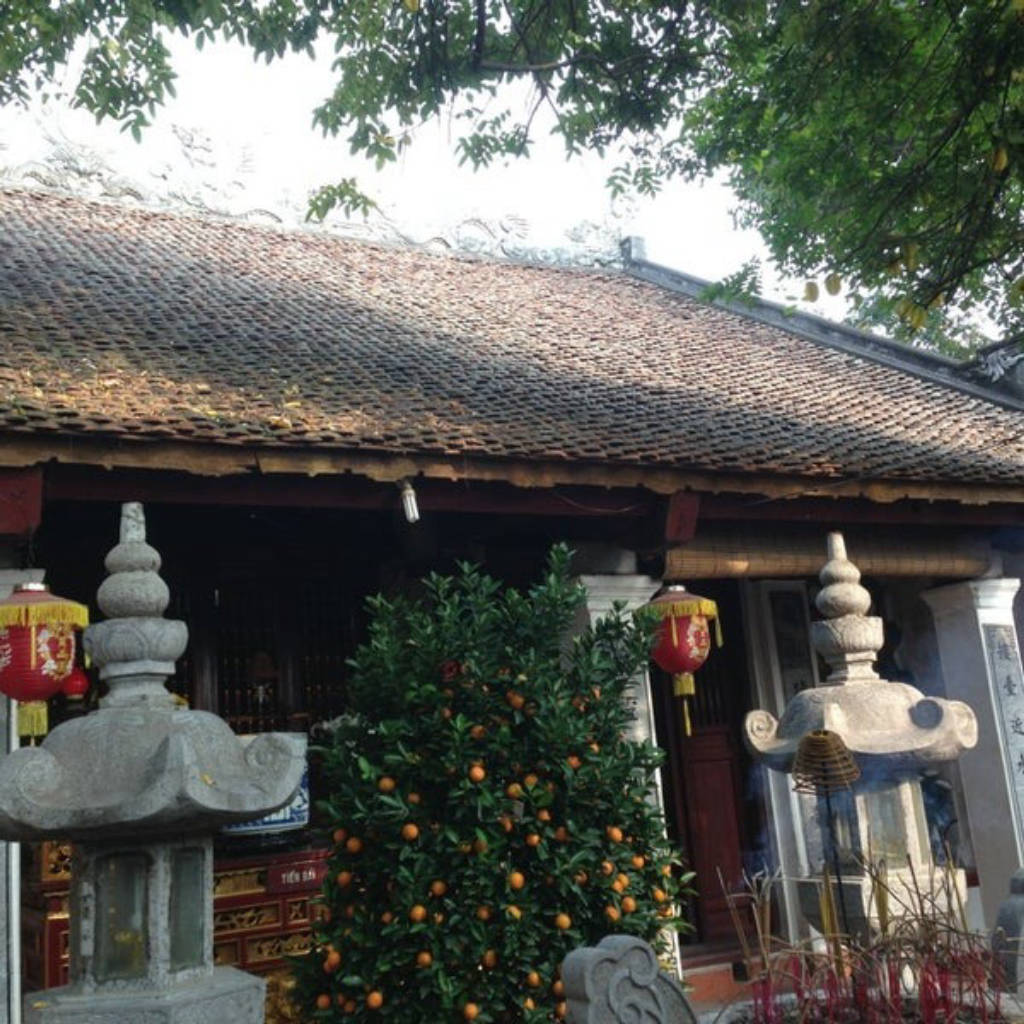
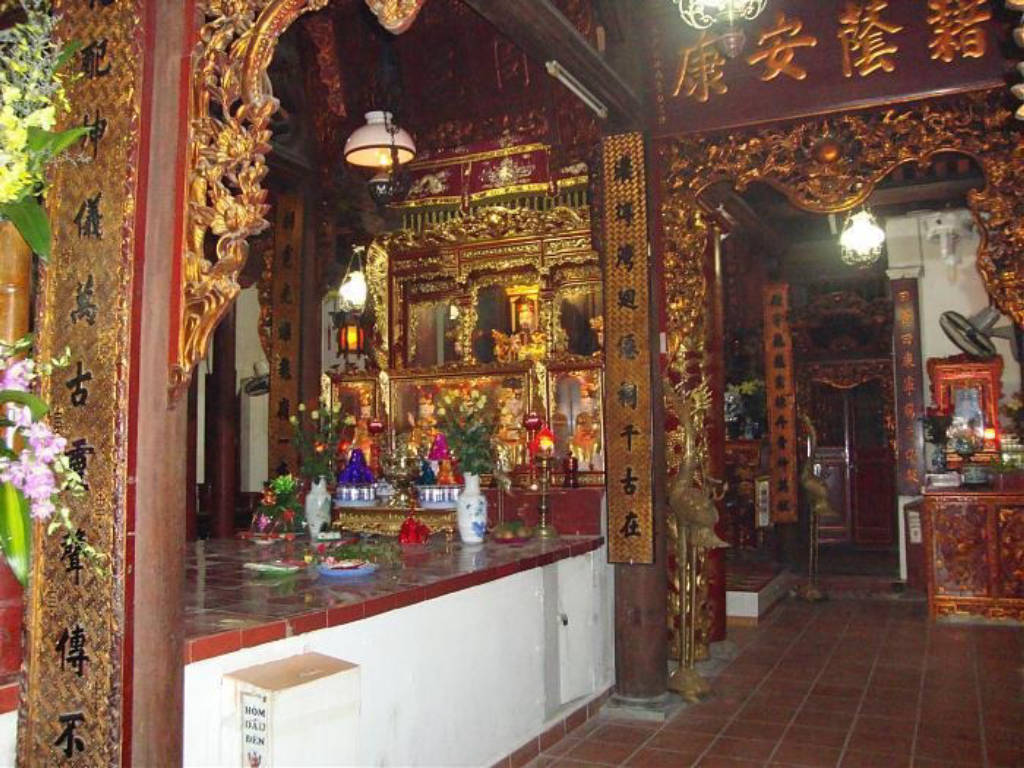
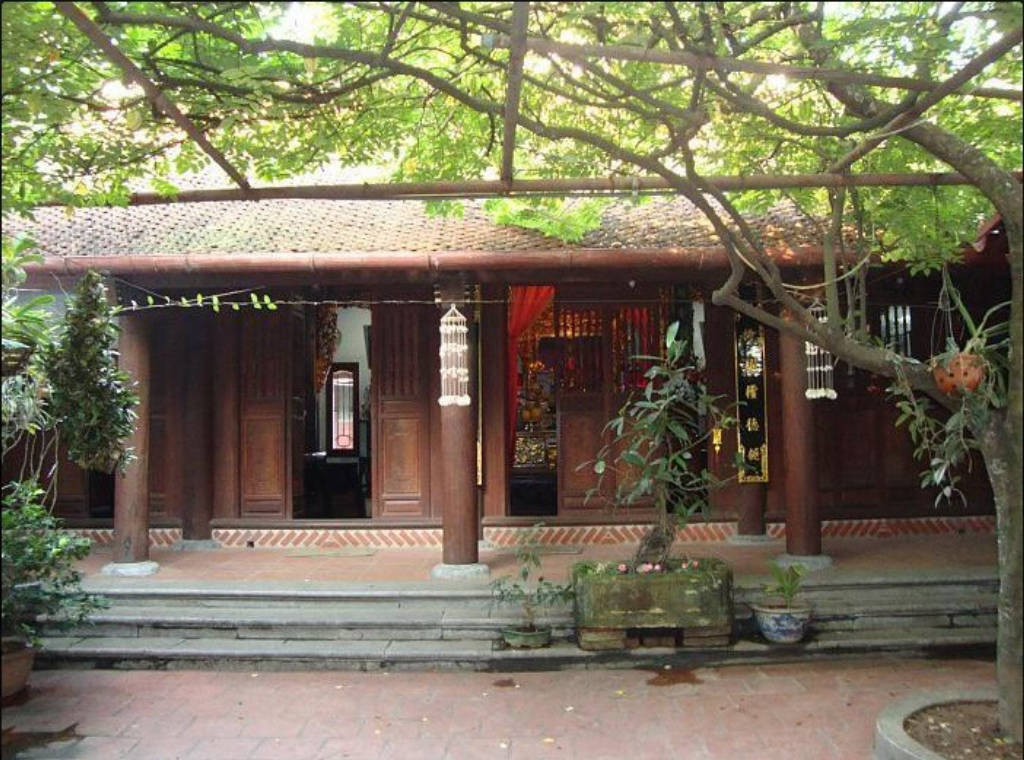
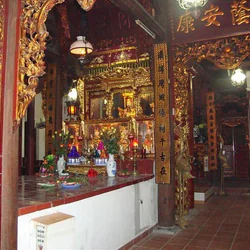
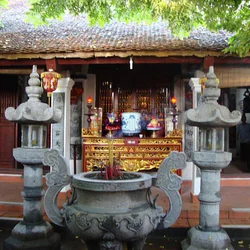
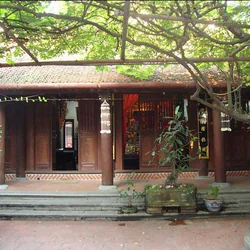
Đền hiện có các hạng mục chính như: điện mẫu, điện sơn trang, nhà tổ, nhà khách và khu vực phụ trợ. Trong Đền còn lưu giữ được nhiều di vật quý: quả chuông được đúc vào thời Tự Đức, hai cỗ kiệu được trang trí bằng nghệ thuật chạm trổ, các bức đại tự, cuốn thư, hoành phi và câu đối. Cùng với các di vật quý, di tích Đền Ghềnh ngày nay đã trở thành một công trình kiến trúc cổ kính, được đông đảo du khách cả nước biết đến.
Bên cạnh những giá trị vật thể, tại di tích này, hàng năm đều diễn ra Lễ hội Đền Ghềnh nổi tếng khắp cả nước với nhiều hoạt động mang đặc trưng của vùng đồng bằng sông Hồng. Lễ hội thể hiện ước nguyện của người dân về mùa màng bội thu, cuộc sống ấm no, hạnh phúc; đồng thời tưởng nhớ đến nỗi đau của Hoàng hậu Lê Ngọc Hân. Lễ hội Đền Ghềnh lần đầu tiên được tổ chức vào đời Thành Thái, khoảng năm 1889; bắt đầu từ ngày 1 tháng 8 và kết thúc vào ngày 12 tháng 8 âm lịch hàng năm.