


 Tiếng Việt
 English
 한국어
한국어 日本語
日本語 简体中文
简体中文 Français
 Deutsch
 Español
 Italiano
 Русский


 Đăng nhập cho Doanh nghiệp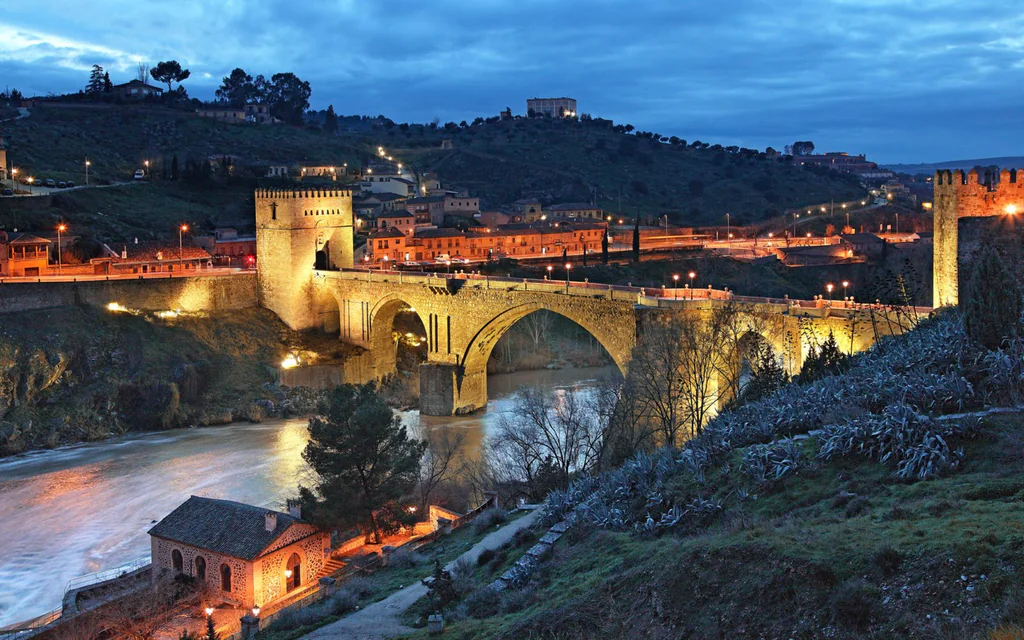
Cầu Thánh Martin
 Bajada San Martín, Toledo, Tây Ban Nha
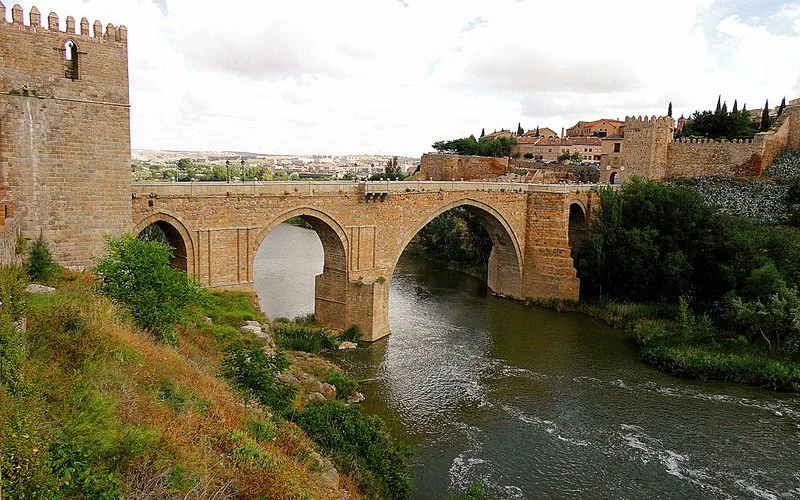
Trải dài trên Sông Tagus hùng vĩ, Puente de San Martín tô điểm cho cảnh quan thành phố Toledo, Tây Ban Nha, như một minh chứng cho kỹ thuật thời Trung cổ và di sản văn hóa lâu dài.
Trải dài trên Sông Tagus hùng vĩ, Puente de San Martín tô điểm cho cảnh quan thành phố Toledo, Tây Ban Nha, như một minh chứng cho kỹ thuật thời Trung cổ và di sản văn hóa lâu dài. Được xây dựng vào cuối thế kỷ 14, cây cầu mang tính biểu tượng này không chỉ là phương tiện giao thông tiện dụng mà còn là biểu tượng cho sự giàu có về lịch sử và sức mạnh kiến trúc của Toledo.
Được ủy quyền bởi Đức Tổng Giám mục Pedro Tenorio, Puente de San Martín được xây dựng từ năm 1318 đến năm 1321 dưới sự chỉ đạo của người xây dựng bậc thầy Alvar Martínez. Cây cầu được đặt theo tên của San Martín, vị thánh bảo trợ của tổng giám mục, đóng vai trò là cầu nối quan trọng giữa thành phố và vùng nông thôn xung quanh.
Thiết kế của cây cầu phản ánh kiến trúc quân sự thời đó, với những tòa tháp đồ sộ, những hốc phòng thủ và một cổng trung tâm. Đứng sừng sững trên sông, cây cầu bao gồm năm vòm nhọn, mỗi vòm góp phần tạo nên hình dáng đặc biệt của nó. Ở trung tâm của cây cầu là một nhà nguyện dành riêng cho San Martín, bổ sung thêm ý nghĩa tôn giáo cho ý nghĩa cấu trúc của nó.
Cổng trung tâm, được trang trí bằng huy hiệu của Castile và León, đóng vai trò như một lời nhắc nhở về nguồn gốc thời trung cổ của cây cầu. Các hốc tường phòng thủ, được gọi là "cubos", từng là nơi đặt lính canh gác và chứa vũ khí, nhấn mạnh tầm quan trọng chiến lược của Puente de San Martín trong việc bảo vệ thành phố.
Cây cầu không chỉ là một tuyệt tác kiến trúc mà còn là một điểm ngắm cảnh thuận lợi ra toàn bộ phong cảnh ngoạn mục của Toledo. Alcázar, Nhà thờ và đường chân trời của thành phố hiện ra hết sức lộng lẫy, tạo nên một hoạt cảnh đưa du khách trở về một thời đại đã qua.
Trong suốt nhiều thế kỷ, Puente de San Martín đã chứng kiến sự thăng trầm của lịch sử, sống sót qua các cuộc chiến tranh và biến đổi. Sự hiện diện lâu dài của cây cầu đã khiến nó trở thành biểu tượng cho sự kiên cường và thể hiện sự tiếp nối về văn hóa của thành phố Toledo.