


See all results for ""

 Anytime
 Tiếng ViệtEnglish
 한국어
한국어 日本語
日本語 简体中文
简体中文 Français
 Deutsch
 Español
 Italiano
 Русский


 Login for Corporates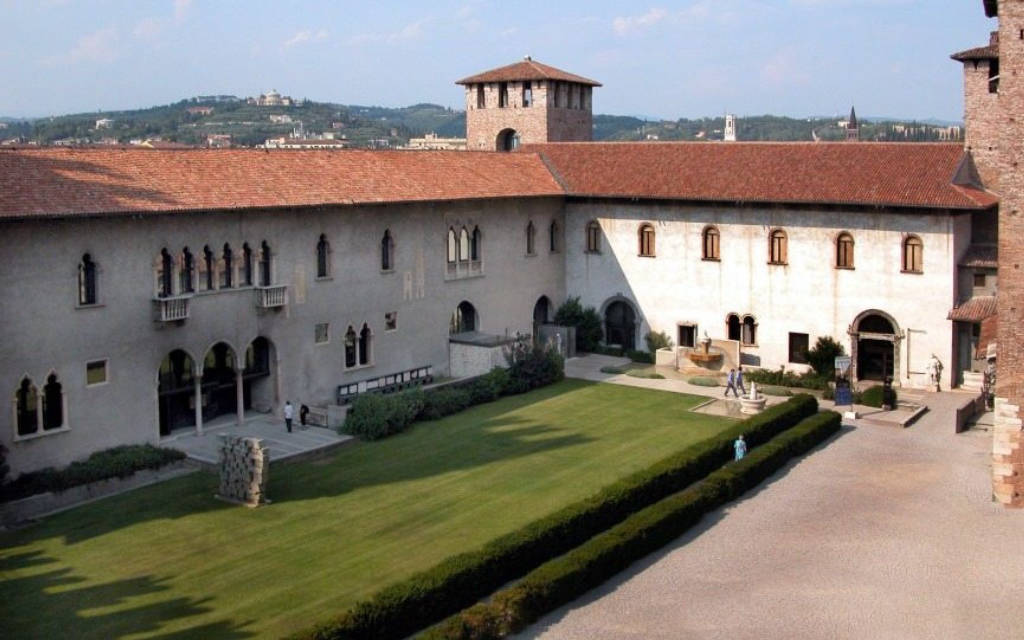
Explore the Castle and Museum of Castelvecchio
 Corso Cavour, 37121 Verona VR, Italy
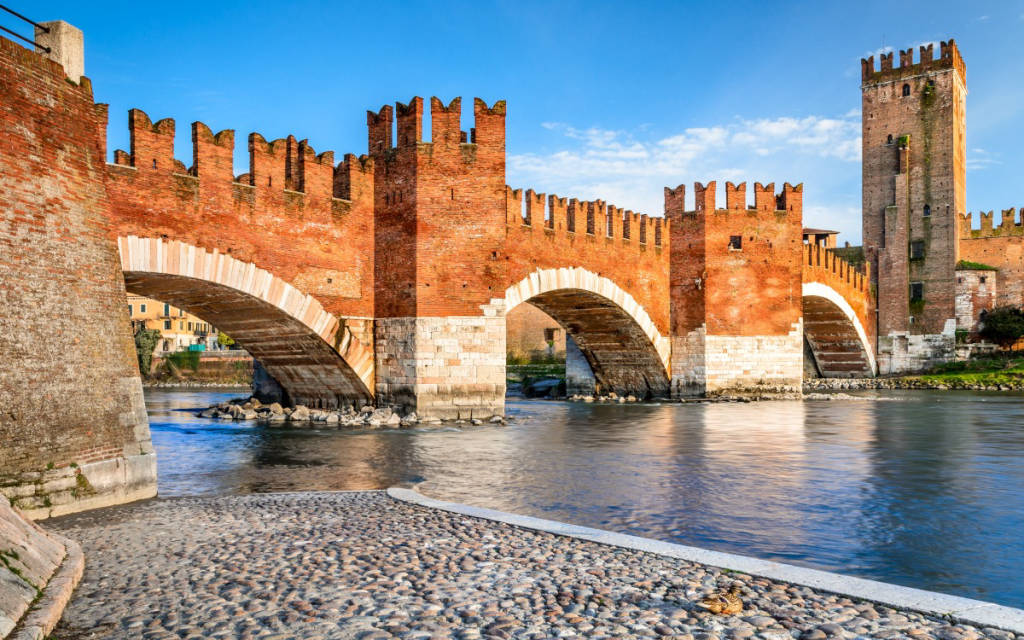
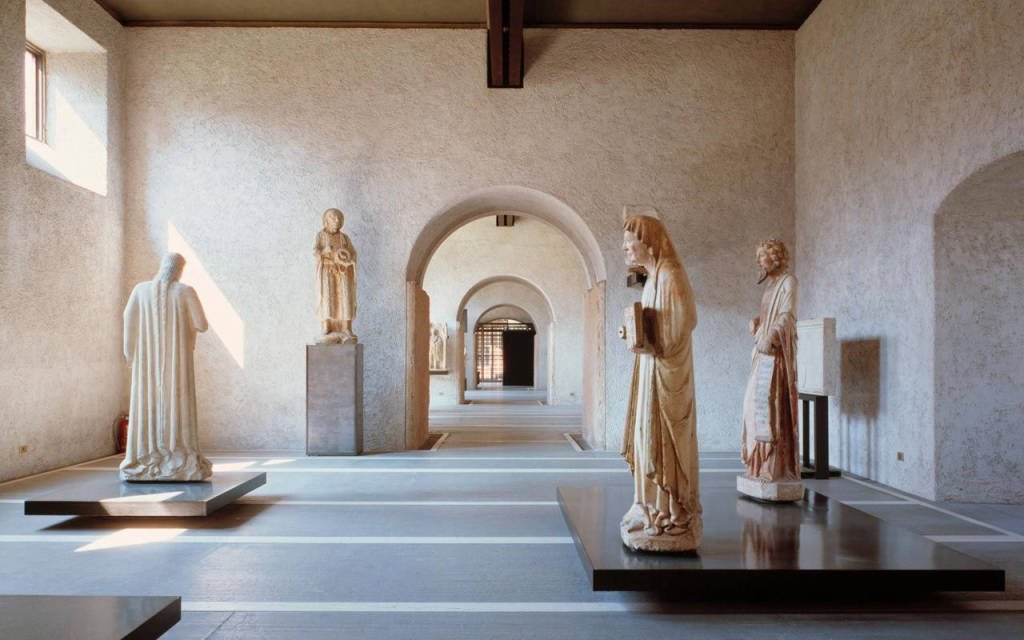
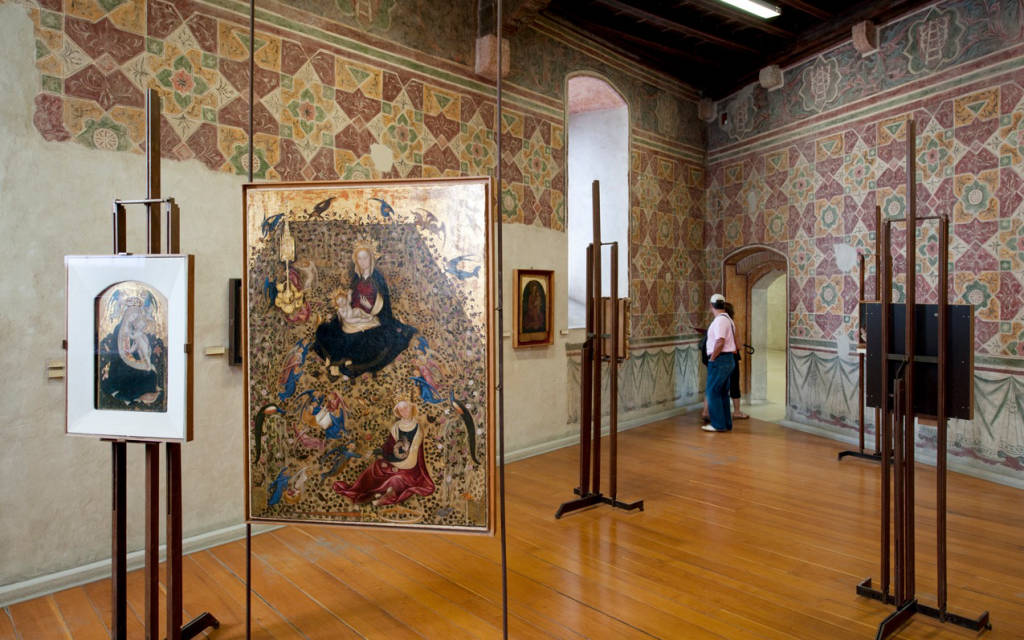
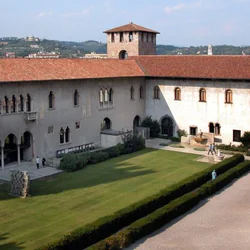
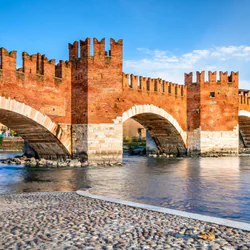
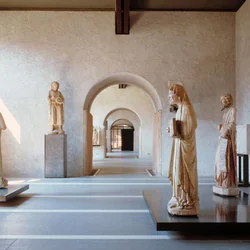
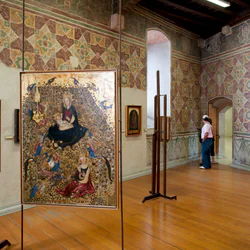
Built as a residence and fortress in the 14th century, Castelvecchio now serves as a museum displaying artifacts dedicated to medieval life in Verona. The building complex includes several towers and keep as well as a brick bridge over the river, and the former parade ground inside is now a beautiful courtyard for the museum, including 16 rooms of the former palace containing Full of sacred art, paintings, Renaissance statues, archaeological finds, coins, weapons and armor.
Built in the mid-14th century by Prince Cangrande II della Scala, after the Arena Amphitheater, it is the most imposing monument in the city. Originally called Castell di San Martino in Aquaro, it became known as Castell Vecchio when a new castle, even larger and more imposing, was built by the Visconti family on the hilltop of San Pietro.
Catelvecchio is a very large fortress, distinguished by its imposing appearance with its military design, punctuated by the key positions arranged along the walls and by the seven towers at each corner. It was built between 1354 and 1357 by Cangrnde II, who in a tumultuous era of war wanted to move his court into a secure manor house.
The complex consists of two parts, divided by imposing thirteenth-century walls. To the left, coming from Roma, there is the Reggia degli Scaligeri, protected by a narrow courtyard with a double wall. In the center is the tall main tower (Torre del Mastio), from which the fortified Scaligero bridge with three arches flows across the river, integrating the castle's defenses, forming a superb example of world engineering. 14th century. To the right of the structure there is a large rectangular courtyard, originally intended for parades; In the center there is a fountain in the shape of a curious dog, a symbol of Scaliger loyalty. Through the ups and downs of history, the castle is often used as a fortress. Under Venetian domination, it was destined to be an armory and garrison; During the Napoleonic occupation, the structure was modified and the building was built along the river; with the Austrians, it was used as an army barracks for the occupiers.
During the first decades of the twentieth century, the Castelvecchio was restored for the first time and turned into a museum (inaugurated in 1923), which houses the prestigious display of civic art collections formerly held by kept at the Palazzo Pompei. Between 1958 and 1964, Castelvecchio's fortress was restored and rebuilt by the great Venetian architect Carlo Scarpa, who developed the original structures and highlighted the subsequent stratification. A restoration in which materials typical of the Veronese tradition, such as Prun stone slabs, intermingle with modern steel and concrete, support and connect ancient parts
open on Monday from 1.30pm to 7.30pm
Tuesday to Sunday from 8:30am to 7:30pm
(last visitor: 6.45pm)
Fare:
Economy ticket: €6.00
Discounts for groups, seniors (over 60) and students: €4.50
discount for schools / children 8-14 years old (only when accompanied by an adult): € 1.00
Castelvecchio / Maffeiano combo: full price € 7.00 - discount: € 5.00
free admission: senior residents of the City of Verona (65+) - people with disabilities and their carers - children up to 7 years old - with a pass through VeronaCard