


See all results for ""

 Anytime
 Tiếng ViệtEnglish
 日本語
日本語 한국어
한국어 简体中文
简体中文 Français
 Deutsch
 Español
 Italiano
 Русский


 Login for Corporates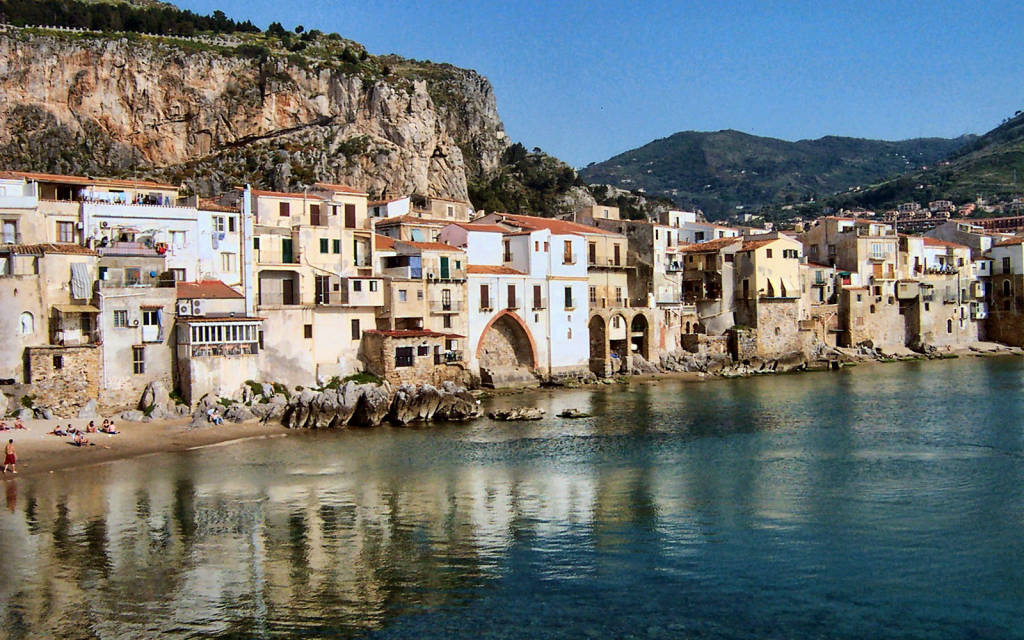
Cefalù Village - Sicily
 90015 Cefalù, Province of Palermo, Italy
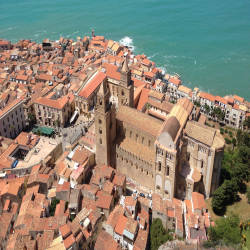
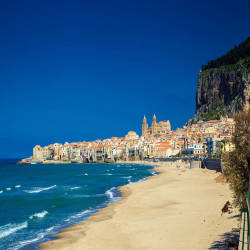
The village of Cefalù, located on the northern coast of Sicily, about 70 kilometers from Palermo, is one of the most beautiful villages in Italy and one of the busiest, attractive destinations on the island. Cefalù village is probably the first Sicilian image you see.
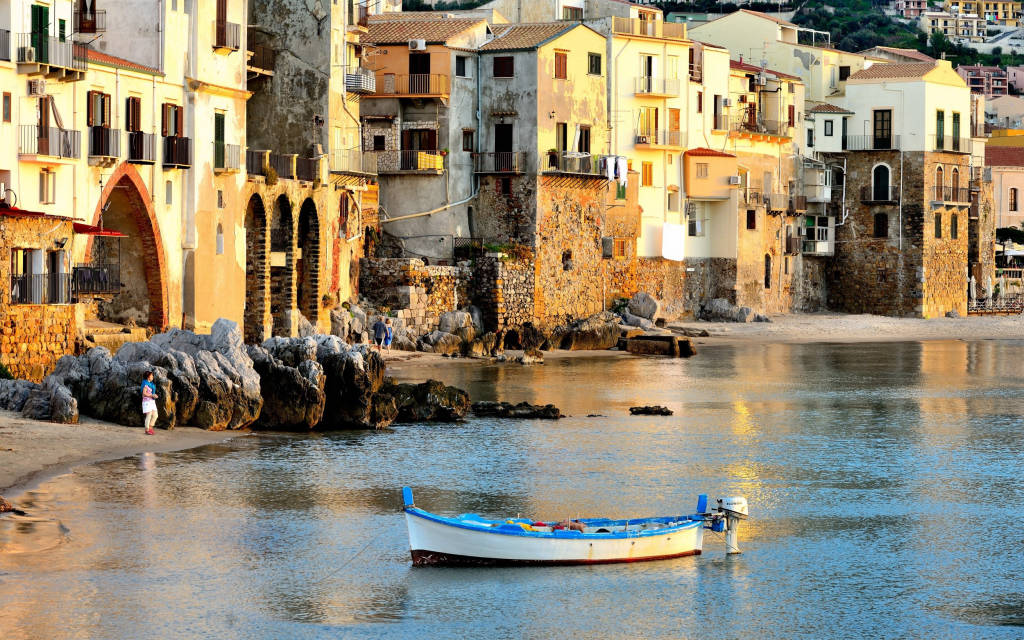
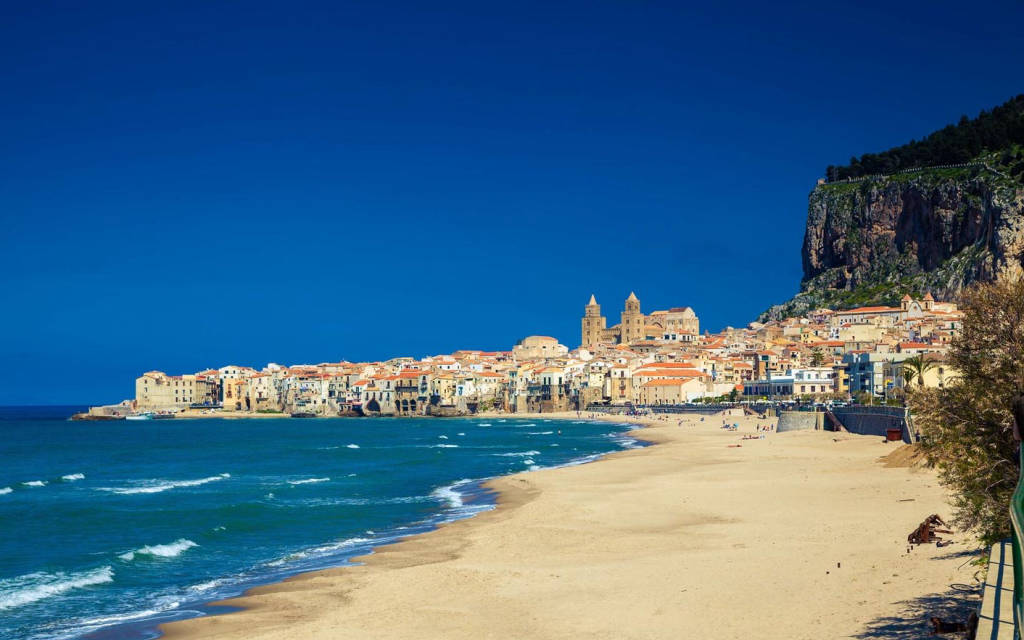
The landscape of Cefalù village really attracts at sunset with an unobtrusive charm. The sandy beaches stretch out under the brilliant sunshine, a picturesque historic town perched on the rocky slopes with a characteristic Norman culture, convenient transport links, and rich Sicilian cuisine make the village Cefalù becomes one of the most attractive destinations for an Italian seaside vacation.
Unlike the modern beach resorts or developed fishing villages that dot Italy's coast, Cefalù has a majestic past. The Norman rulers of Sicily - emperor Roger II - built a glorious church here. In its later development, the large and elegant structures in the town were built not only in the Norman and Byzantine styles, but also in Arabic, Spanish and Italian. Today tourism is a large profitable industry here and the village extends along the coast all the way to the historic centre.
In the evening, one of the tourist attractions to Cefalù is the sandy beach that stretches along the town. It is very attractive and especially crowded during the peak summer months of July and August. Some of the beaches here charge a fee.
Today, when coming to Cefalù village, visitors can visit the following famous spots:
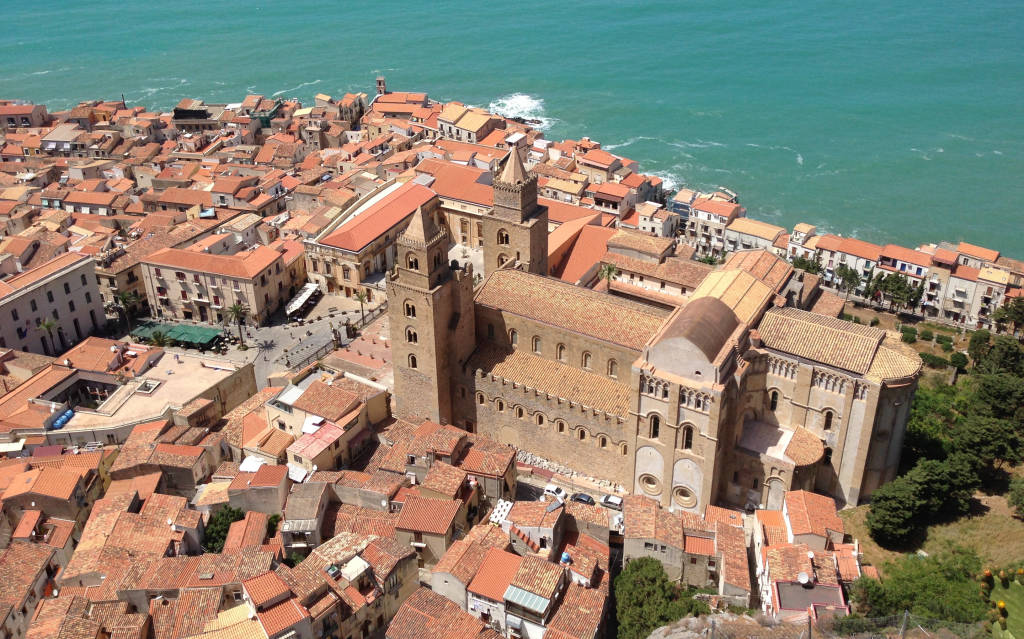
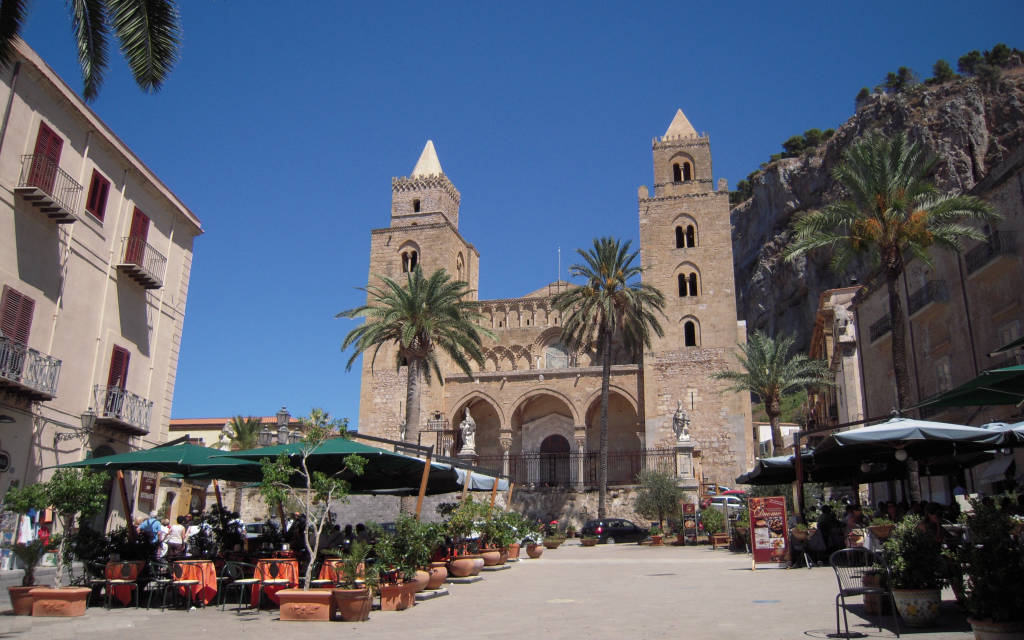
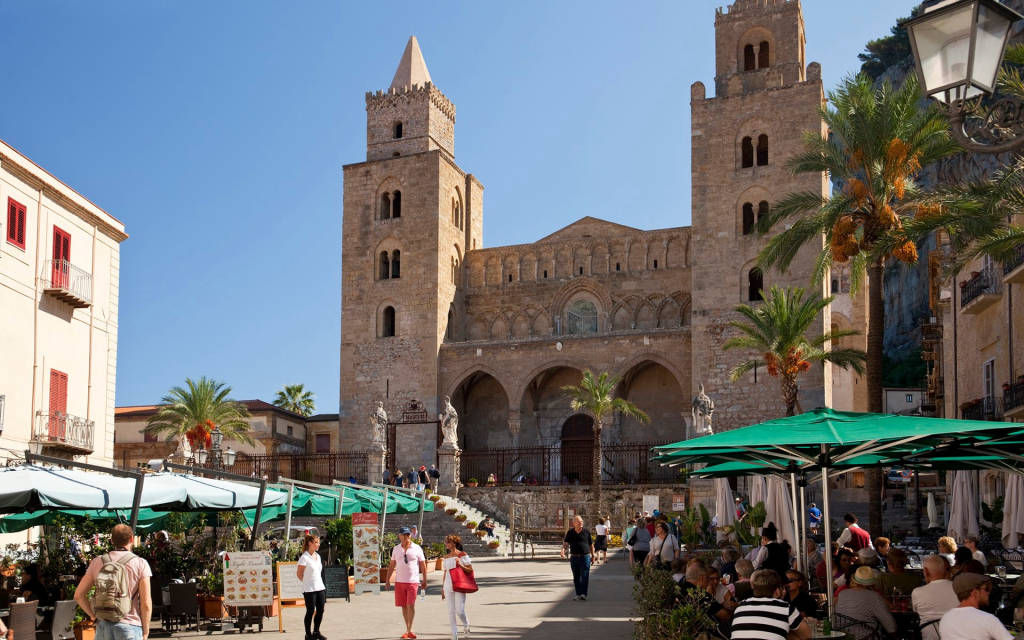
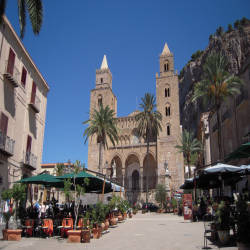
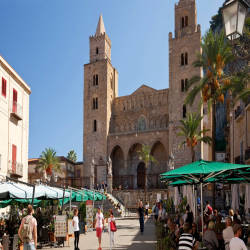
Cefalù Cathedral: Located in the historic district, Cefalù's other great tourist attraction is the town's cathedral, a beautiful and imposing two-story Norman church. Started in 1131, this mighty church became the cathedral in the town. The interior of the building is decorated with lovely mosaics created by Byzantine artists in the twelfth century. These glittering mosaics are one of Sicily's best attractions.
Rocca slope and Cefalù . harbor
Located above the cathedral and the town center is the Rocca slope. It is a steep slope that runs to the top of the hill. Near the summit, visitors will admire the ruins of the so-called 'Tempio di Diana' (temple of Diana), an ancient megalithic structure built in the 5th century BC in the style of Ancient Greece. Around the top of Rocca are wonderful views and various parts of the old fortifications, including a section of the (restored) battlefields.
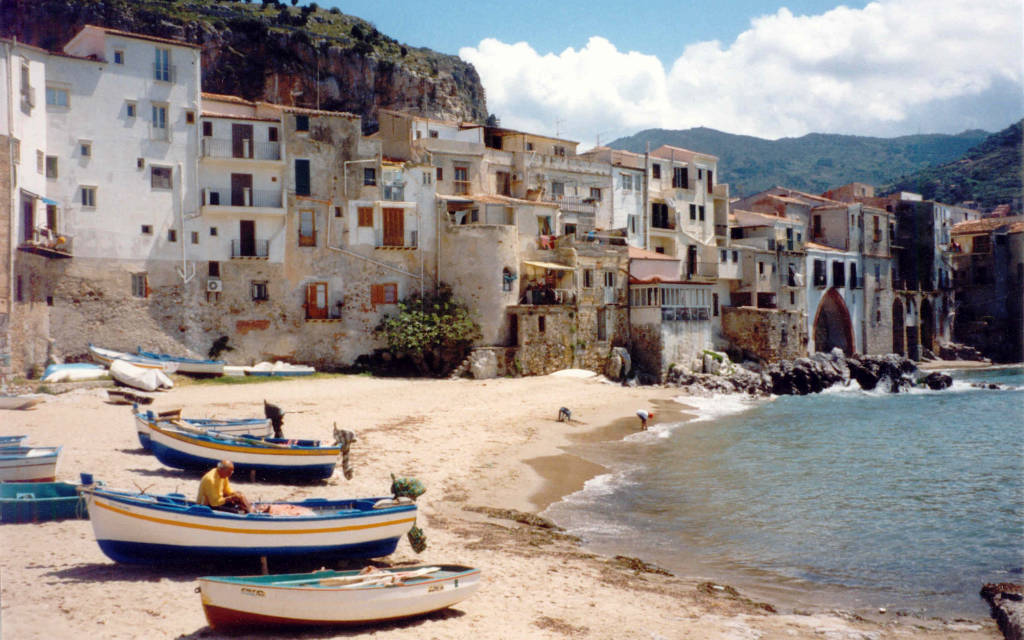
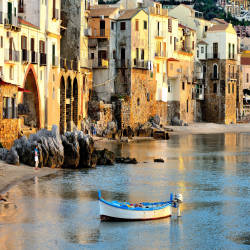
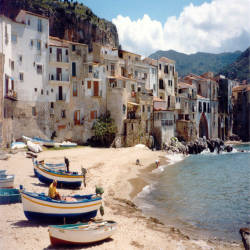
Back in town you can admire the picturesque harbour, alleyways and medieval buildings. A medieval public toilet and the remains of a grand palace from the 13th century. A stone path winding along the coast offers visitors an exciting adventure of discovery.
Mandralisca Museum: An important stop on any cultural journey is Cefalù's town museum, the Mandalisca Museum. The collection is not large, but it does include a number of gems, a portrait of Antonello da Messina and a striking 4th century BC vase decorated with a fisherman.
Around Cefalù, places of interest include the Sanctuary of Gibilmanna, a hillside pilgrimage destination, the Greek ruins of Himera, and the Monti Madonie mountain range, where visitors can ski in winter and hike long in spring and autumn. A trip to Cefalù village offers interesting experiences for visitors.