


""에 대한 모든 결과 보기

 언제든지
언제든지 
 Tiếng Việt
 English한국어
 日本語
日本語 简体中文
简体中文 Français
 Deutsch
 Español
 Italiano
 Русский


 기업 로그인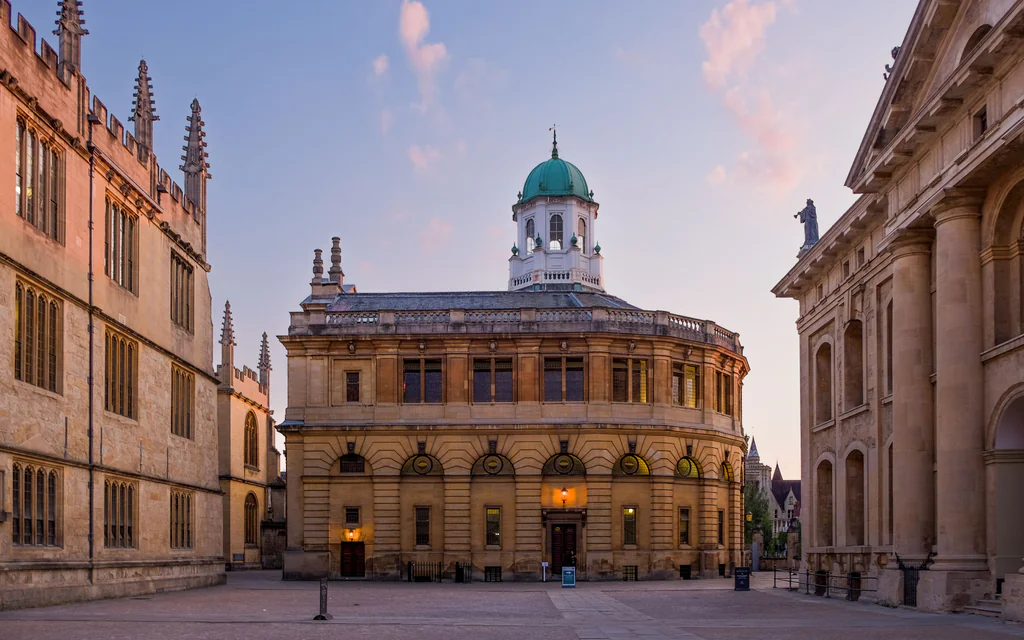
Sheldonian Theatre
 Broad St, Oxford OX1 3AZ, Vương Quốc Anh
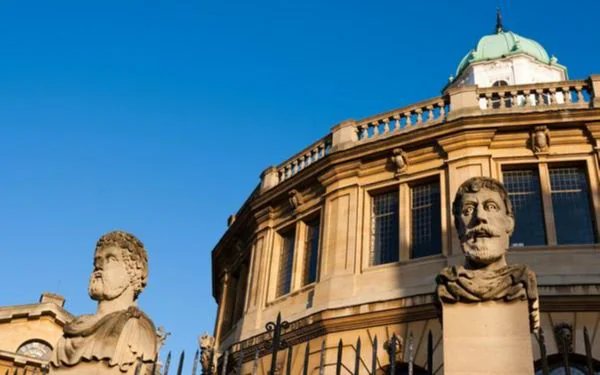
Nestled in the heart of Oxford, the Sheldonian Theatre stands as an architectural jewel, a testament to the vision of Sir Christopher Wren and a bastion of academic tradition.
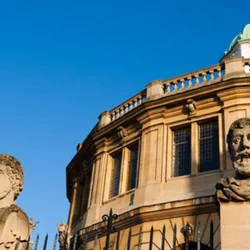
Nestled in the heart of Oxford, the Sheldonian Theatre stands as an architectural jewel, a testament to the vision of Sir Christopher Wren and a bastion of academic tradition. Constructed between 1664 and 1669, this iconic structure embodies the elegance and intellectual vibrancy that define Oxford University.
The theatre was commissioned by Archbishop Gilbert Sheldon as a venue for university ceremonies, including graduations and concerts. Its circular design, a departure from traditional auditorium layouts, is both aesthetically captivating and acoustically remarkable. The roof, crowned by a distinctive cupola, adds a touch of grandeur to the Oxford skyline.
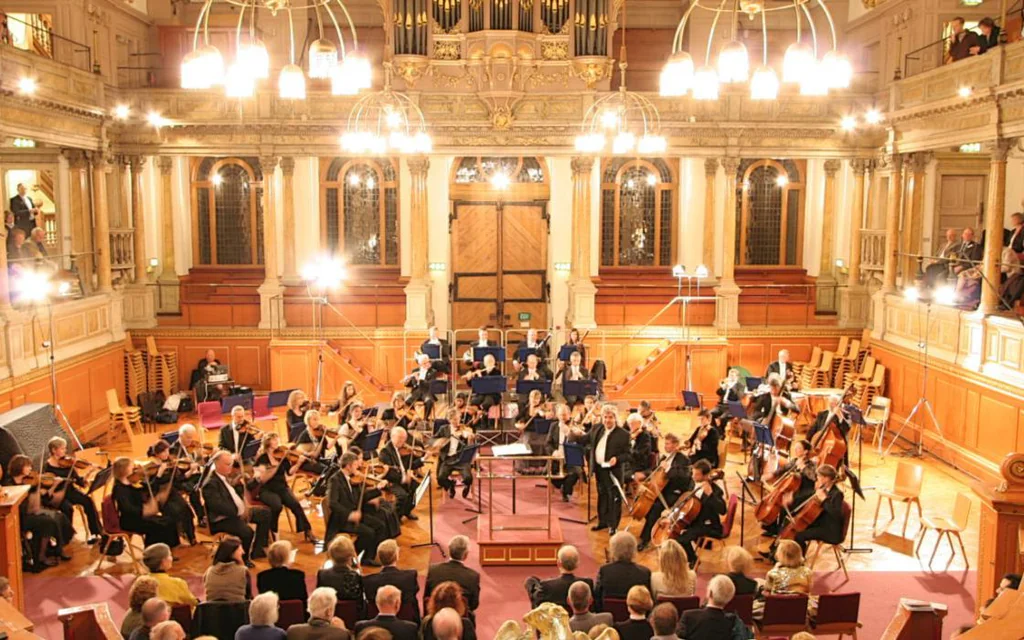
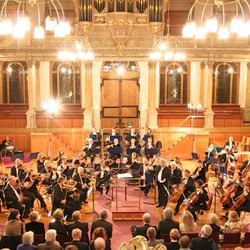
The interior of the Sheldonian Theatre is a symphony of classical elements. The semi-circular seating arrangement, known as the tiers, provides an intimate setting for ceremonies and performances. The ceiling, adorned with an elaborate mural by Robert Streater, depicts the Apotheosis of James I—a celestial scene that adds a celestial touch to the space.
The Sheldonian Theatre's significance extends beyond its architectural beauty. It serves as a ceremonial stage where generations of students have received their degrees, marking the culmination of years of academic dedication. The Sheldonian's Convocation House, adjacent to the main building, is equally steeped in history and tradition, hosting gatherings that underscore the university's commitment to intellectual excellence.
Beyond its role in academia, the Sheldonian Theatre opens its doors to the public for a variety of cultural events. Concerts, lectures, and even theatrical performances breathe life into this venerable space, allowing it to evolve while preserving its timeless charm.
The Sheldonian Theatre, with its harmonious blend of form and function, is a living testament to Oxford's commitment to the marriage of aesthetics and academia. As one stands within its hallowed halls or gazes upon its iconic exterior, there's a sense of being part of a tradition that transcends time—a tradition that continues to inspire and enrich the intellectual landscape of Oxford.