


See all results for ""

 Anytime
 Tiếng ViệtEnglish
 한국어
한국어 日本語
日本語 简体中文
简体中文 Français
 Deutsch
 Español
 Italiano
 Русский
- USDPopular CurrenciesVNDVietnamese DongUSDU.S. DollarEUREuroSGDSingapore DollarAUDAustralian DollarOther currenciesCHFSwiss FrancCADCanadian DollarKRWSouth Korean WonJPYJapanese YenCNYChinese YuanGBPBritish PoundHKDHong Kong DollarINRIndian RupeeMYRMalaysian RinggitTHBThai BahtPHPPhilippine Peso

 Login for Corporates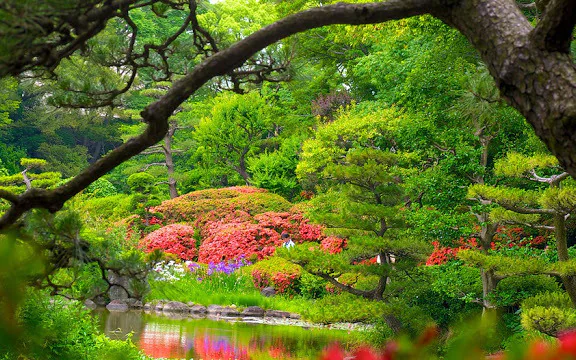
Tennoji Park
 Osaka - Japan
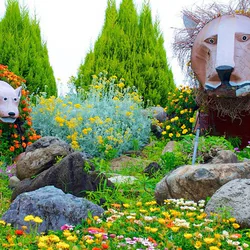
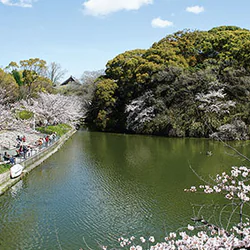
Tennoji Park is a good place for a few hours of walking , which offers historical, cultural and scientific experiences.
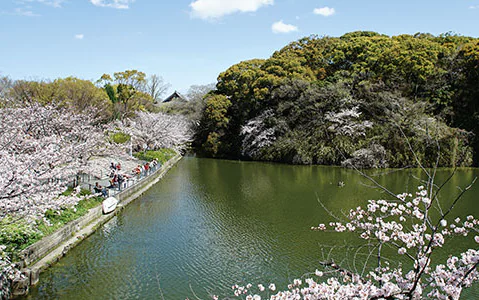
The park includes a traditional Japanese garden called Keitakuen, Osaka City Museum of Art, Tennoji Zoo, and Chausuyama Burial Mound. This area is suitable for some family bonding time or if you are simply looking for a place closer to nature in the city
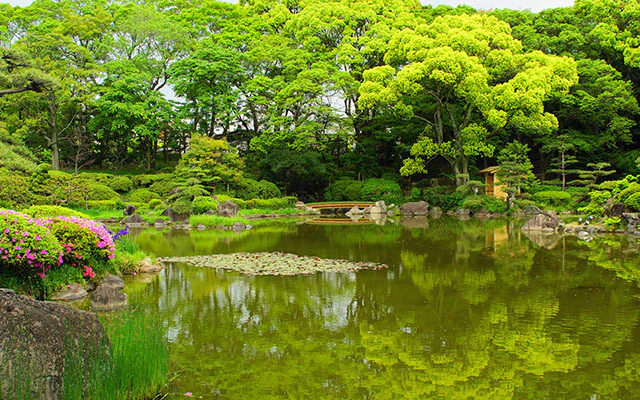
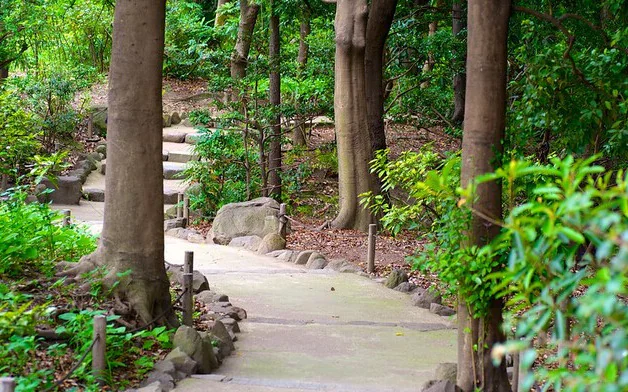
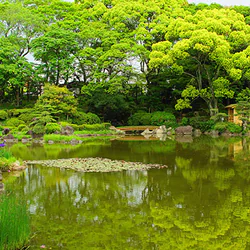
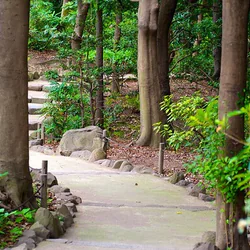
Keitakuen is a purely Japanese-style garden in Tennoji Park. This is a rinsen-kaiyushiki ("walking garden of woods and streams") style, best to take a stroll around to see all the angles. This park was given back to Osaka City in 1926 by the Sumitomo family, a wealthy merchant family. The garden was designed and built by Jihei Ogawa VII. Also known as "Ueji", Jihei Ogawa VII created other famous gardens, such as Heianjinguushin'en, Murayama Park and Murin'an, all in Kyoto. He is credited with establishing the prevailing modern garden landscape style in Japan. The centerpiece of the garden is a large pond, around which features such as artificial hills, terraces and bridges are placed. In a technique called sawatari, stone steps are placed to infuse walkers with the vitality of the rushing water beneath their feet. Flowing water and other interesting natural elements make this modern, bright and spacious park a delight for the senses. Keitakuen also has a serene and charming Choseian tea house. This tea room can be used for tea ceremonies, poetry readings, commemorative photos and more.
Located in the northeast area of Tennoji Park, Chausuyama is best known as the scene of a major historical conflict. During the siege of Osaka in the winter of 1614, the entire area was the military headquarters of Shogun Tokugawa Ieyasu. During the summer campaign Sanada Yukimura captured the site, during the Battle of Chausuyama. There are two theories about the origin of this man-made hill. One is that it is a "keyhole tumor", an aristocratic burial site, erected around the 5th century AD. The second is the nearby riverbed which is the remains of a canal across the Uemachi Plateau, built by Wake no Kiyomaro, and that Chausuyama consists of sediment dredged during the creation of the canal.
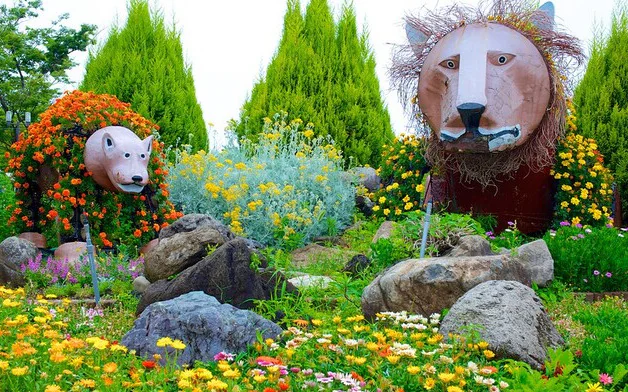
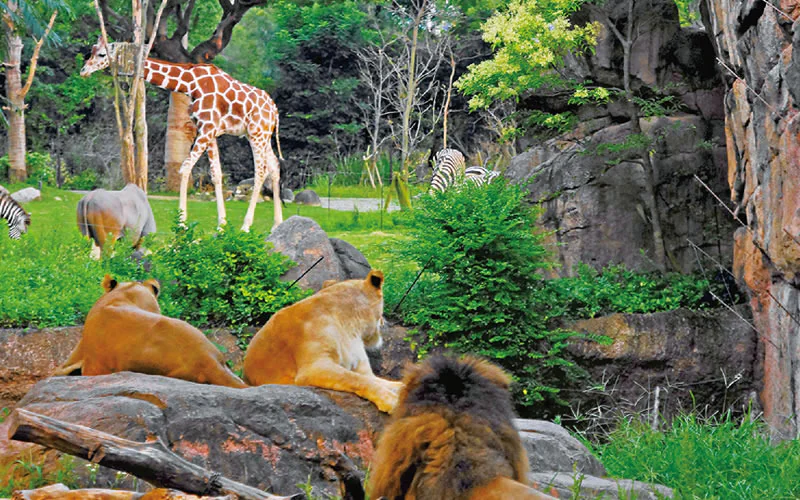
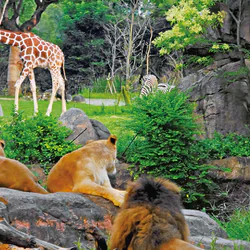
Tennoji Zoo has more than 100 years of history, opening in 1915. Visitors can meet a wide range of animals including everyone's favorite, tigers, lions and koalas. Here, in addition to observing and discovering diverse animals, visitors also hear brief presentations by zookeepers and watch events such as "snack and meal time", observe animals during mealtime, to gain a deeper understanding of animals. Admission for adults is ¥500 and children is ¥200.. Opening hours are from 09:30 to 17:00, but you can only enter until 16:00 at the latest.
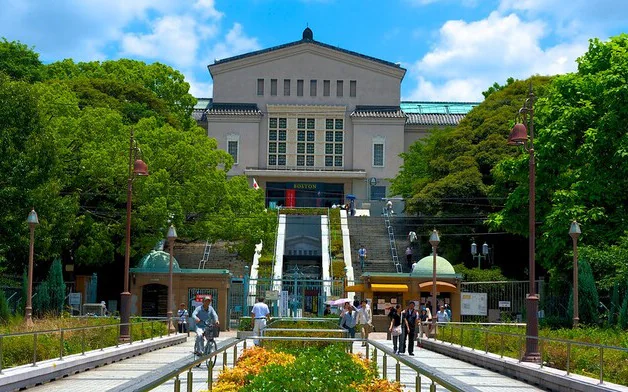
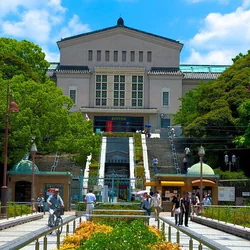
Osaka Museum of Art The permanent collection of the Osaka City Museum of Fine Arts consists of smaller collections assembled and donated by several businessmen. This gives the collection an international reach, including Etruscan works from Italy and Coptic art from Egypt, and incorporates examples of art styles that are hard to find elsewhere in Japan. . However, the majority of the properties preserved there are oriental works associated with Buddhism.