


Xem tất cả kết quả cho ""

 Ngày bất kỳ
  Tiếng Việt
 English
 한국어
한국어 日本語
日本語 简体中文
简体中文 Français
 Deutsch
 Español
 Italiano
 Русский


 Đăng nhập cho Doanh nghiệp
Ăn gì ở Hà Giang? Gợi ý món ngon đặc sản đặc sắc
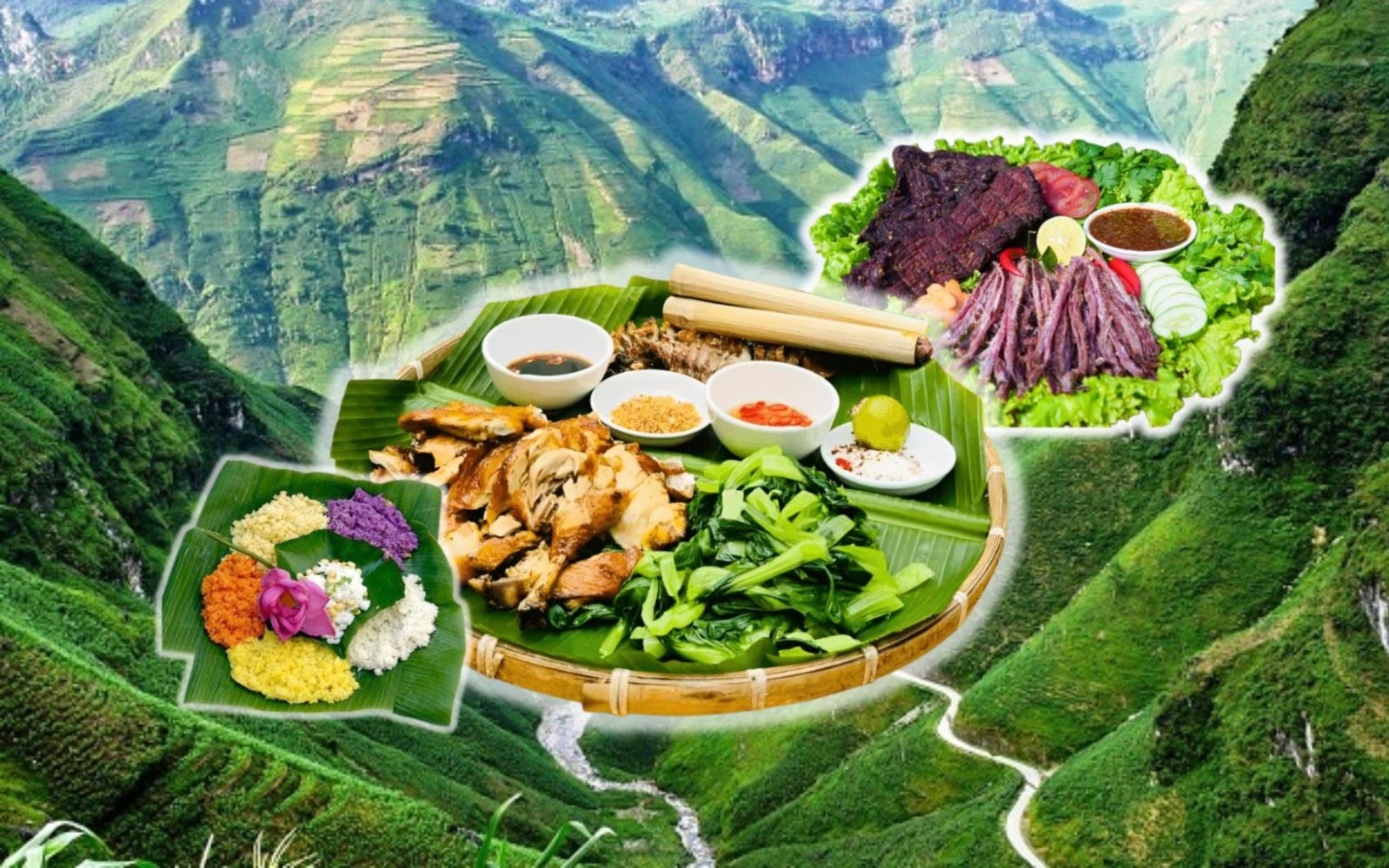
Hà Giang không chỉ hấp dẫn du khách bởi những cung đường đèo hùng vĩ hay cao nguyên đá kỳ vĩ, mà còn ghi dấu ấn mạnh mẽ bằng nền ẩm thực vùng cao độc đáo, mộc mạc nhưng đầy chiều sâu. Mỗi món ăn nơi đây đều gắn liền với đời sống, khí hậu và văn hóa của các dân tộc bản địa, tạo nên trải nghiệm ẩm thực rất riêng, không dễ tìm thấy ở nơi khác. Dưới đây là những món đặc sản Hà Giang tiêu biểu cùng những kinh nghiệm ăn uống giúp bạn hiểu và thưởng thức trọn vẹn hương vị vùng cao.
1. Khám phá ẩm thực Hà Giang – Tinh hoa ẩm thực vùng cao
Hà Giang là tỉnh miền núi nằm ở cực Bắc Việt Nam, nơi địa hình đá vôi trùng điệp, khí hậu khắc nghiệt và đời sống sinh hoạt gắn liền với núi rừng. Nhịp sống nơi đây chậm rãi, bền bỉ, được hình thành qua nhiều thế hệ của các dân tộc vùng cao, tạo nên một không gian văn hóa rất riêng, khác biệt rõ rệt so với đồng bằng hay các điểm du lịch phổ biến. Chính điều kiện tự nhiên và lối sống ấy đã ảnh hưởng sâu sắc đến cách người dân ăn uống, sinh hoạt và gìn giữ những giá trị truyền thống trong đời sống hằng ngày.
Chính vì vậy, hành trình ăn uống khám phá Hà Giang không chỉ dừng lại ở việc thưởng thức món ngon, mà còn là cách để du khách hiểu hơn về đời sống, văn hóa và bản sắc của các dân tộc nơi địa đầu Tổ quốc. Ngồi bên bếp lửa, thưởng thức một món ăn nóng hổi giữa tiết trời se lạnh, lắng nghe câu chuyện của người địa phương, đó là trải nghiệm rất riêng mà không phải điểm đến nào cũng có thể mang lại.
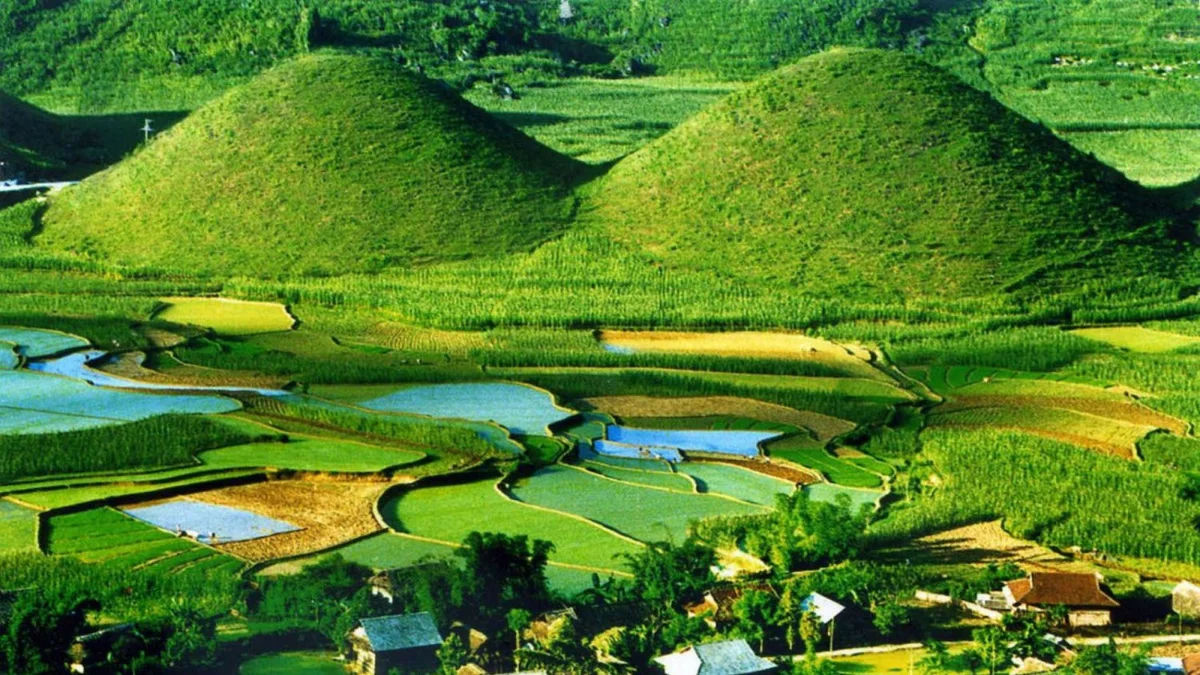
Cổng trời Quản Bạ Hà Giang mang một vẻ đẹp thiên nhiên hùng vĩ
2. Top đặc sản Hà Giang nhất định phải thử
2.1. Thắng cố
Thắng cố là món ăn truyền thống lâu đời của người Mông, thường xuất hiện trong các phiên chợ vùng cao và những dịp tụ họp đông người. Món ăn được nấu từ thịt và nội tạng ngựa hoặc bò, kết hợp với nhiều loại gia vị đặc trưng của núi rừng, tạo nên mùi vị rất đặc trưng. Với du khách lần đầu thưởng thức, thắng cố có thể là một trải nghiệm khá “thử thách”, nhưng nếu ăn đúng chỗ và đúng không khí chợ phiên, món ăn này lại thể hiện rất rõ bản sắc ẩm thực Hà Giang. Thắng cố ngon nhất khi ăn nóng, dùng chậm rãi để cảm nhận trọn vẹn hương vị và câu chuyện văn hóa phía sau món ăn.
Điểm đặc trưng của thắng cố nằm ở hương vị đậm và khá nồng, đòi hỏi người ăn cần thời gian để làm quen, đặc biệt với những ai thử lần đầu. Để cảm nhận trọn vẹn đúng tinh thần ẩm thực vùng cao, thắng cố nên được thưởng thức tại các chợ phiên Đồng Văn hoặc Mèo Vạc, khi món ăn còn nóng, dùng kèm rượu ngô truyền thống. Sự kết hợp này giúp cân bằng mùi vị, đồng thời làm nổi bật nét văn hóa bản địa gắn liền với món ăn đặc trưng của Hà Giang.
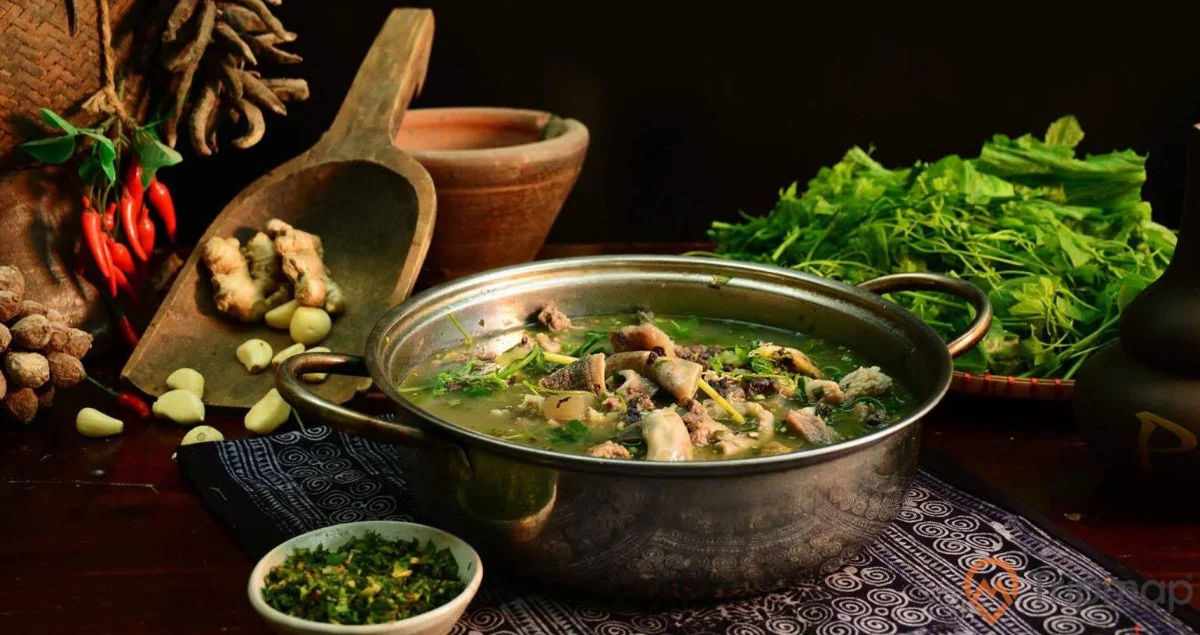
Món ăn thắng cố dân giã của người Mông
2.2. Cháo ấu tẩu
Cháo ấu tẩu là món ăn vừa mang giá trị ẩm thực vừa gắn liền với kinh nghiệm dân gian của người Hà Giang. Củ ấu tẩu vốn có độc, nhưng sau khi được sơ chế kỹ và nấu trong thời gian dài, lại trở thành nguyên liệu tạo nên món cháo đặc sánh, bùi và có vị đắng nhẹ đặc trưng. Cháo ấu tẩu thường được ăn vào buổi tối hoặc đêm khuya, đặc biệt phù hợp với thời tiết lạnh của vùng cao. Với nhiều du khách, đây không chỉ là món ăn lạ miệng mà còn là trải nghiệm ẩm thực rất riêng, khó quên trong hành trình khám phá Hà Giang.
Cháo ấu tẩu có vị bùi béo đặc trưng, xen lẫn chút đắng nhẹ, thường được nấu cùng thịt băm và trứng để tạo độ cân bằng hương vị. Đây vừa là món ăn đặc sản, vừa được xem như món giúp làm ấm cơ thể, đặc biệt thích hợp để thưởng thức vào những buổi tối se lạnh tại thành phố Hà Giang. Khi trải nghiệm món này, du khách nên lựa chọn các quán uy tín, bởi củ ấu tẩu cần được ninh kỹ trong thời gian dài để đảm bảo an toàn và giữ trọn hương vị.
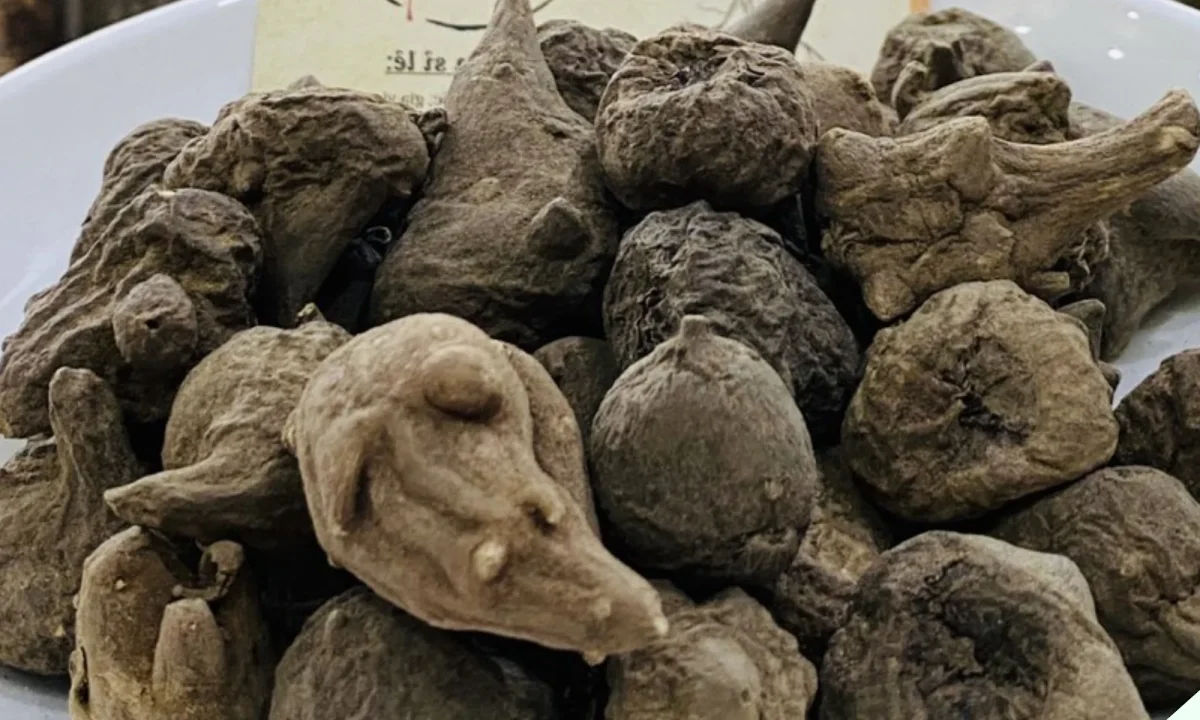
Củ ấu tẩu là nguyên liệu chính tạo nên điểm nhấn cho món ăn
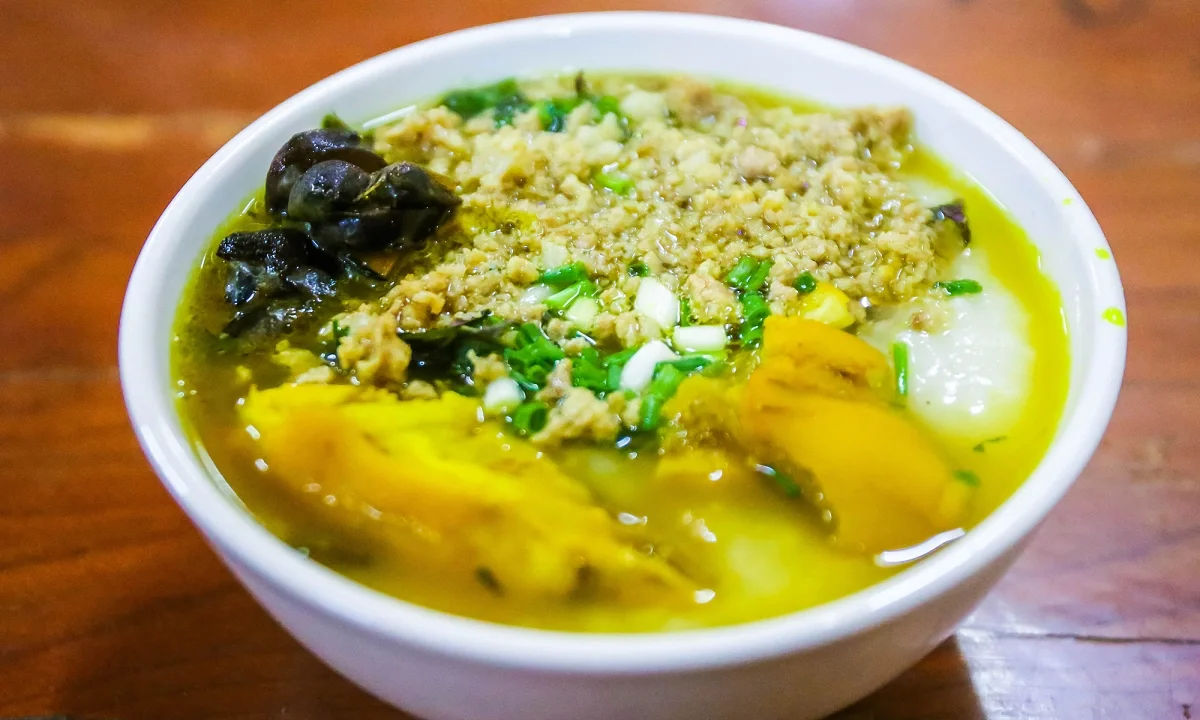
Cháo ấu tẩu được làm từ vị thuốc có độc tính là củ ấu tẩu
2.3. Phở chua Hà Giang
Khác với phở nước quen thuộc, phở chua Hà Giang mang đến cảm giác nhẹ nhàng và dễ ăn hơn, đặc biệt phù hợp vào ban ngày. Món ăn là sự kết hợp hài hòa giữa bánh phở mềm, thịt xá xíu, lạc rang, rau sống và nước trộn chua ngọt vừa phải. Phở chua không quá đậm vị nhưng lại cuốn hút bởi sự cân bằng, tạo cảm giác thanh mát sau những hành trình dài di chuyển. Đây là món ăn được nhiều du khách lựa chọn khi muốn đổi vị giữa những bữa ăn nhiều thịt và gia vị đậm.
Điểm hấp dẫn của phở chua nằm ở cảm giác thanh nhẹ, dễ ăn và không gây ngấy, đặc biệt phù hợp cho bữa trưa hoặc những ngày phải di chuyển nhiều. Nhờ hương vị hài hòa và cách chế biến gần gũi, đây cũng là món ăn dễ tiếp cận, kể cả với những du khách lần đầu trải nghiệm ẩm thực vùng cao Hà Giang.
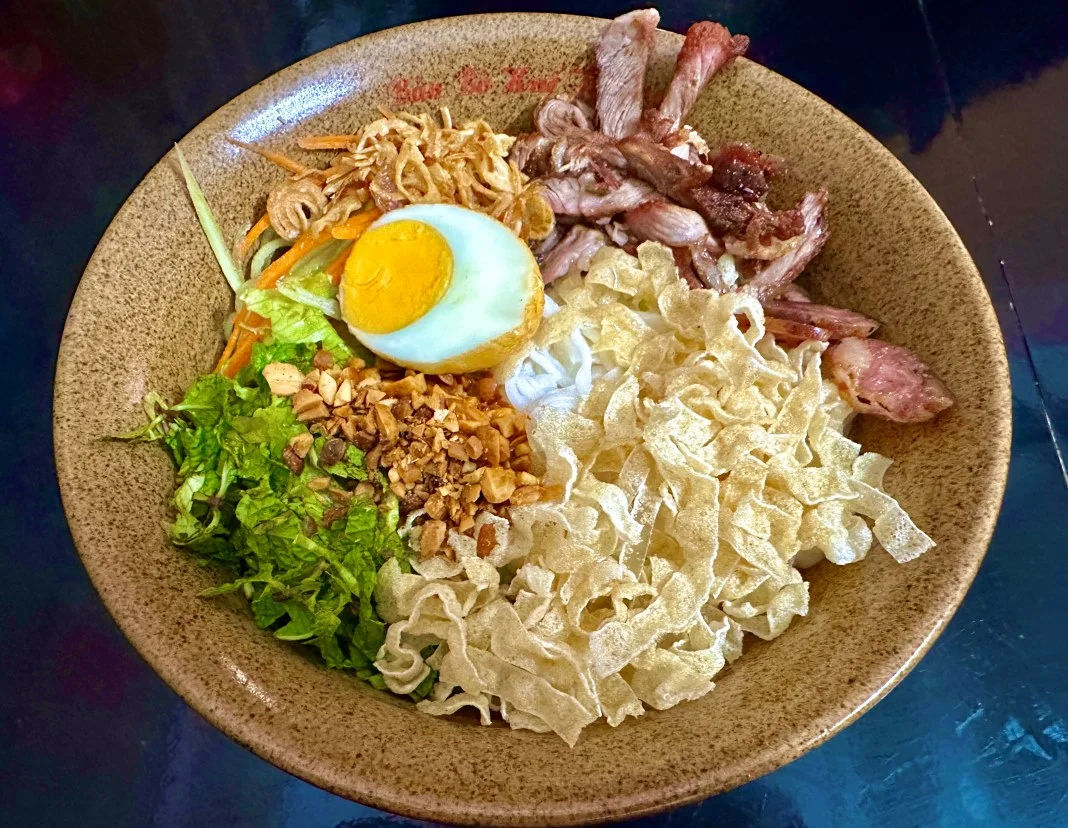
Thưởng thức hương vị độc đáo của phở chua
2.4. Bánh cuốn phố cổ Đồng Văn
Bánh cuốn Đồng Văn mang hương vị rất riêng so với bánh cuốn ở các vùng khác. Bánh được tráng mỏng, mềm, ăn kèm nước dùng ninh từ xương, có thêm hành phi và thịt băm hoặc trứng. Vào những buổi sáng se lạnh ở phố cổ, ngồi thưởng thức một bát bánh cuốn nóng là trải nghiệm rất được lòng du khách. Món ăn này không chỉ dễ ăn mà còn phù hợp để bắt đầu một ngày khám phá Hà Giang nhẹ nhàng và trọn vẹn.
Buổi sáng sớm hoặc tối muộn là thời điểm lý tưởng để ăn bánh cuốn, khi tiết trời se lạnh, một bát bánh cuốn nóng hổi sẽ giúp bạn nạp năng lượng nhanh và ấm bụng trước hành trình khám phá phố cổ.
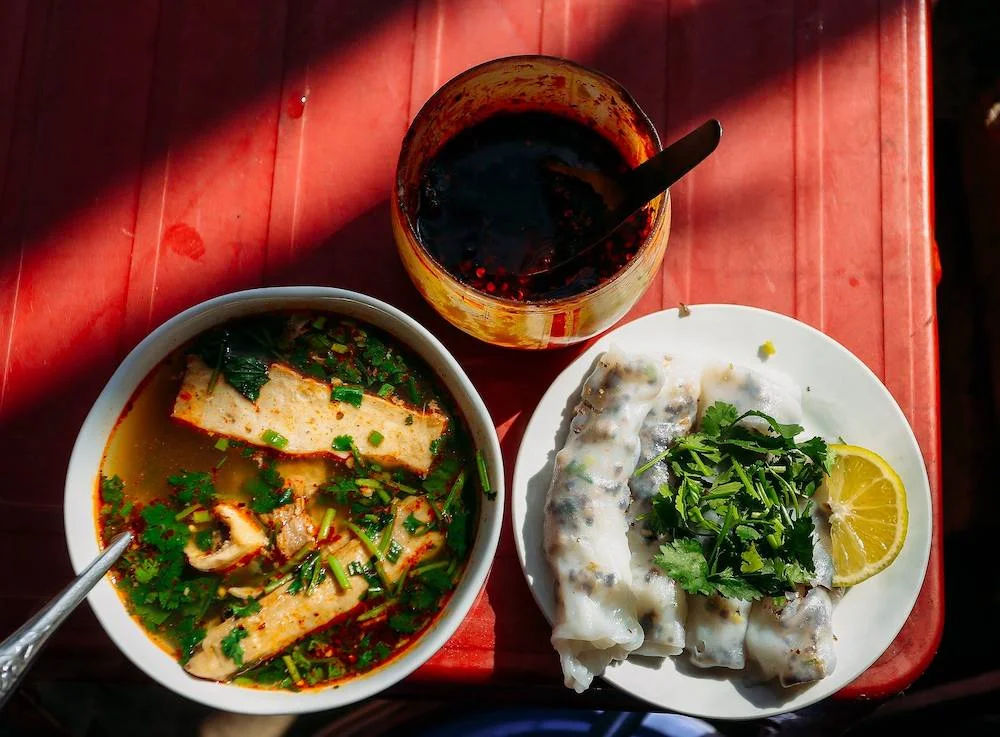
Bánh cuốn phố cổ Đồng Văn trứ danh
2.5. Xôi ngũ sắc
Xôi ngũ sắc là món ăn truyền thống thường xuất hiện trong các dịp lễ, Tết của đồng bào dân tộc vùng cao. Năm màu xôi được tạo ra từ các loại lá và nguyên liệu tự nhiên, tượng trưng cho ngũ hành và mong ước về cuộc sống đủ đầy. Không chỉ đẹp mắt, xôi ngũ sắc còn có hương vị dẻo thơm, dễ ăn và no lâu. Với du khách, đây là món ăn vừa mang giá trị ẩm thực vừa có ý nghĩa văn hóa sâu sắc.
Không chỉ gây ấn tượng bởi màu sắc bắt mắt, xôi ngũ sắc còn có vị dẻo thơm, nhẹ bụng và rất dễ ăn. Du khách nên thưởng thức món này vào buổi sáng hoặc tìm mua tại các chợ phiên để cảm nhận rõ hơn nét sinh hoạt và văn hóa ẩm thực đặc trưng của đồng bào vùng cao Hà Giang.
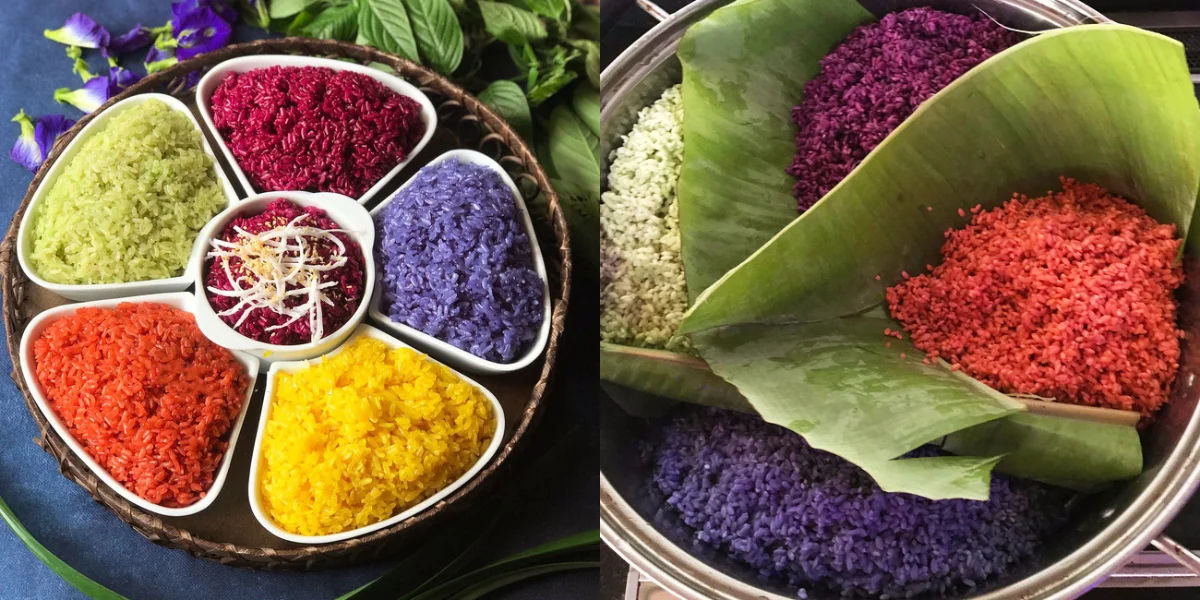
Đặc sản ẩm thực xôi ngũ sắc của núi rừng Tây Bắc
2.6. Thịt trâu gác bếp
Thịt trâu gác bếp là đặc sản nổi tiếng của Hà Giang, thường được nhiều du khách mua về làm quà. Thịt trâu được tẩm ướp gia vị đặc trưng, sau đó hun khói trong thời gian dài, tạo nên hương vị đậm đà và mùi khói rất đặc trưng. Khi ăn, thịt được xé sợi, chấm cùng chẩm chéo để tăng thêm độ ngon. Đây là món ăn thể hiện rõ cách bảo quản thực phẩm truyền thống của người vùng cao.
Khi thưởng thức, thịt được xé sợi, có độ dai vừa phải, vị ngọt tự nhiên và mùi khói đặc trưng rất dễ nhận biết. Nhờ khả năng bảo quản lâu và hương vị đậm đà, đây là món đặc sản phù hợp để mua về làm quà, đặc biệt với những ai yêu thích đồ khô và các hương vị vùng cao.
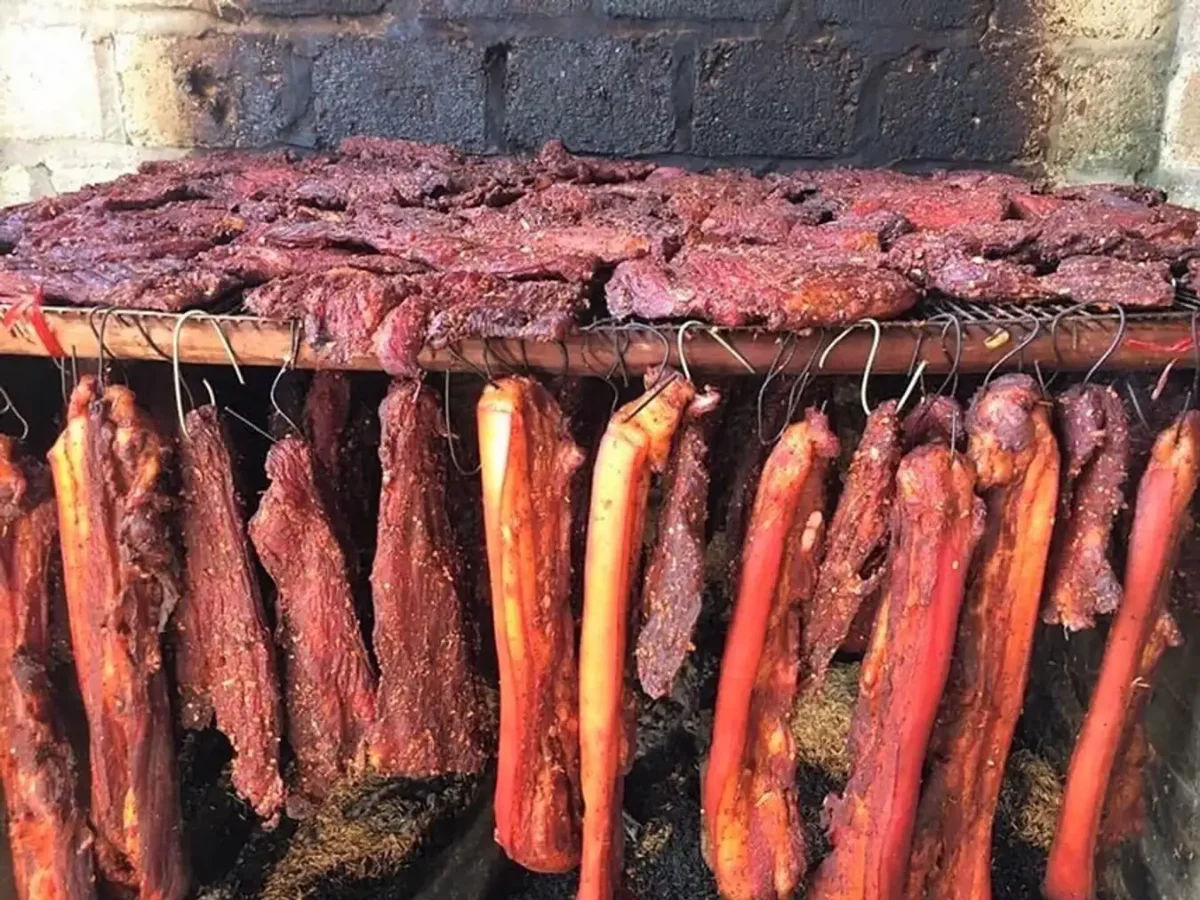
Thịt trâu xâu thành từng dải và treo trên gác bếp
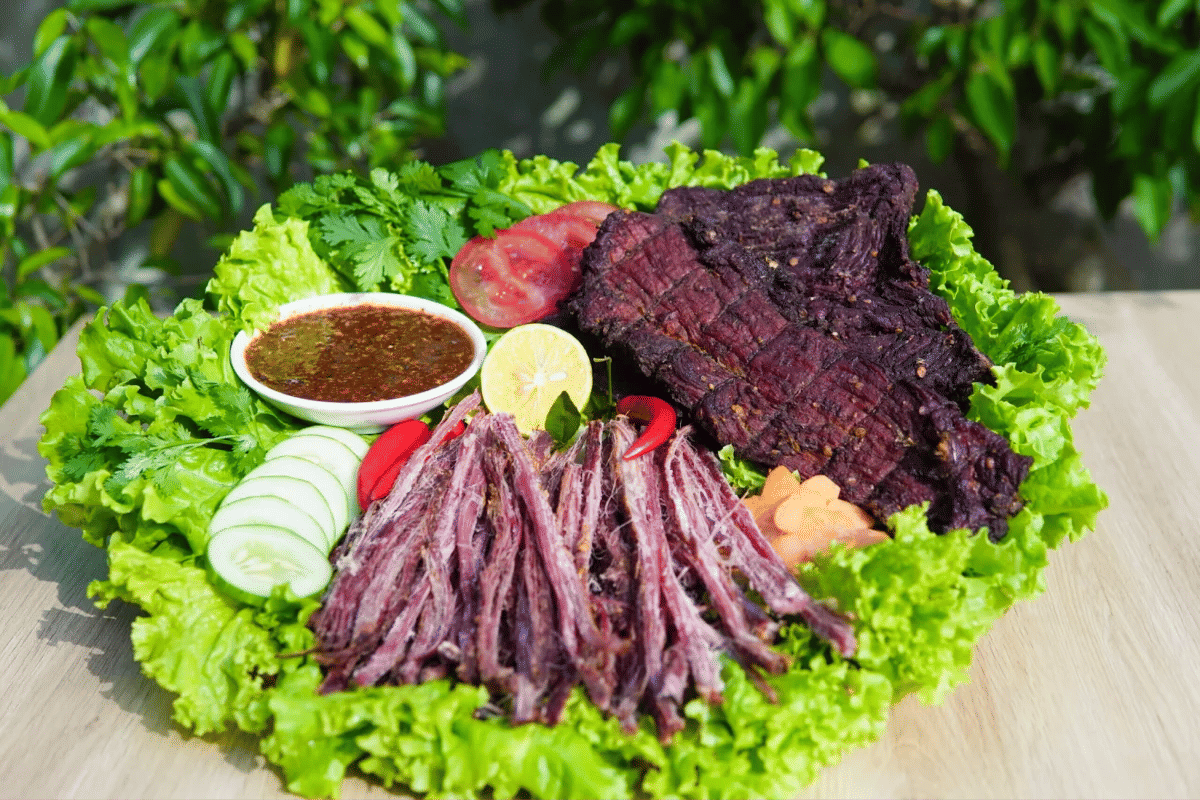
Thịt trâu gác bếp Hà Giang mang vị tẩm ướp đậm đà
2.7. Mèn mén
Mèn mén là món ăn quen thuộc trong bữa cơm hằng ngày của người Mông, được làm từ ngô xay mịn rồi hấp chín theo cách truyền thống. Món ăn có vị bùi, khô nhẹ và không quá đậm, thường được dùng kèm canh hoặc các món mặn để tạo sự hài hòa về hương vị. Với du khách, mèn mén mang đến một trải nghiệm rất khác so với cơm trắng quen thuộc, giúp cảm nhận rõ hơn điều kiện sinh hoạt và tập quán ẩm thực của người dân vùng cao Hà Giang.
Để thưởng thức mèn mén đúng cách, bạn nên ăn cùng các món mặn truyền thống như thịt, canh hoặc rau rừng, thay vì dùng riêng như một món chính. Khi kết hợp như vậy, hương vị mộc mạc của mèn mén mới thực sự trọn vẹn và đúng tinh thần ẩm thực bản địa.
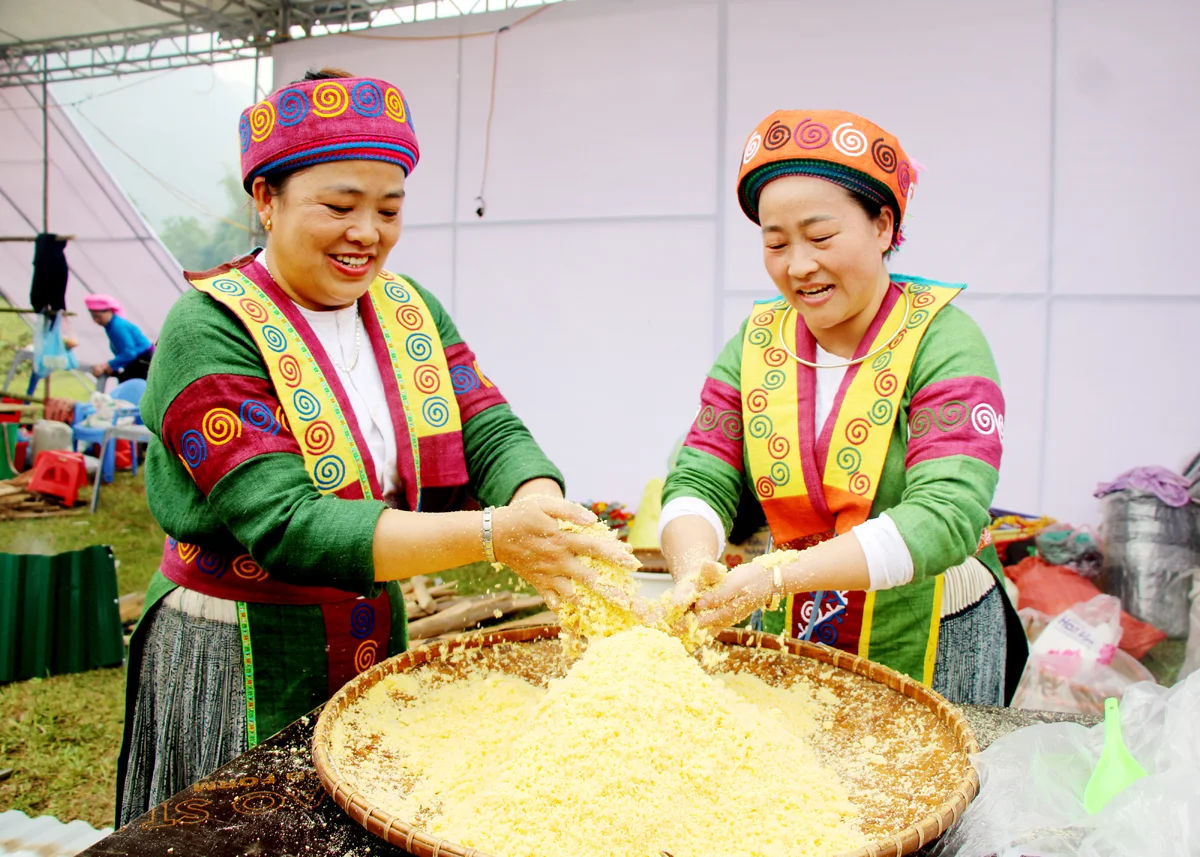
Quy trình làm mèn mén tại những bản làng của người Mông ở Quản Bạ
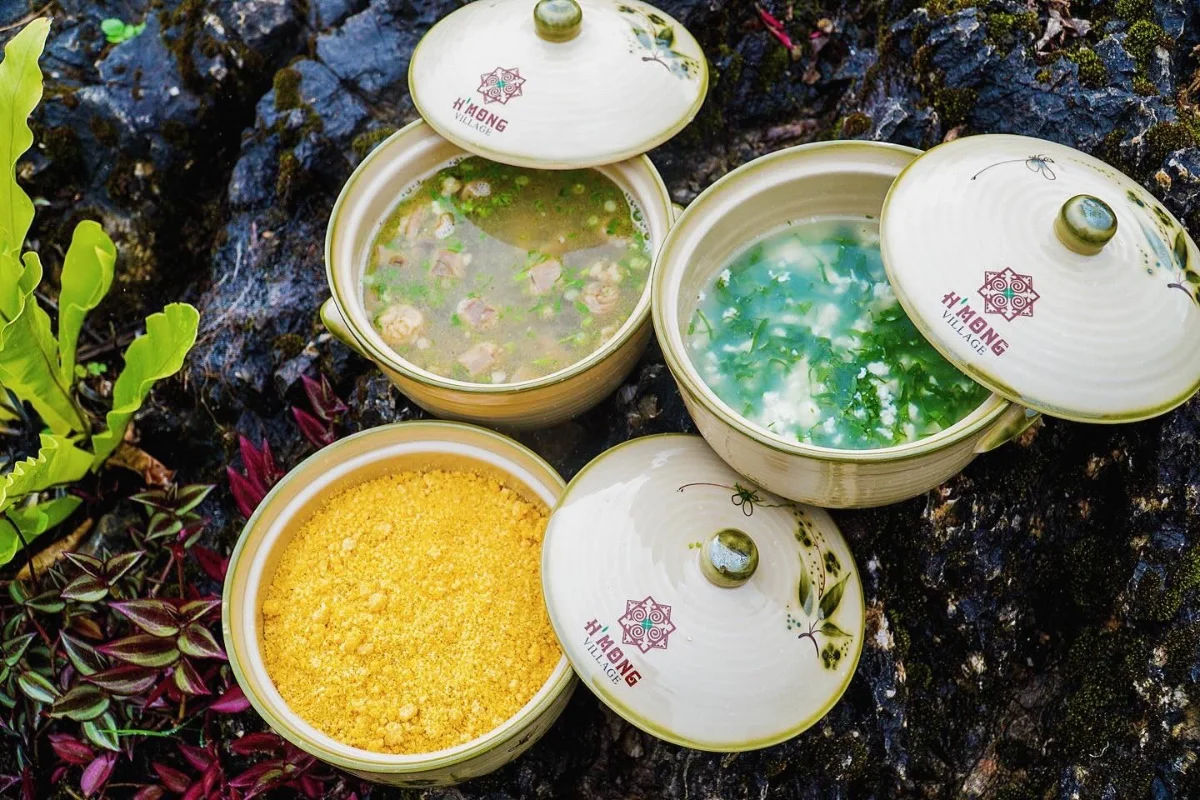
Mèn mén có màu vàng hấp dẫn từ ngô
2.8. Bánh tam giác mạch
Bánh tam giác mạch được làm từ hạt của loài hoa biểu tượng của Hà Giang. Bánh có vị bùi nhẹ, hơi ngọt và thường được bán nhiều vào mùa hoa tam giác mạch. Không chỉ là món ăn vặt, bánh còn mang ý nghĩa gắn liền với hình ảnh cao nguyên đá và những cánh đồng hoa đặc trưng của vùng đất này.
Bánh thường được bày bán tại các điểm du lịch và chợ phiên; khi thưởng thức cùng một tách trà nóng, vị bùi ngọt của bánh trở nên hài hòa hơn, đặc biệt phù hợp trong tiết trời se lạnh của Hà Giang.
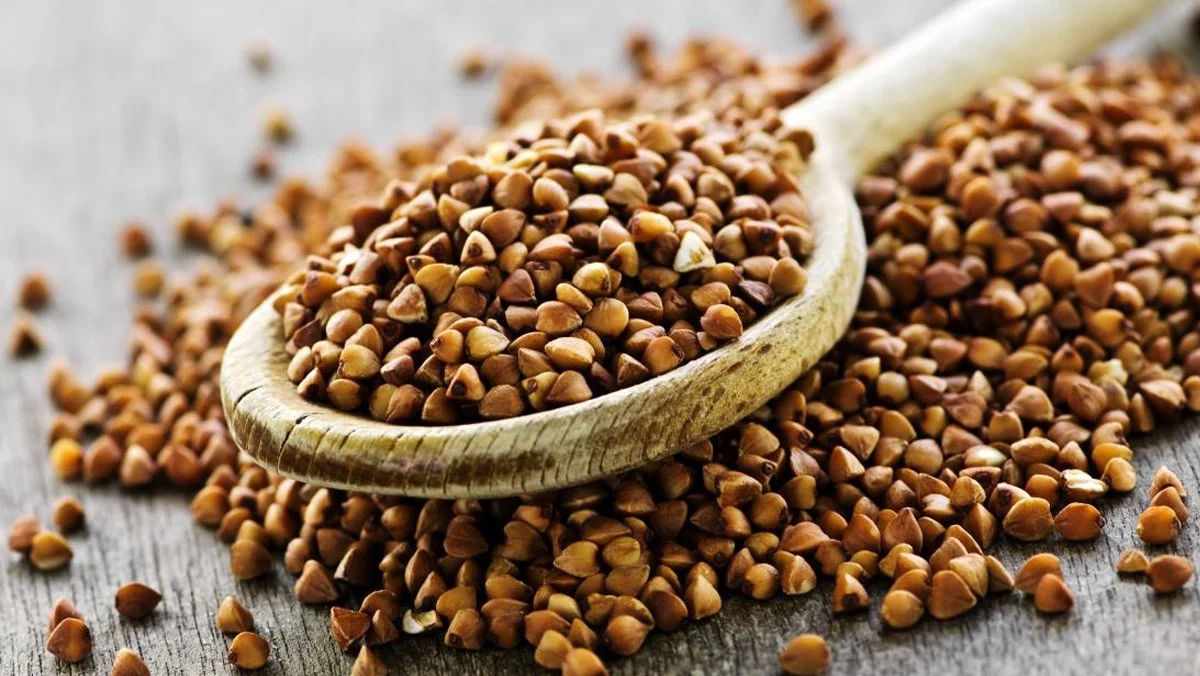
Hạt tam giác mạnh phơi khô dùng làm bánh mì, ủ rượu, chăn nuôi
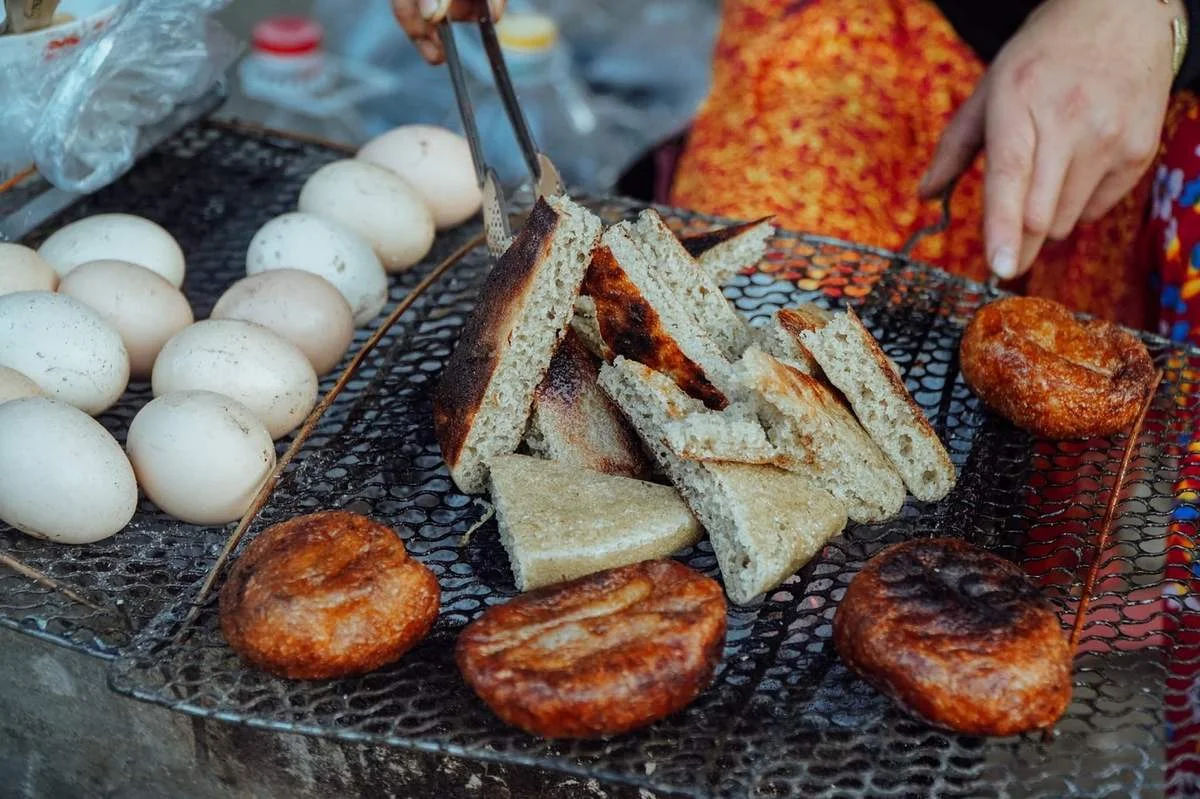
Bánh tam giác mạch Hà Giang với vị béo bùi của hạt tam giác mạnh
2.9. Lạp xưởng gác bếp
Lạp xưởng gác bếp Hà Giang được làm từ thịt tươi, ướp gia vị rồi treo gác bếp để hong khô tự nhiên. Hương vị lạp xưởng đậm đà, béo vừa phải và có mùi khói đặc trưng, rất thích hợp để chế biến các món nướng hoặc xào. Đây cũng là đặc sản được nhiều người lựa chọn mua về làm quà sau chuyến đi.
So với lạp xưởng miền xuôi, lạp xưởng Hà Giang có hương vị đậm và mùi khói rõ nét hơn, phù hợp để nướng trực tiếp hoặc chế biến các món xào, giúp giữ trọn đặc trưng ẩm thực vùng cao khi mang về thưởng thức.
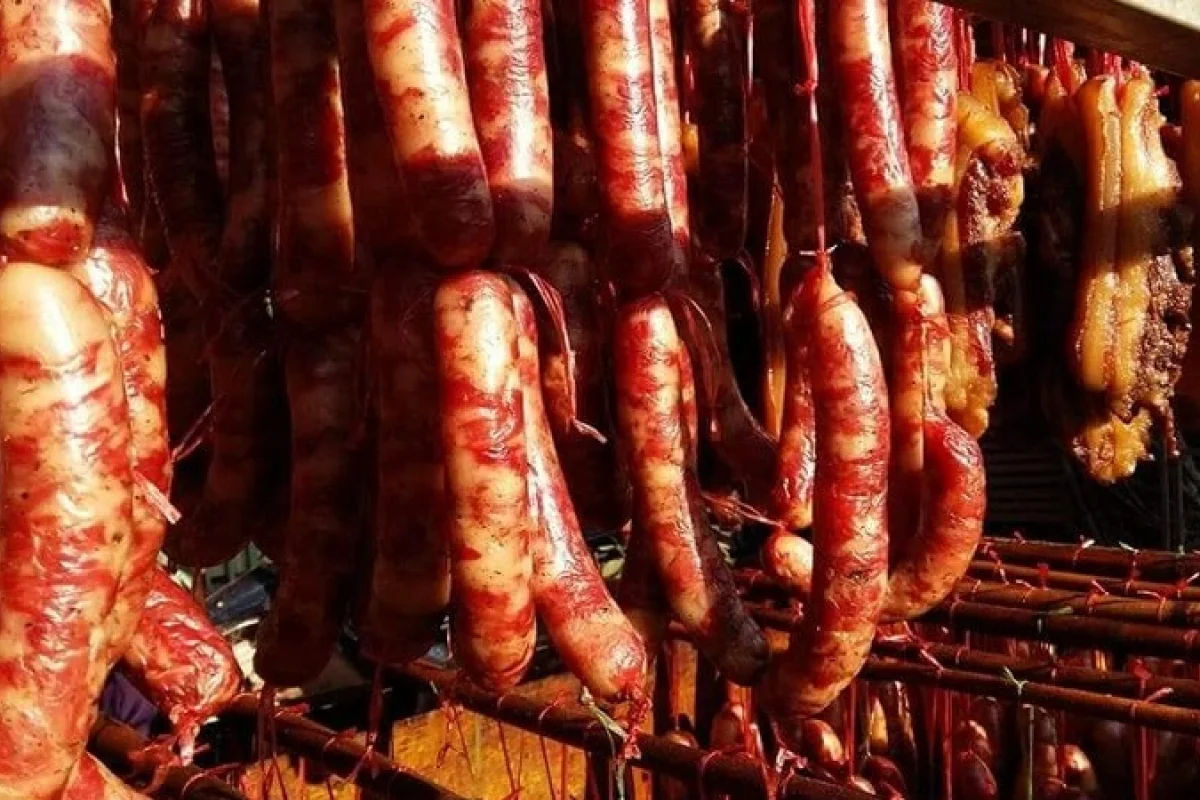
Lạp xưởng gác bếp có màu nâu sẫm đẹp mắt
2.10. Thắng dền
Thắng dền là món ăn vặt quen thuộc, thường được bán vào buổi tối tại các khu chợ và phố cổ. Viên bột nếp dẻo mềm, ăn cùng nước gừng ngọt ấm, rất phù hợp với thời tiết lạnh của Hà Giang. Món ăn này tuy giản dị nhưng lại mang đến cảm giác ấm áp và dễ chịu cho du khách sau một ngày dài di chuyển.
Món ăn này đặc biệt thích hợp để thưởng thức vào buổi tối hoặc sau bữa chính, vừa giúp làm ấm cơ thể vừa tạo cảm giác nhẹ bụng, nhất là khi dạo quanh khu phố cổ Đồng Văn trong không khí se lạnh.
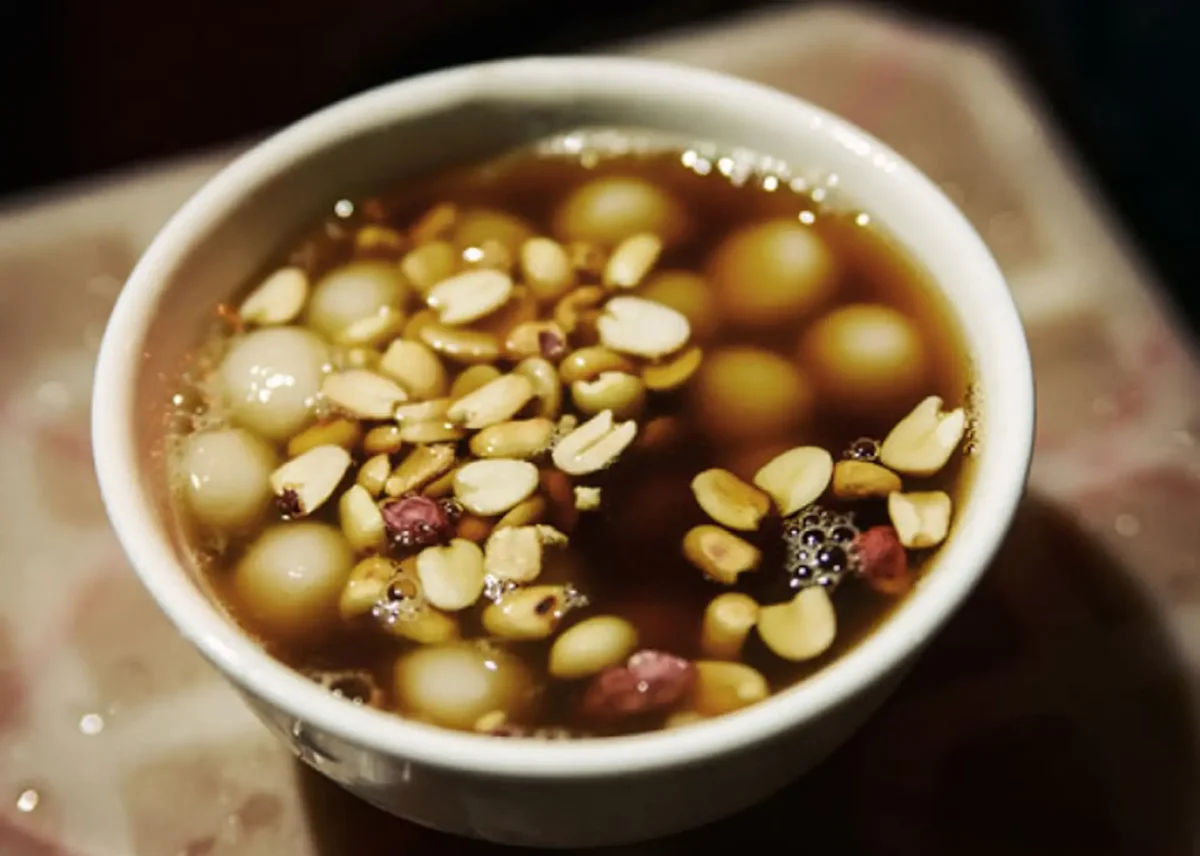
Món bánh thắng dền truyền thống nổi tiếng của vùng Tây Bắc
3. Kinh nghiệm ăn uống ở Hà Giang
Ẩm thực Hà Giang hấp dẫn nhưng không phải lúc nào cũng dễ tiếp cận, nhất là với những du khách lần đầu đặt chân đến vùng cao. Hiểu cách gọi món, cách ăn và chọn mua đặc sản sẽ giúp trải nghiệm trọn vẹn hơn, tránh bỡ ngỡ và cũng thể hiện sự tôn trọng văn hóa địa phương.
3.1. Kinh nghiệm gọi món và lưu ý khi thưởng thức đặc sản địa phương
Khi ăn uống ở Hà Giang, điều đầu tiên nên lưu ý là khẩu vị và cách chế biến của người bản địa thường đậm, béo và nặng mùi hơn so với miền xuôi. Những món như thắng cố, cháo ấu tẩu hay mèn mén đều có hương vị rất riêng, nên nếu chưa quen, bạn có thể hỏi kỹ người bán về thành phần hoặc gọi suất nhỏ để thử trước. Người dân địa phương khá cởi mở, sẵn sàng giải thích và gợi ý cách ăn phù hợp.
Một số món truyền thống thường ngon hơn khi ăn đúng thời điểm. Cháo ấu tẩu hay thắng dền thường được bán vào buổi tối hoặc đêm muộn, khi thời tiết lạnh xuống, ăn vào sẽ dễ cảm nhận trọn vị và ấm người hơn. Bánh cuốn Đồng Văn lại hợp ăn buổi sáng sớm, khi bánh vừa tráng nóng, nước dùng còn trong và ngọt thanh. Với các món nướng hoặc đồ gác bếp, nên hỏi xem món có được làm trong ngày hay không để đảm bảo độ tươi và hương vị.
Ngoài ra, nhiều quán ăn ở Hà Giang có phong cách gia đình, không niêm yết giá rõ ràng như nhà hàng lớn. Trước khi gọi món, bạn nên hỏi giá hoặc hỏi theo suất để tránh hiểu lầm. Ăn uống ở đây không vội vàng, hãy chậm rãi thưởng thức, cảm nhận hương vị và không gian, đó cũng là một phần quan trọng của trải nghiệm ẩm thực vùng cao.
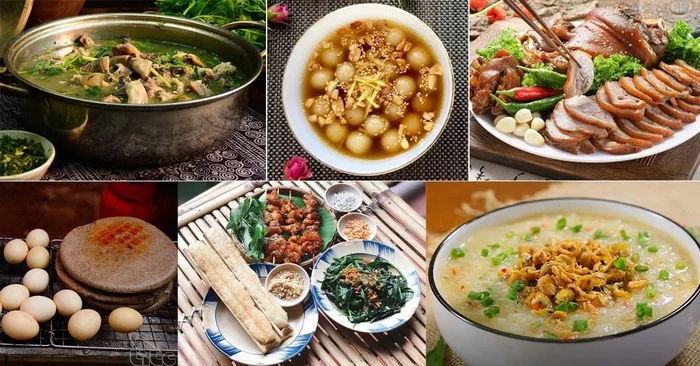
Trải nghiệm du lịch ẩm thực ở Hà Giang
3.2. Mẹo chọn đặc sản Hà Giang chất lượng để mua về làm quà
Đặc sản Hà Giang rất phù hợp để mua về làm quà, nhưng để chọn được sản phẩm ngon và đúng chất, bạn nên ưu tiên mua tại các cửa hàng đặc sản uy tín ở trung tâm thành phố Hà Giang hoặc thị trấn Đồng Văn, Mèo Vạc. Những nơi này thường có nguồn hàng ổn định, đóng gói cẩn thận và dễ vận chuyển.
Với các món khô như thịt trâu gác bếp, lạp xưởng gác bếp, hãy quan sát màu sắc và mùi thơm. Thịt trâu ngon thường có màu nâu sẫm tự nhiên, thớ thịt chắc, mùi khói nhẹ, không có mùi lạ. Lạp xưởng chất lượng có độ khô vừa phải, không quá bóng dầu và có mùi thơm đặc trưng của thịt và gia vị vùng cao. Khi mua, nên hỏi kỹ cách bảo quản và thời gian sử dụng, đặc biệt nếu mang đi xa.
Bánh tam giác mạch hay các loại bánh truyền thống nên mua loại được đóng gói trong ngày, tránh chọn bánh để quá lâu vì dễ khô và mất mùi. Nếu muốn mua rượu ngô, hãy chọn nơi cho thử trước, rượu ngon có mùi thơm nhẹ, vị êm, không gắt cổ. Việc mua quà ở Hà Giang không chỉ là mang về một món ăn, mà còn là mang theo hương vị và ký ức của chuyến đi.
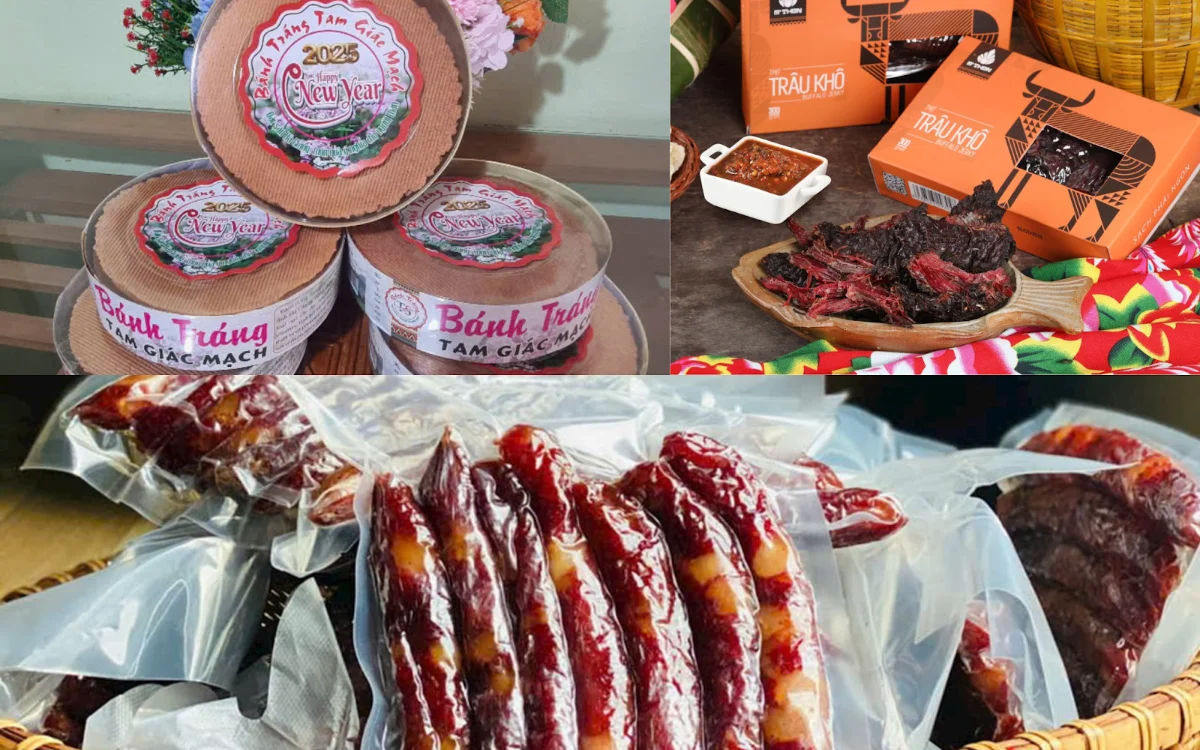
Đặc sản Hà Giang được đóng gói gọn gàng tiện mua về làm quà sau chuyến đi
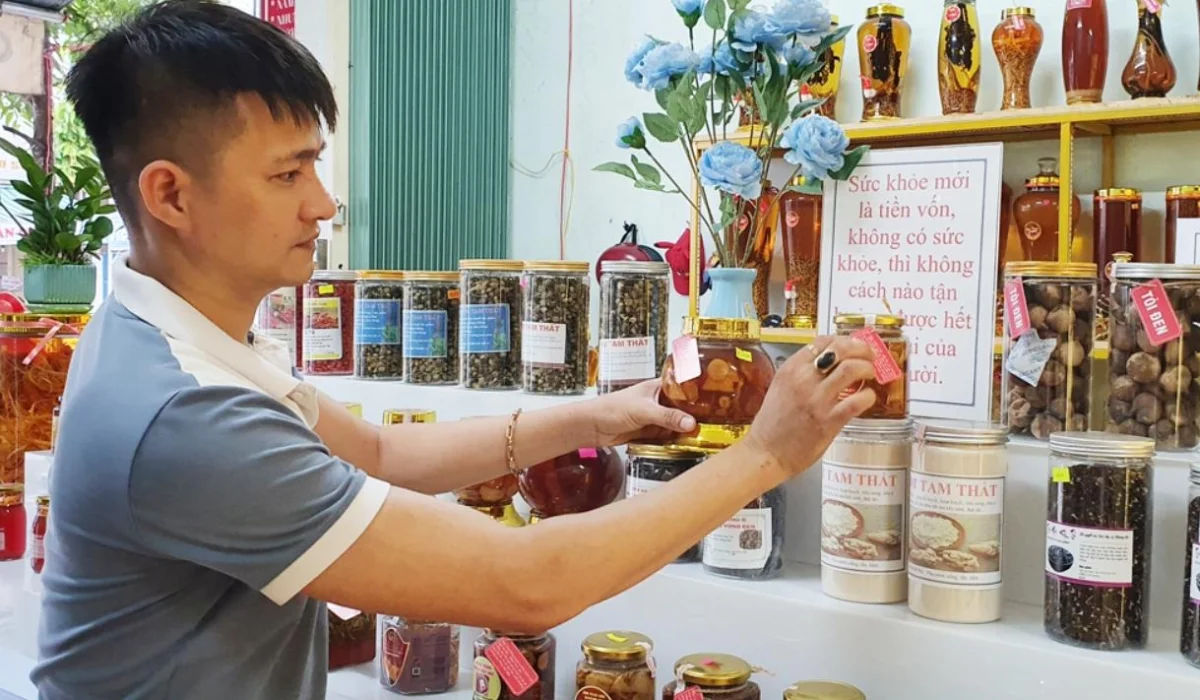
Cửa hàng bán đặc sản tại Hà Giang
4. FAQs – Câu hỏi thường gặp về ăn uống ở Hà Giang
1. Ăn đặc sản Hà Giang có khó hợp khẩu vị không?
Một số món có hương vị khá mạnh, nhưng nếu chọn đúng món và ăn từ từ, đa phần du khách đều có thể làm quen.
2. Có nên thử thắng cố nếu chưa từng ăn trước đó?
Bạn nên thử một lần để trải nghiệm văn hóa, nhưng có thể ăn kèm rau và gia vị để dễ thưởng thức hơn.
3. Cháo ấu tẩu ăn vào thời điểm nào là ngon nhất?
Cháo ấu tẩu ngon nhất khi ăn buổi tối hoặc đêm, đặc biệt sau một ngày trekking hoặc di chuyển đường đèo dài, lúc trời lạnh và cháo vừa nấu xong.
4. Bánh cuốn Đồng Văn khác gì bánh cuốn miền xuôi?
Bánh cuốn Đồng Văn ăn kèm nước dùng nóng từ xương, rất thích hợp để ăn sáng trước khi thuê xe máy hoặc ô tô bắt đầu hành trình khám phá Hà Giang.
5. Đặc sản Hà Giang có dễ mua về làm quà không?
Rất dễ, đặc biệt là thịt trâu gác bếp, lạp xưởng và bánh tam giác mạch.
6. Nên mua đặc sản ở chợ hay cửa hàng?
Nếu không rành, bạn nên mua ở cửa hàng đặc sản uy tín để đảm bảo chất lượng.
7. Giá đặc sản Hà Giang có cao không?
Mức giá nhìn chung hợp lý, tùy loại và chất lượng, nhưng không quá đắt so với giá trị trải nghiệm.
8. Người ăn chay có dễ tìm món phù hợp ở Hà Giang không?
Không quá đa dạng, nhưng vẫn có thể chọn các món từ ngô, xôi, rau rừng theo mùa.
9. Có cần lưu ý gì khi uống rượu ngô Hà Giang?
Nên uống lượng vừa phải vì rượu khá nặng, tránh uống khi bụng đói.
10. Ăn uống ở Hà Giang có an toàn cho khách du lịch không?
Nếu chọn quán sạch sẽ, đông khách địa phương và ăn chín uống sôi, trải nghiệm nhìn chung rất an toàn.
Bài viết mới