


See all results for ""

 Anytime
 Tiếng ViệtEnglish
 한국어
한국어 日本語
日本語 简体中文
简体中文 Français
 Deutsch
 Español
 Italiano
 Русский


 Login for Corporates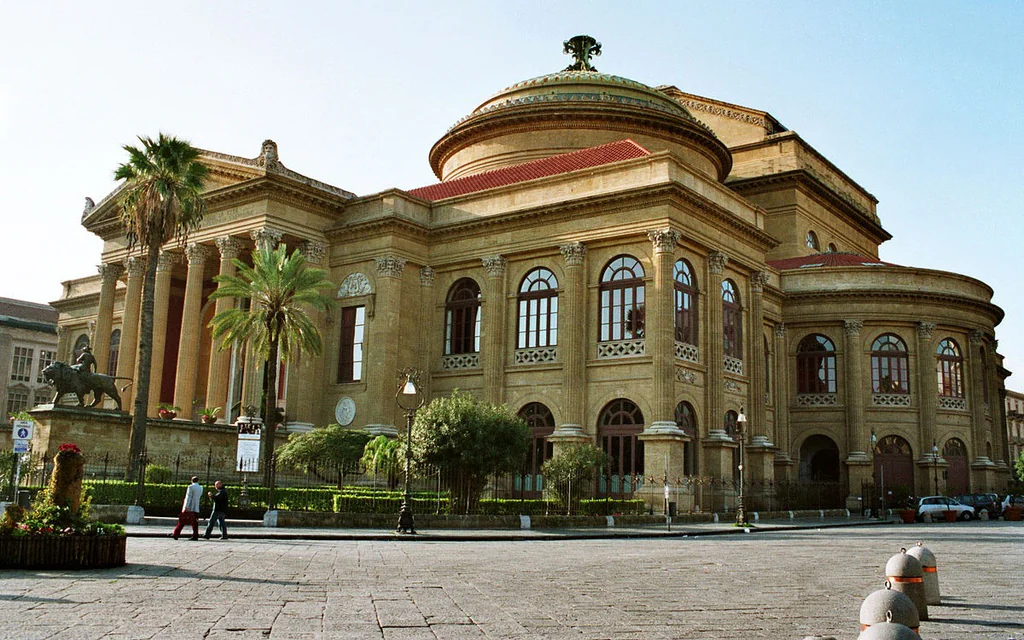
Massimo Theater - Massimo Theater
 Piazza Verdi, Palermo PA, Italy
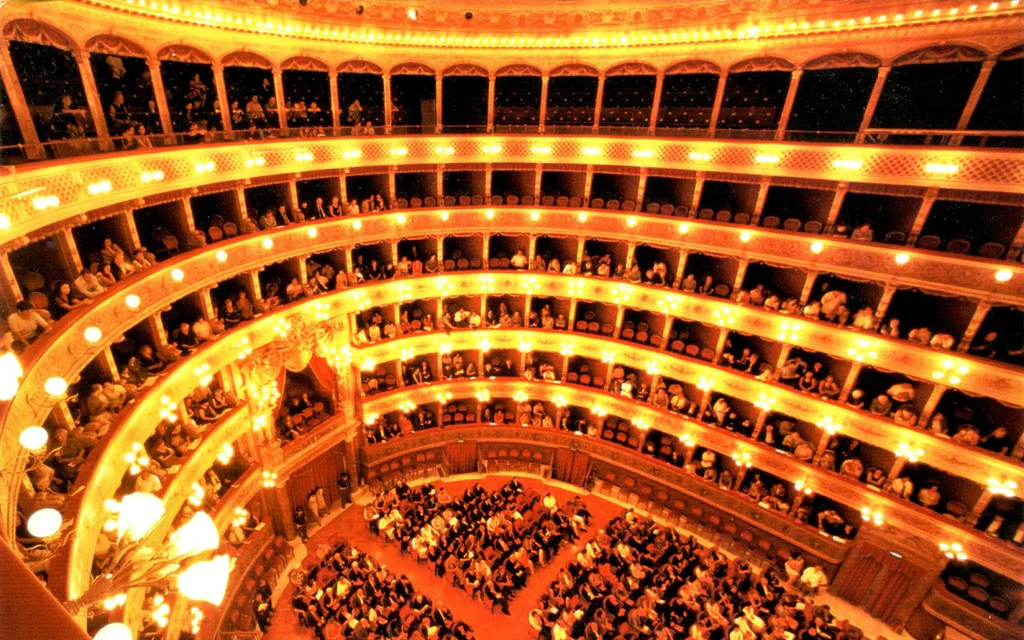
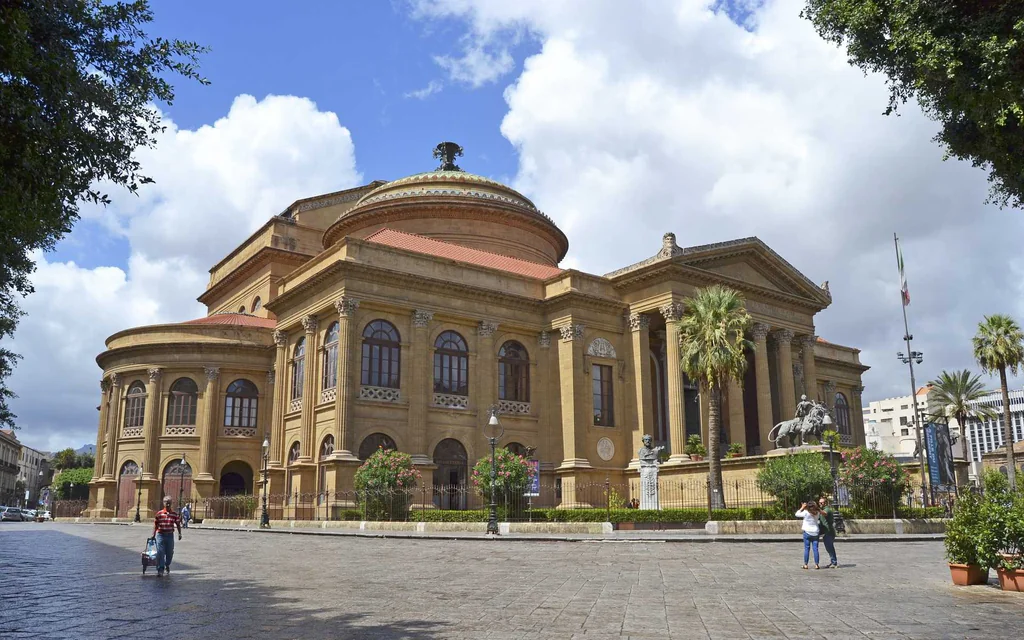
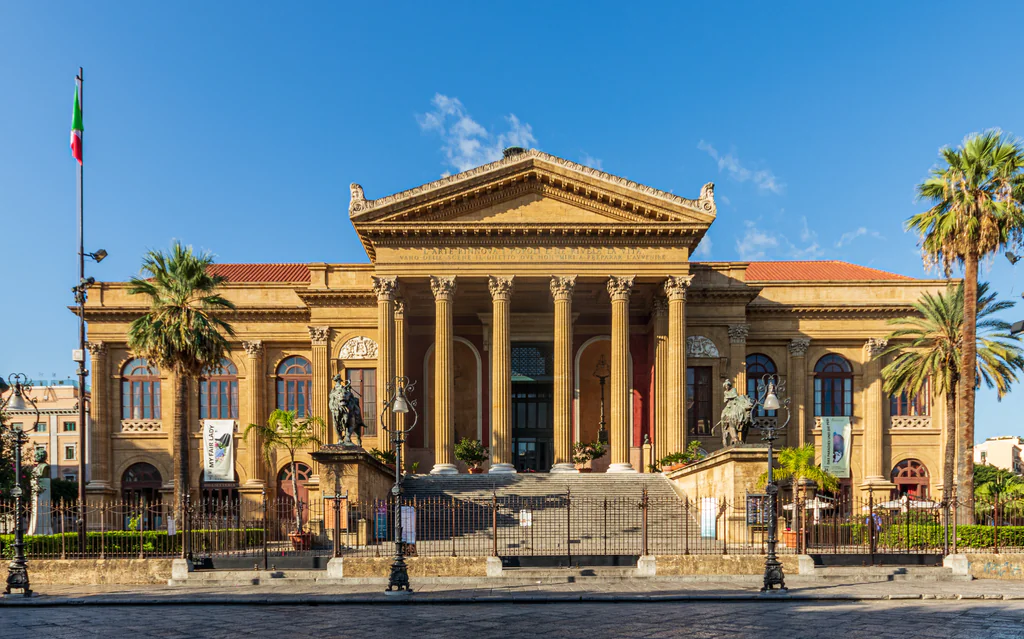
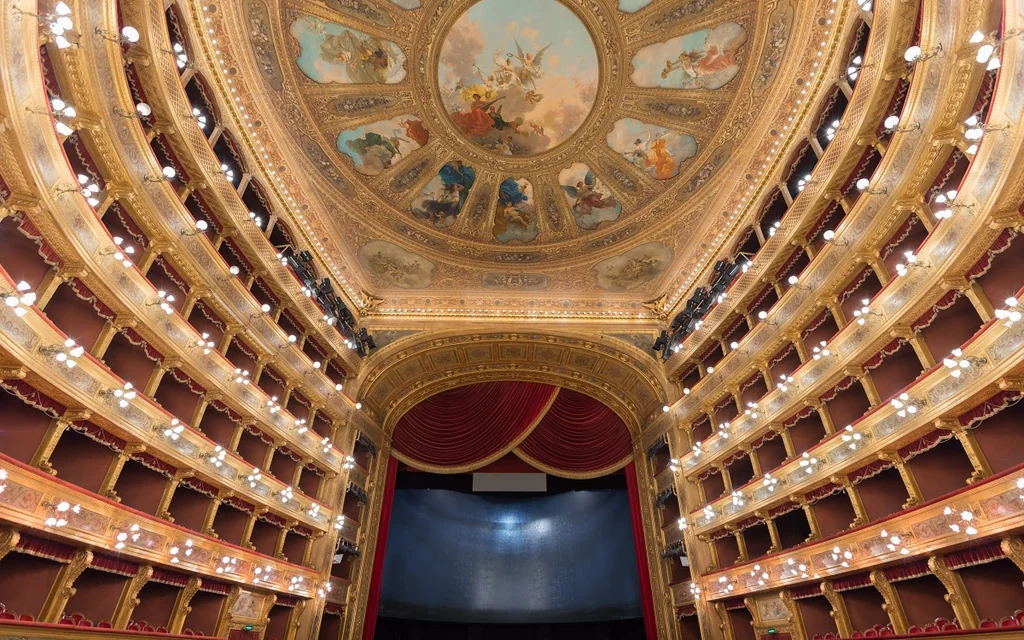
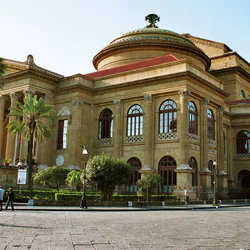
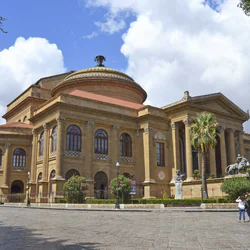
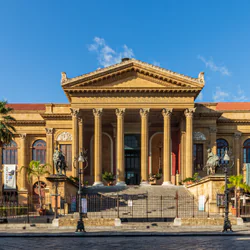
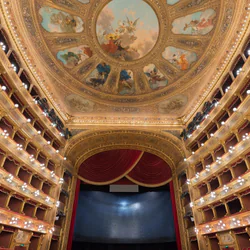
The Massimo Theater on Piazza Verdi in Palermo, Sicily, was built specifically for King Victor Emanuel II. It is the largest Opera in Italy and one of the largest in Europe. At the time of its inauguration, the Massimo theater with an area of 7730m2 was the third largest Opera house in Europe after the Palais Garnier in Paris and the K.K Hof Opera in Vienna. The Massimo Opera House is also famous for its perfect acoustics.
An international competition for the design of the Opera was announced by the Palermo city council in 1864 under the chairmanship of the mayor, Antonio Starrabba di Rudinì. The opera house was designed and supervised by the Italian architect, Jacan Battista Filippo Basile, who is renowned in Sicily for his restoration design of religious structures, as well as garden and distinctive designs. villas in the cities of Palermo and Caltagirone. After GBF Basile's death in 1891, the work was overseen by his son, Architect Ernesto Basile.
The Rutelli and Machì Company, represented by Giovanni Rutelli and Alberto Machì (both founding members of the company) was contracted to build the main theater, following the engineering and construction instructions of Giovanni Architects. Rutelli. He is also responsible for all the exterior decoration of the building. Originally, Ruthelli designed a steam tower crane, to be able to successfully lift large blocks of stone and large Greek and Roman columns during the construction of the theater.
Giovanni Rutelli was born into a family of very prominent English ancestry, a family that included Sicilian classical and baroque architects and sculptors as well as construction contractors, all the entrepreneurs of the first half of the 18th Century in Palermo. Together with Architect D. Mario Rutelli (Jacanni's great-grandfather), they were considered one of the best experts in art in Sicily at that time, especially for their deep knowledge and experience of Greece. Ancient Greek/Roman architecture, as well as the Norman architectural style. This style entails the use of thick natural stone, all of which are part of the structural design. Two very large bronze lion statues sit next to the theater's grand entrance to the stairs, created by Giovanni Rutelli's son, sculptors Sir Mario Rutelli and Benedetto Civiletti.
Construction began on January 12, 1874, but was halted for eight years from 1882 to 1890. Finally, on May 16, 1897, twenty-two years after the first stone was laid, the house was inaugurated with a performance of Verdi's Falstaff by Leopoldo Mugnone.
After a long period of closure for restoration work, in 1997, the theater finally reopened. Today, year-round guided tours of the theater are possible.
Business hours:
Tuesday to Sunday: 10:00 to 15:00. Last visit at 14:30.
Library:
The library is open to the public and is provided with reading and consulting rooms. Books, videos, pictures and files are available for reference.
Library opening hours:
Monday to Friday: 09:30 to 13:30
Tuesday and Thursday: 15:00 to 17:00
Contact:
Tel: +39 91 60 53 136/134
Fax: +39 91 60 53 141
E-mail: biblioteca@teatromassimo.it
Web: http://www.teatromassimo.it/index.html