


See all results for ""

 Anytime
 Tiếng ViệtEnglish
 한국어
한국어 日本語
日本語 简体中文
简体中文 Français
 Deutsch
 Español
 Italiano
 Русский


 Login for Corporates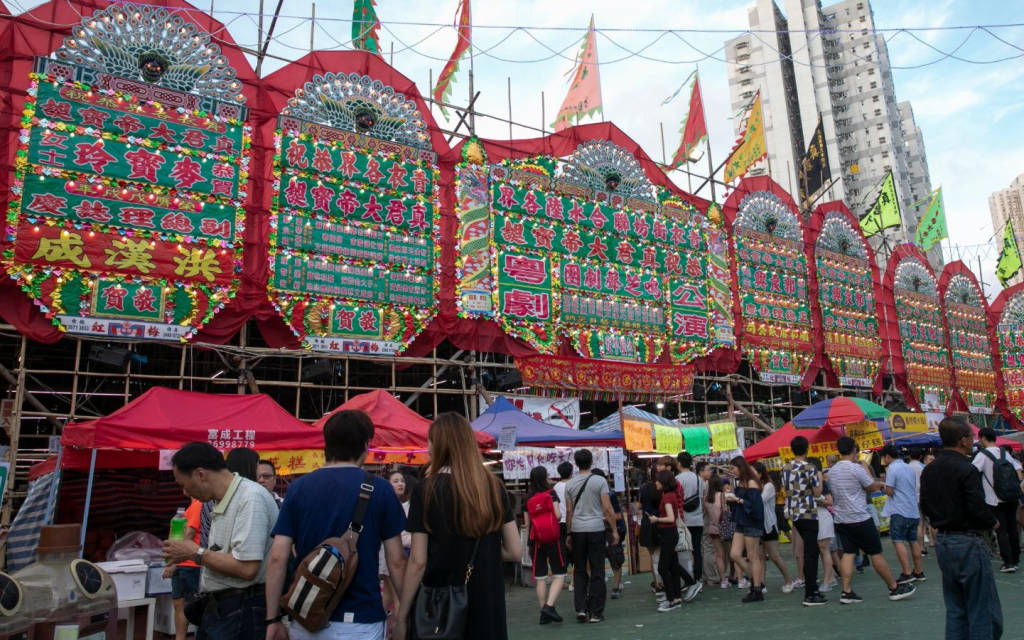
Cantonese Opera (Cantonese Opera)
 Hong Kong
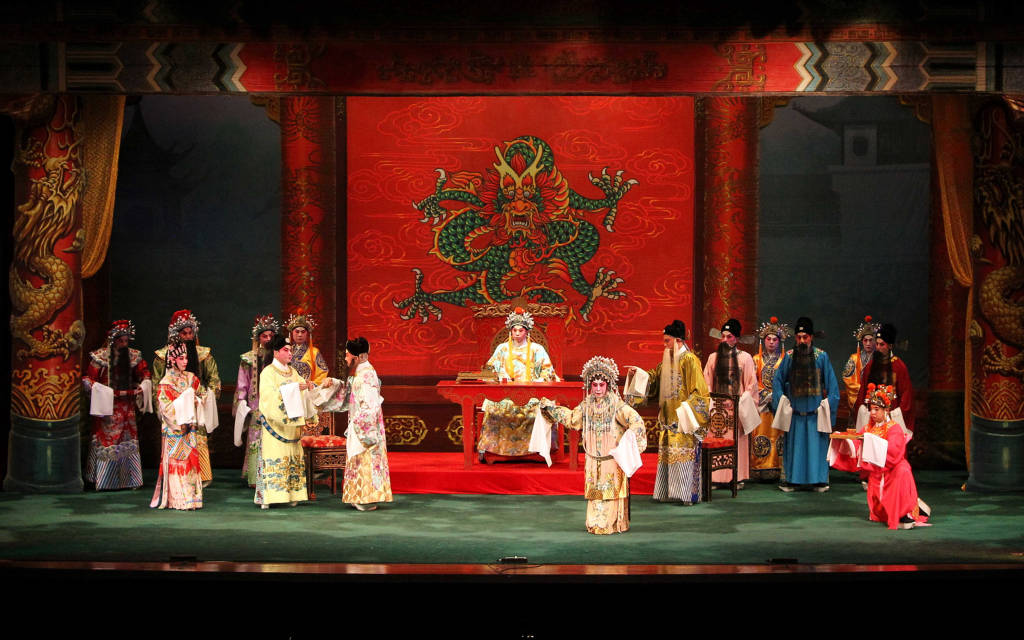
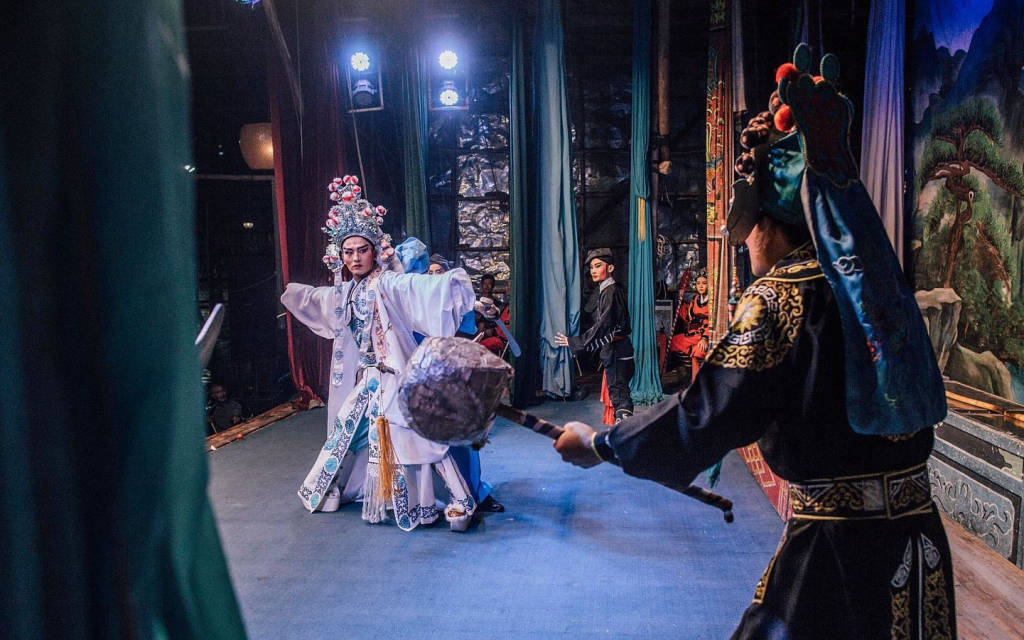
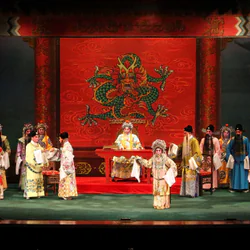
Cantonese opera is one of the main genres of Chinese opera, originating in Guangdong province, southern China. This art form was introduced and flourished in Beijing during the reign of Emperor Qianlong of the Qing Dynasty. Originally, opera was only for kings and royalty; Later on, it began to be widely available to the general public. Like all versions of Chinese opera, it is a traditional art form, encompassing music, singing, martial arts, acrobatics, and acting. In 2009, Cantonese Opera was recognized by UNESCo as an Intangible Cultural Heritage of Humanity, a dish of the spirit as well as the pride of Hong Kong people.
According to art researchers, Peking opera originated in the Tang Dynasty, under the reign of Emperor Minh Hoang (712-755), he established the first theater troupe operating on Chinese territory. This art form originated from the catch and then migrated and flourished during the Song Dynasty (1179-1276 AD) in the south, Guangdong province. In the 12th century, Cantonese Peking Opera developed under a form of theatrical art called Nanxi (Southern opera), performed regularly in community theaters in Hangzhou province, the capital of China. Southern Song at that time. In 1276, when the Mongols invaded the territory of Hangzhou, the Song emperor and thousands of Song people moved to Guangdong, bringing with them the typical and distinctive art form of the South. And in Cantonese, Peking Opera has flourished with classic plays with songs and scripts in Cantonese. Until the 20th century, all female roles were played by men.
A significant influence that contributed to the formation of Cantonese opera was a type of opera from the 16th century called Kunqu, which originated in Suzhou, which can be considered "the mother of operas". Chinese". The dominant early art style of this art form was to express the rich cultural features of Suzhou. Kunqu is known for his distinctive style of performance on stage through delicate makeup, soft and flexible vocals, elegant action sequences combined with traditional music.
In the mid-19th to early 20th centuries, people living along the Pearl River Delta witnessed the distinctive red painted boats carrying troupes of opera performing arts. They stayed in a city for a few days and performed at temples with classic works of art that captivated the model world. The red boat is specially designed for opera troupes, where the artists, musicians and other members of the troupe eat and sleep. There is a strict rule about interior design, allocation of dining and resting areas as well as division of labor among members of the delegation. These rules continue to be preserved and developed in opera troupes in Cang Thom to this day. "Red" is traditionally the color of luck in China, and it was also the color of ships that came from Guangdong province during the Qing Dynasty. Red is an eye-catching color and people from the shore can see boats approaching in the distance and tell everyone that opera troupes are coming, heightening a sense of anticipation and excitement. By the beginning of the 20th century, when the Chinese community in Hong Kong prospered and the people's demand for art enjoyment increased, theaters were born in the center of the Hong Kong peninsula, Kowloon, respectively. , New World. Since then, Hong Kong has contributed to the preservation and development of Cantonese opera in the Chinese community; and especially this place plays an important role in protecting this type of drum art from degradation, competing with other modern art forms during the cultural revolution.
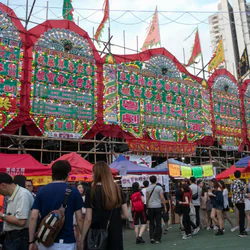
Bamboo is one of the oldest building materials in Chinese history because of its light weight, flexibility, ease of handling and adaptability to various construction patterns and constructions. You will easily recognize the elaborate, sophisticated bamboo designs at Hong Kong opera houses from the theater gates to the stage grounds.
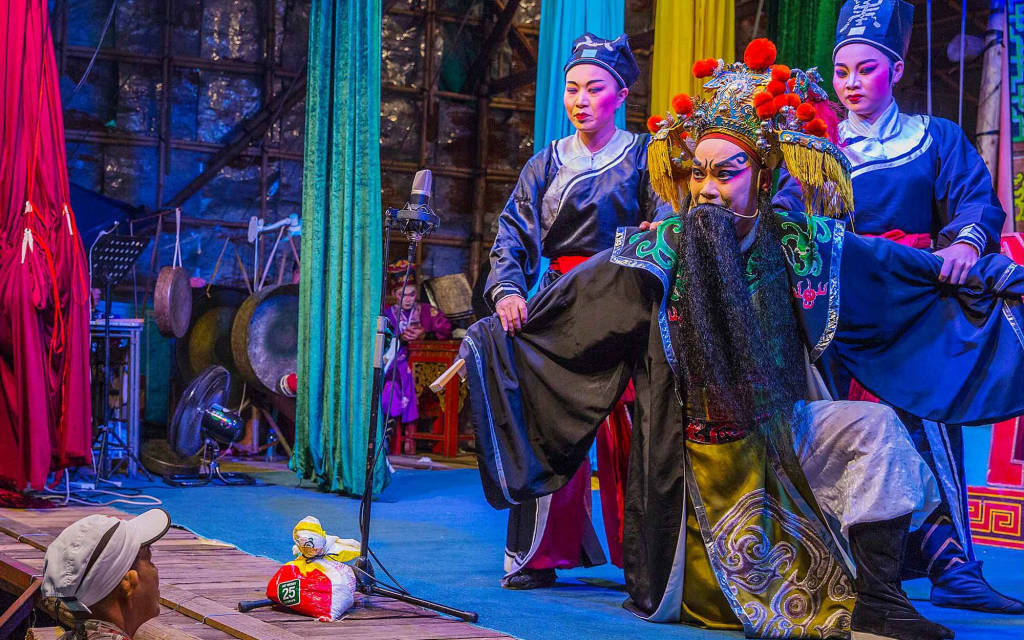
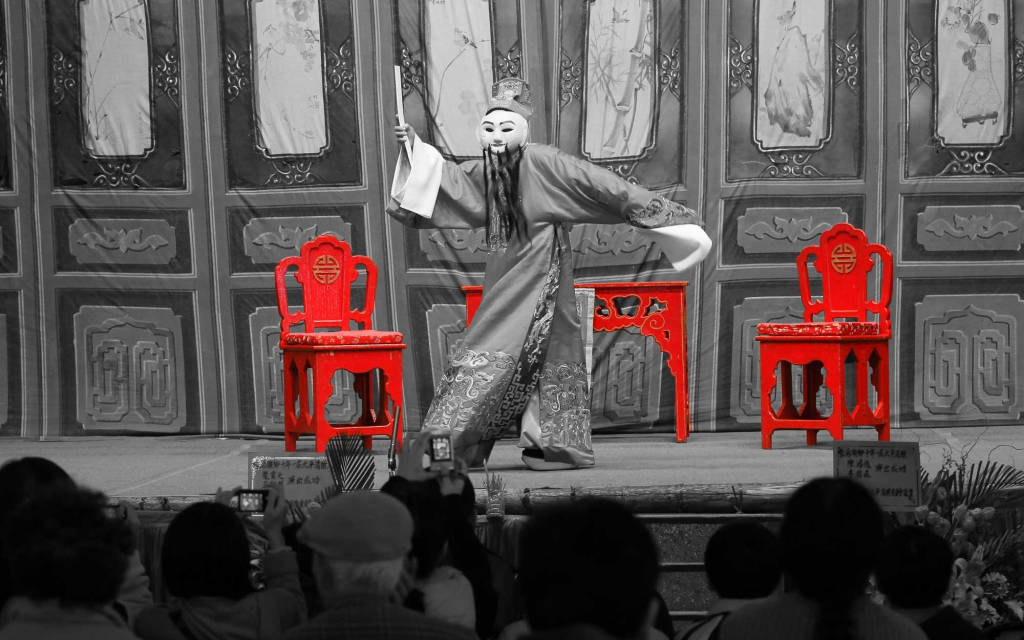
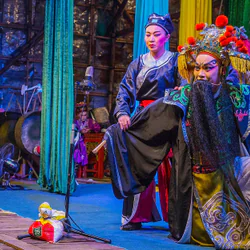
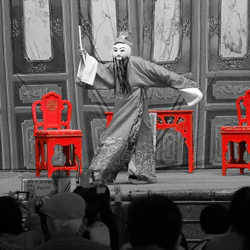
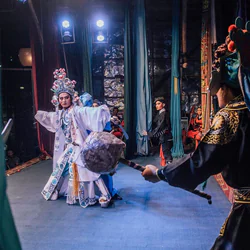
Experience a Cantonese opera in Hong Kong that will make your trip more enjoyable and memorable. At times, you will find it a little difficult, with the vocals being somewhat jarring and intense, including some intonation and stretched phrases, the accompanying percussion seems chaotic and difficult. listen to those unfamiliar. However, gradually you will be attracted to the bustling rhythm of the percussion accompanied by exaggerated movements of the actors. The use of flashy costumes that clearly define each character's role, makeup and contrasting colors help the audience to somewhat understand the expressions of the characters from all corners of the bamboo hut. built in the style of media, contributing to creating a memorable art enjoyment space. You will immerse yourself in a world imbued with traditional Chinese culture and art through gestures, choreography, and painted faces with exaggerated colors and lines. Actors use abstract movements to represent different times and spaces, such as going up and down stairs, or opening and closing doors. In particular, you will be attracted by elaborately beaded colorful outfits and sometimes designers even use small electric light bulbs. The characters wear makeup according to their own standards, suitable for different personalities and roles, contributing to conveying the content of the story to the audience. Music plays an important role in a performance, songs can contain many melodies and singers can freely transform within a certain framework according to their own style.
For a part of Hong Kong people, Cantonese opera is a part of childhood memories and an indispensable spiritual food in spiritual and cultural life. Here are some places where you can enjoy the classical art form with traditional values and unique culture of the Chinese people:
- Xiqu Center. Address: 88 Austin Rd W, Tsim Sha Tsui, Hong Kong. Phone: +852 2200 0217
- Yau Ma Tei Theatre. Address: 6 Waterloo Rd, Yau Ma Tei, Hong Kong. Phone: +852 2264 8108
- New Wing Auditorium of Cao San Theater. Address: 77號Ko Shan Rd, Hung Hom, Hong Kong. Phone: +852 2740 9222
- Sunbeam Theatre. Address: Kiu Fai Mansion, 413-423 King's Rd, North Point, Hong Kong. Phone: +852 2856 0158
- Hong Kong Heritage Museum. Address: 1 Man Lam Rd, Sha Tin, Hong Kong Phone: +852 2180 8188