


 Tiếng Việt
 English
 한국어
한국어 日本語
日本語 简体中文
简体中文 Français
 Deutsch
 Español
 Italiano
 Русский


 Đăng nhập cho Doanh nghiệp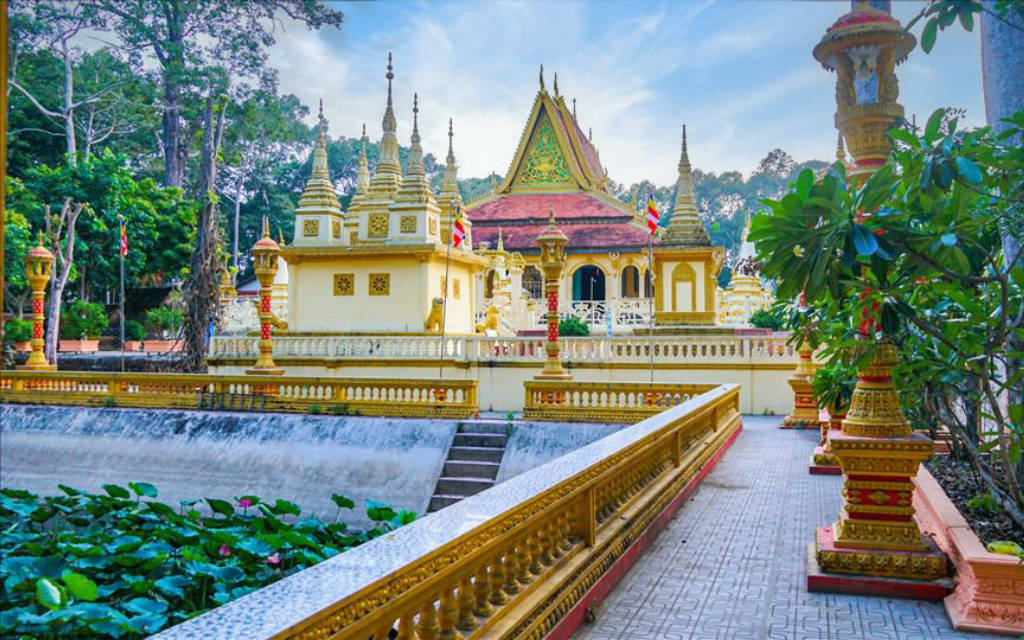
Chùa Âng
 Quốc lộ 53 thuộc khóm 3, Lương Hoà, huyện Châu Thành, tỉnh Trà Vinh, Việt Nam
Chùa Âng (Angkorajaborey) là ngôi chùa Khmer cổ tiêu biểu tại Trà Vinh, được xây dựng từ năm 990. Tọa lạc tại Quốc lộ 53 thuộc khóm 3, Lương Hoà, huyện Châu Thành, tỉnh Trà Vinh, cạnh Ao Bà Om và Bảo tàng Văn hóa Khmer. Chùa nổi bật với kiến trúc độc đáo, chính điện mái ba cấp trang trí rồng thần Naga, cùng các bức bích họa kể cuộc đời Đức Phật. Đây là trung tâm văn hóa, tín ngưỡng quan trọng, đặc biệt trong lễ hội Ok Om Bok hàng năm.
Giữa mênh mông những cánh đồng lúa xanh mát của miền Tây sông nước, chùa Âng hiện lên như một viên ngọc quý, tỏa sáng rực rỡ. Không chỉ là một ngôi chùa, nơi đây còn là một bảo tàng sống động, lưu giữ những giá trị văn hóa, lịch sử quý báu của người Khmer. Với kiến trúc độc đáo, những câu chuyện huyền bí và những lễ hội truyền thống, chùa Âng hứa hẹn sẽ mang đến cho du khách những trải nghiệm khó quên.
Hôm nay, chúng ta sẽ cùng khám phá một trong những biểu tượng văn hóa đặc sắc của dân tộc Khmer tại Trà Vinh – Chùa Âng, hay còn được biết đến với tên gọi Wat Angkorajaborey. Đây là một ngôi chùa cổ trong hệ thống 141 chùa Khmer của tỉnh Trà Vinh. Hiện tọa lạc tại khóm 3, Lương Hoà, huyện Châu Thành, tỉnh Trà Vinh, chùa cách trung tâm tỉnh lỵ hơn 5 km về hướng tây nam và cách quốc lộ 53 hơn 500 m về hướng đông, liền kề với danh thắng Ao Bà Om và Bảo tàng Văn hóa dân tộc Khmer Trà Vinh.
Khuôn Viên Và Cảnh Quan
Điều thú vị, quý vị có để ý rằng ngôi chùa quay mặt về hướng Đông không? Theo quan niệm Phật giáo, đây là hướng mà Đức Phật nhìn về để soi sáng và dẫn dắt chúng sinh.
Hãy hình dung điều này! Khi quý vị bước vào cổng chùa, hai hàng cây sao dầu cổ thụ cao vút trải dài hơn 400m như một tấm màn xanh che mát, dẫn lối vào không gian linh thiêng. Cảm giác đầu tiên của quý vị là gì? Có phải là sự yên bình pha lẫn chút uy nghiêm? Chính những hàng cây này đã chứng kiến hàng trăm năm lịch sử của chùa, như thể thì thầm những câu chuyện từ quá khứ đến hiện tại.
Với khuôn viên rộng hơn 3,5 ha, chùa Âng nổi bật với nhiều chủng loài thực vật đặc hữu trên đất giồng cát như sao, dầu, tre, trúc… Trong đó, hàng trăm gốc sao, dầu cổ thụ tỏa bóng mát quanh năm, tô điểm cho ngôi chùa cổ kính. Và cũng như bao ngôi chùa Khmer khác tại Trà Vinh, Chùa Âng là một quần thể các công trình kiến trúc bao gồm tăng xá, giảng đường dạy chữ Paly và chữ Khmer… bao quanh ngôi chánh điện uy nghi.
Lịch Sử Và Kiến Trúc
Theo truyền thuyết, chùa Âng đã tồn tại từ nhiều thế kỷ trước nhưng được xây dựng quy mô như hiện nay vào năm Thiệu Trị thứ 3, tức năm 1842. Từ đó đến nay, ngôi chùa đã nhiều lần được trùng tu, sửa chữa, bao gồm cả việc xây dựng mới các công trình phụ như nhà tăng xá, trai đường… nhưng ngôi chánh điện vẫn giữ được nguyên trạng như buổi đầu.
Theo Bảng Di tích lịch sử chùa Âng, chùa có từ năm 990. Đến năm 1695, ngôi chánh điện được xây dựng lại bằng lá tre. Năm 1842, chùa được xây dựng lại bằng gỗ quý (rui, mè và 60 cây cột), lợp ngói và tường xây. Sau đó, chùa còn được trùng tu vài lần nữa.
Ngay từ cổng vào, quý khách sẽ thấy những ngọn tháp cao vút và các hình chằn, vũ nữ Kẽn naarr cùng chim thần Krũd, biểu tượng của sự thịnh vượng và bảo vệ.
Điểm đặc biệt chỉ có tại Chùa Âng!
Phía trước chánh điện là ngôi tháp năm ngọn, biểu trưng cho vũ trụ theo quan niệm Ấn Độ giáo. Đây là ngôi tháp duy nhất trong số 141 chùa Khmer tại Trà Vinh có thiết kế độc đáo này. Quý vị có biết, mỗi ngọn tháp không chỉ là biểu tượng mà còn chứa di cốt của các vị sư cả trụ trì qua từng thời kỳ?
Chánh Điện - Trái Tim Của Chùa
Trung tâm của ngôi chùa Khmer là ngôi chánh điện (Preah Vihea) thờ Phật, phản ánh trình độ của các nghệ nhân đương thời về nghệ thuật kiến trúc, hội họa, điêu khắc.
Nền chánh điện rộng 24 x 36 m, cao 1,4 m, được xây bằng đá xanh, mặt lót gạch tàu cổ và được bao bọc bởi một hàng rào cao 1,23 m, chừa hai cửa ra vào ở hai hướng đông và tây. Ngôi chánh điện có diện tích 12 x 24 m, được xây dựng trên nền thứ hai, cao hơn nền thứ nhất 0,6 m và được bao bọc bởi vòng rào thứ hai cao 0,7 m.
Ngôi chánh điện được xây dựng bằng khung gỗ, mái lợp ngói, với hệ thống 18 chiếc cột bằng gỗ quý đường kính 0,6 m, cao 6 m. Bên ngoài hành lang phía trước có 6 cột, trong đó 4 cột giữa đúc hình tiên nữ (Keyno) và hai cột hai bên đúc hình chim thần (Krud).
Bên trong chánh điện là một không gian rộng với 12 trụ cột trang trí hình rồng, sơn son thếp vàng. Mái chánh điện được cấu tạo độc đáo, bao gồm ba cấp mái với màu sắc hài hòa, trong đó hai mái trên cùng cao và dốc, tạo ra cảm giác linh thiêng khi ngước nhìn. Hai đầu hồi đóng kín bằng hai tấm gỗ chạm khắc công phu. Các diềm mái trang trí hình rồng thân dài, vảy rồng uốn cong, tạo cảm giác mái ngói nhẹ nhàng, thanh thoát.
Những Bức Bích Họa Và Bệ Thờ Phật
Bốn bức tường chánh điện là những bức bích họa đặc sắc thể hiện tư tưởng Phật giáo, thông qua con đường tu hành của Phật Thích Ca. Trên trần là bốn bức bích họa hoành tráng thể hiện bốn giai đoạn trong cuộc đời Phật Thích Ca: Phật đản sanh, Phật xuất gia, Phật thành đạo và Phật nhập niết bàn.
Bệ thờ Phật trong chánh điện cũng được các nghệ nhân thời ấy tập trung công sức thể hiện. Toàn bộ bệ là một tòa sen với nhiều cánh đặt sau một lớp võng bằng gỗ chạm khắc tinh xảo với nhiều hình hoa lá, muông thú được sơn son thếp vàng.
Trên bệ, ngoài tượng chính cao 2,1 m còn có 55 tượng Phật lớn nhỏ khác nhau, bằng chất liệu xi măng và gỗ quý, đều được thếp vàng. Cũng như các ngôi chùa Nam tông Khmer khác, chánh điện chùa Âng chỉ thờ duy nhất Đức Phật Thích Ca ở tư thế ngồi thiền định.
Giá Trị Lịch Sử Và Văn Hóa
Việc xây dựng ngôi chùa bề thế, uy nghi vào giữa thế kỷ XIX chứng tỏ rằng khu vực trên con giồng cát phía tây nam thành phố Trà Vinh lúc bấy giờ đã tồn tại những phum sóc Khmer có mật độ dân cư đông đúc, đời sống kinh tế sung túc và trình độ nghệ thuật cao. Qua thời gian, một số cột gỗ và chi tiết bằng gỗ trong kiến trúc chánh điện chùa Âng bị hư hại, nhà chùa đã tu sửa, dặm vá bằng xi măng và các chất liệu khác.
Di Tích Lịch Sử Quốc Gia
Trải qua gần hai thế kỷ, ngôi chánh điện chùa Âng vẫn tồn tại vững vàng trước tác động của thời tiết, mưa gió và thời gian. Chùa Âng là niềm tự hào của đồng bào Khmer và cộng đồng các dân tộc Trà Vinh bởi các giá trị nghệ thuật, kiến trúc, hội họa và điêu khắc đậm đà bản sắc văn hóa Khmer, có sự giao lưu với văn hóa Việt, Hoa, Ấn Độ và Thái Lan. Năm 1994, Chùa Âng được Bộ Văn hóa Thông tin xếp hạng di tích lịch sử – văn hóa cấp quốc gia.
Quý vị có cảm thấy rằng, giữa khung cảnh mênh mông của miền Tây, Chùa Âng chính là một nhịp cầu nối giữa quá khứ và hiện tại, giữa tâm linh và đời sống văn hóa?
Ngày nay, chùa Âng là một trong những ngôi chùa Phật giáo Khmer tiêu biểu ở Trà Vinh, nơi diễn ra nhiều sinh hoạt văn hóa, lễ hội, trong đó có lễ hội Ok Om Bok – di sản văn hóa phi vật thể cấp quốc gia vào dịp Rằm tháng Mười âm lịch hàng năm.
Cùng với di tích lịch sử – văn hóa Ao Bà Om, Bảo tàng Văn hóa dân tộc Khmer và Trung tâm Văn hóa – Thể thao tỉnh, di tích chùa Âng tạo nên một khu sinh hoạt văn hóa và là điểm nhấn quan trọng trong chiến lược phát triển du lịch Trà Vinh thế kỷ XXI.
Xin cảm ơn quý vị đã đồng hành cùng Tatinta trong chuyến thăm Chùa Âng hôm nay. Hy vọng rằng, những thông tin và trải nghiệm này sẽ để lại ấn tượng đẹp trong lòng quý vị. Nếu có thời gian, đừng quên dành thêm một buổi để dạo chơi bên Ao Bà Om và khám phá những nét đẹp khác của Trà Vinh.
Chúc quý vị có một hành trình thật ý nghĩa và đáng nhớ!
Trải nghiệm không thể bỏ lỡ
• Chụp ảnh sống ảo: Đừng quên ghi lại những khoảnh khắc đẹp tại các góc như cổng chùa, chính điện hay dưới tán sao dầu rợp mát.
• Tham gia lễ hội Ok Om Bok: Một cơ hội để hiểu rõ hơn về đời sống văn hóa phong phú của người Khmer.
• Tìm hiểu văn hóa dân tộc Khmer: Đối diện chùa là Bảo tàng Văn hóa Khmer, nơi lưu giữ nhiều hiện vật quý giá.
1. Thời điểm lý tưởng để viếng chùa
Chùa Âng Trà Vinh là một điểm đến hấp dẫn quanh năm, nhưng tháng 7 và tháng 10 âm lịch là thời điểm lý tưởng nhất nếu bạn muốn trải nghiệm không khí lễ hội đặc sắc của người Khmer. Vào những tháng này, các lễ hội truyền thống như Chol Chnam Thmây (Tết Khmer), Đôlta (Lễ cúng ông bà), và Ok Om Bok (Lễ cúng trăng) diễn ra sôi động, thu hút nhiều du khách tham gia.
Ngoài ra, nếu đến vào mùa hè, bạn có thể thưởng thức những loại trái cây tươi ngon tại các vườn cây Trà Vinh như sầu riêng, xoài, dừa, chôm chôm… Cảnh sắc của chùa Âng cũng đặc biệt đẹp vào mùa hè khi ánh nắng chiếu vào tạo nên không gian huyền bí và trang nghiêm.
2. Đường đến chùa Âng
Chùa Âng nằm cách Sài Gòn khoảng 125 km, tương đương với hơn 2 giờ lái xe. Để đến đây, bạn có thể lựa chọn di chuyển bằng xe cá nhân (xe máy, ô tô) hoặc xe khách. Nếu đi xe cá nhân, bạn sẽ đi theo quốc lộ 1A, sau đó rẽ vào QL60, vượt qua các điểm như sông Tiền, thành phố Bến Tre và cầu Cổ Chiên để đến Trà Vinh. Từ trung tâm thành phố, bạn chỉ cần hỏi người dân, họ sẽ hướng dẫn tận tình.
Nếu đi xe khách, bạn có thể chọn một trong các nhà xe từ bến xe Miền Tây, như:
- Xe Kim Hoàng (100.000 VND/vé)
- Xe Vận Tải Trà Vinh (120.000 VND/vé)
- Xe Tân Thanh Thủy (100.000 VND/vé).
Sau khi đến Trà Vinh, bạn có thể thuê xe máy để di chuyển trong thành phố với giá từ 150.000 - 200.000 VND/ngày.
Giá vé: Miễn phí.
Giờ mở cửa: 9h - 17h tất cả các ngày trong tuần (Thường đông khách vào 10h - 11h).