


Xem tất cả kết quả cho ""

 Ngày bất kỳ
  Tiếng Việt
 English
 한국어
한국어 日本語
日本語 简体中文
简体中文 Français
 Deutsch
 Español
 Italiano
 Русский


 Đăng nhập cho Doanh nghiệp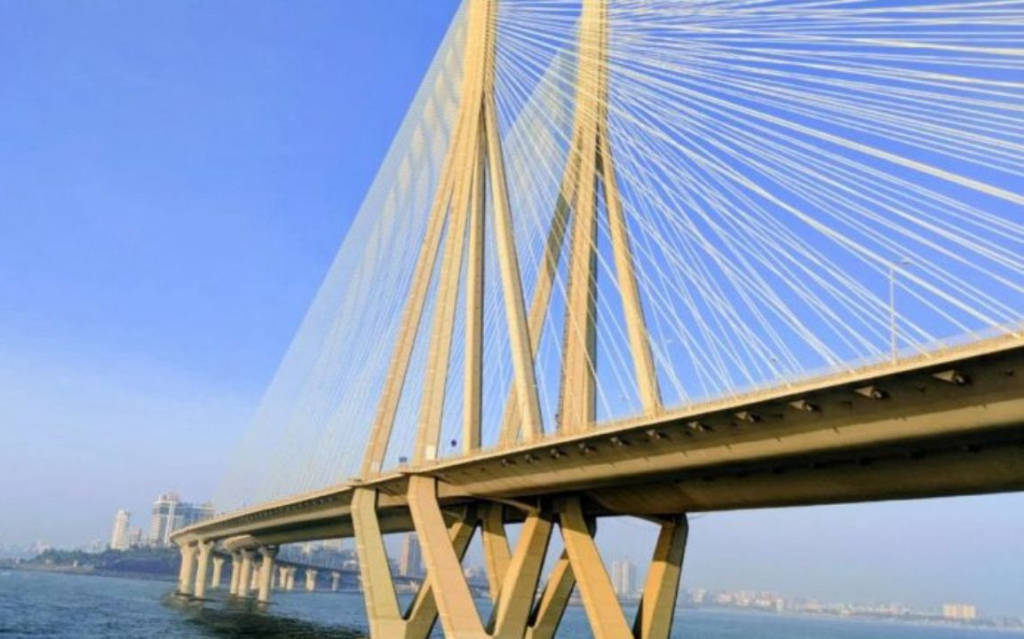
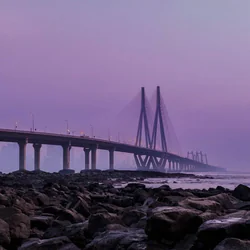
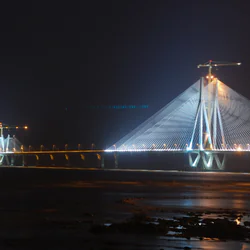
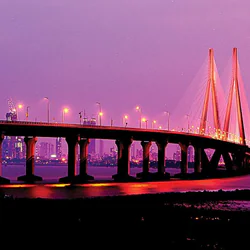
Cầu dây văng vượt biển Bandra Worli
 Kesarinath Buva Bhaye Marg, Koliwada, Worli, Mumbai, Maharashtra 400030, India
Cầu dây văng vượt biển Bandra Worli đã trở thành một trong những địa danh nổi bật của Mumbai và cũng đã lọt vào top 10 giải thưởng cho địa điểm hấp dẫn nhất do du khách bình chọn trên trang du lịch Tripadvisor (Tripadvisor’s Traveller’s Choice) trong nhiều năm, thuộc hạng mục kiến trúc và cơ sở hạ tầng hiện đại.
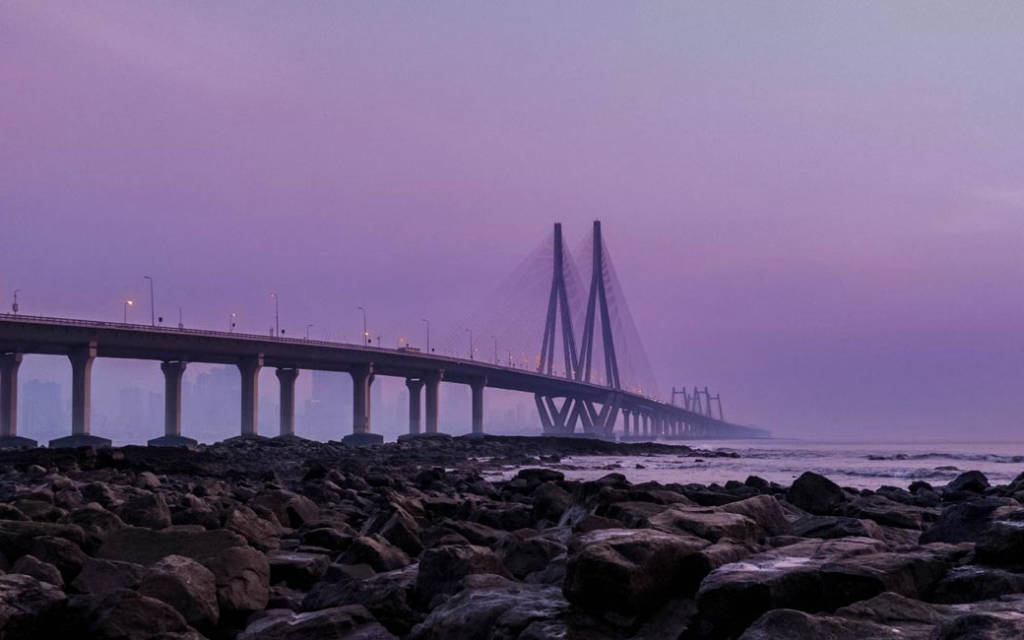
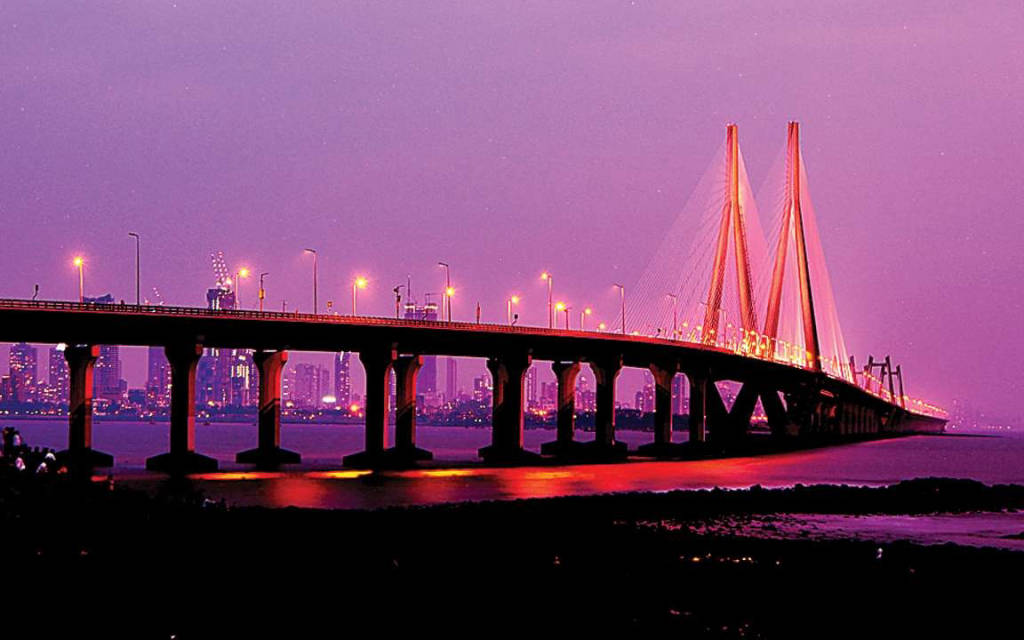
Cầu dây văng vượt biển Bandra Worli của Mumbai, có tên chính thức là “Cầu dây văng vượt biển Rajiv Gandhi” dài 5,6 km là kỳ quan về kiến trúc, kỹ thuật và cơ sở hạ tầng 8 làn xe của Ấn Độ. Đây là cây cầu dây văng đầu tiên được xây dựng trên biển khơi ở Ấn Độ. Cây cầu được thiết kế có thể cho phép hơn 37.000 lượt xe cộ mỗi ngày.
Trước đó, các vùng ngoại ô trung tâm của Mumbai, khu kinh doanh chính và các vùng ngoại ô phía tây chỉ được kết nối bằng đường cao tốc Mahim. Đó là con đường duy nhất nối hai khu thương mại của Mumbai, thêm vào đó là những phiền toái cho người đi làm trong giờ cao điểm khi di chuyển từ đầu này sang đầu kia mất tối thiểu 70-90 phút. Để giảm bớt sự bất tiện do tắc nghẽn giao thông tại Mahim Causeway, việc xây dựng một tuyến đường biển đã được đề xuất. Cây cầu được đề xuất sẽ nối Bandra và Worli, giảm thời gian di chuyển từ 60-90 phút xuống còn 10 phút. Cầu dây văng vượt biển Bandra Worli Mumbai đã được lên kế hoạch xây dựng trên Vịnh Mahim, nơi sẽ đóng vai trò là tuyến đường thay thế đến Mahim Causeway.
Viên đá nền tảng cho tuyến đường biển vào năm 1999 với chi phí ước tính 6,6 tỷ INR và sẽ hoàn thành trong 5 năm. Nhưng dự án bị trì hoãn 5 năm và chi phí tăng vọt lên con số khổng lồ 16 tỷ INR. Cầu dây văng vượt biển Bandra Worli Mumbai là dự án đầu tiên sử dụng các thiết bị chống địa chấn để làm cho cấu trúc đủ vững chắc để chịu được động đất lên tới 7,0 độ Richter.
Tuyến đường biển cuối cùng đã được thông xe cho các phương tiện giao thông vào vào tháng 6 năm 2009, với chỉ 4 làn xe hoạt động trong tổng số 8. Tuyến đường biển đầy đủ chức năng được khai trương vào tháng 3 năm 2010. Cây cầu được khánh thành bởi Chủ tịch UPA, Smt. Sonia Gandhi.
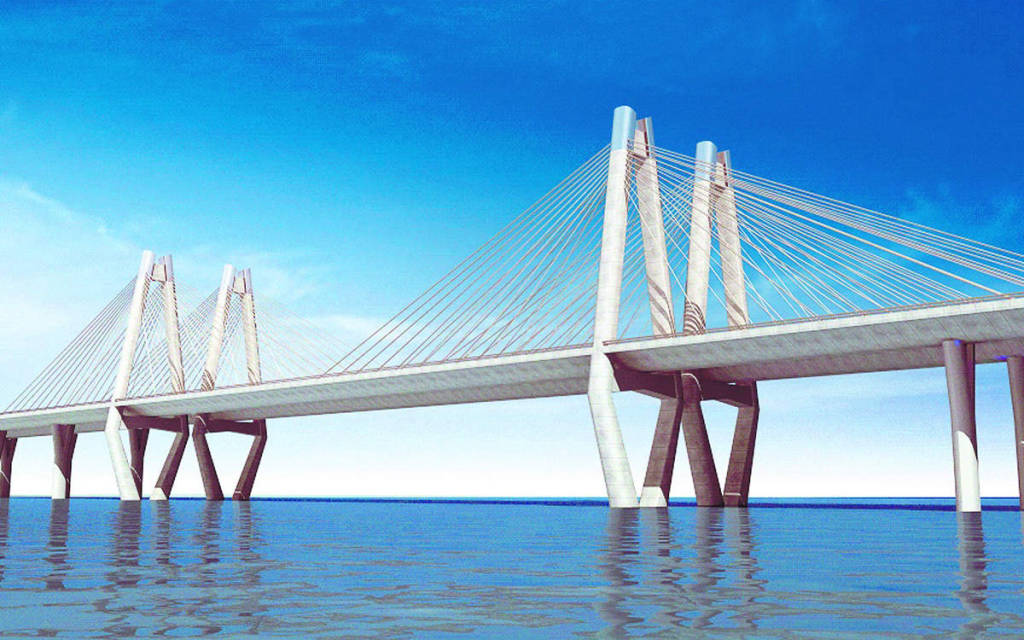
Cấu trúc của cầu được xác định gồm 3 phần là cầu cạn phía bắc, cầu dây văng trung tâm và cầu cạn phía nam. Việc xây dựng cây cầu này là một nỗ lực chung của các tài năng, trong đó các kỹ sư từ khắp nơi trên thế giới đã cùng nhau tạo nên một kỳ quan như ngày nay..
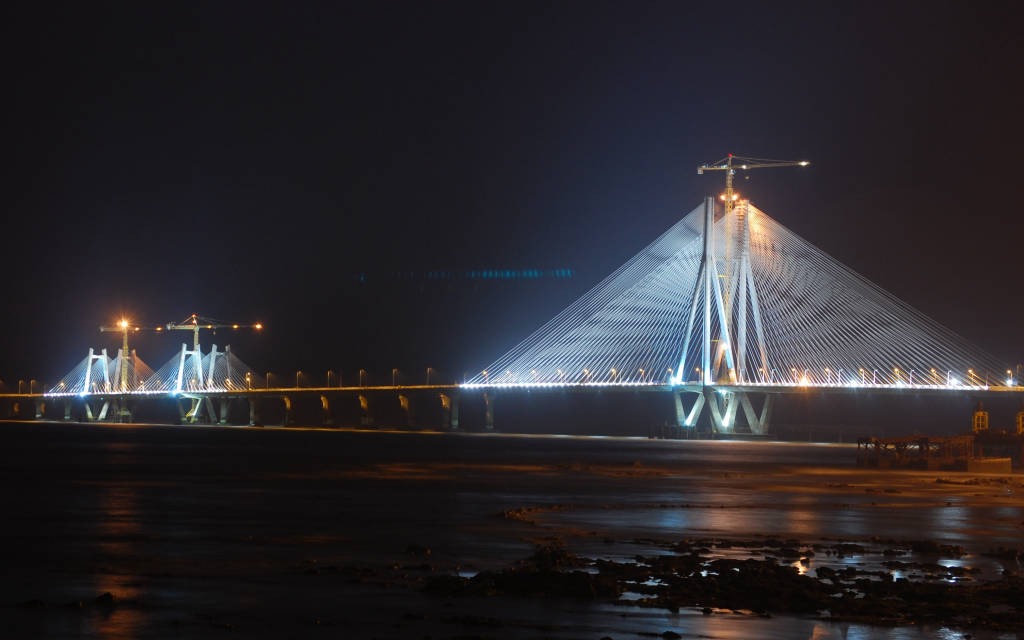
Nhịp cầu bê tông trên kênh Bandra, cũng là nhịp chính, là nhịp dài nhất trong số các nhịp, trong khi các tháp trụ có hình dạng phức tạp. Tổng cộng 0,1 triệu tấn xi măng đã được sử dụng cho dự án. Chỉ riêng nhịp sàn bê tông cuối Bandra đã nặng 20.000 tấn và được hỗ trợ bởi dây văng cường độ cao. Các tháp cột cao nhất có kích thước 128 mét với chiều cao của chúng giảm dần theo mặt cắt ngang.
Các cầu cạn ở hai bên là phần kết cấu thượng tầng đúc sẵn bê tông-thép nặng nhất được xây dựng ở Ấn Độ. Chiều dài của phần nhịp dây văng về phía đầu Bandra là 600 mét với tổng số 264 dây văng và chiều dài của phần cuối Worli là 250 mét với tổng số 160 dây văng.
Khung cảnh và vẻ đẹp của cây cầu vào ban đêm là một cảnh tượng đáng chú ý khi dây văng được thắp sáng hoàn toàn và các phương tiện chạy trên cầu tạo nên một bức ảnh tuyệt vời cho tất cả những người đam mê nhiếp ảnh. Vì vậy nó không chỉ đẹp về mặt kiến trúc mà còn là một công trình kỳ công đáng chiêm ngưỡng tại Mumbai
Giờ mở cửa: 24/24
Vé vào cửa: miễn phí