


See all results for ""

 Anytime
 Tiếng ViệtEnglish
 한국어
한국어 日本語
日本語 简体中文
简体中文 Français
 Deutsch
 Español
 Italiano
 Русский


 Login for Corporates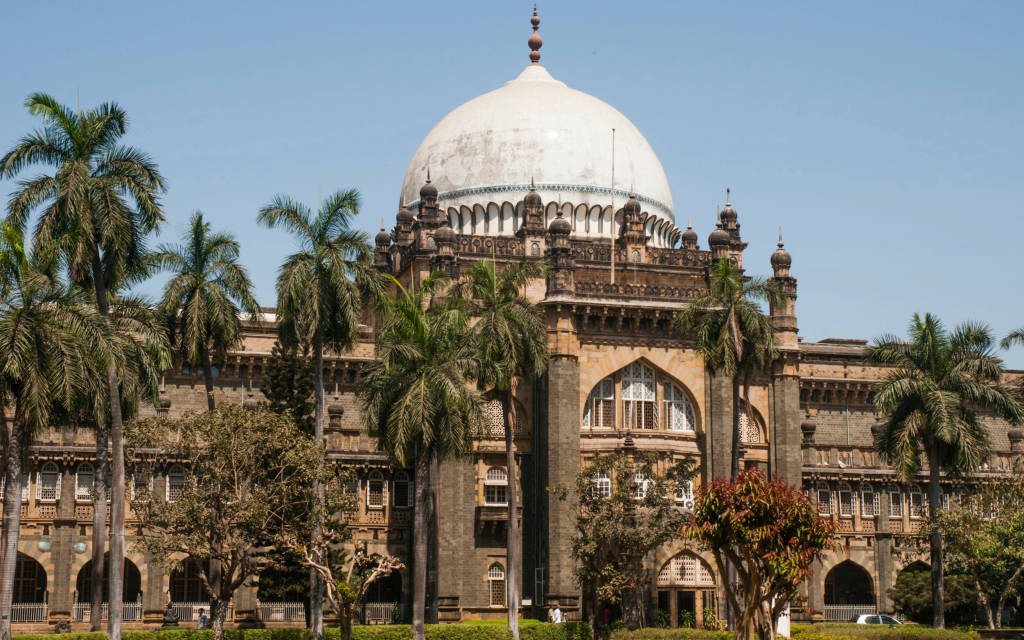
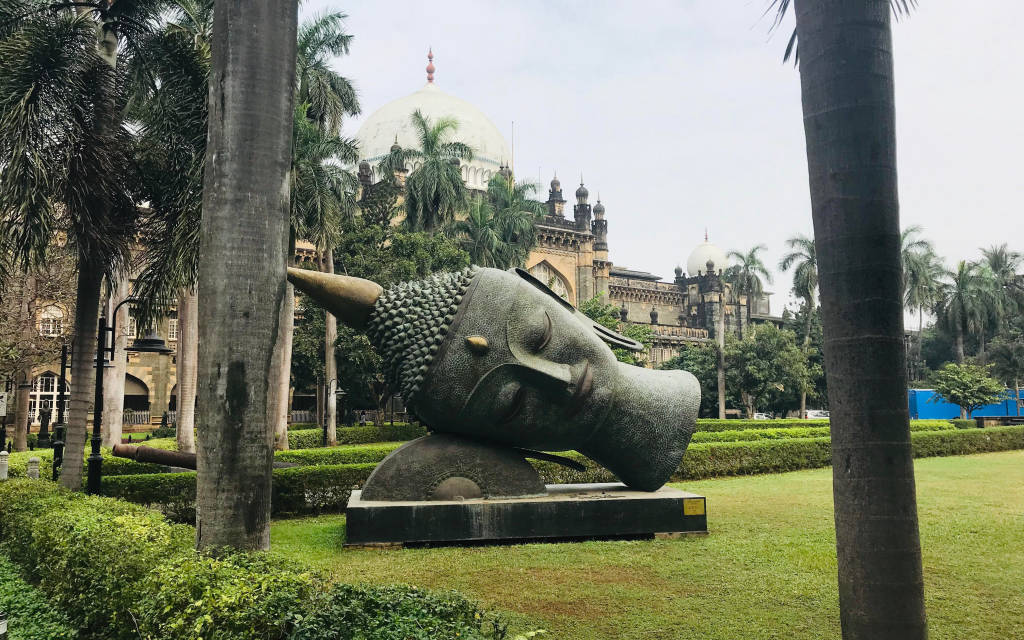
The Prince of Wales Museum (Chhatrapati Shivaji Maharaj Vastu Sangrahalaya)
 159, Mahatma Gandhi Road, Kala Ghoda, Fort, Mumbai, Maharashtra 400001, India
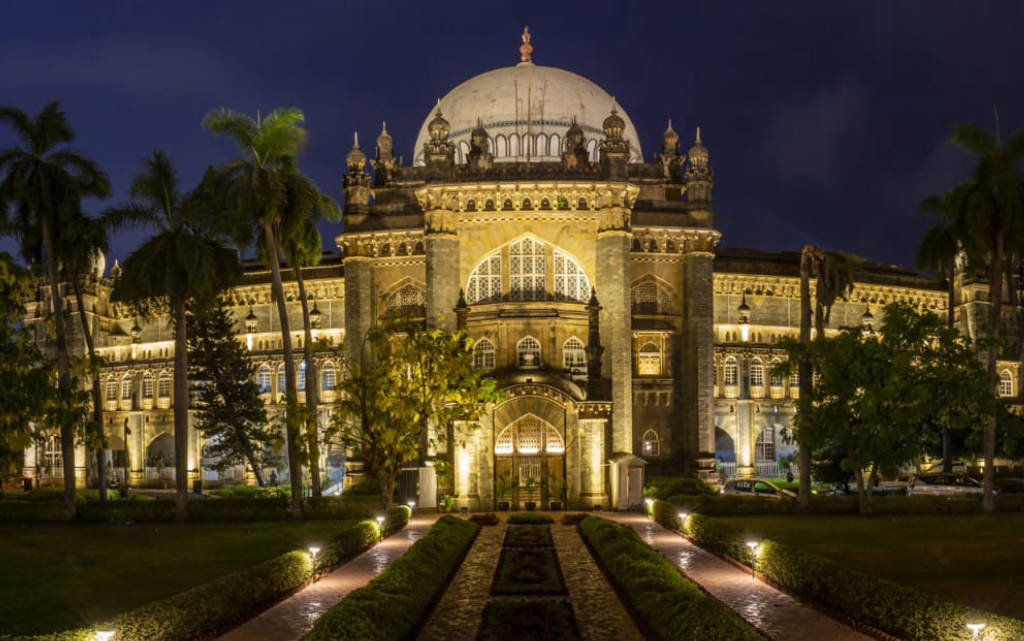
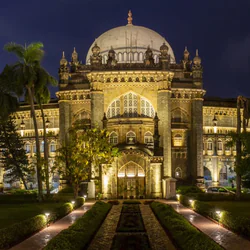
With amazing architecture and a long history, the Prince of Wales museum is recognized as a First Class Heritage Building and has been awarded the 2010 Asia-Pacific World Heritage Award for Cultural Heritage Preservation. chemical.
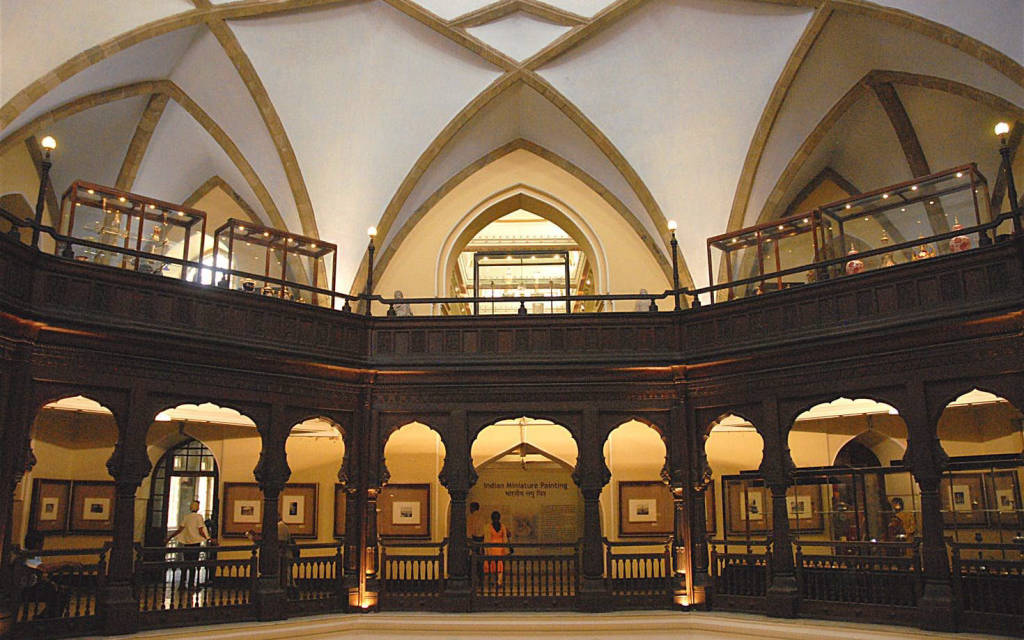
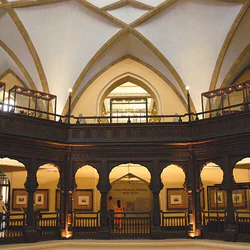
Chhatrapati Shivaji Maharaj Vastu Sangrahalaya, formerly known as the Prince of Wales Museum, is an outstanding art and history museum in India. Back in the 1900s, artists and the public began to discuss the need to build an open cultural institution in Mumbai. The demand continued to increase until a museum was established with the support of the public and by the Government of then President Mumbay. An open competition was held in 1909 to choose the architect who would eventually design and build the museum. British architect George Wittet, responsible for the design of many of Mumbai's landmarks, including the Gateway to India and the Ballard Estate, won the competition. He was responsible for popularizing the Indo-Saracenic style of architecture, which was a combination of Mughal and British architectural design acumen. This building is located at the southern tip of Mumbai on the Crescent Site. The layout of this heritage structure also includes a well laid out garden that retains its original plan. The slender columns inside the hall, the vaulted pavilion and the dome rising above the large intersecting arches combine to form a beautiful geometric pattern. Small mesh pieces for light and ventilation add to the grandeur of the building. George Wittet cleverly incorporated the original wooden vaulted pavilion purchased from a royal house in Nashik to make the circular balustrade on the first floor of the building. The dome of this building is modeled after the Gol Gumbaz of Bijapur and the dome is inspired by the Taj Mahal in Agra.
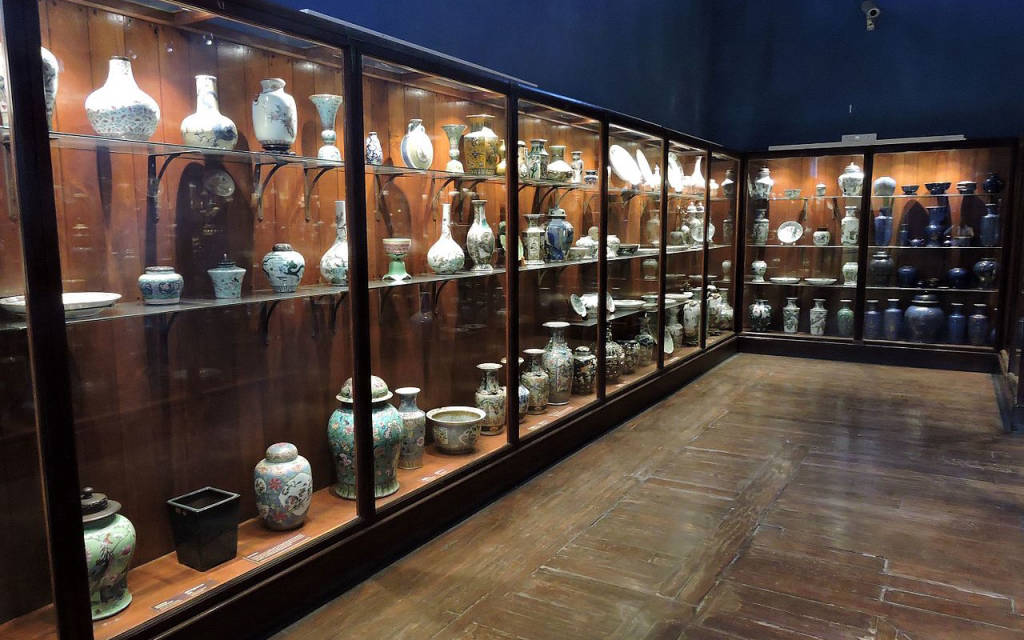
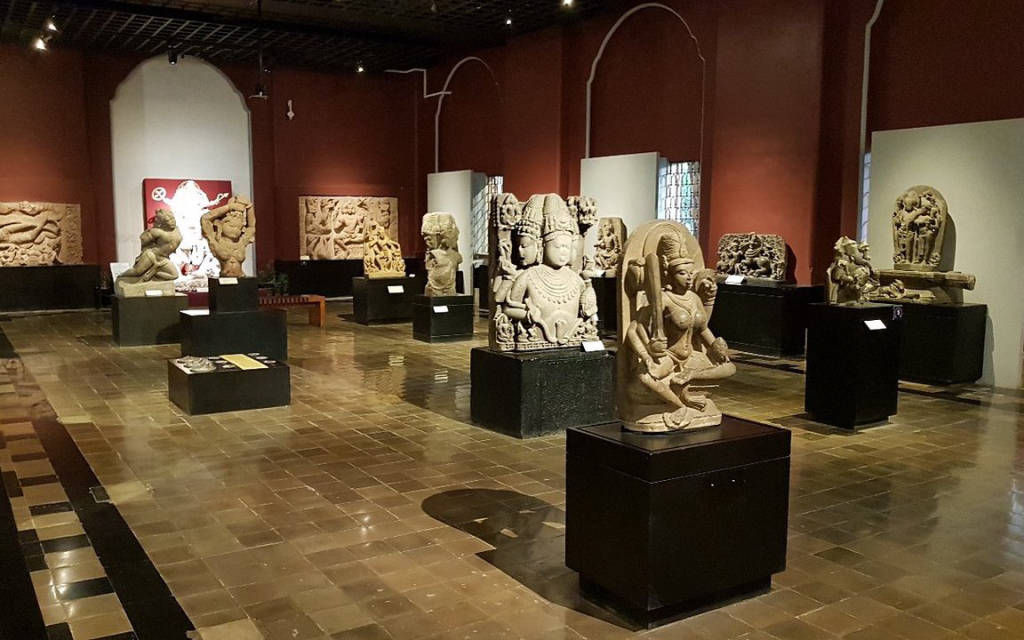
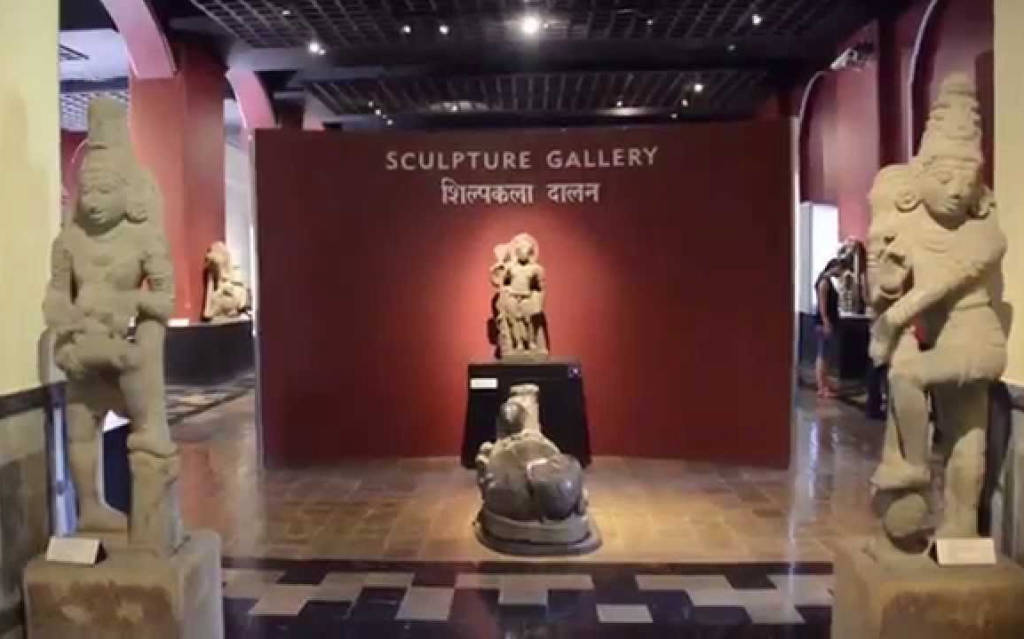
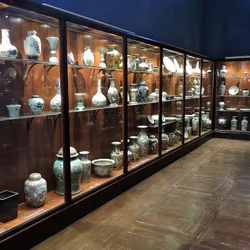
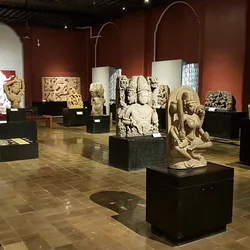
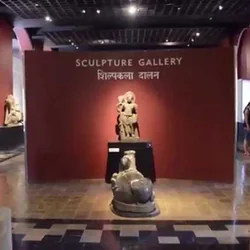
The museum has a collection of over 50,000 artefacts covering a variety of art forms from the Indian subcontinent and also China, Japan and European countries. In addition, it contains a research collection of natural history specimens. Among its more popular exhibits is a huge collection of Indian miniatures and other important antiquities, more specifically Maratha textiles and weapons and armor from the collection. collection of Seth Purshottam Mavji, a famous art collector. This collection was once part of the treasure chest of Nana Phadnavis, the most influential minister during the reign of the Peshwas. A special highlight of the museum is the center for art and conservation, specializing in the study and preservation of heritage.
You will have to pay an extra fee if you want to take pictures. Audio guide equipment, provided free of charge to international visitors to listen to an introduction to the museum's artifacts. Visitors can visit the wonderful shop and open-air cafe while visiting the museum.
Address: 159, Mahatma Gandhi Road, Kala Ghoda, Fort, Mumbai, Maharashtra 400001, India
Opening hours: 10:15 – 18:00