


See all results for ""

 Anytime
 Tiếng ViệtEnglish
 한국어
한국어 日本語
日本語 简体中文
简体中文 Français
 Deutsch
 Español
 Italiano
 Русский


 Login for Corporates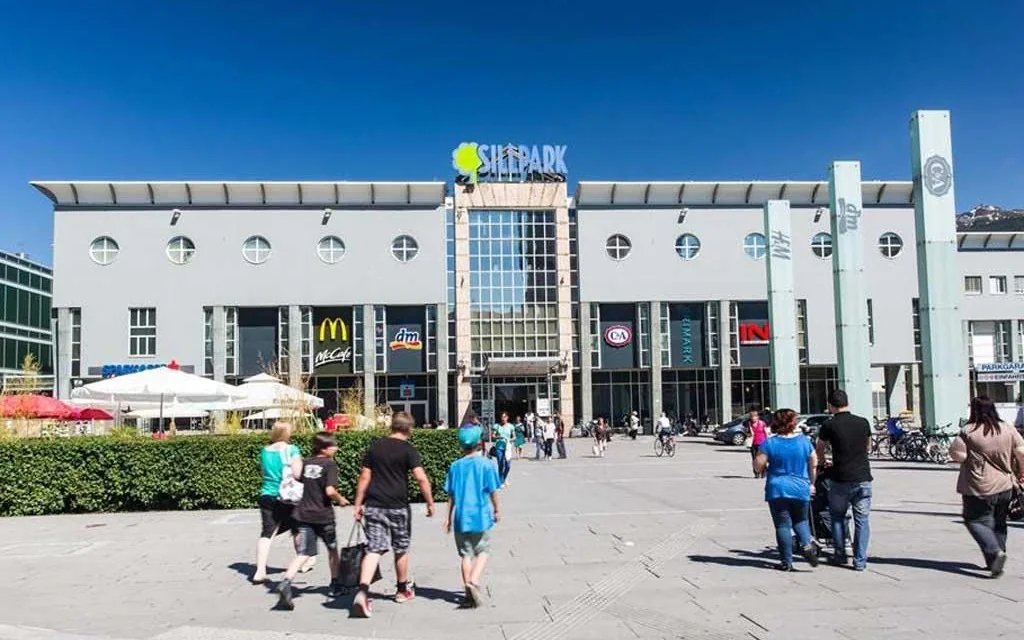
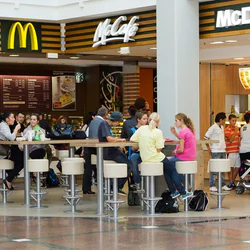
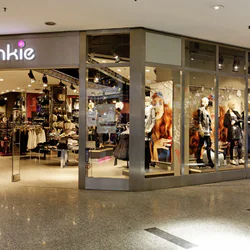
Trung tâm mua sắm Sillpark
 Museumstraße 38, 6020 Innsbruck, Austria
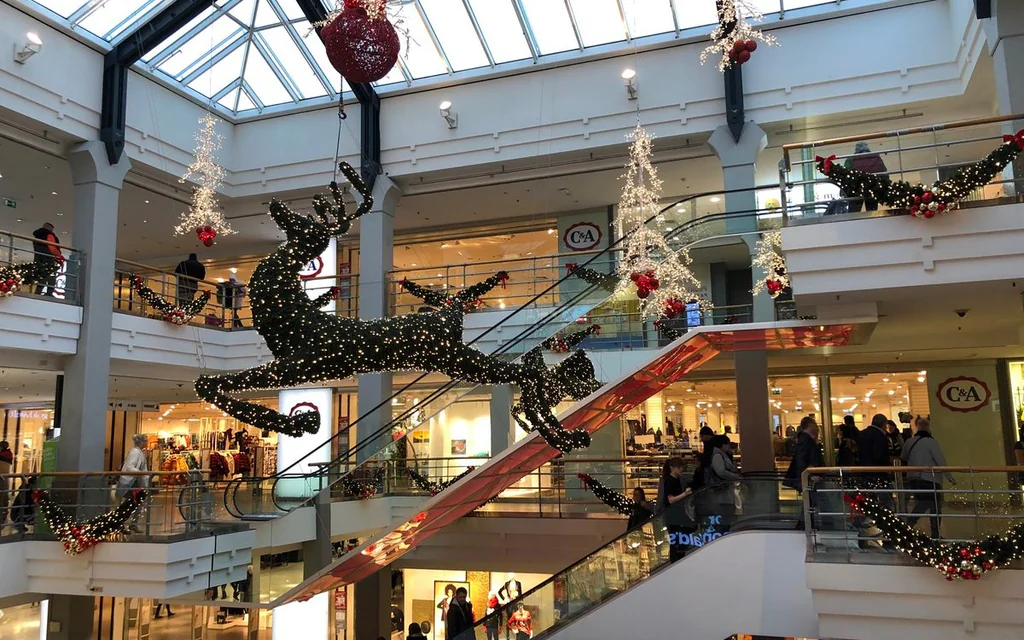
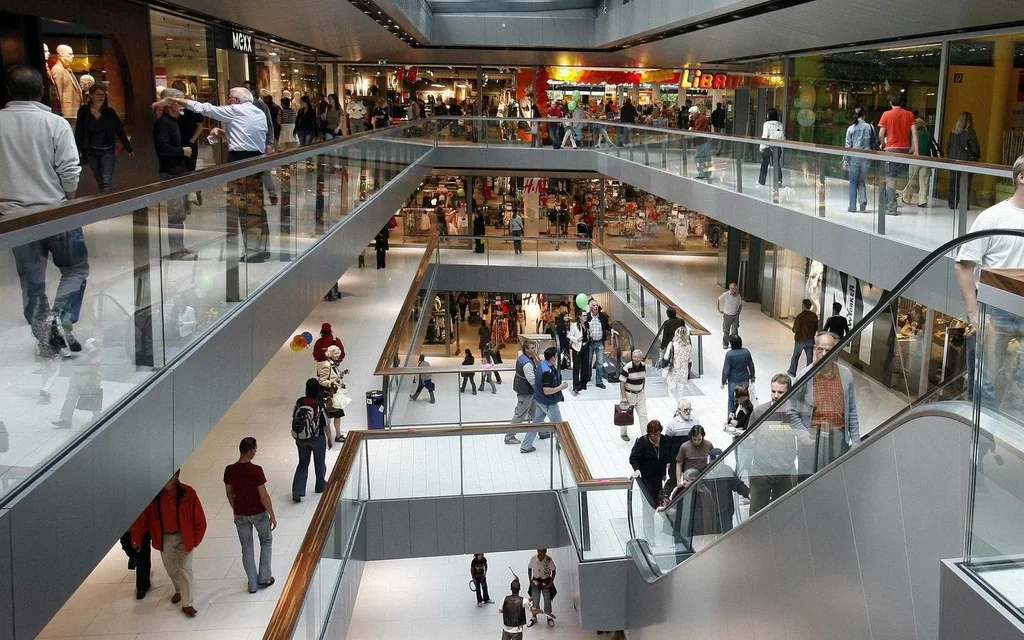
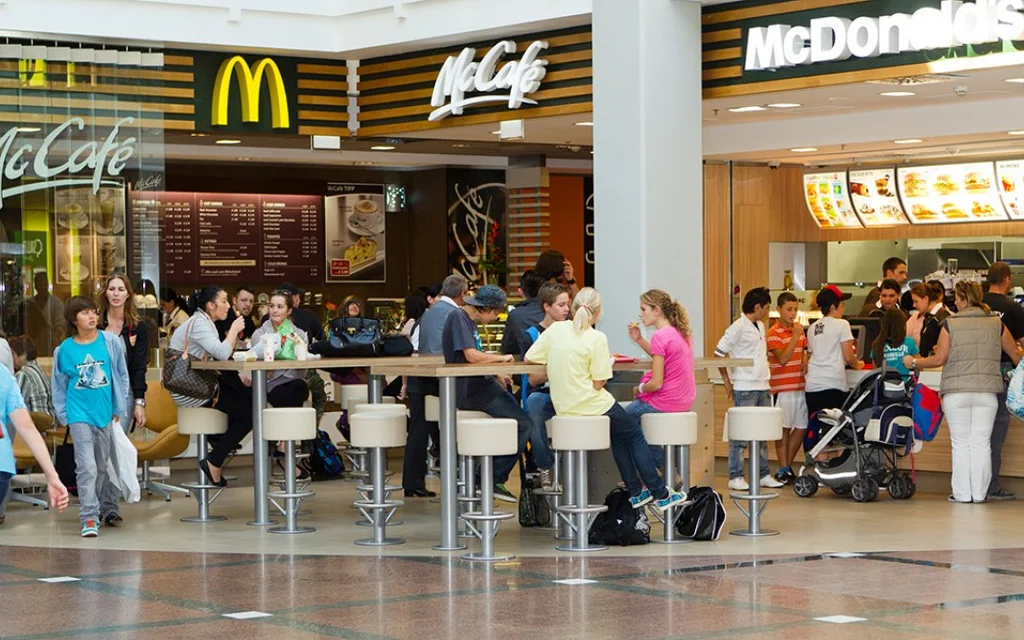
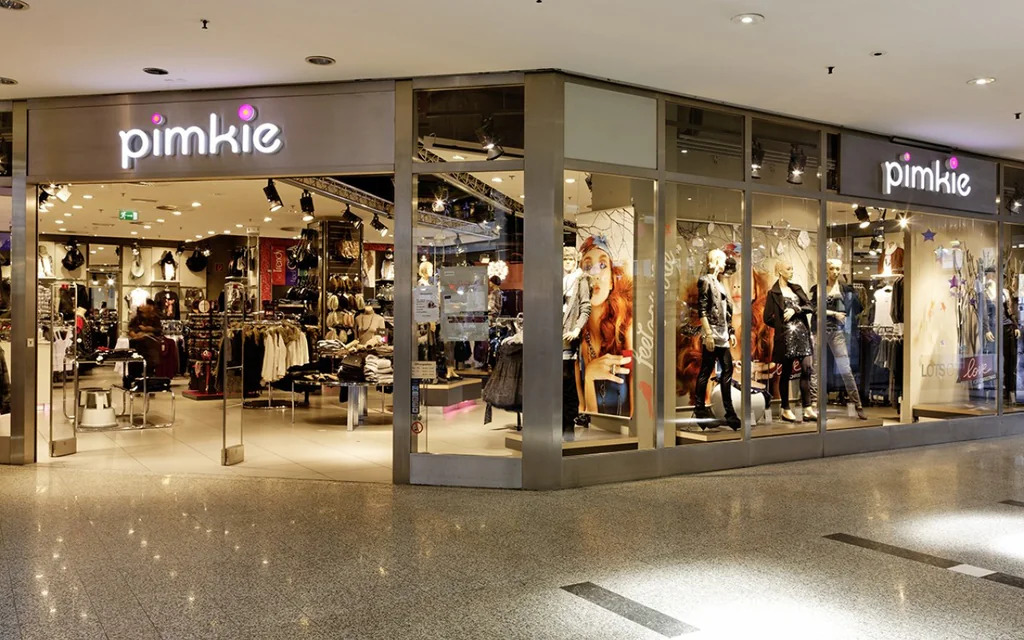
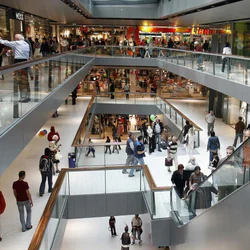
Trung tâm mua sắm độc đáo Sillpark được xây dựng vào năm 1990, chỉ cách thị trấn cổ của thành phố Innsbruck vài bước chân. Vô số cửa hàng, dịch vụ hàng đầu cho trẻ em và gia đình cũng như các sự kiện nổi bật hàng tháng khiến trung tâm mua sắm trên Sillpark trở thành "nơi cần phải đến thăm" ở Innsbruck. Sự đa dạng của các thương hiệu và công ty quốc tế, quốc gia và khu vực luôn luôn làm hài lòng du khách.
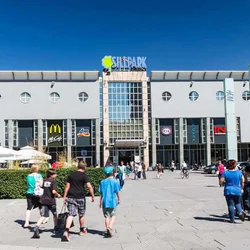
Sillpark là một trung tâm mua sắm ở quận Dreiheiligen của thành phố Innsbruck và là trung tâm thương mại nội thành lớn nhất trong thành phố. Trung tâm mua sắm thường được sử dụng làm nơi tổ chức các sự kiện khác nhau. Trung tâm SES Spar European Shopping Center GmbH đóng vai trò là nhà điều hành và phát triển Sillpark. Nó đã được xây dựng lại vào năm 2015.
Trung tâm mua sắm đã được các kỹ sư kiến trúc sư ATP lên kế hoạch xây dựng và khai trương vào năm 1990. Trung tâm mua sắm là dự án xây dựng lớn nhất trong thành phố vào thời điểm đó.
Nằm ngay tại ga xe lửa chính, tên của trung tâm mua sắm có nguồn gốc từ tên dòng sông Sill và nằm cạnh công viên. Vào năm 2007, Sillpark đã được mở rộng đáng kể với hơn 70 cửa hàng và hơn 700 nhân viên. Năm 2012, chi nhánh Primark đầu tiên ở Áo được khai trương tại Sillpark Innsbruck. Trong 2014 & 2015, trung tâm mua sắm đã được cải tạo lại hoàn toàn.
Sillpark rất dễ dàng tiếp cận với tất cả mọi người. Trung tâm Sillpark có một nhà để xe ngầm với đủ chỗ đậu xe, khu vực đỗ xe đạp cho hơn 400 xe đạp và xe buýt, xe điện dừng trước nhà. Ga Trung tâm của Innsbruck chỉ cách đó vài phút đi bộ.
Giờ mở cửa:
Thứ 2 – thứ 4: 09:00 – 19:00
Thứ 5 – thứ 6: 09:00 – 20:00
Thứ 7: 09:00 – 18:00
Chủ nhật: đóng cửa
Nhà hàng mở cửa từ 08:00
Địa chỉ: Museumstraße 38, 6020 Innsbruck, Austria
Điện thoại: +43 512 567400