


See all results for ""

 Anytime
 Tiếng ViệtEnglish
 한국어
한국어 日本語
日本語 简体中文
简体中文 Français
 Deutsch
 Español
 Italiano
 Русский


 Login for Corporates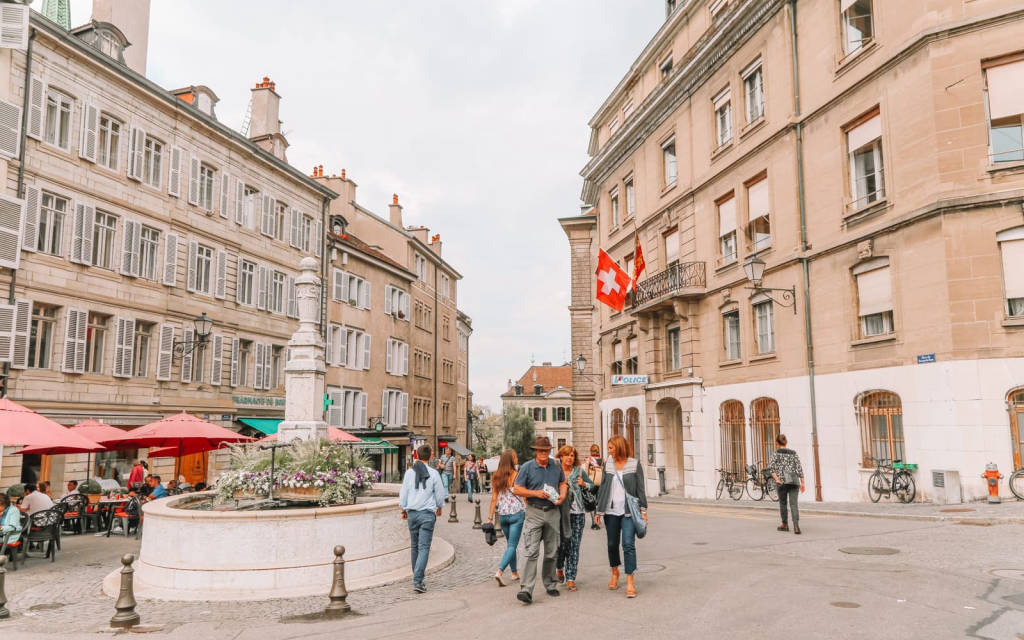
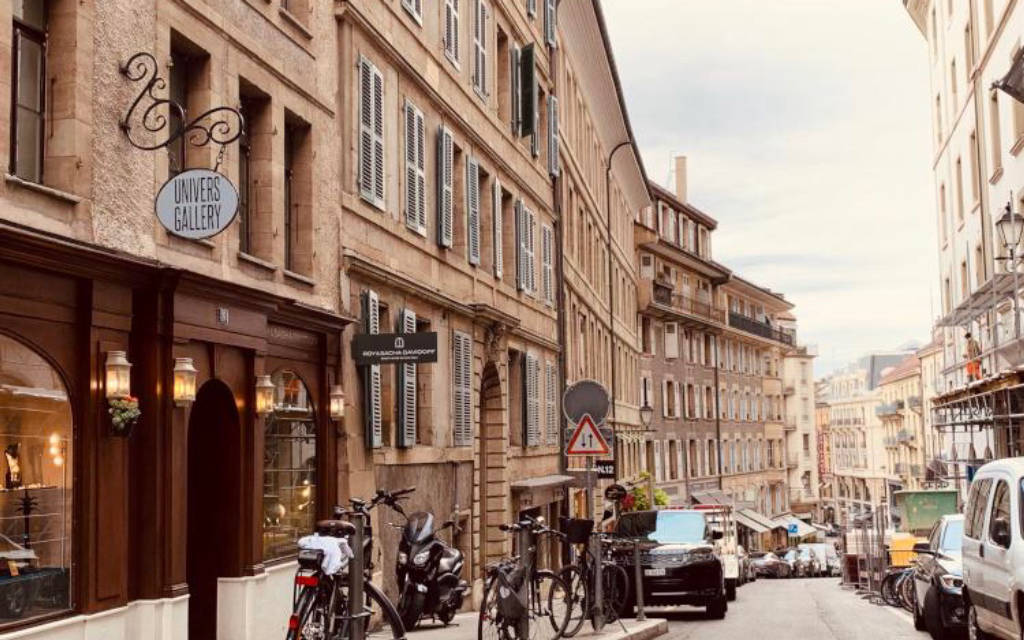
Vieille Ville (Old Town Geneva)
 Place du Bourg-de-Four, 1204 Genève, Switzerland
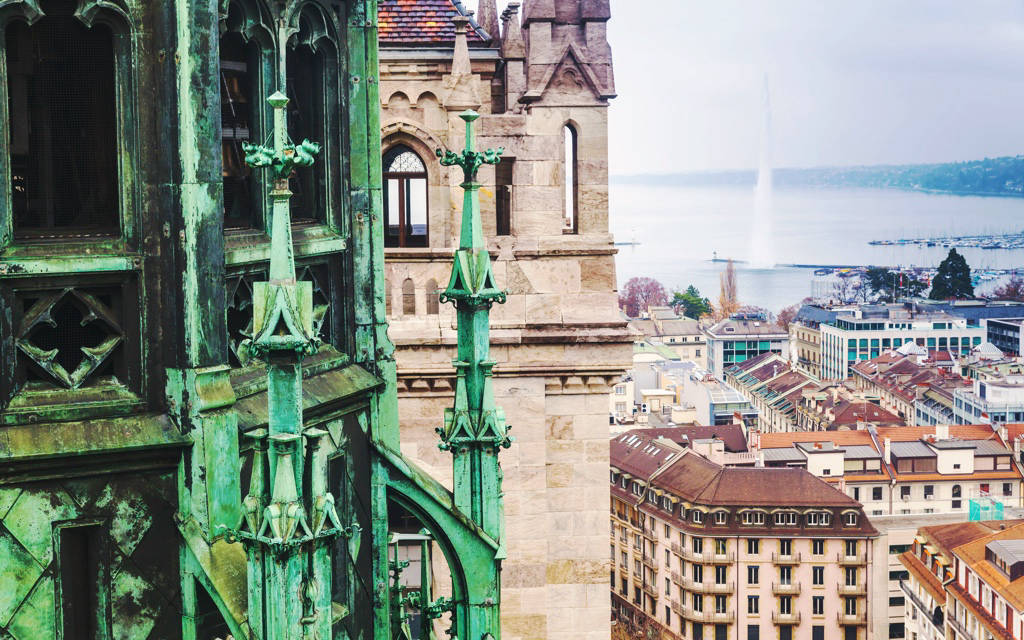
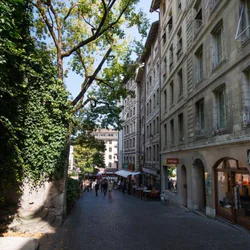
“The largest historic town in Switzerland, dominated by St. Peter's Cathedral (St. Peter's Cathedral), the iconic place of the Reformation"
Start exploring the Old Town from Place de la Madeleine , one of Geneva's oldest churches. This area is also one of Geneva's bomb shelters, built and in 1929 can accommodate up to 1200 people. Although Switzerland was neutral during WW2, pilot error was not spared: in June 1940, one of the allied forces mistook Geneva for Genoa, and dropped eight bombs on Champel, Plainpalais and Genoa. Carouge, killing four people and injuring dozens.
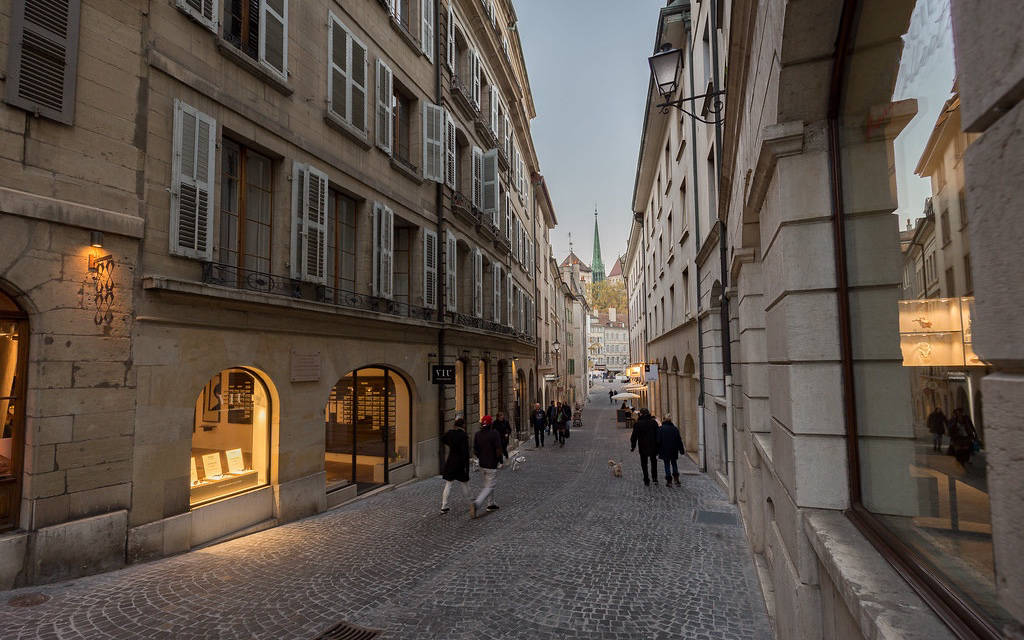
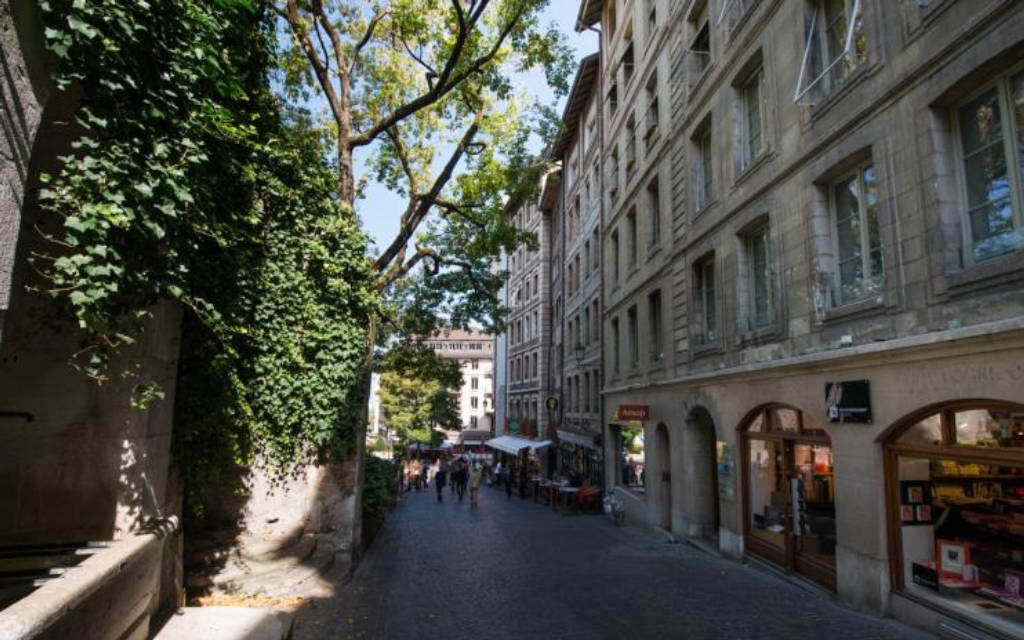
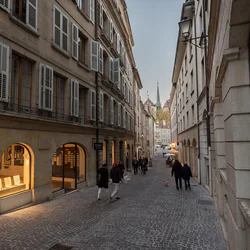
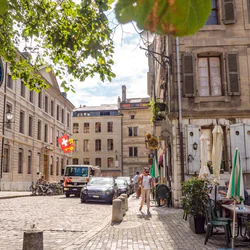
Walk along the street behind the Temple de la Madeleine and to the left from the bomb shelter is the pretty Rue Perron quarter , formerly a lifeline between the lower streets and the Hôtel de Ville and St. Pierre in the old town. Today, this is the site of the last public lighting structure, perched on the corner of a 16th-century stone building. When public lighting was first started in the city, it made an effort. make the street safer after dark.
In the Rue Perron neighborhood there is also Geneva's oldest and most iconic private house, Maison Tavel , built in the 12th century and operating as a museum since 1986. In addition to a wide range of sketch items History of the city between the Middle Ages and the 19th century, Maison Tavel is also home to the Relief Magnin, the largest historical relief in Switzerland, giving an overview of the city of Geneva before its fortifications were destroyed. destroyed in the 1850s.
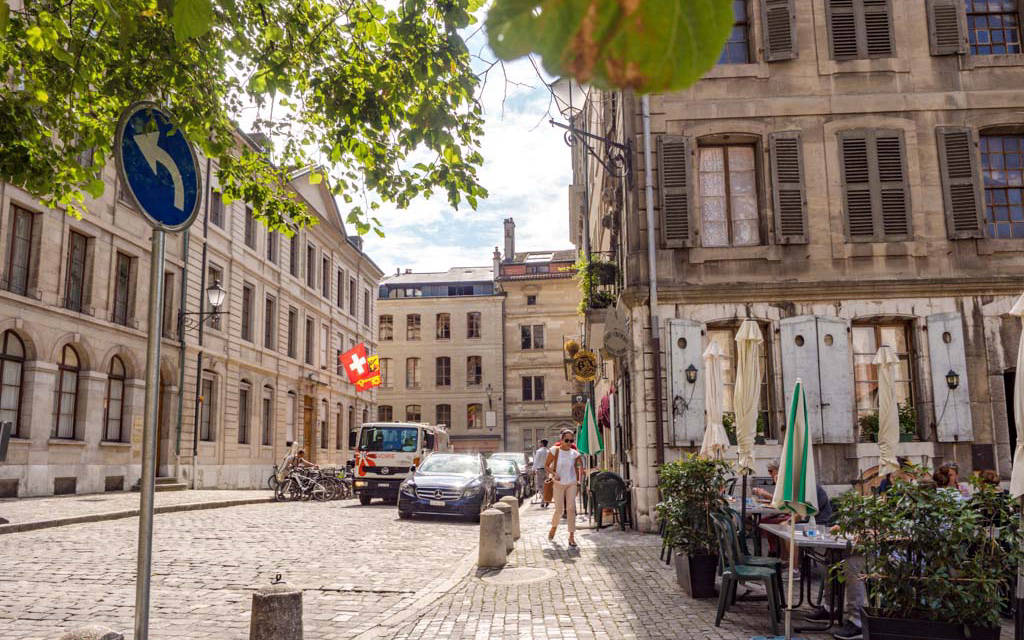
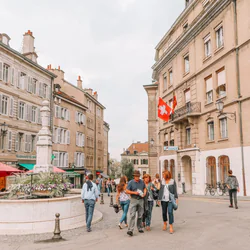
Place du Bourg-de-Four is the oldest square in Switzerland, founded in the 9th century under the Celts, and later as a common trading place (or market) for the Romans (“four”). is a variant of the French pronunciation of the Latin word "forum". The square's important role was as a local market because all roads into Geneva at the time converged here. Even today, most of the streets in the Old Town will lead residents and visitors to this square.
The streets at the southern edge of the square were once the local Red Light District . With brothels dotted along three streets: rue Belles-Filles (or “Pretty Girls Street”, today Rue Etienne Dumont), Rue Chausse-Con (or Rue Chausse-Coq), and cul-de- sac du Vieuz-Bordel (meaning "Old brothel cul-de-sac, today named after one of the mayors of Geneva, called Rue Maurice).
A few meters from the site of the former Red Light District, near the center of the square, a statue famous as a watch for passersby is La Clementine , a bronze statue created in 1974 by the sculptor. another Swiss, Heinz Schwarz. In 1981, a woman returning from the funeral of a "florist girl" who committed suicide placed flowers at the statue's feet – a gesture that has become a symbol of solidarity among women, and it is often decorated with flowers, flyers and newspaper clippings, with prayer candles burning at the base of the statue.
On the way from La Clementine, from where Place du Bourg-de-Four begins to descend, there is a secret passage called the Passage degres-des-poules . This covered staircase leading from the square to St.Pierre's Church is known as the "Chick Ladder" because its 67 steep steps are reminiscent of a chicken coop.
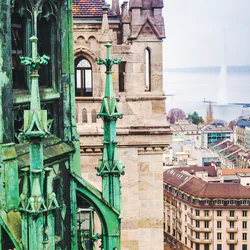
Up to the top of the stairs is behind Saint Pierre Cathedral , built by order of the Prince Bishop of Gevena, Arducius de Faucigny in 1160. The architecture of Saint Pierre Cathedral has undergone many changes. change its history. Its first phase of construction began in 1160 and lasted nearly a century. Under the Reformation, it became a place of Protestant worship from 1535.
Address: Place du Bourg-de-Four, 1204 Geneva