


See all results for ""

 Anytime
 Tiếng ViệtEnglish
 日本語
日本語 한국어
한국어 简体中文
简体中文 Français
 Deutsch
 Español
 Italiano
 Русский


 Login for Corporates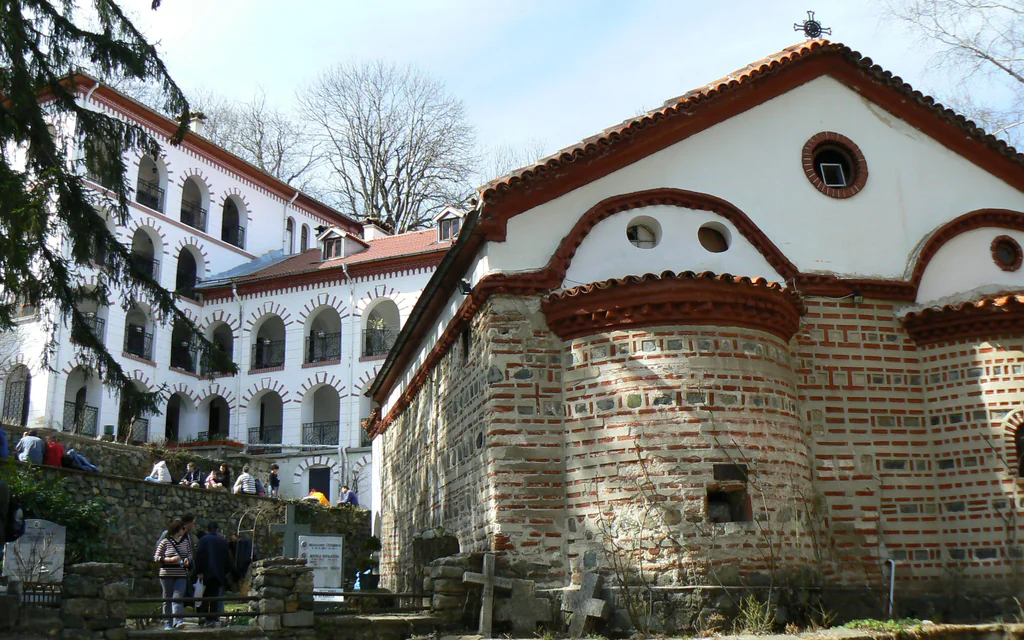
Dragalevtsi . Monastery
 1415 м. Орехите, София, Bulgaria
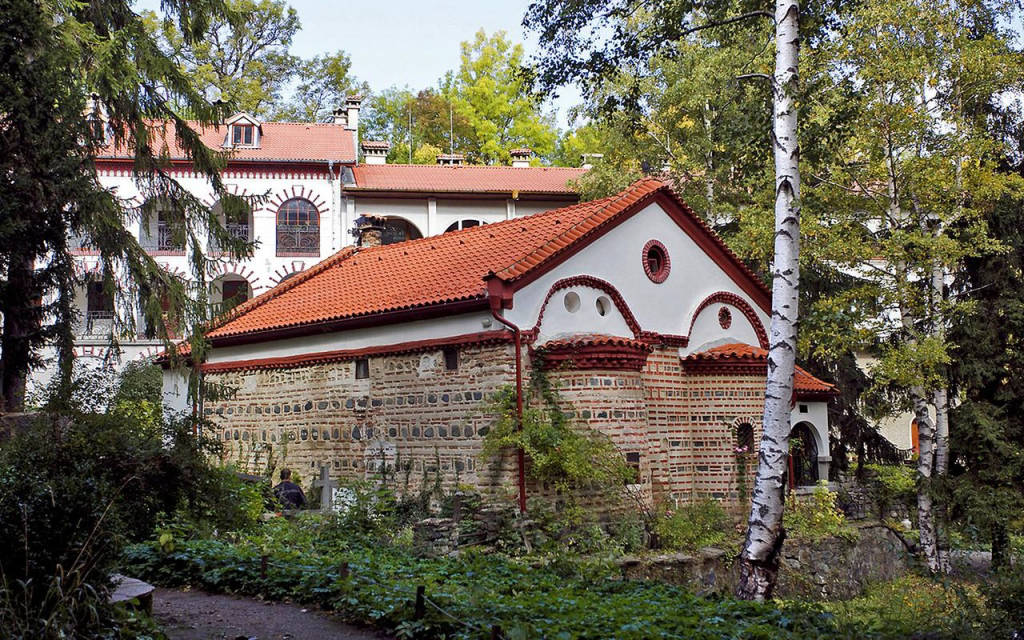
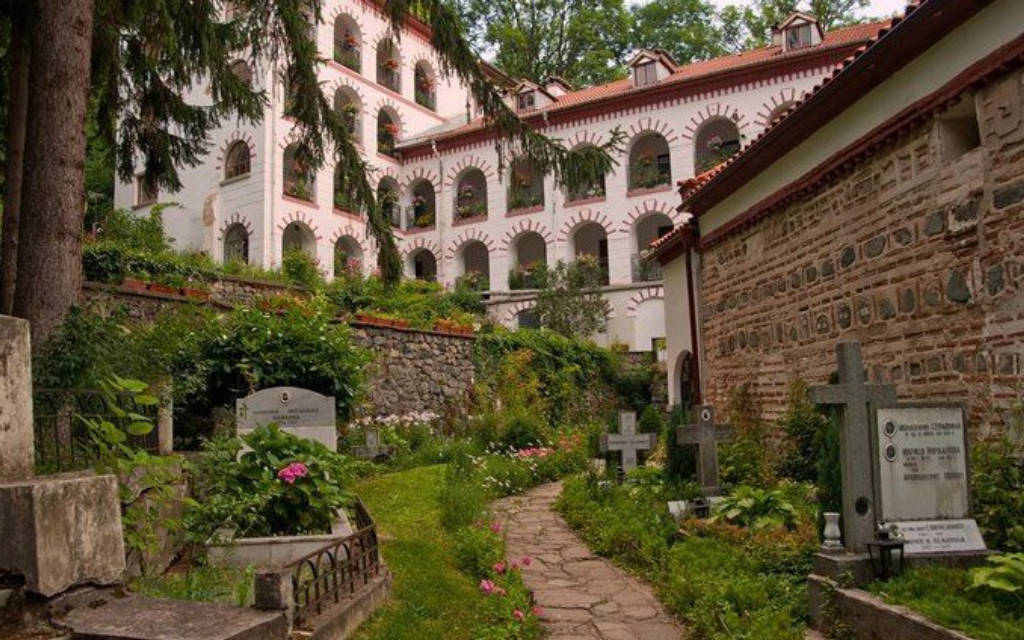
One of the oldest monasteries in Bulgaria, famous for its 14th-century frescoes and its heroic history during the war.
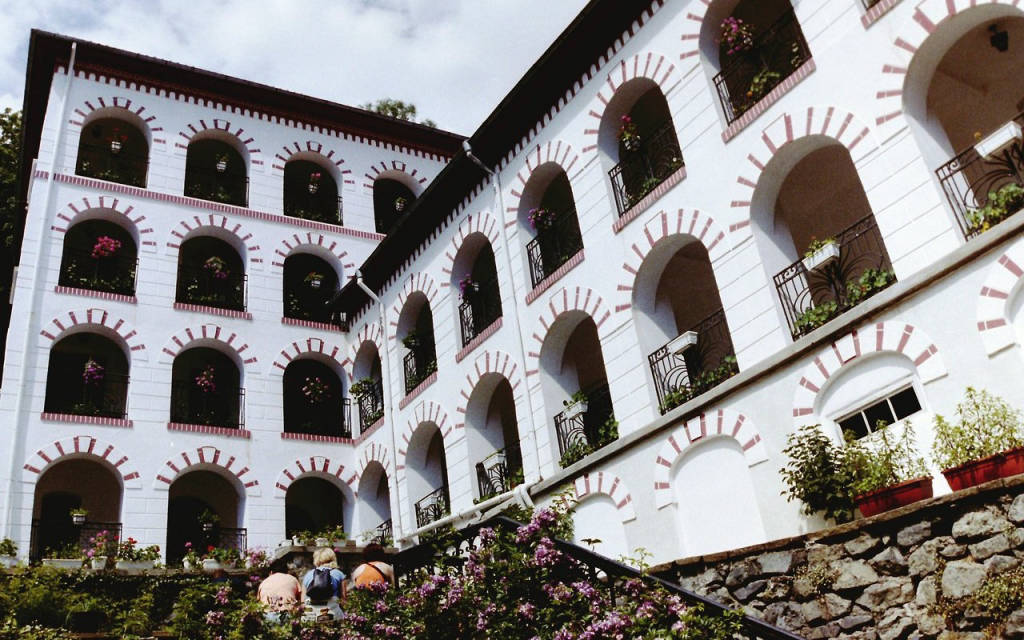
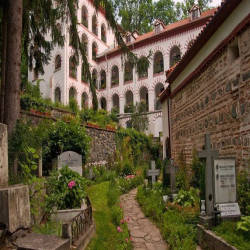
Dragalevtsi Monastery is located 3km south of Sofia, right at the foot of the famous Vitosha mountain. It was founded in 1345 during the reign of Tsar Ivan Alexander in the Second Bulgarian Empire. Dragalevtsi Monastery is mentioned for the first time in the Vitosha gilded deed of the famous Bulgarian king Ivan Shishman (1371-1393), in which the monastery was granted land and exempted from taxes for the duration of its operation and included including ownership of the village of Novachene.
After Sofia was conquered by the Ottoman Turks in 1382, the monastery itself burned down and was later abandoned by the monks. In the second half of the 15th century, the Dragalevtsi Monastery was renovated. In 1476, the lord Radoslav Mavur funded and contributed to the restoration and redecoration of the place with frescoes that later became a valuable asset of great artistic and artistic significance. history.
At the time of the war, during the Ottoman rule of Sofia, the Dragalevtsi monastery was an active site of support for the people's struggles to liberate the country. In addition, the monastery was involved in secret revolutionary activity against the Turks in the mid-19th century by the monastery's abbot, Sir Genadii, a close friend and collaborator of the national hero Vassil Levski, he actively assisted him in organizing revolutionary committees in the Sofia region.
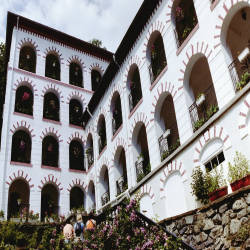
Later, only the monastery's church remained in the entire large-scale architectural complex at that time. Dragalevtsi Monastery was expanded again in 1818 and 1932 and is inhabited by nuns to this day.
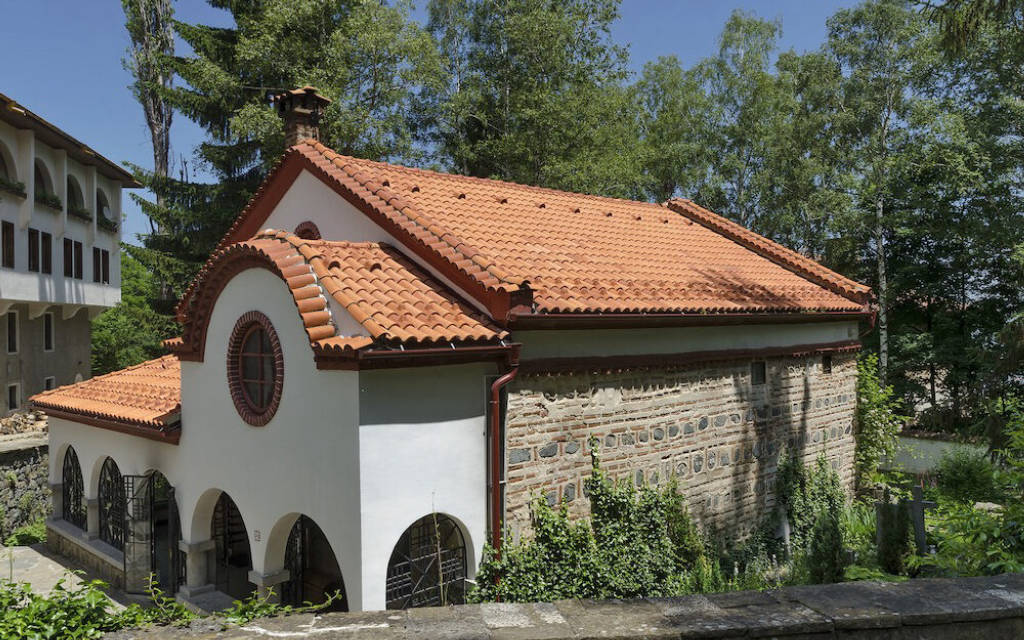
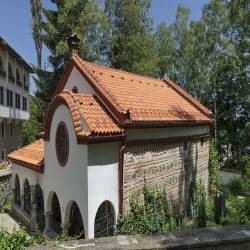
The monastery's church is also known as the Holy Mother Church of God with an area of 60 square meters including a single pavilion and a nave. Architecturally, it bears many similarities with other contemporary-style churches in the region. The portrait of Radoslav Mavar and his family as donors to the church is solemnly redrawn inside the church. In addition to these paintings, other 15th-century frescoes exist, along with 16th- and 17th-century paintings. The frescoes of the holy warriors of the time Demetrius, George, and Mercurius don costumes. The knight's armor painted on the west façade is dated to 1475–1476. The church also has a painting depicting the historical battle between Demetrius and Tsar Kaloyan who was said to be the enemy of the faith. The frescoes on the north wall outside the church include portraits of eminent monks, St.Ivan Rilski and St.Petka Turnovska, created in the 17th century, which still stand today and are brought to the present day. into the interior of the second church adjacent to the former church of the convent. Visitors can still see the intricately carved and gilded ornaments of the 18th and 19th centuries at the Dragalevtsi monastery church.
To get to Dragalevtsi Monastery, visitors can use public transport and note that you should wear comfortable shoes because it will take a bit of walking to reach the monastery.
Website : www.bulgariamonasteries.com
Phone : +359 2 967 3360