


See all results for ""

 Anytime
 Tiếng ViệtEnglish
 日本語
日本語 한국어
한국어 简体中文
简体中文 Français
 Deutsch
 Español
 Italiano
 Русский


 Login for Corporates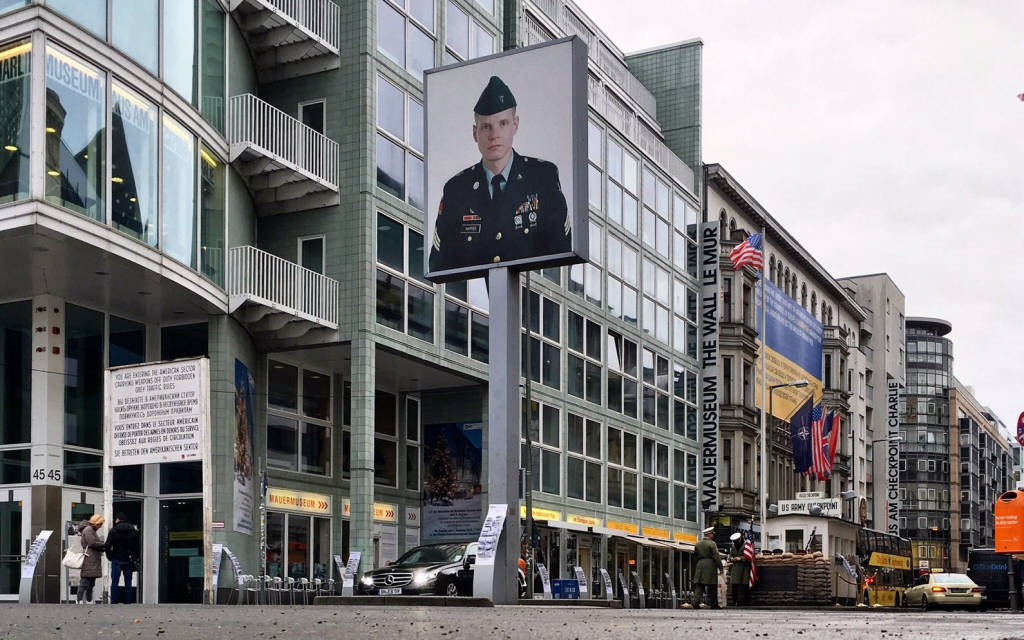
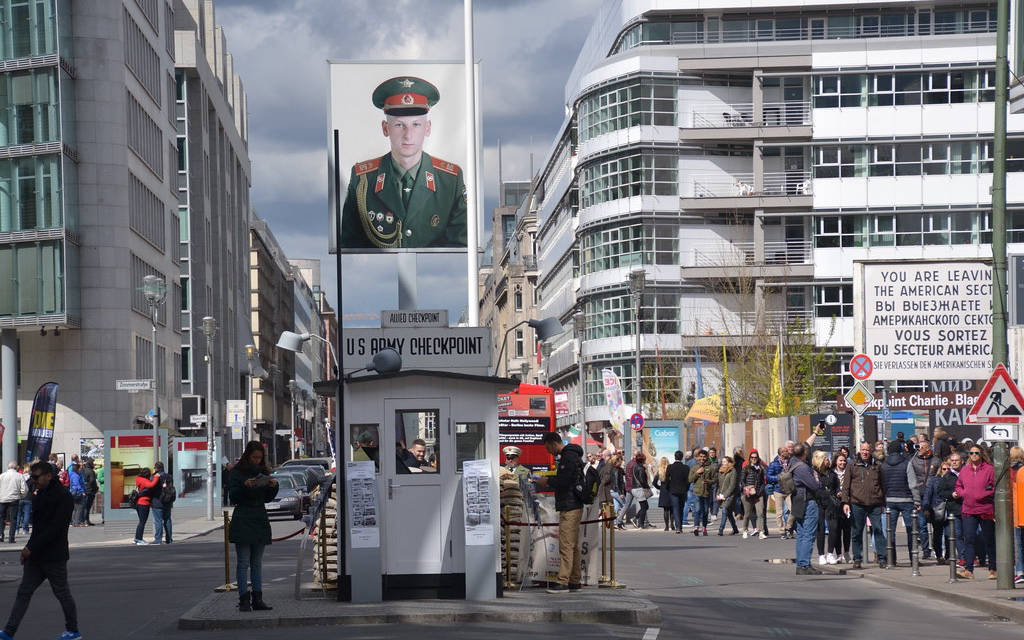
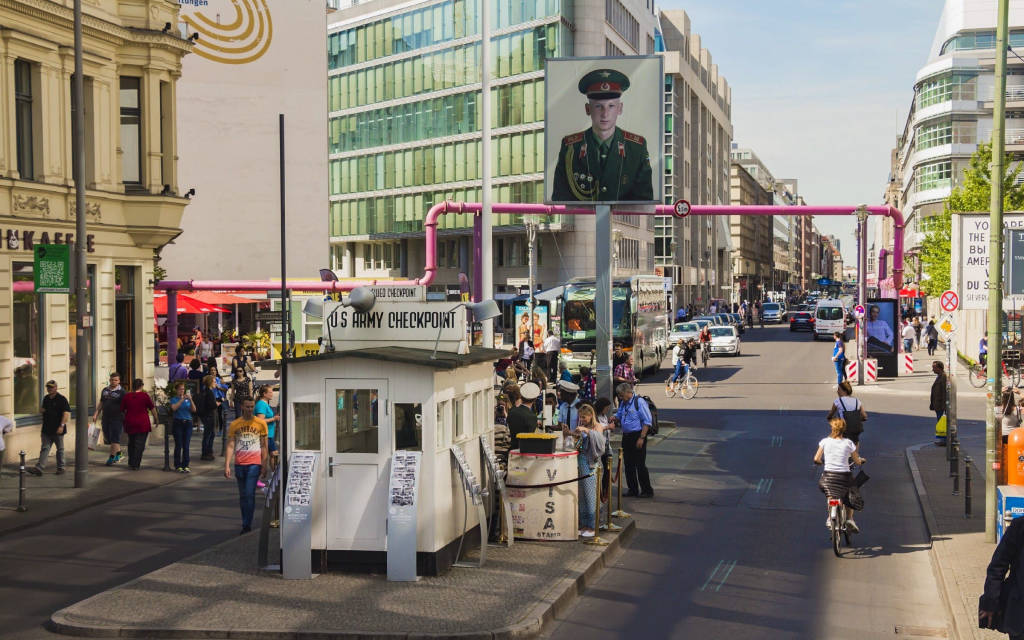
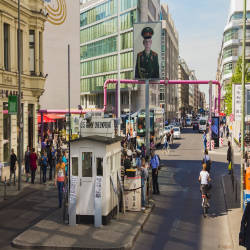
Checkpoint Charlie (Checkpoint Charlie)
 Friedrichstraße 43-45, 10969 Berlin, Germany
“From Octopussy to The Spy Who Can In From The Cold: a history of espionage in Berlin at Checkpoint Charlie”
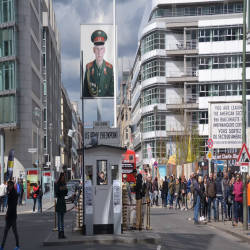
The name Checkpoint Charlie comes from the NATO phonetic alphabet (Alpha, Bravo, Charlie). After the border crossings at Helmstedt-Marienborn (Alpha) and Dreilinden-Drewitz (Bravo), Checkpoint Charlie was the third checkpoint opened by the Allies in and around Berlin.
It became the most famous crossing point between East and West Germany. On September 22, 1961, Allied guards began signing up for members of the American, British and French forces before their trips to East Berlin, and foreign tourists could learn about their stay. back there. When the checkpoint was designated as a crossing point for members of the Allied armed forces, a month later in October 1961 it became the scene of a tank confrontation. American and Soviet tanks took positions and faced each other with weapons.
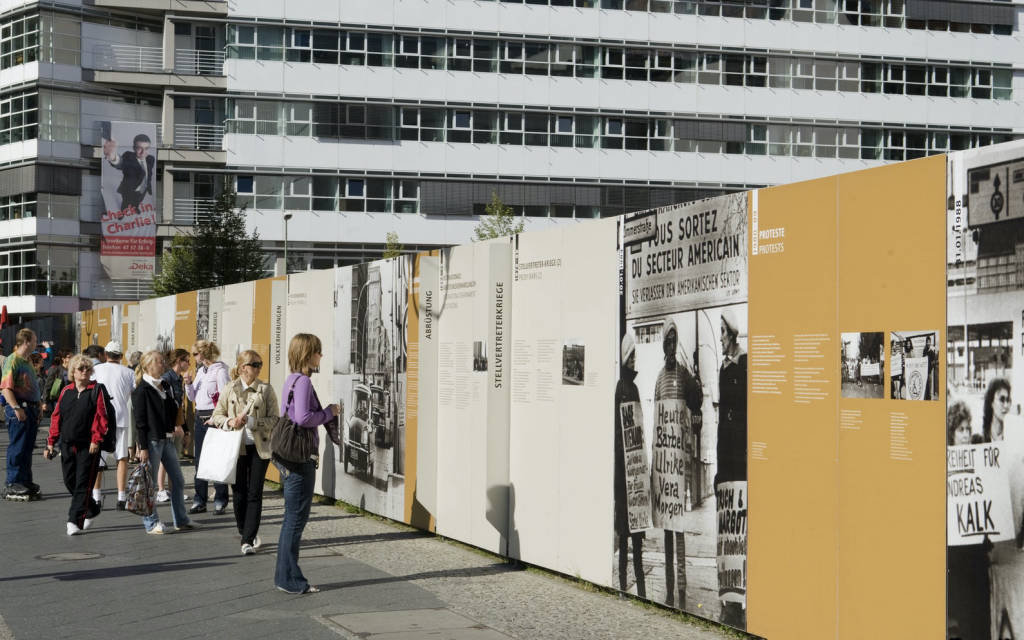
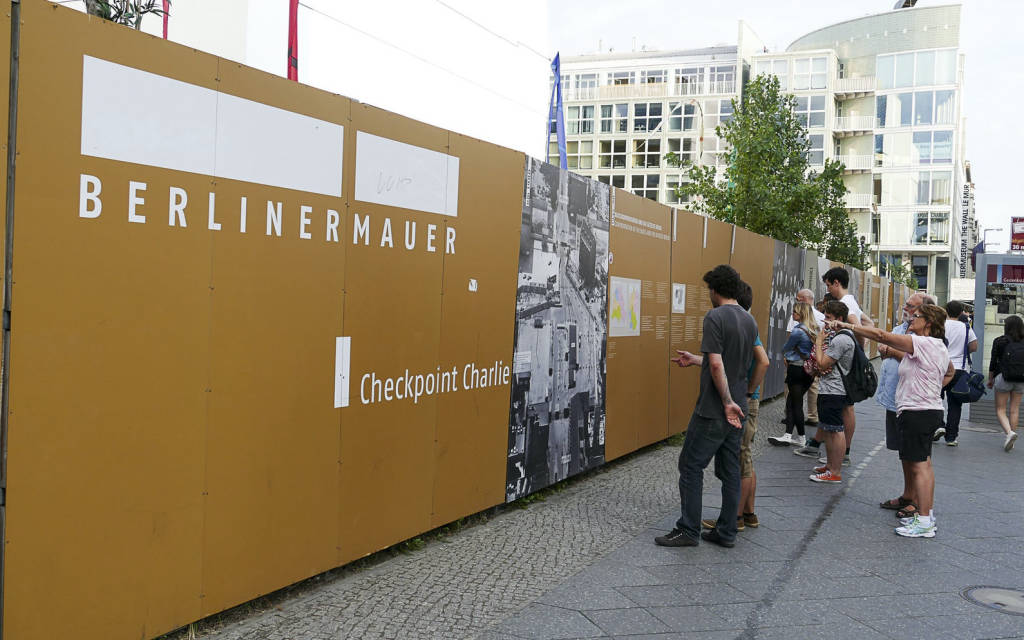
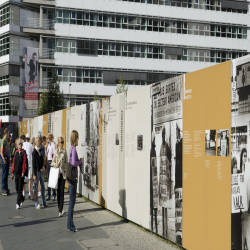
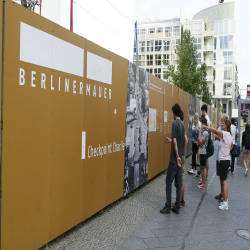
Checkpoint Charlie was not only an important site during the Cold War but also witnessed many escape attempts from East Berlin. An outdoor exhibition at the corner of Schützenstraße and Zimmerstraße tells the stories of those who failed to escape and those who succeeded. An installation by artist Frank Thiel and a plaque also mark the memorial.
Dr Rainer Hildebrandt, founder of Haus am Checkpoint Charlie, opened it as a non-violent protest against the Wall, with the aim of documenting the events taking place at the most famous intersection. . He believes it is a necessary approach to understanding the injustice that people treat each other. Today, the museum tells of the successful and failed escapes of spies, soldiers and people of the time with a sensibility that persists when that subject is brought up.
Address: Friedrichstrasse. 43-45, Berlin
Opening hours: Daily 9:00 – 22:00
Website: www.mauermuseum.de