


 Tiếng ViệtEnglish
 한국어
한국어 日本語
日本語 简体中文
简体中文 Français
 Deutsch
 Español
 Italiano
 Русский


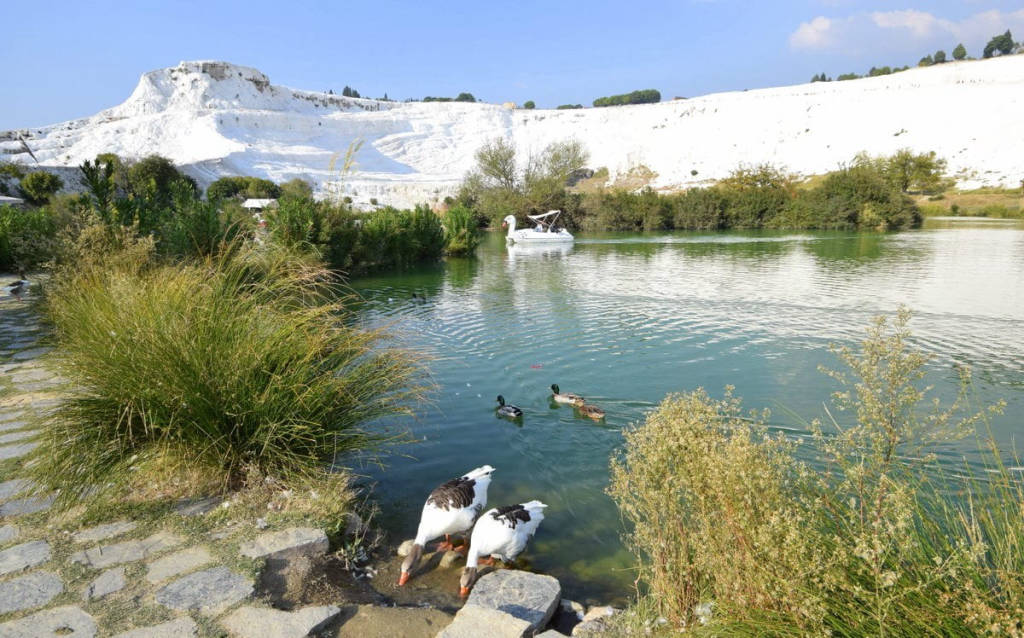
The ancient city of Hierapolis
 Denizli Province, Turkey
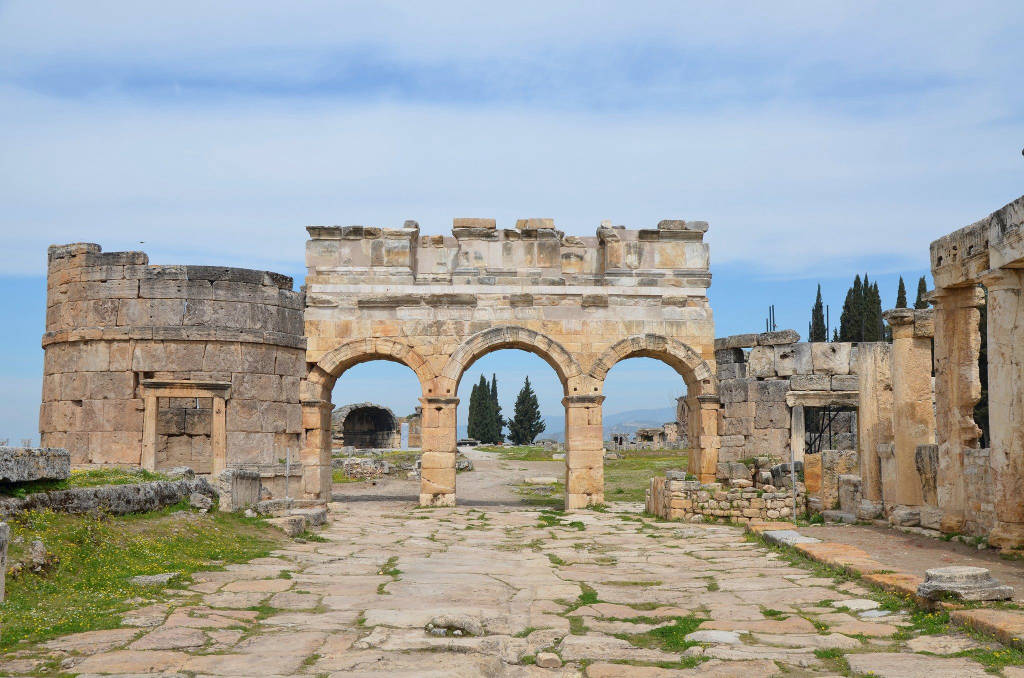
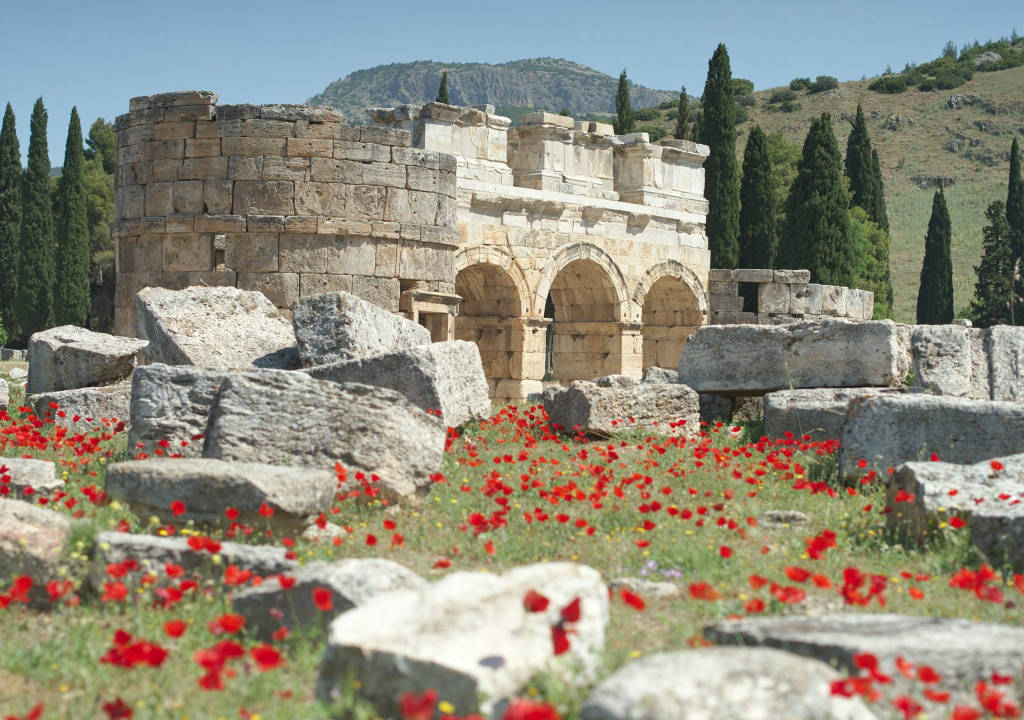
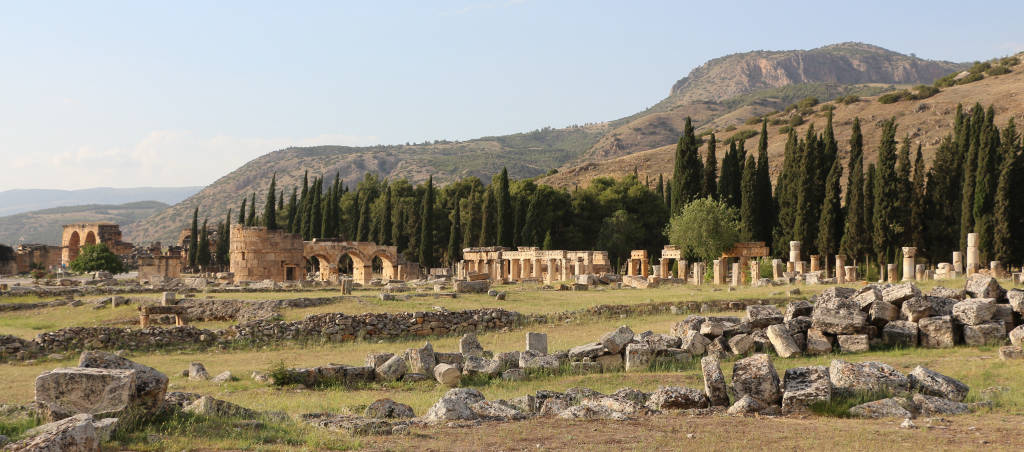
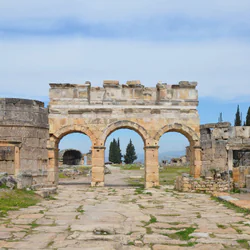
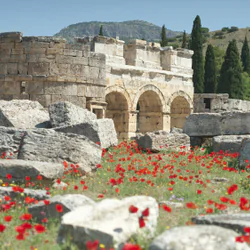
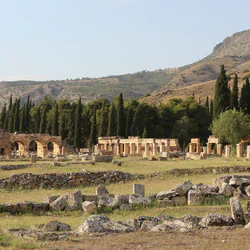
Hierapolis was an ancient Greek city located on hot springs in Phrygia in southwestern Anatolia, rebuilt during the reign of the Roman emperor Tiberius around 14–37 AD and lasted until in 1334, when it was abandoned after an earthquake. The extensive ruins, excavated from the 19th century, include baths, gymnasiums, agora and Byzantine churches. Hierapolis was declared a World Heritage Site by UNESCO in 1988.
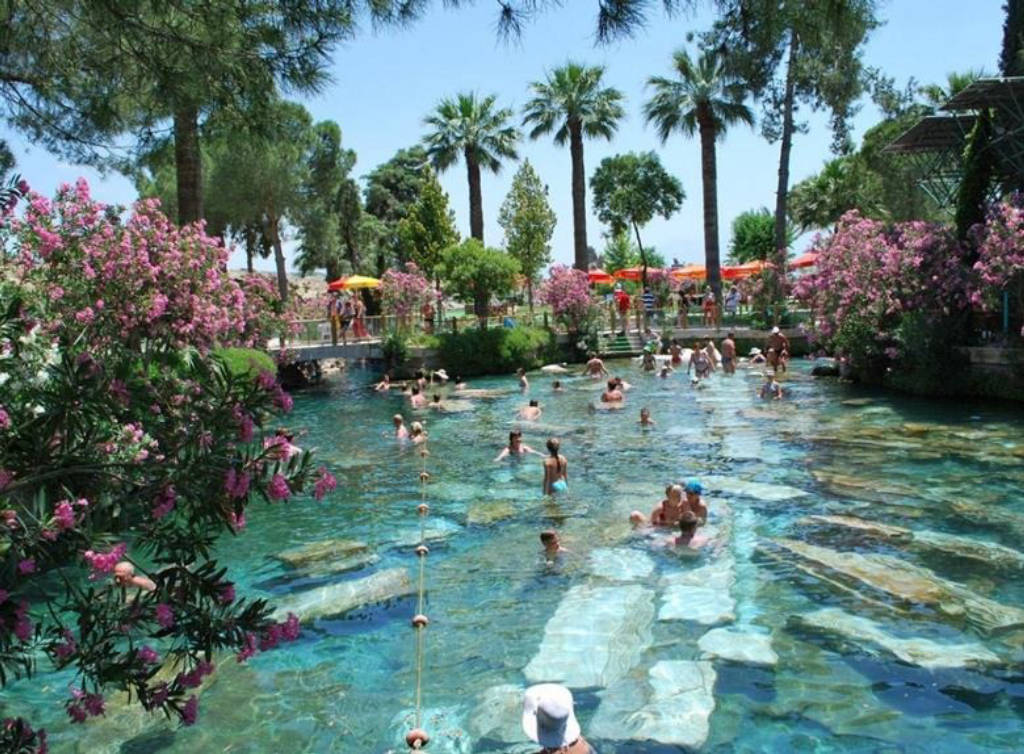
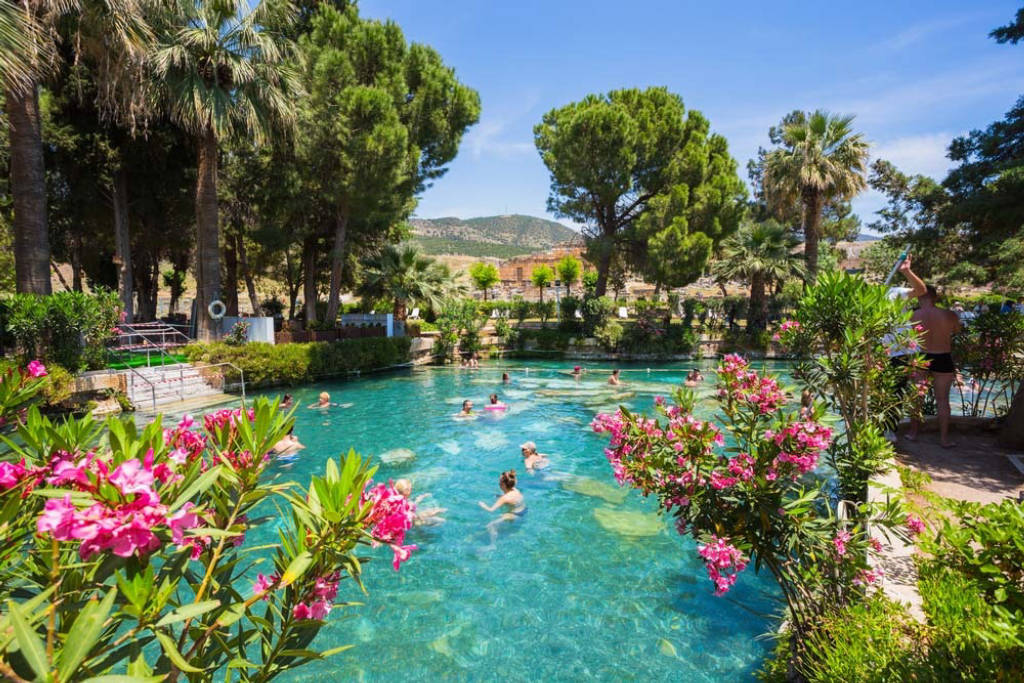
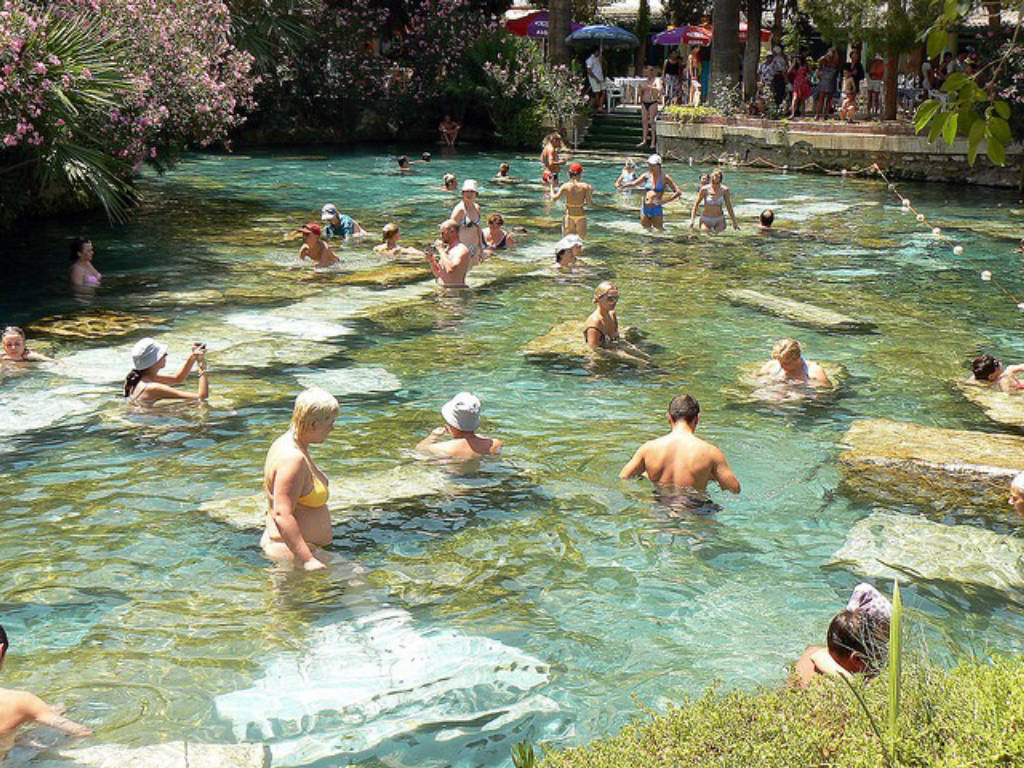
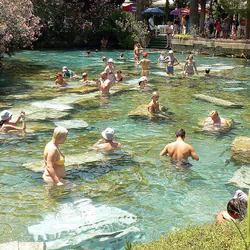
Hierapolis is an ancient city atop Pamukkale and a UNESCO World Heritage Site. The city is a blend of Pagan, Roman, Jewish and Christian influences. Since the hot springs in Pamukkale have been used as a spa since the 2nd century, Hierapolis was chosen as a place to soothe illness, retire and even leave life. The ruins span a large area and there is a large cemetery with many coffins found.
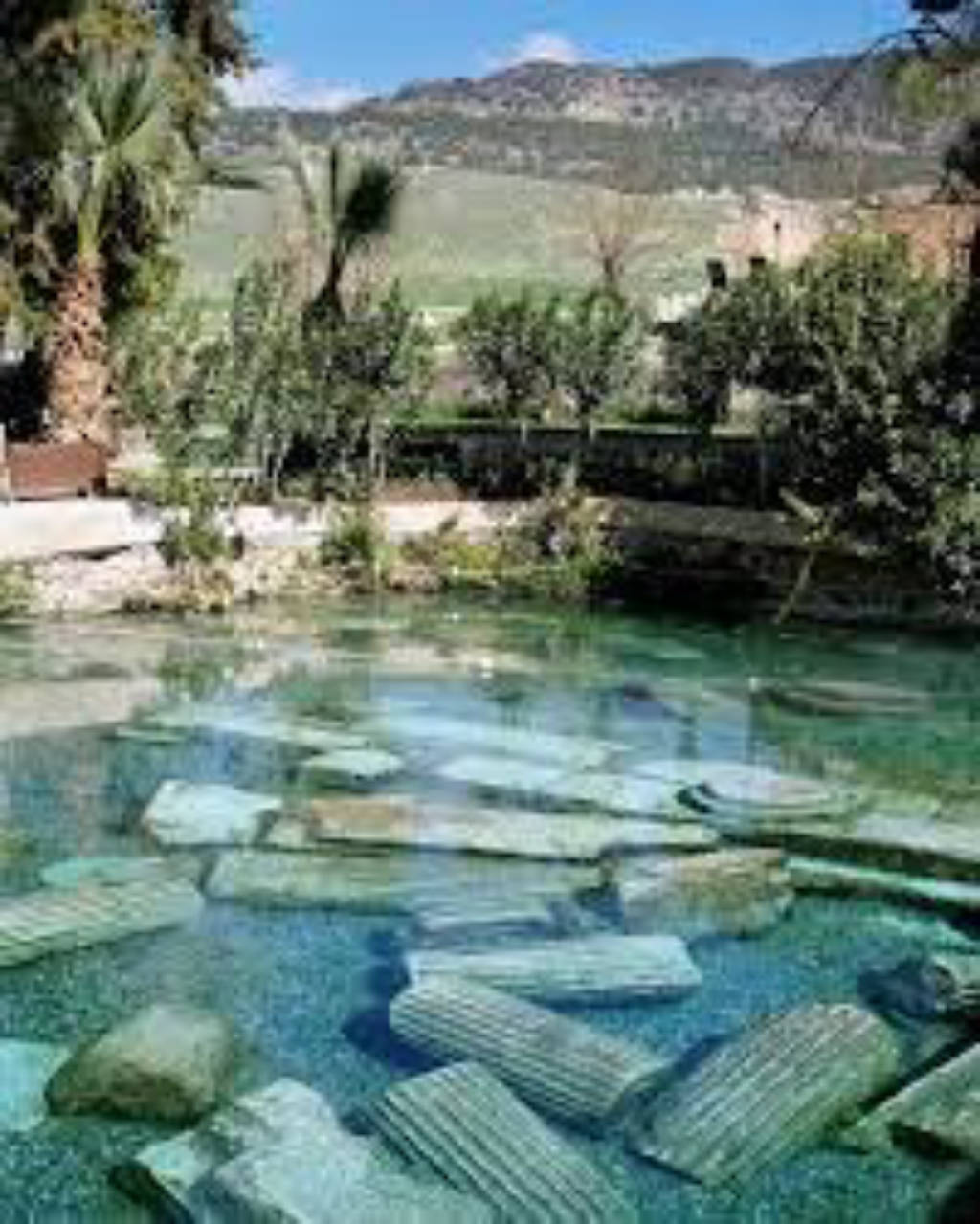
The tubs are made from large blocks of stone and have many different openings that are linked together. The complex was built in the 2nd century and there are very few known historical facts about the origin of the city. Many statues have been shipped to museums around the world and in 1970 a museum was built on the grounds of Hierapolis.
Today, Hierapolis is open to tourists with main attractions such as:
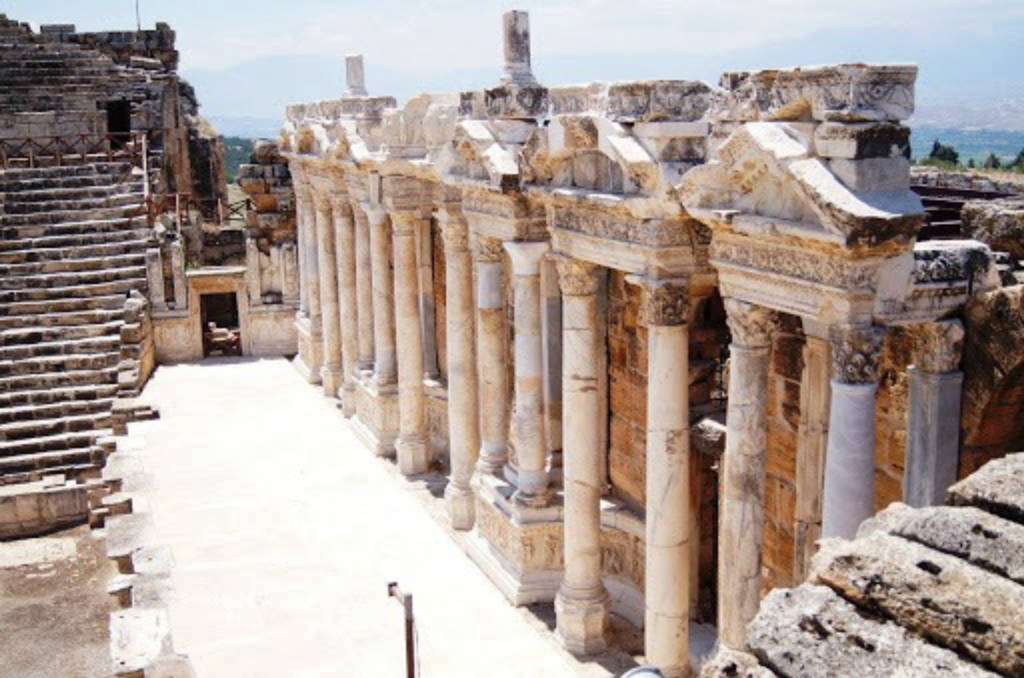
Roman Theater
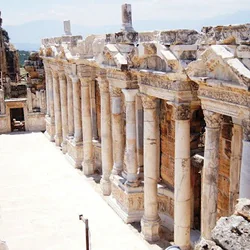
The Roman theater was built in two stages: the first was destroyed by an earthquake, so the second was rebuilt on a slope in the mountains. Much of the stage is still visible, as are some decorative panels and VIP seating areas. The theater can accommodate a maximum of 12,000 - 15,000 people. The theater is divided into eight vertical aisles and nine horizontal aisles. The theater continues to be excavated by archaeologists, and relics and statues depicting mythical characters are continuously discovered.
Temple of Apollo
There is an ancient prophecy associated with the temple of Apollo and watched over by priests. The inspiration for the Temple was the nearby spring of Plutonium, which emitted poisonous vapors. The priests would use this to their advantage and demonstrate the power of the mythical Hades, by sacrificing small animals to Plutonium.
The original Temple of Apollo was destroyed. A new temple was built in the 3rd century in the Roman style. The marble was recycled into the Temple of Apollo, but again it was demolished leaving only the foundation.
Plutonium
Plutonium, located next to the Temple of Apollo, is the oldest local sanctuary and serves as a shrine to the god of the underworld: Pluto. This is a small cave, large enough for a person to enter, with stairs leading down to where underground geological activity releases harmful carbon dioxide. In addition, there was fast-flowing hot water with a strong smell of gas. Because some people died from poisonous gas, it is believed that the god of the underworld sent this gas to earth to kill people. In the early years, priests crawled over, holding their breath or looking for oxygen bags. This was considered a miracle for the people, and the priests were spread as having transcendent powers and being protected by the gods.
Nymphaeum
The Nymphaeum was a temple to the goddesses and a fountain that distributed water to houses in the city, using a network of pipes. It was designed in the shape of a U, with statues and shops around it, now only two side walls remain. The reason the Nymphaeum had these retaining walls was to block the view of Christians of the Pagan Temple.
Necropolis
The Necropolis extends for more than 2 km and is one of the best protected areas in Turkey. There are about 1200 tombs built from limestone from the Hellenistic period. There are also a number of Roman and Christian tombs. In ancient times, Hierapolis was a place of healing, however, the large number of cemeteries shows that not all diseases can be cured here.
The tombs are designed to show importance in the community, there are four different types:
- Simple graves for common people
- Sarcophagi are reserved for the wealthy, with most decorated in marble, engraved with names, occupations and praising the good deeds of the deceased.
- The round tum floor is for the rich, with a dome-shaped chamber.
- Family grave, with dome, monument and small shrine.
The Martyrdom of Saint Philip
This martyrdom was built in the name of Saint Philip, one of the twelve disciples of Christ. It is believed that Saint Philip was martyred here and is buried in the center of the building. The domes of eight individual chapels are marked with crosses, and the views from here are amazing.
Business hours:
Summer: 06:30 – 23:00
Winter: 10:00 - 16:00
Address: Denizli Province, Turkey