


See all results for ""

 Anytime
 Tiếng ViệtEnglish
 한국어
한국어 日本語
日本語 简体中文
简体中文 Français
 Deutsch
 Español
 Italiano
 Русский


 Login for Corporates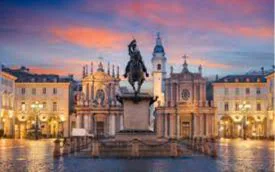
Piazza San Carlo
 P.za S. Carlo, 10121 Torino TO, Ý
Piazza San Carlo, often referred to as the "Living Room" of Turin, Italy, is a stunning public square that epitomizes the city's elegance, history, and vibrant social life.
Piazza San Carlo, often referred to as the "Living Room" of Turin, Italy, is a stunning public square that epitomizes the city's elegance, history, and vibrant social life. Framed by twin churches and lined with iconic historic buildings, this elliptical-shaped square is a masterpiece of urban design and a hub of cultural and social activities.
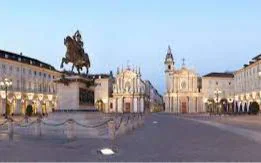
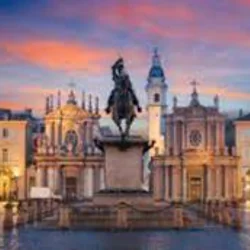
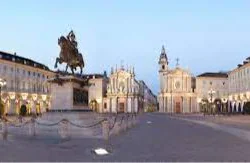
At the heart of Piazza San Carlo stands the equestrian statue of Emmanuel Philibert, Duke of Savoy, a focal point that adds a regal touch to the square. The surrounding architecture showcases the city's rich history, with well-preserved baroque buildings, elegant arcades, and historic cafes that have witnessed centuries of Turin's cultural evolution.
The uniformity of the porticoes and the iconic "twin" churches, Chiesa di San Carlo and Chiesa di Santa Cristina, contribute to the square's architectural harmony. The cafes that line the square, including the historic Caffè Torino and Caffè San Carlo, invite locals and visitors alike to indulge in the quintessential Italian ritual of sipping espresso while enjoying the lively atmosphere.
Piazza San Carlo serves as a venue for various events, from cultural festivals to political gatherings. The open space, surrounded by impressive architecture, creates a sense of grandeur and community. The annual Christmas market transforms the square into a festive wonderland, enhancing its allure during the holiday season.
Beyond its architectural and historical significance, Piazza San Carlo encapsulates the spirit of Turin—a city that seamlessly blends tradition with modernity. Whether one seeks a moment of relaxation in its cafes, a stroll under its arcades, or a celebration of local culture during events, Piazza San Carlo stands as a living testament to Turin's vibrant soul and its enduring commitment to preserving its cultural heritage.