


See all results for ""

 Anytime
 Tiếng ViệtEnglish
 한국어
한국어 日本語
日本語 简体中文
简体中文 Français
 Deutsch
 Español
 Italiano
 Русский


 Login for Corporates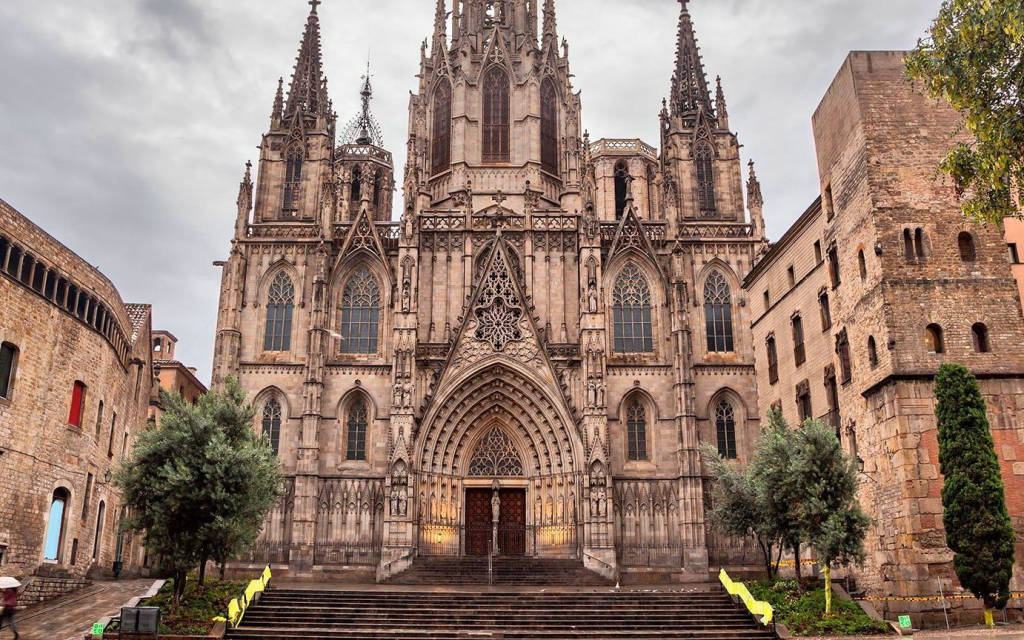
Barcelona Cathedral
 Pla de la Seu, 08002 Barcelona, Spain
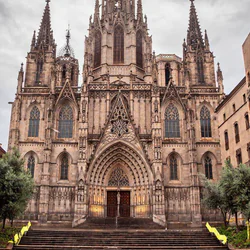
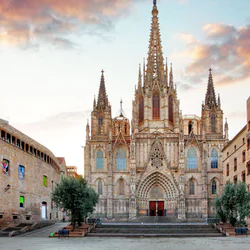
The Catedral Gòtic, or Gothic Cathedral Spain, stands as a magnificent example of Catalan Gothic architecture and is a cornerstone of Barcelona's historic and religious heritage.
1. Historical Formation and Magnificent Architecture
1.1. Groundbreaking and Construction Process
The cathedral was initiated in 1298 on the foundations of an ancient Roman church and completed in the early 15th century. The construction spanned multiple generations, reflecting the profound devotion of the people of Catalonia to Saint Eulalia – the patron saint of the city.
1.2. Distinctive Gothic Style
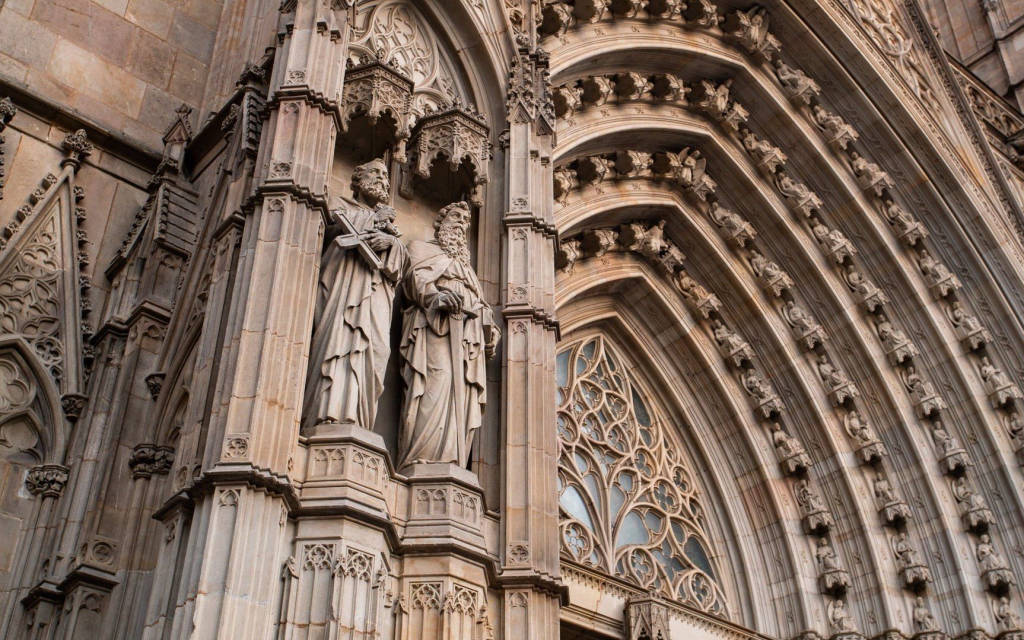
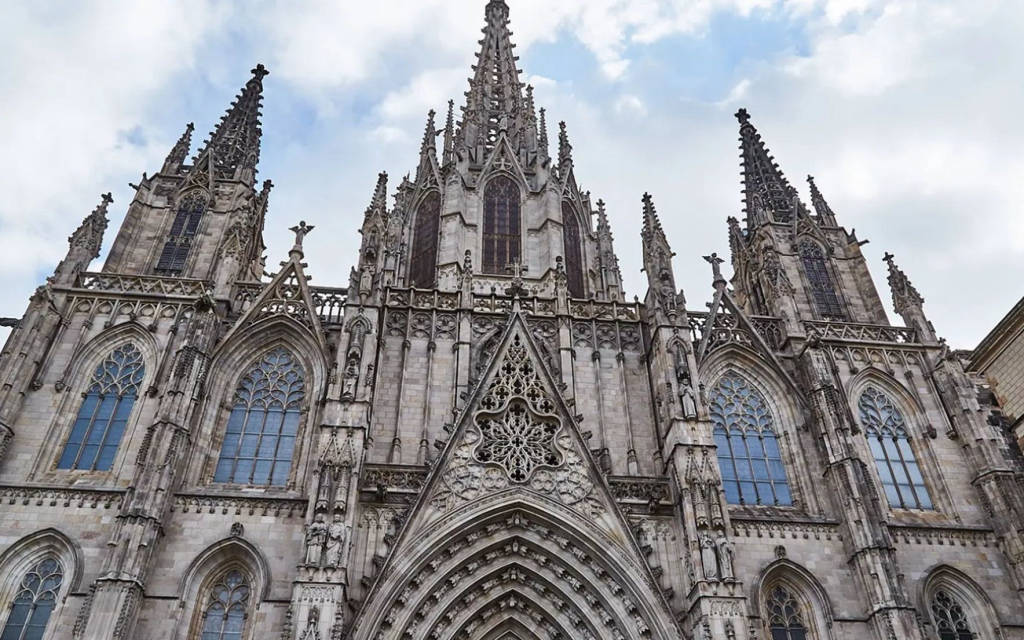
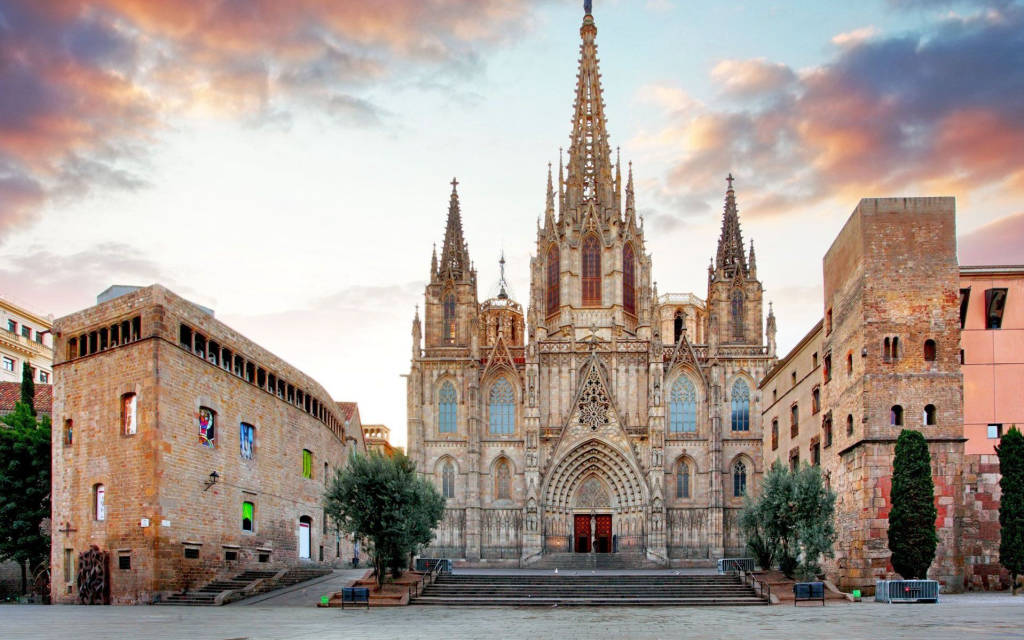
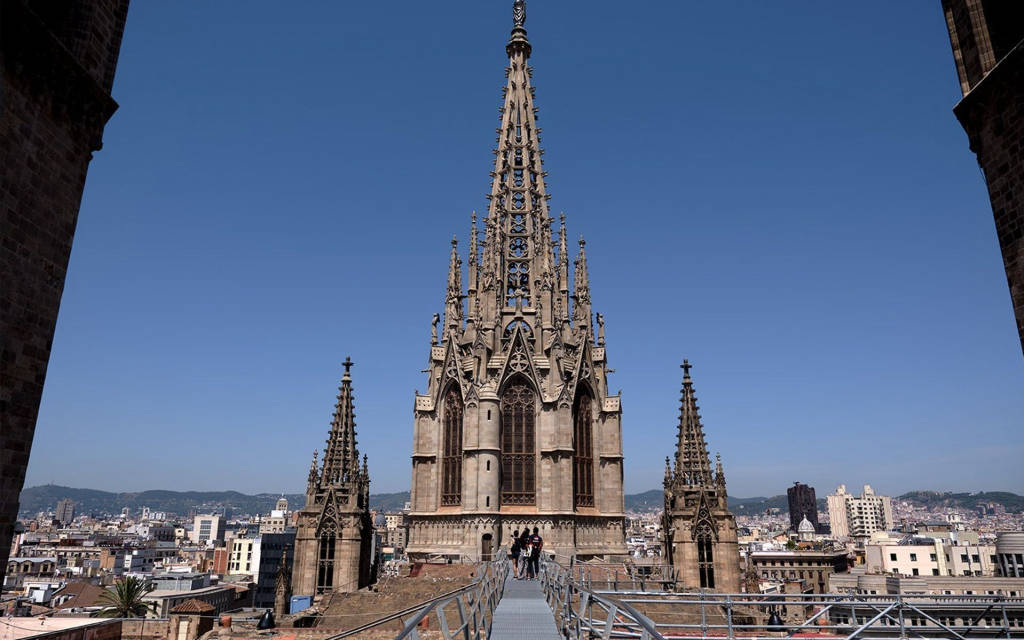
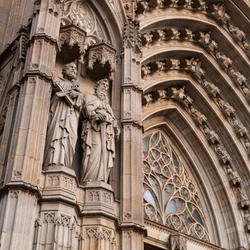
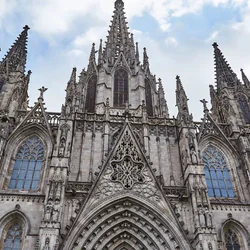
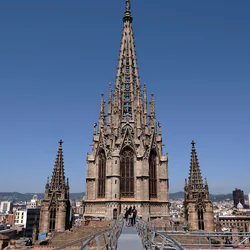
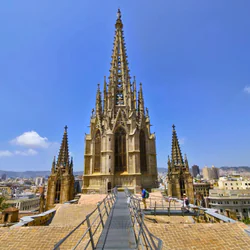
The structure embodies the Gothic style with pointed vaults, flying buttresses, and soaring stained-glass windows. The main façade was completed in the 19th century in Neo-Gothic style, creating the majestic appearance seen today. With a length of nearly 90 meters, a width of approximately 40 meters, and two bell towers rising over 50 meters high, the cathedral leaves a powerful impression in both scale and vertical grandeur.
1.3. Role in the History of Barcelona
For centuries, it has hosted royal ceremonies, significant religious events, and pivotal moments in the city’s history. The cathedral is not only an architectural masterpiece but also a witness to the political and religious transformations of medieval Barcelona.
2. Interior Beauty and Distinctive Highlights
2.1. Sacred Space and Gothic Light
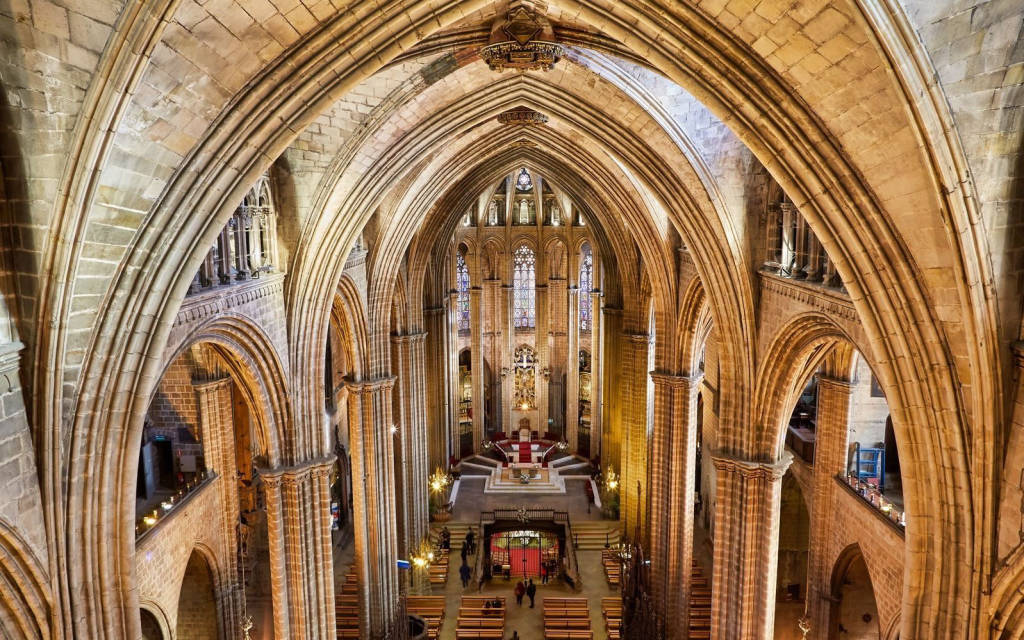
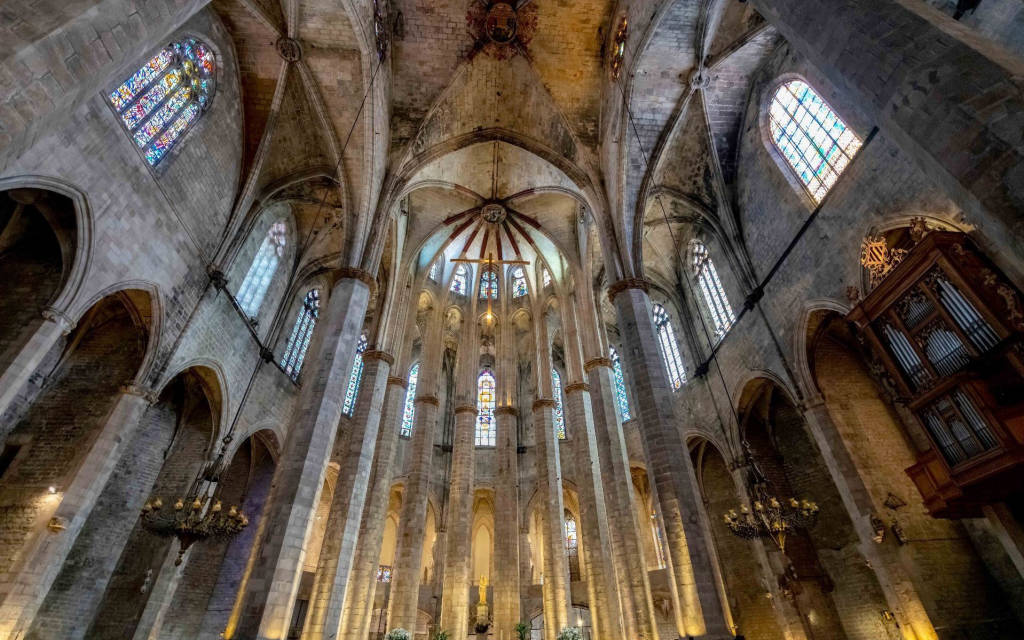
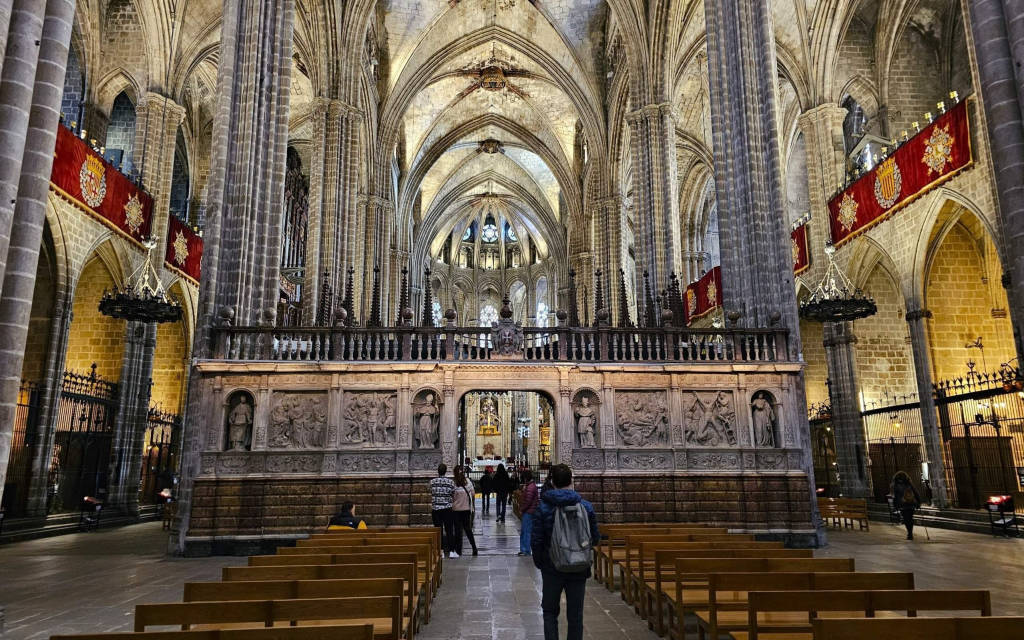
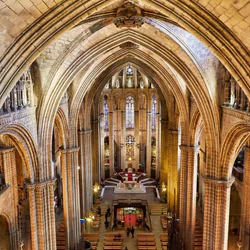
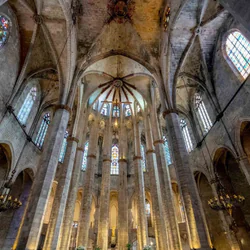
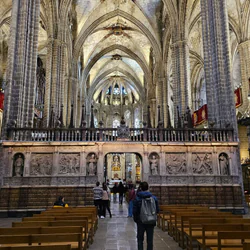
Upon entering, visitors are immediately struck by the impressive height of the central nave, where stone columns rise to support star-shaped vaults. Light streaming through the stained-glass windows creates a vibrant visual effect that shifts throughout the day.
2.2. Relics of Saint Eulalia
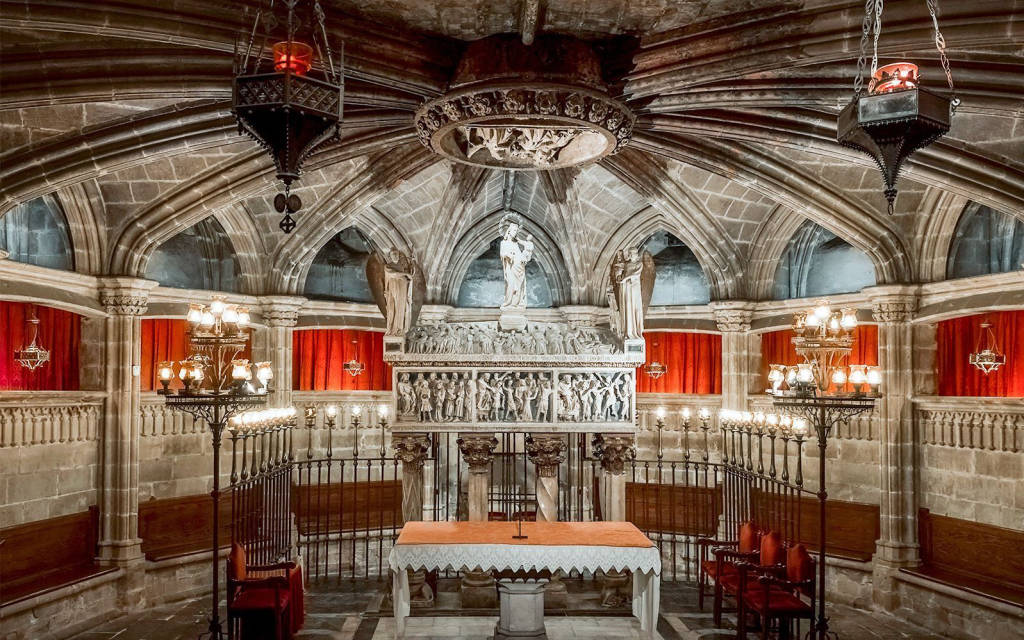
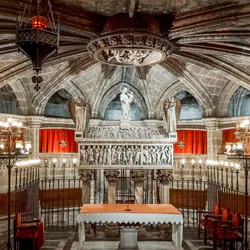
Beneath the main altar lies the crypt preserving the relics of Saint Eulalia. According to legend, she was martyred at the age of 13 for defending the Christian faith during the period of Roman religious persecution.
2.3. The Cloister and the Goose Fountain (Font de les Oques)
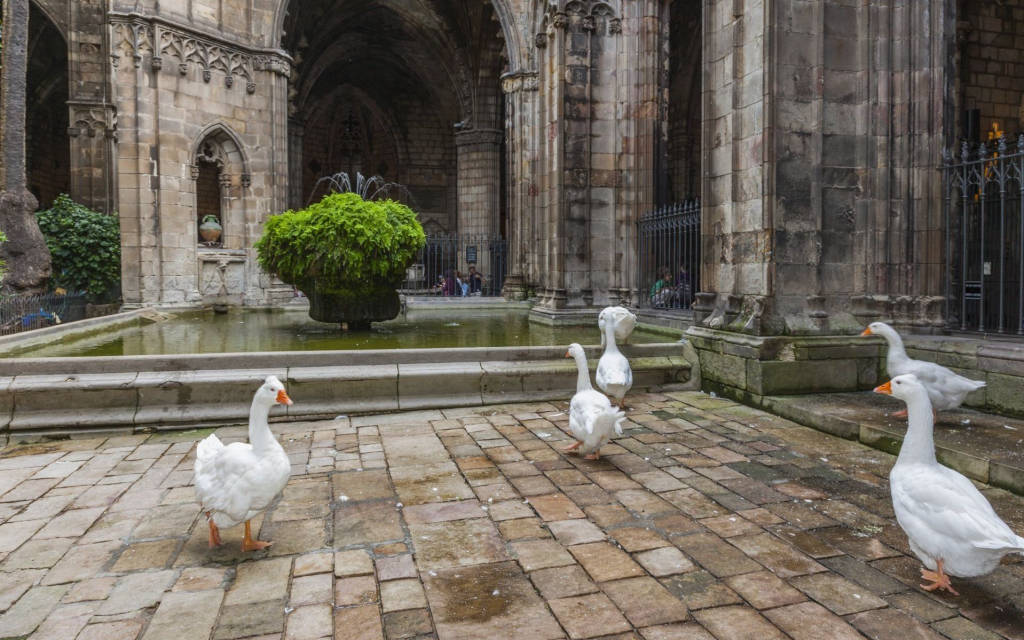
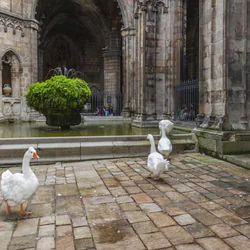
The adjacent cloister is one of the most tranquil spaces within the cathedral. Here stands the Goose Fountain, home to 13 white geese – symbolizing the 13 years of Saint Eulalia’s life.
2.4. Gargoyles and Medieval Symbols
The gargoyle sculptures on the roof not only serve as rainwater spouts but also reflect medieval beliefs in warding off evil spirits.
2.5. Views from the Cathedral Rooftop
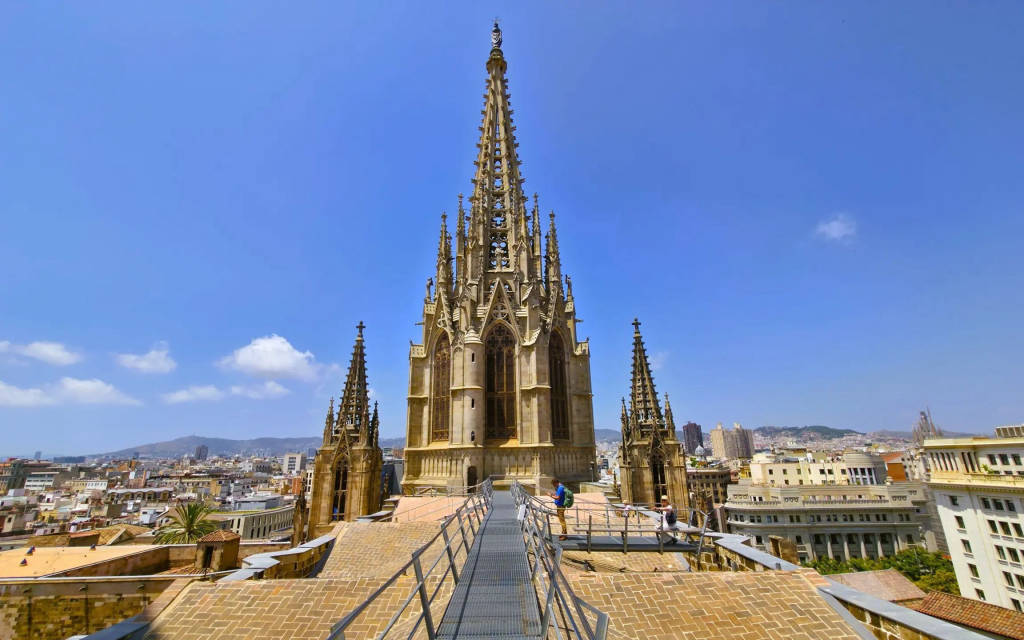
From the rooftop area, visitors can admire panoramic views of the Gothic Quarter, with its red-tiled roofs and winding alleyways.
3. A Religious and Cultural Symbol of Barcelona
3.1. Center of Spiritual Life
The cathedral serves as the seat of the Archdiocese of Barcelona and hosts important liturgical celebrations throughout the year.
3.2. Festivals and Community Traditions
On occasions such as Corpus Christi, the square in front of the cathedral becomes vibrant with traditional ceremonies and activities.
3.3. A Symbol of Catalonia Identity
The monument represents the enduring legacy of Gothic art and the cultural pride of Catalonia.
4. Opening Hours (cultural & tourist visit)
The cathedral welcomes visitors during the following hours:
Monday: 09:30–17:45
Tuesday: 09:30–17:45
Wednesday: 09:30–17:45
Thursday: 09:30–17:45
Friday: 09:30–17:45
Saturday: 09:30–17:15
Sunday: 14:00–16:30
5. Admission Fees
5.1. Pricing
Individual visitors: 16 € / person
Groups: 8 € / person
5.2. Areas Included in the Ticket
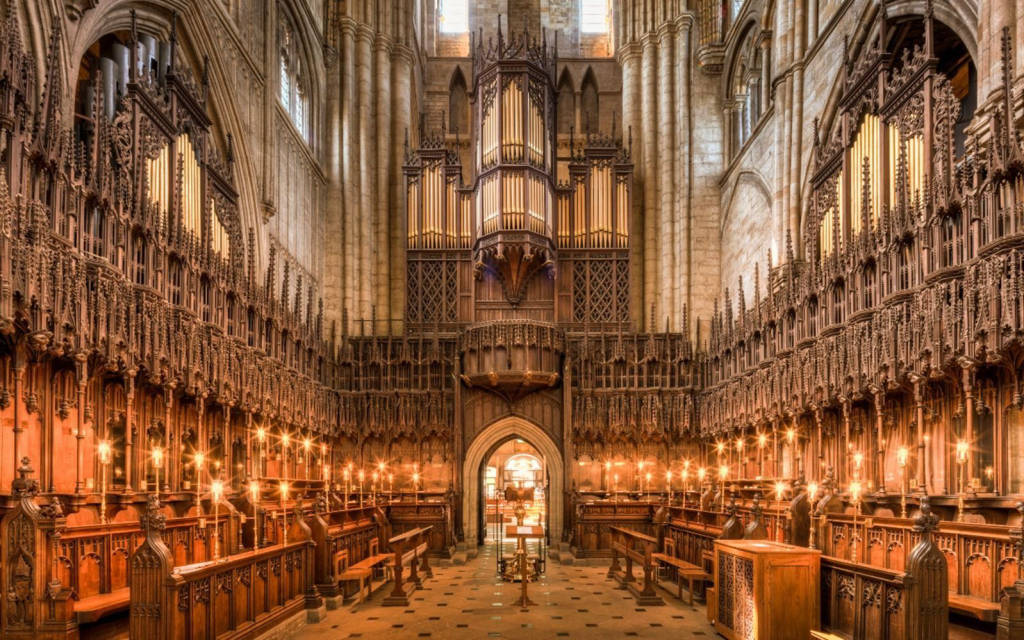
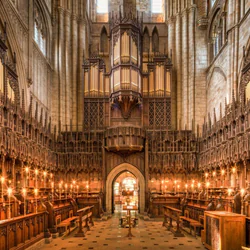
The admission ticket grants access to the main nave, the cloister with the white geese, the rooftop, the choir area, the Chapter House, and the Chapel of Christ of Lepanto.
5.3. Entrance Gates and Visitor Notes
Visitors enter through the main gate; people with disabilities or limited mobility may access via the Santa Eulalia gate. The Sant Iu entrance provides access to the rooftop. It is recommended to arrive 30–45 minutes before the final admission time. During Mass, religious events, or maintenance periods, certain areas may be temporarily closed; therefore, visitors should check the schedule close to their visit date for the most up-to-date information.