


See all results for ""

 Anytime
 Tiếng ViệtEnglish
 日本語
日本語 한국어
한국어 简体中文
简体中文 Français
 Deutsch
 Español
 Italiano
 Русский


 Login for Corporates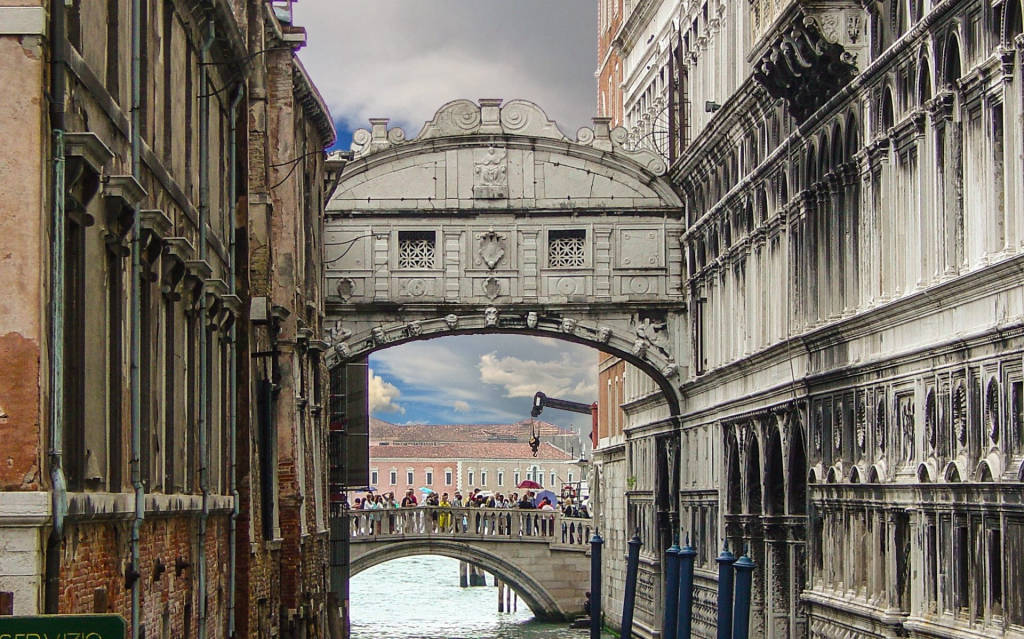
The Bridge of Sights - The Bridge of Sights
 Piazza San Marco, 1, 30100 Venezia VE, Italy
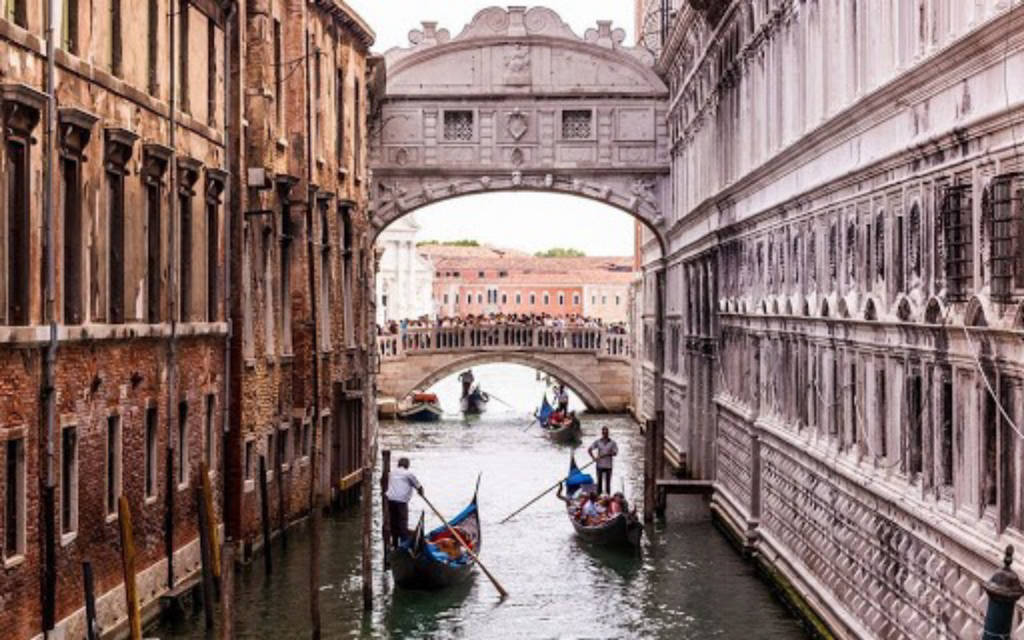
The Bridge of Sighs, called Ponte dei Sospiri in Italian, is one of the most famous bridges not only in Venice, but in the world.
The bridge spans the Rio di Palazzo and connects the Dogi Palace with the Prudai, prisons built on the canal in the late 16th century. But where did its name come from and why has this bridge become a symbol of romance in the modern era?
Antonio Contino designed and built the Bridge of Sighs in 1600. Although highly decorative, built of white limestone with a grid-like screen covering two small rectangular windows, this bridge is serves a very practical purpose. It is used to lead prisoners from the courtrooms to their cells in the Prison.
Legend has it that prisoners crossing the bridge on their way to their cell or execution room would sigh as they glimpsed the final Venice through the small windows. The bridge and its unforgettable name became especially famous after the romantic poet Lord Byron mentioned it in his 1812 book Childe Harold's Pilgrimage: "I stood in Venice, on the Bridge of Sighs, every palace and one prison."
The legend of the bridge, while well known, is incorrect: Once someone is on the Bridge of Sighs, very little Venice can be seen from one end to the other. What is more believable is that the "sigh" is the last breath of a prisoner in the free world because once in Dogi, there is little hope of being released.
To further challenge the myth, most historical accounts claim that only low-level criminals were kept in Prudai, and that the bridge was not even built until the Italian Renaissance, which is after investigation is a thing of the past.
The Bridge of Sighs has become a symbol of love in a city dripping with romance.
It is said that if a couple in a gondola kiss as they cross the bridge at sunset like the bells of St. Mark, their love will last forever.
In addition to promoting many romantic gestures, the Bridge of Sighs also inspired many architects, including American Henry Hobson Richardson, known for his "Richardson Romanesque" style.