


See all results for ""

 Anytime
 Tiếng ViệtEnglish
 한국어
한국어 日本語
日本語 简体中文
简体中文 Français
 Deutsch
 Español
 Italiano
 Русский


 Login for Corporates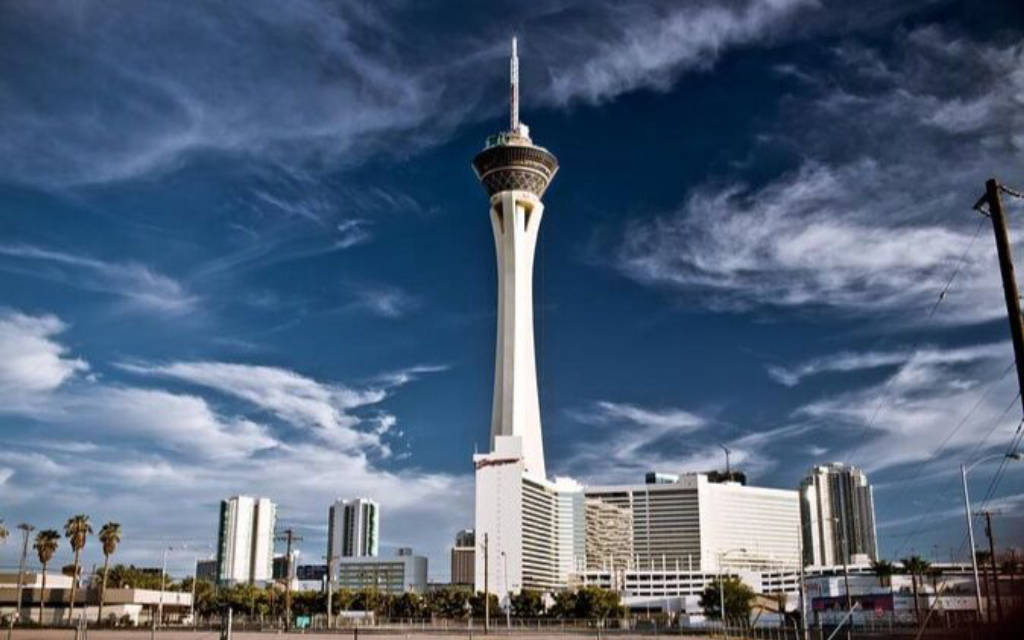
The Stratosphere hotel
 2000 Las Vegas Blvd S, Las Vegas, NV 89104, Hoa Kỳ
The STRAT Hotel, Casino & SkyPod, affectionately known as the Stratosphere, stands as a prominent landmark on the northern edge of the Las Vegas Strip. Boasting over 1,100 feet in height, the Stratosphere Tower dominates the city skyline and offers an unparalleled experience for visitors.
The STRAT Hotel, Casino & SkyPod, affectionately known as the Stratosphere, stands as a prominent landmark on the northern edge of the Las Vegas Strip. Boasting over 1,100 feet in height, the Stratosphere Tower dominates the city skyline and offers an unparalleled experience for visitors.
Accommodations at the Stratosphere range from comfortable rooms to spacious suites, providing guests with a variety of options for their stay. The crowning jewel of the resort is the Stratosphere Tower, featuring an observation deck that affords panoramic views of the Las Vegas Valley and beyond.
Thrill-seekers can enjoy an array of heart-pounding rides atop the tower, including the X-Scream, Insanity, and the Big Shot, each providing an adrenaline rush high above the glittering city lights.
The resort's casino floor offers a vibrant gaming atmosphere with slot machines, table games, and a race and sportsbook. Dining options are diverse, and the Top of the World restaurant, perched atop the tower, offers a rotating dining experience with breathtaking views.
Live entertainment, a rooftop pool, and special events on the observation deck contribute to the Stratosphere's allure, making it a dynamic and memorable destination for those seeking a unique Las Vegas experience.