


See all results for ""

 Anytime
 Tiếng ViệtEnglish
 한국어
한국어 日本語
日本語 简体中文
简体中文 Français
 Deutsch
 Español
 Italiano
 Русский


 Login for Corporates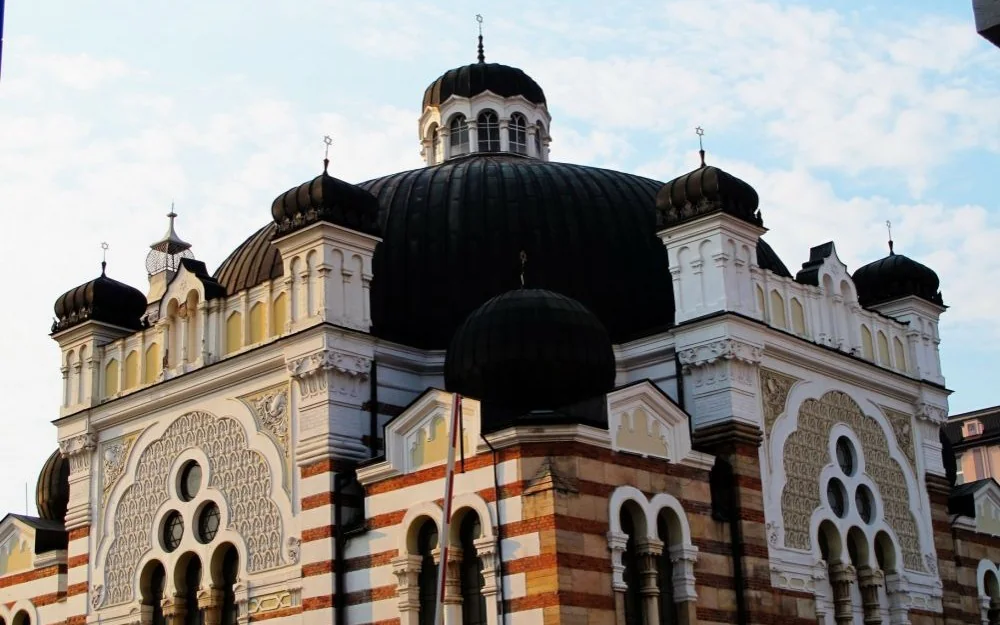
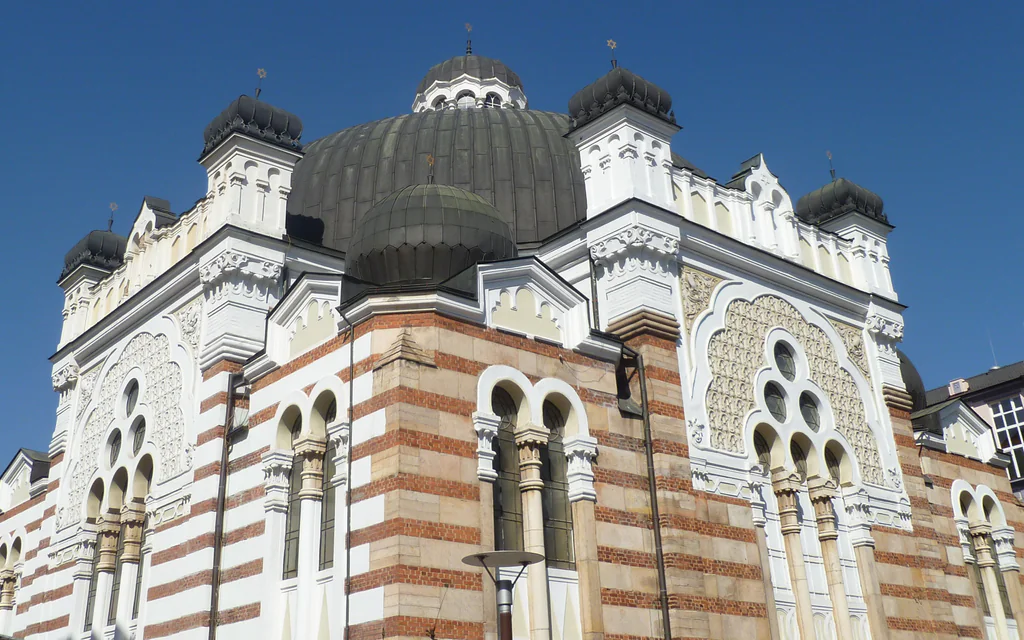
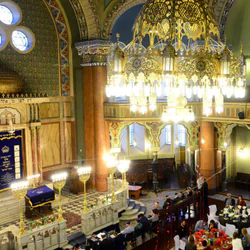
Sofia Synagogue
 Central Sofia Synagogue Exarch Joseph Street 18 1000 Sofia Center, Sofia Bulgaria
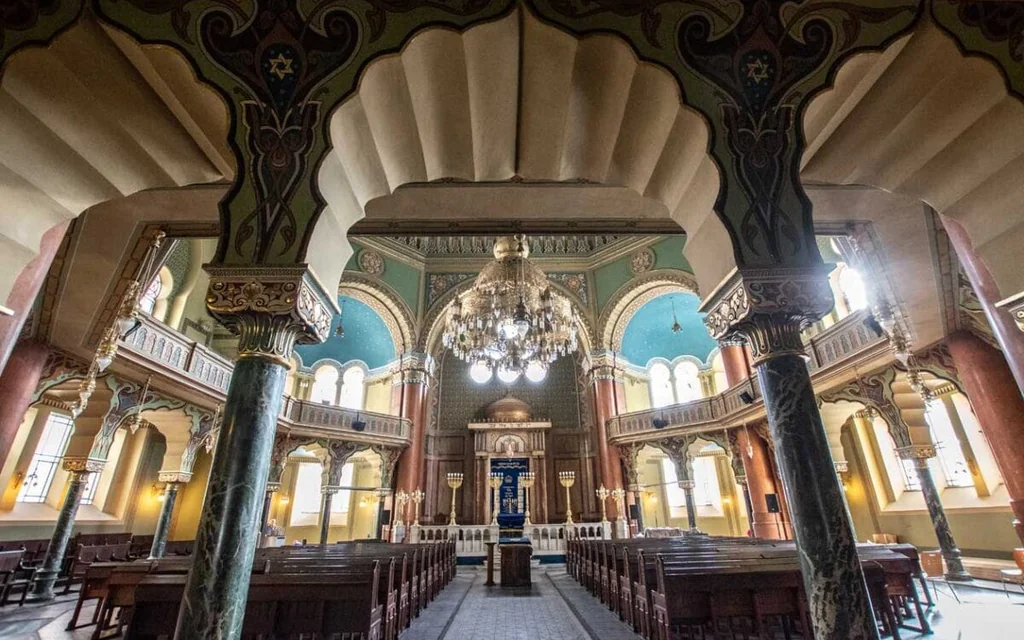
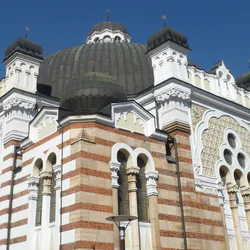
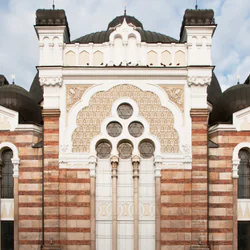
Great pride expressing the faith of the Bulgarian Jewish community, which is one of the three largest synagogues in Europe.
At the turn of the 20th century, the Jewish community in Sofia (then together with Rabbi Dr. Ehrenprice and community president Ezra Sol) made a voluntary donation and invited the Viennese architect Friedrich Grunanger to design a church. Jewish road. In just 4 years, the architect organized and completed the construction at a cost of up to 437,000 BGN. The synagogue was officially opened on September 9, 1909 in the presence of Tsar Ferdinand I of Bulgaria.
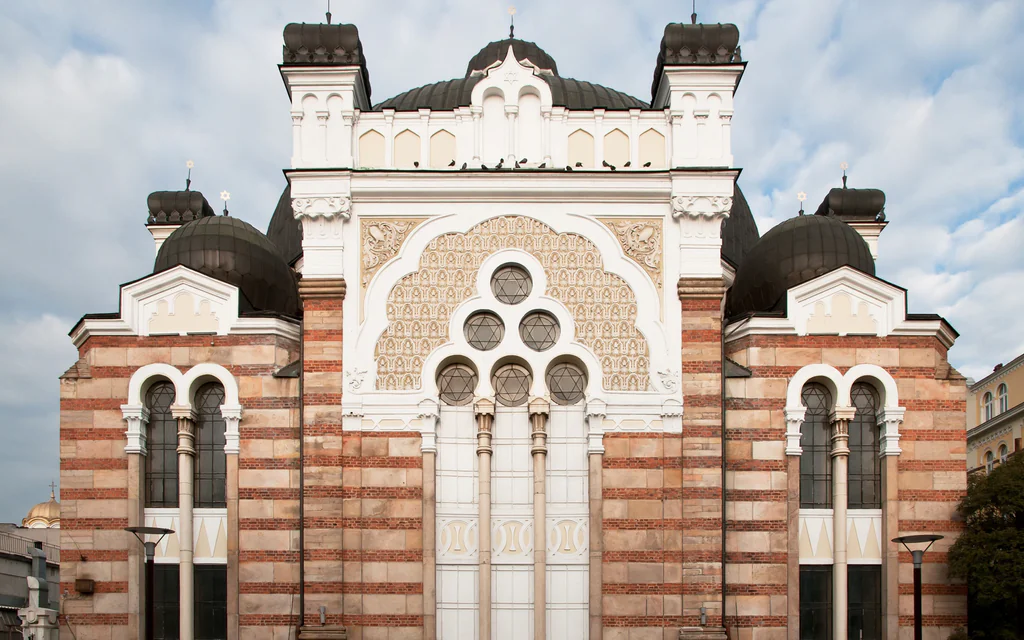
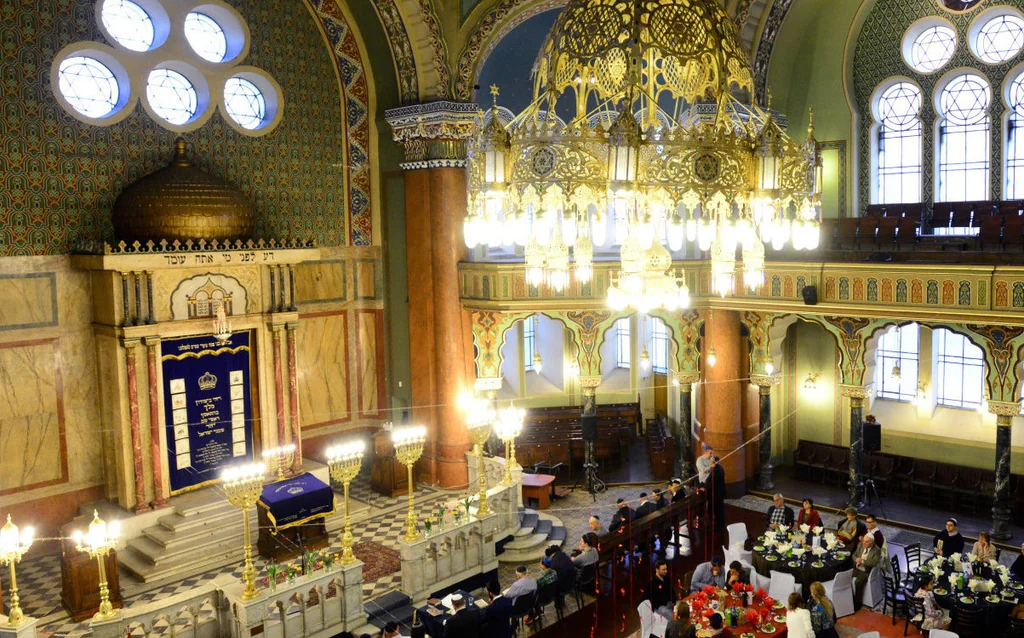
Architect Grunanger incorporated Jewish symbols into this Synagogue, based mainly on the number eight, which has important symbolic significance in Judaism. On the eighth day after the birth of a baby boy, the Brit Mila ritual (circumcision) is performed. Only then does the child receive a name and become a member of the community. The candlelight in the Temple also burned for eight days after it was dedicated at the end of the Maccabean revolt against the ruling Seleucid dynasty in 168 BC. Another symbol is the number 8 located in the mosaic floor of Venice. The ornament used is an octagonal star, in the center of which is a flower with eight leaves.
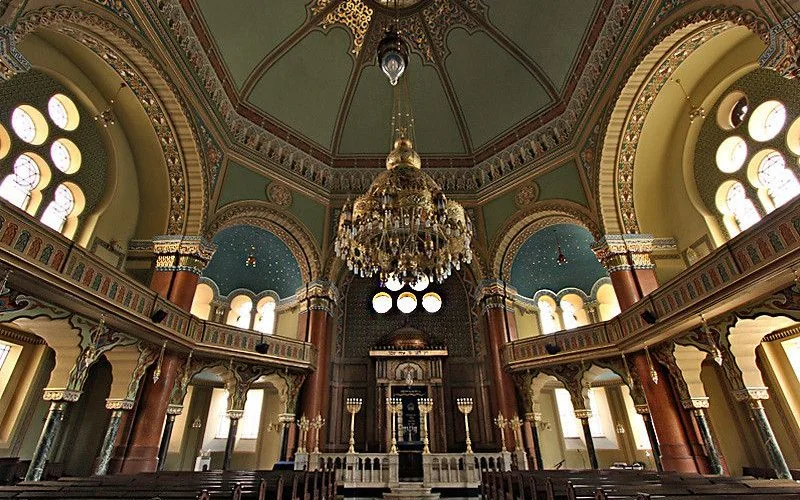
Sofia Central Synagogue was built on the site of the former synagogue "Aava wa Hesed" ("Love and kindness"), the last rabbi of the synagogue was Mosonachi Uziel. The new synagogue was built in the Spanish-Moorish style with elements of the Viennese Art Nouveau. The building has a total construction area of 1000 square meters with a rectangular shape with a central dome, the height of the highest dome is 31m from the ground.
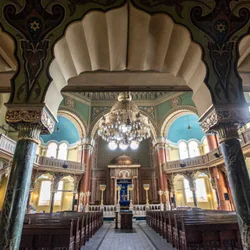
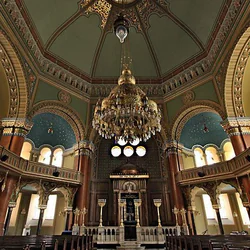
The main sanctuary is designed in a symbolic octagonal shape, with four hemispheres at acute angles and rectangular spaces between them. Stepping through the large courtyard to the inside, the famous bronze chandelier weighing more than 2200 kg and the altar set on a white marble pedestal, surrounded by delicate balustrades are the highlights that attract visitors' eyes. This room has a diameter of 20 meters and a height of 31 meters, creating enough space for 1,170 seats, designed in harmony with four small domes above the conical corners and eight small domed towers. The chairs are made of Slavonian oak from the forests of Serbia, giving the room a cozy feel. The interior is richly decorated with multicolored Venetian mosaics, marble columns and many decorative carvings, the wall elements strictly adhere to Jewish law and tradition without any human faces. described. The church's winter heating system is cleverly placed beneath the metal gratings in the floors of the central and south aisles, whereby warm air from a basement kiln escapes through iron bars. . Before entering the synagogue, visitors can see two towers on the roof, which are chimneys for underfloor heating.
The historian Avram Tajer in his book in Ladino “Notas Historicas” (“Historical Records”) tells of the opening of the synagogue: “September 9, 1909 will be a historic day for the Bulgarian Jews . The synagogue was opened on that day. This is not only a major Jewish holiday in the capital, but also a day of prestige for Bulgarian Jews. With the opening of the Synagogue, respect for the Jewish community and for the Bulgarian Jews as a whole has greatly increased. All the shops were closed for the holiday, and the whole Bulgarian people welcomed the children of Israel on the occasion of the opening of the synagogue.” And to this day, the Synagogue remains one of the important places for the Sofia Jewish community in particular and Bulgaria in general.
Website : www.sofiasynagogue.com
Phone : +359 2 983 12 73
Hours of Operation :
Monday - Friday: 10:00 - 16:00
Ticket price : 5 BGN