


See all results for ""

 Anytime
 Tiếng ViệtEnglish
 한국어
한국어 日本語
日本語 简体中文
简体中文 Français
 Deutsch
 Español
 Italiano
 Русский


 Login for Corporates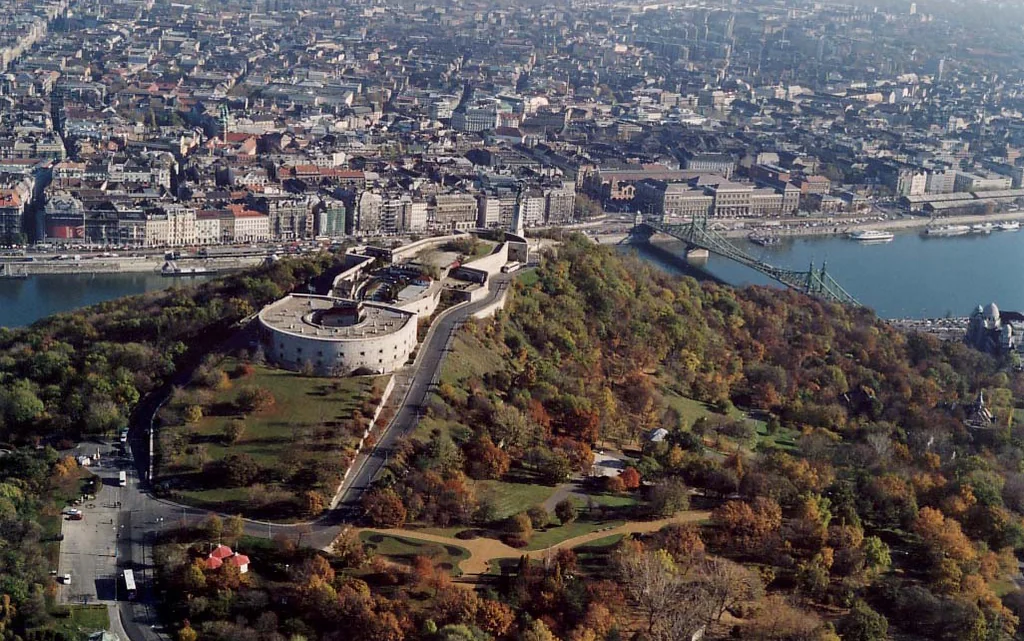
Gellért Hill and Citadella
 Budapest, Citadella stny. 350, 1118 Hungary
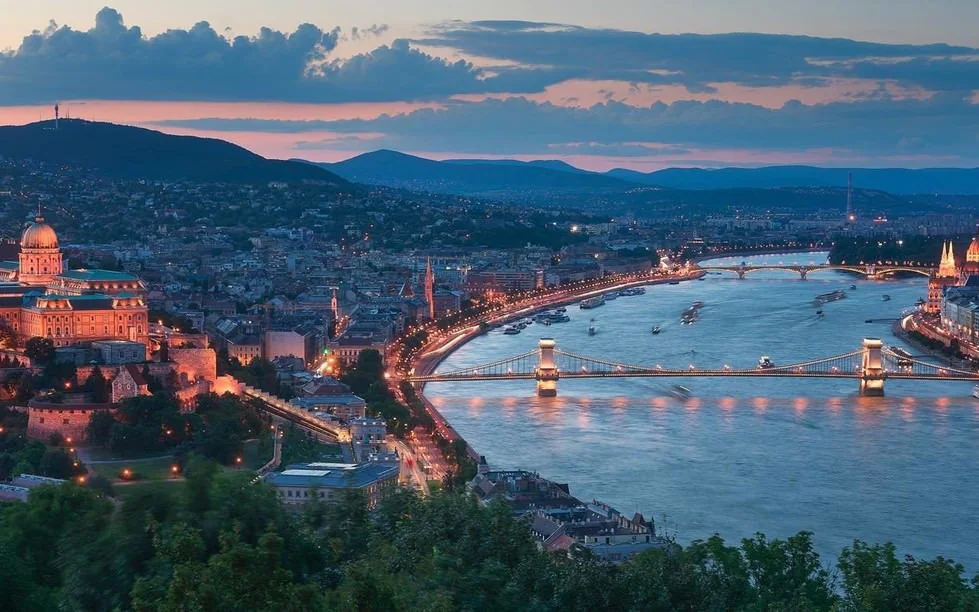
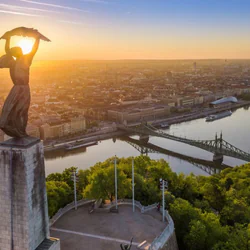
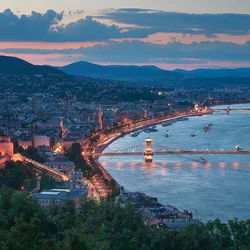
“The place with the most amazing panoramic view of Budapest. From the top, visitors will have a wonderful view of the Danube and both sides of the city – Buda and Pest.”
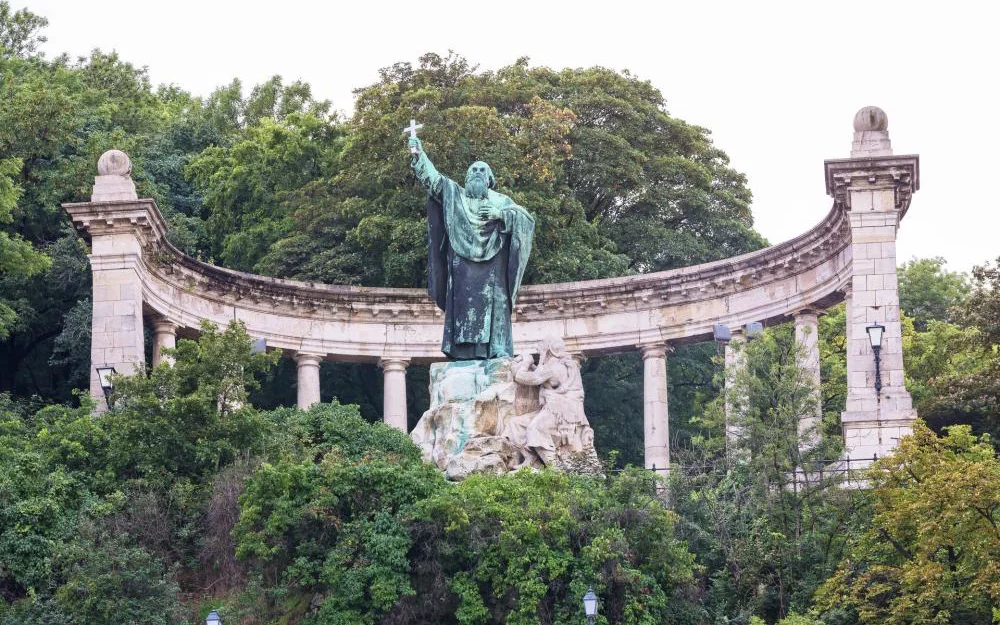
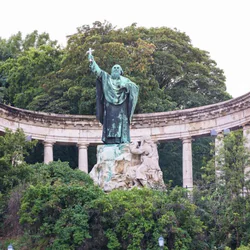
The 235-meter-high hill, made up of dolomite rock, stands majestically next to the Buda of the Danube and is named after the bishop Gellért. Bishop Gellért, arrived in Hungary from Italy around 1000 AD and was visited by King St. Stephen invited him to help evangelize to convert Hungarians to Christianity. Later, Bishop Gellért was resisted by the pagans and rolled him down the hill in a wooden crate into the Danube in 1046.
Gellért Hill has been inhabited since prehistoric times. The cave dwellers who once lived here took advantage of the hot springs below, which still supply the Gellért Spa of the Hotel Gellért today. In Roman times, the Celts lived in this area, only about 2km from the Roman city of Aquincum. In the 18th century, the hill was covered with vineyards, making it an important wine production center in Buda.
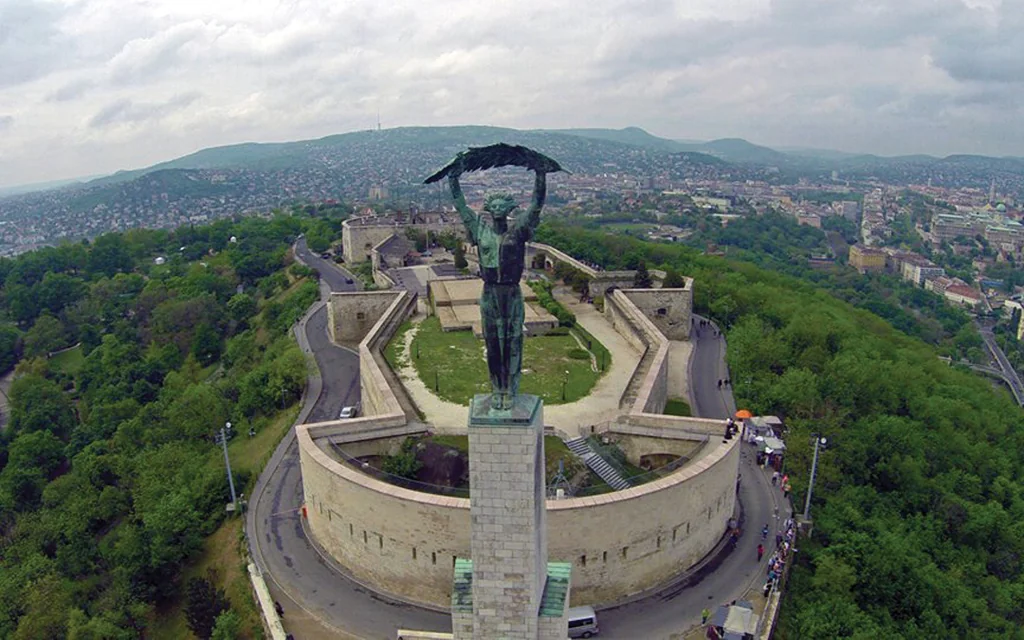
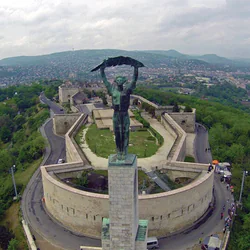
In the 1800s, the Hasbsburgs recognized the importance of Gellért Hill and built a fortress on the top of the hill after suppressing the Revolution of 1848-49 and the War of Independence. Fort Citadella, built in 1851 by Julius Jacob von Haynau, a commander of the Austrian Empire, to exercise control over Budapest. The gun-axle fortress aimed at the Danube and Buda hills as a reminder to the rebellious Hungarians of the country's ruler. The citadel is the most hated structure in Budapest and Hungarians call it the Budapest Bastille. Habsburg gave it to the City Council at the end of the 19th century. Parts of the Citadella were destroyed by residents. The Citadella has served as a prison camp, temporary shelter for the homeless, the site of an anti-aircraft battery, and since the 1960s it has been a tourist attraction.
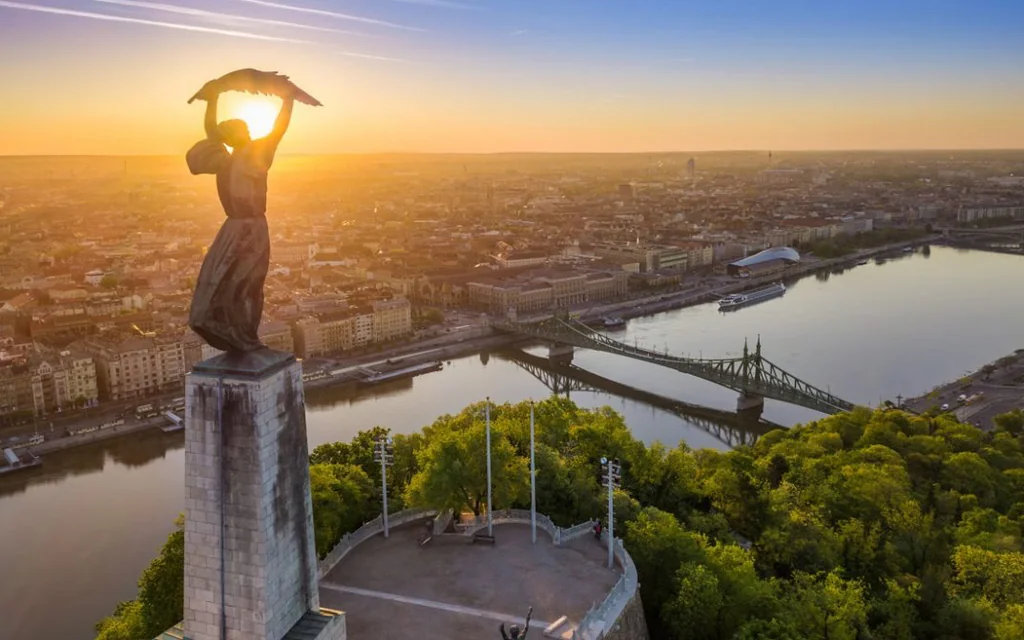
At the top of Gellért Hill is the Statue of Liberty (Szabadság szobor). Visitors can see the Goddess from almost anywhere in the city, she is the symbol of the Hungarian capital. The Statue of Liberty commemorates Hungary's liberation from Nazi rule. According to the story, the statue was originally designed to commemorate the son of the Regent Horthy. Horthy was a right-wing leader of Hungary between the two World Wars. His son died in a plane crash. The statue is designed to hold a propeller blade in the hand. By the time the statue was erected, history had wiped out Horthy. Instead of a propeller, a palm tree was placed on the Goddess' hand, and a Soviet soldier was added below the platform. Although the communist monuments have been pulled down and rebuilt on the edge of town in Memento Park, the Statue of Liberty remains. Only the Soviet soldier and the names of the Red Army soldiers who died in the fighting were deleted.
The hill's important role in Budapest's history led to it being designated a UNESCO World Heritage Site (as part of the banks of the Danube) in 1987.
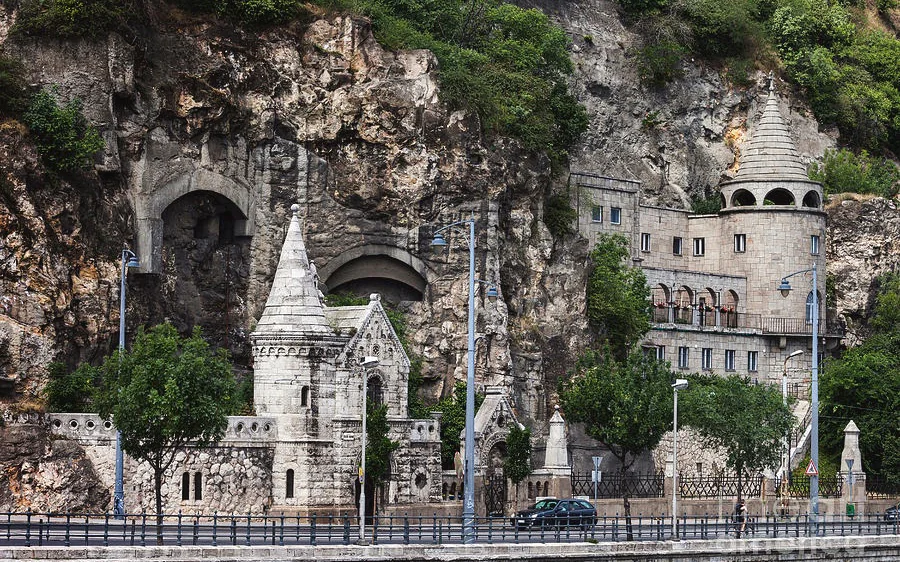
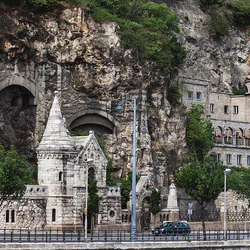
Guests can walk from the foothills to slowly visit the Citadella Fort, the Statue of Liberty, the Cave Church, and the Thermal Bath located in the Gellért Hotel and a few surrounding restaurants. .
Address: Budapest, Gellért Hill, 1016 Hungary