


 Tiếng ViệtEnglish
 한국어
한국어 日本語
日本語 简体中文
简体中文 Français
 Deutsch
 Español
 Italiano
 Русский


Temple of Augustus
 Hacı Bayram, 06030 Altındağ/Ankara, Turkey
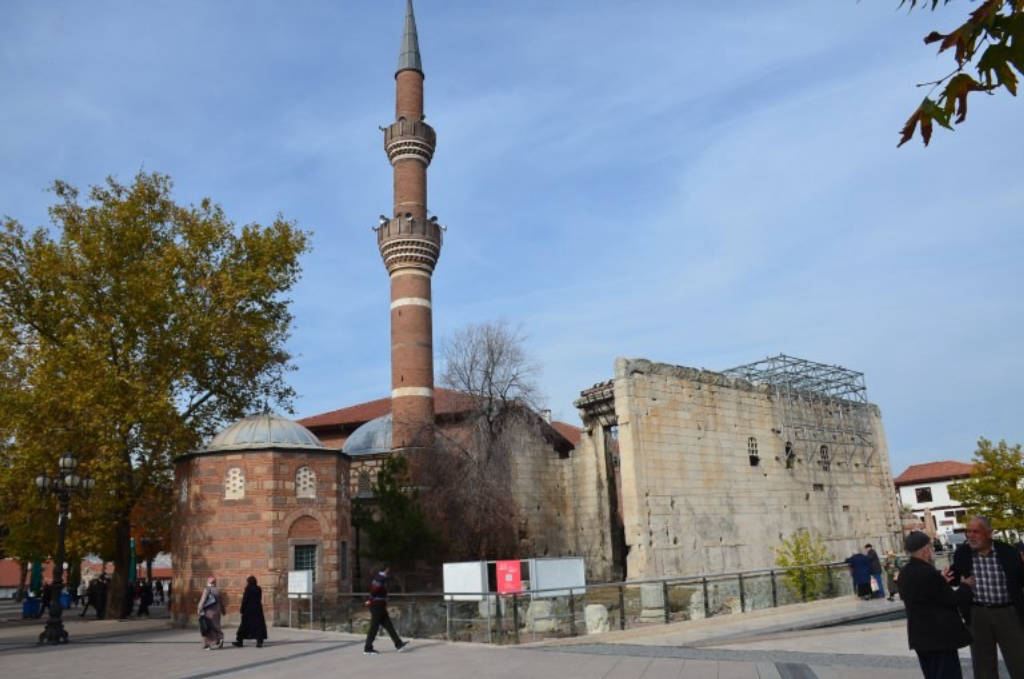
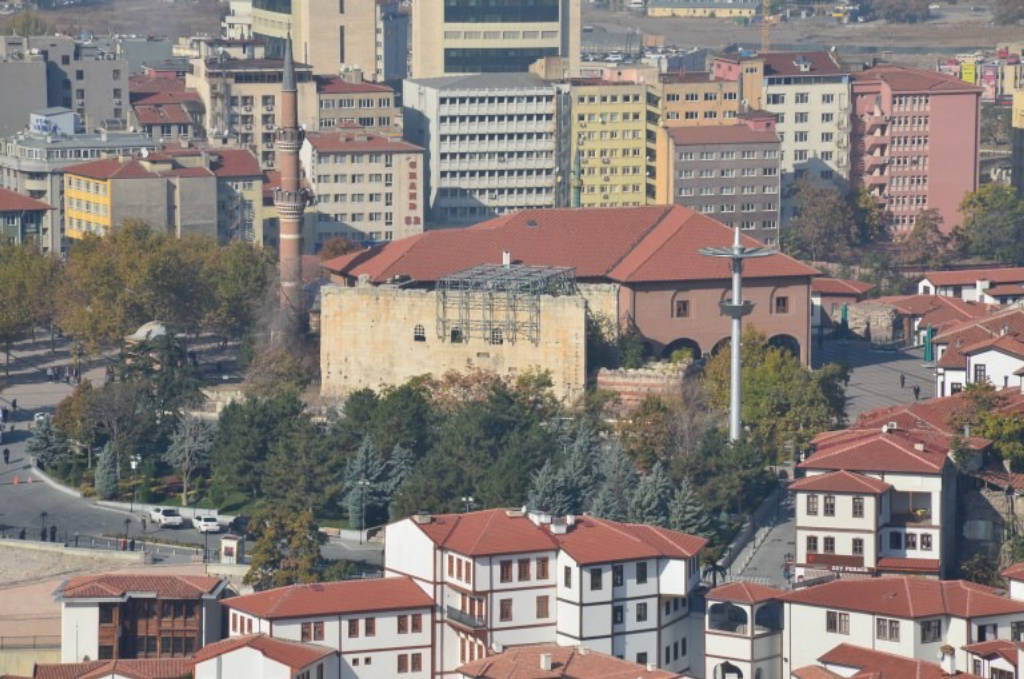
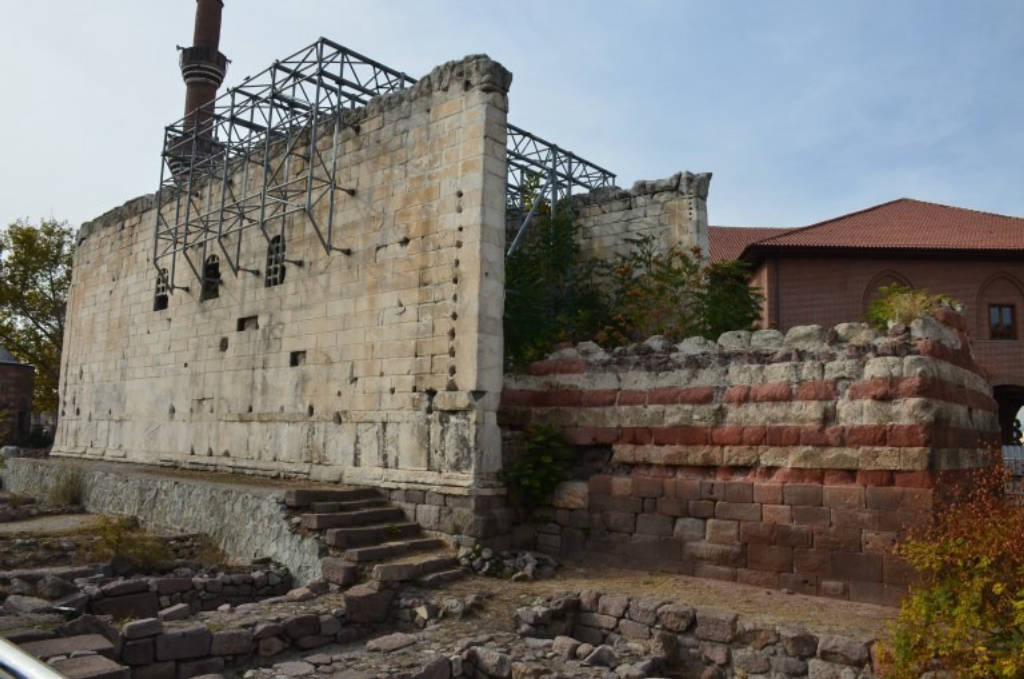
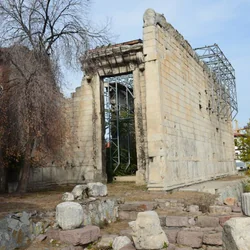
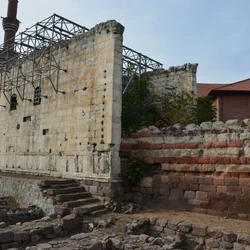
The Temple of Augustus (Augustus Tapınağı) is the most important Roman ruins in Ankara, Turkey. It is located in the Hacıbayram district of Ulus district. Although the Temple of Augustus has been destroyed a lot, it is an important archaeological evidence of the influence of the Roman Empire in Ankara.
The Temple of Augustus, also known as the Monumentum Ancyranum, was built by the Roman Emperor Augustus between 25 and 20 BC, on the ruins of a 2nd century BC Phrygian temple.
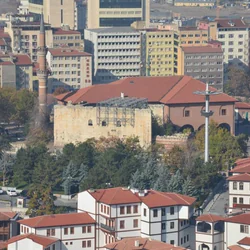
In the 6th century, the Byzantines converted the temple into a church. During the construction of the adjacent Hacı Bayram Mosque, the temple may have been converted into a madrasa. Osman Fazıl Paşa's Tomb was built in the 18th century next to the foundation on the southwest side of the temple.
The Temple of Augustus was returned to the Western world by Ogier Ghiselin de Busbecq (1522-1592), the great Roman Emperor Ferdinand I's ambassador to the Ottoman Empire from 1555 to 1562. He reported on it. its importance to Süleyman the Magnificent in Amasya.
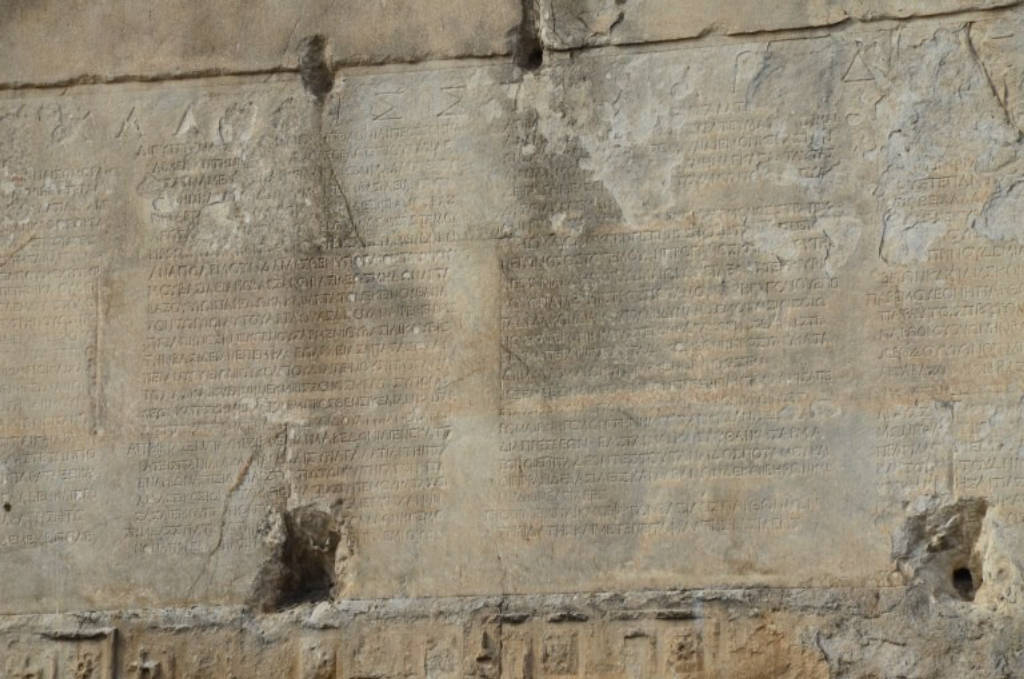
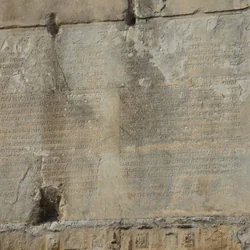
The Temple of Augustus was important not only in Ankara, but also throughout the Roman world because it contained the inscription Res Gestae Divi Augusti (Deed of Augustus). It was written by Augustus himself as a direct account of his life and achievements.
After Augustus' death in AD 14, the deed Res Gestae Divi Augusti was read aloud in the Senate and inscribed on two bronze columns that stood in front of the Mausoleum of Augustus in Rome. It was also sent for carving on temples and monuments in every nook and cranny of the Roman Empire. The original Rome inscription has been lost and only three copies, including the one in Ankara, have survived.
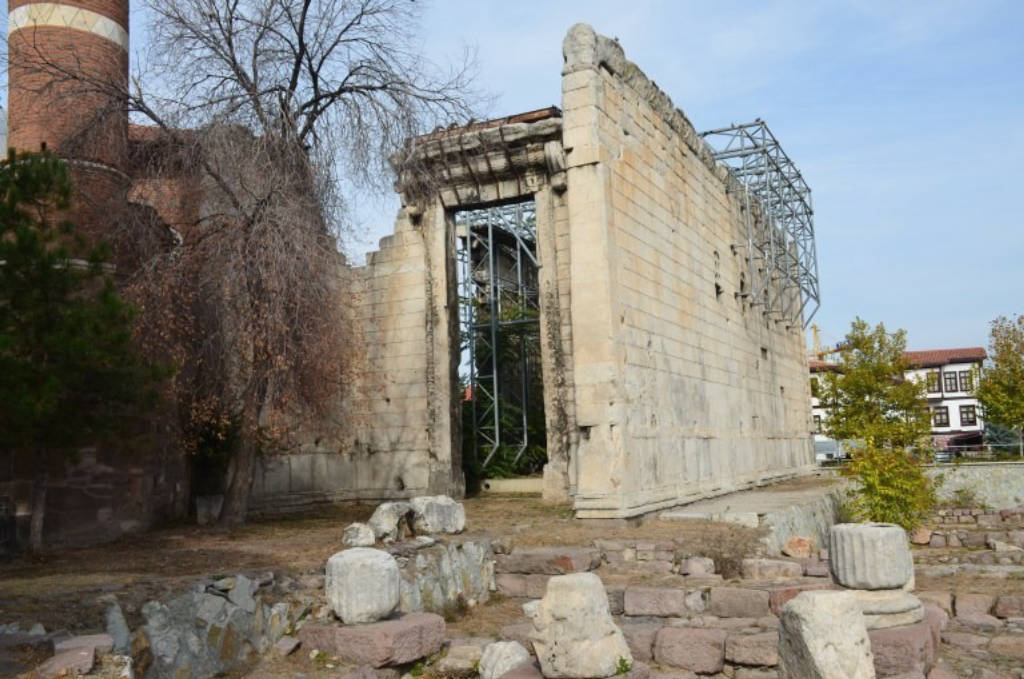
On the Temple of Augustus, the word Res Gestae Divi Augusti is engraved on the inner wall of the archway. It is written in both Latin and Greek and is the most complete copy remaining. Other incomplete copies have been found in Anatolia at Apollonia (modern Uluborlu) and Antioch (modern Yalvaç).
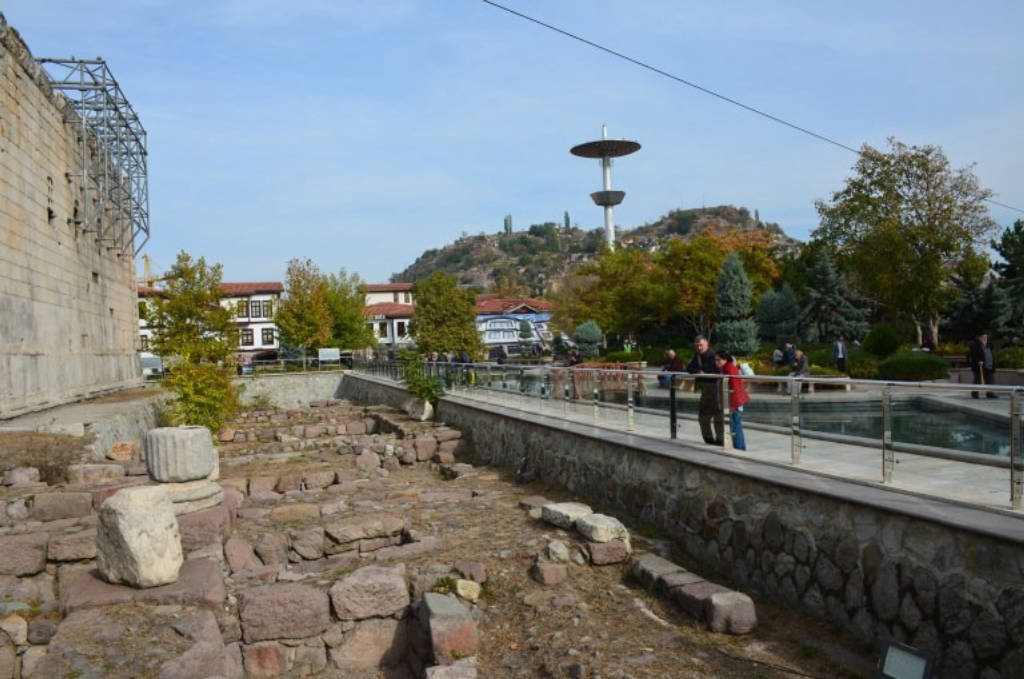
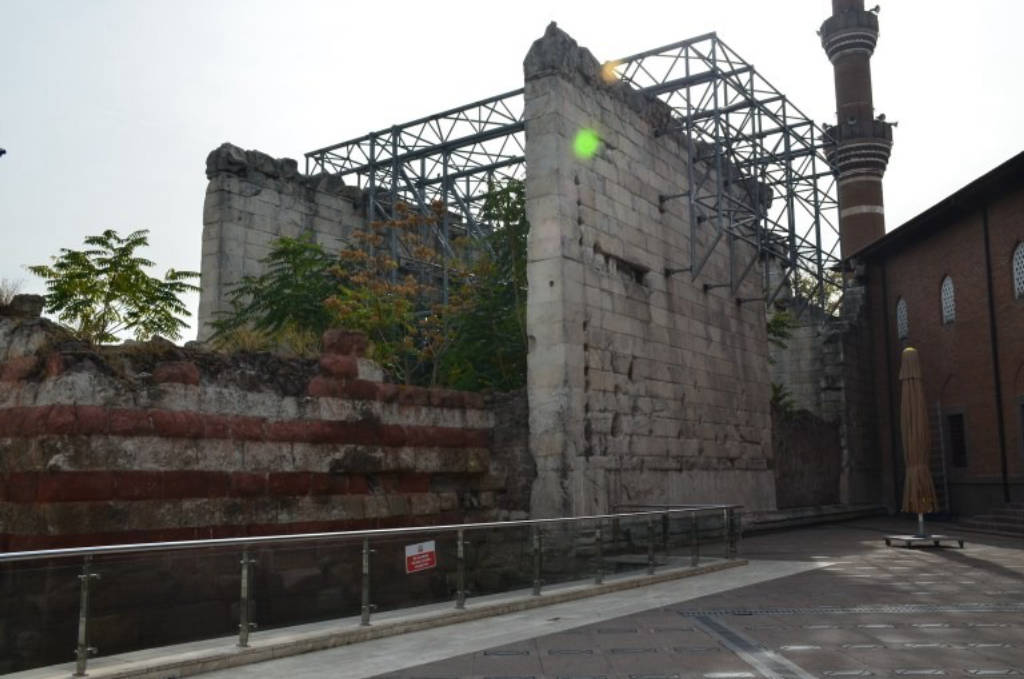
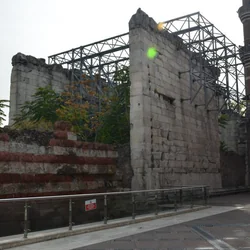
The temple has an area of 36 x 55 meters and is divided into three compartments. There are eight columns on the short side and 15 columns on the long side. Only the side walls, a decorative door frame and the placement of six columns have survived to this day.
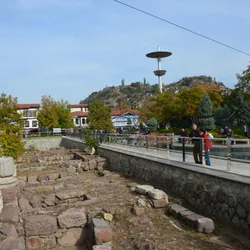
The Temple of Augustus is located between the Hacı Bayram Mosque and a small park on its east side with a walkway that surrounds the site on three sides and has interpretive panels.