


See all results for ""

 Anytime
 Tiếng ViệtEnglish
 日本語
日本語 한국어
한국어 简体中文
简体中文 Français
 Deutsch
 Español
 Italiano
 Русский


 Login for Corporates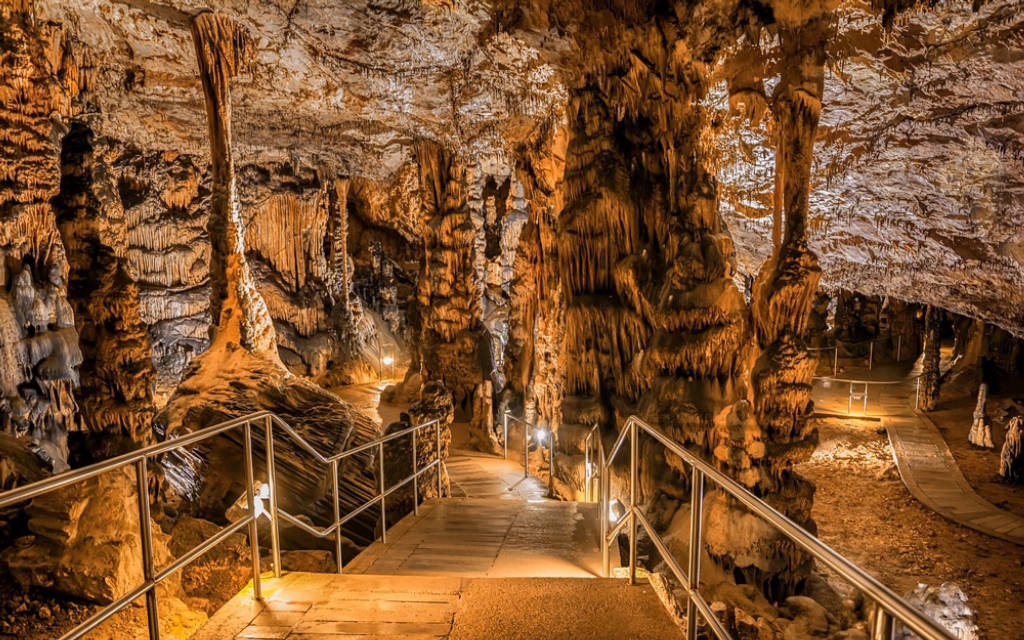
Aggtelek . National Park
 Hungary
“On the UNESCO World Heritage list, this is truly a unique park, known for its unique flora, surprising cave system, an equestrian center, and paths. cool xnah for walking and cycling”
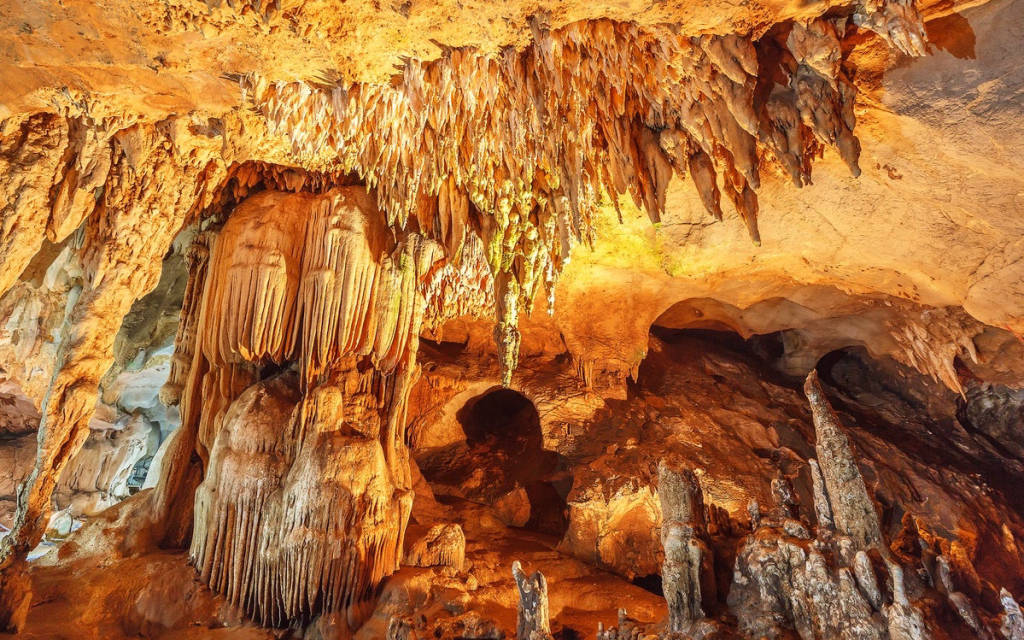
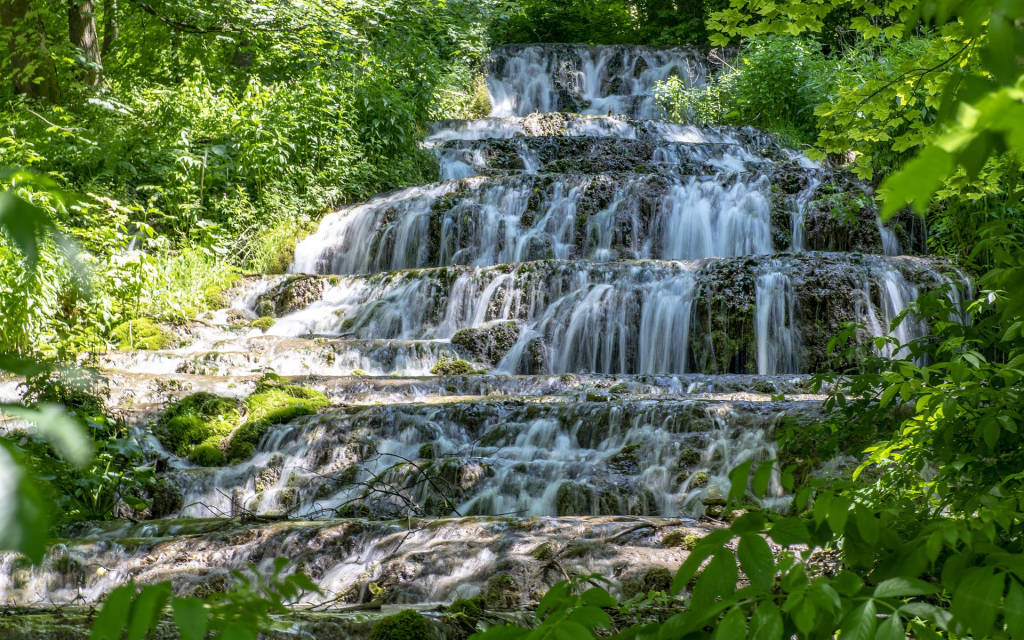
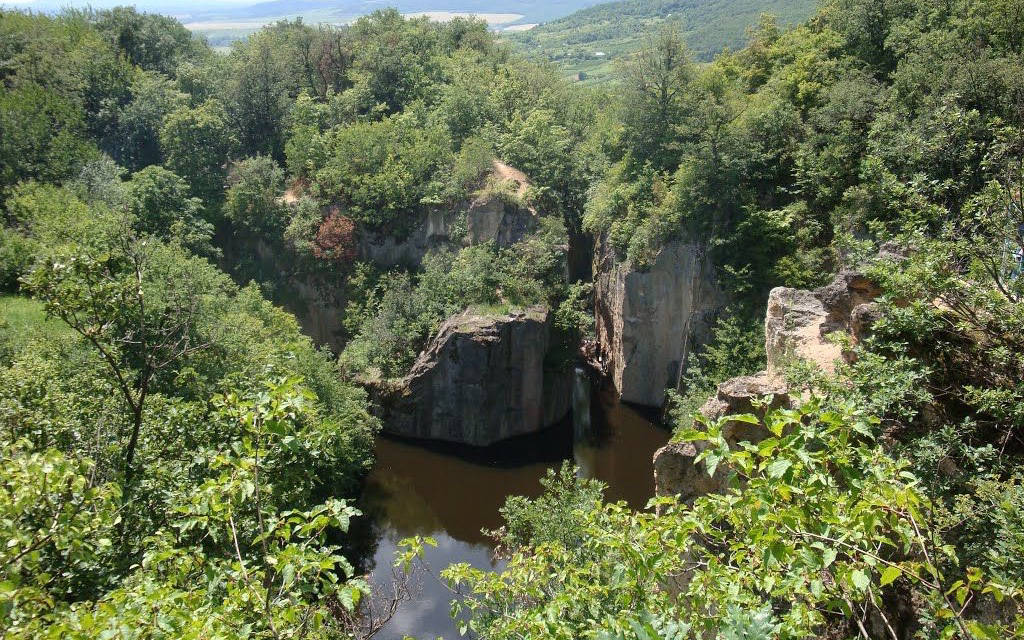
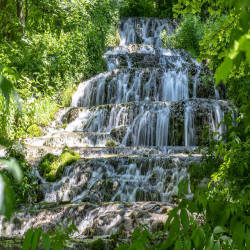
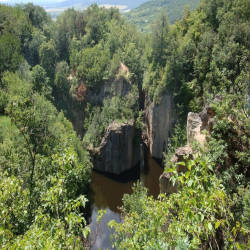
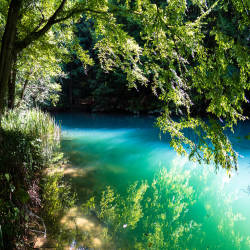
Aggtelek National Park in northeastern Hungary features amazing karst caves, hucul equestrian centers, environmental education centers, hiking and biking trails through Hungary's most interesting and unique landscape. Aggtelek is the only national park in Hungary established with the primary and primary purpose of protecting its priceless natural asset – the caves and limestone mountains. Conservation of the territory began in 1978 when it was declared a "protected landscape area", and was designated a national park in 1985. 1995 was the year in which the Caves of Aggtelek Karst National Park and Slovak Karst were recognized by UNESCO as a World Heritage Site. The outer surface hides for about 1200 caves, 280 of which can be found on the Hungarian side. The area deserves an extra layer of UNESCO protection because of the complexity, diversity and relatively intact conditions of the caves and their formations. The total territory of the Aggtelek National Park is more than 20,000 hectares. The park has also been designated a Ramsar Convetion Site to protect wetlands and waterfowl.
The main mission of Aggletek National Park is to protect the unique nature, while developing eco-tourism. To achieve this, the owners have created a system of zones: Zone C shows all the beauties of the national park, while causing little disturbance to nature, Zone B can only be accessed on marked trails, and Zone A is entirely dedicated to wildlife.
- What to see and do in Aggletek National Park?
- Baradla Caves: The park's most famous treasure and the most magnificent cave in Hungary. The iconic Baradla Caves stretch across the border to Slovakia. The total length of the Baradla-Domnica Cave System is 25km, of which 5.3km is on the Slovak side. Due to its length, activity and abundance of cave formations, the Baradla Caves are the most remarkable caves not only in Hungary but in this entire temperate region. Until the last century, it held the position as the second longest cave in the world. Although the ratings have dropped in the following decades, it is still one of the top caves worldwide.
- Peace Cave: An attraction for visitors looking for the therapeutic properties that seem to be associated with caves. The cave acts as a sanatorium with the aim of helping people with asthma.
- Equestrian: Aggletek National Park is Hungary's national breeding center for hucul horses. The breed is descended from the Carpathians, and is genetically similar to ancient wild horses and horses from the Hungarian conquest of the mid to late 10th century. Manor Center Hucul Riding Center offers a wide range of horses. activities, including children's riding classes, forest walks, horse and carriage tours, and ranger tours. A full list of horse-related programs can be found here. In addition, the International Hucul Horse Racing Competition and the International Farrier Competition are held here every August. The park currently houses more than 200 Hucul horses and can be visited year-round on the pasture about 1km away.
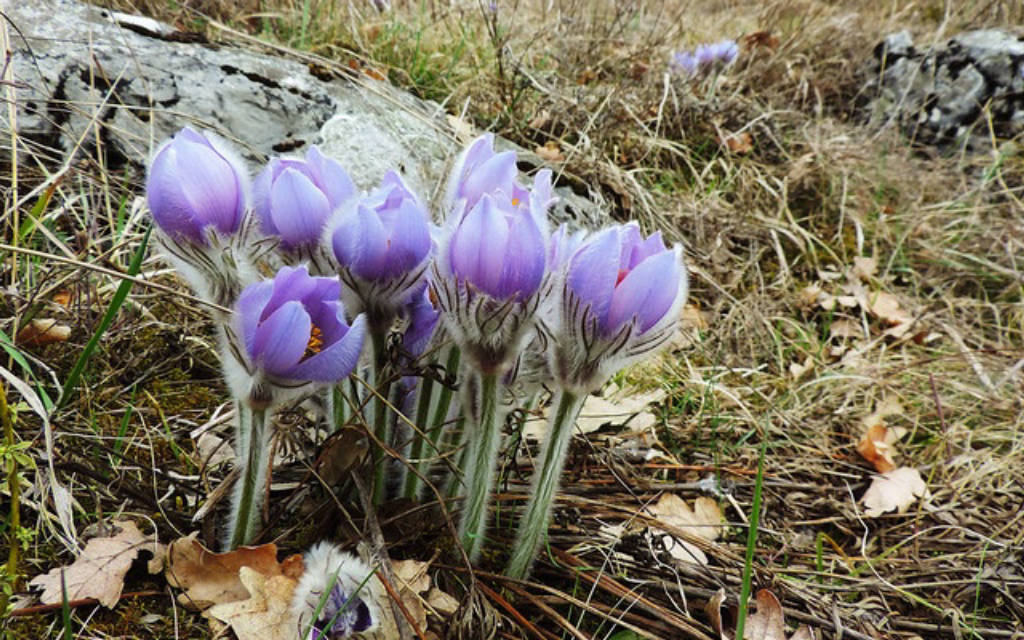
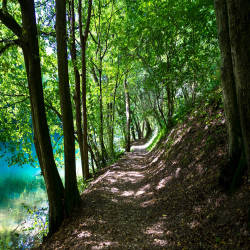
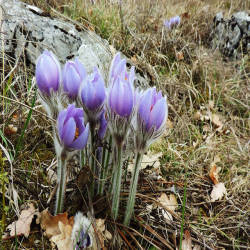
- Biking or canoeing: Bring a bike or rent one from the mountain bike fleet to explore the Aggtelek and Slovak limestone mountains following a number of designated bike routes at Aggtelek. The Baradla Nature Trail begins at the Aggtelek entrance of the Baradla Caves. Throughout this 7.5 km trail, visitors can learn about the natural and cultural history of the area. It's especially great in early spring as the region is home to some rare and beautiful flowers. Canoe trips can be made in Bodrogzug, where the Bodrog and Tisza rivers meet. This landscape is unique in Hungary for being the only area still subject to frequent flooding. As a result, many of the area's natural treasures were left undisturbed, and in 1989 the Tokaj-Bodrogzug Landscape Reserve won the RAMSAR site status for its extensive waterfowl habitat. Bodrogzug one of the best canoeing areas in the country.
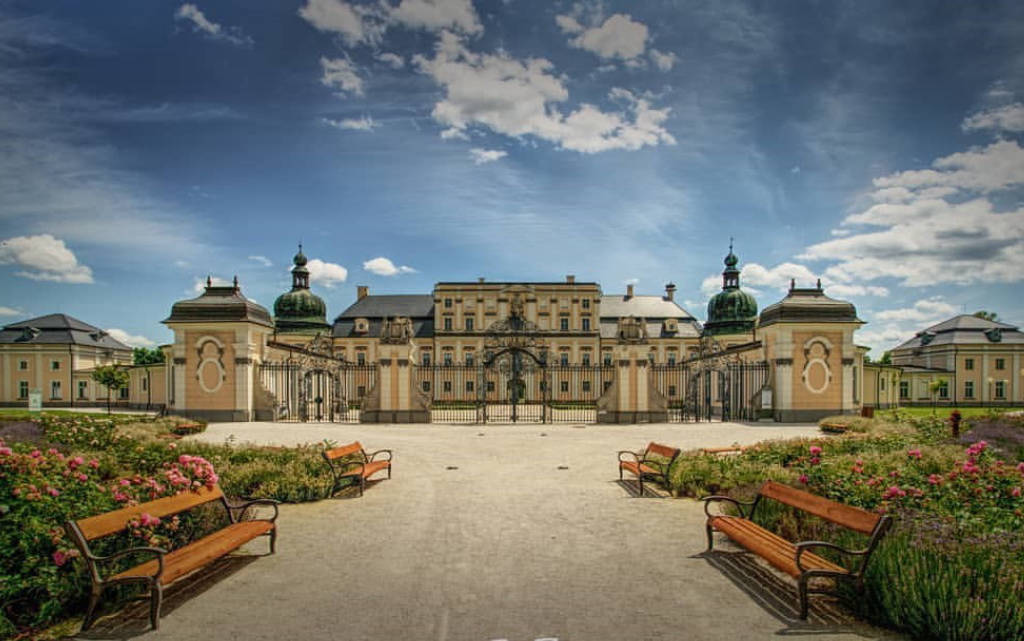
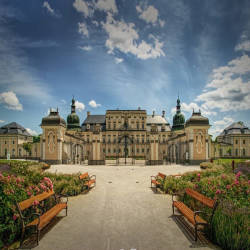
- Cultural Heritage: Aggtelek National Park is spacious with castles, palaces, manors, fortresses, village museums, MagtArt Arts Granary (natural art exhibitions), medieval monasteries and churches as well as other historical and cultural treasures. Within the territory of Aggtelek National Park is the Pauline Monastery in Martonyi - the most important medieval structure, and a monument of national importance. The newest castle to be renovated is the Coburg L'Huillier Palace , one of Hungary's largest and most magnificent baroque palaces, with stunning panoramic views from its mountaintop. The world's largest book holding a Guinness World Record, as well as the interesting Guttenberg Exhibition, can be seen in the village of Szinpetri.
- Coming from Budapest:
- By bus: Buses stop at Aggtelek and Jósvafő. Route 1054 also stops at Eger, visitors can visit several points on the way there/return.
- By train: There is no direct train from Budapest to Aggtelek National Park, you need to change at Miskolc station. Furthermore, trains only stop outside of Jósvafő and visitors need to take a local bus to actually get to any of the towns.
- By car: take the M3 motorway to Miskolc then follow the signs to Kazincbarcika and Aggtelek, about an hour.