


See all results for ""

 Anytime
 Tiếng ViệtEnglish
 한국어
한국어 日本語
日本語 简体中文
简体中文 Français
 Deutsch
 Español
 Italiano
 Русский


 Login for Corporates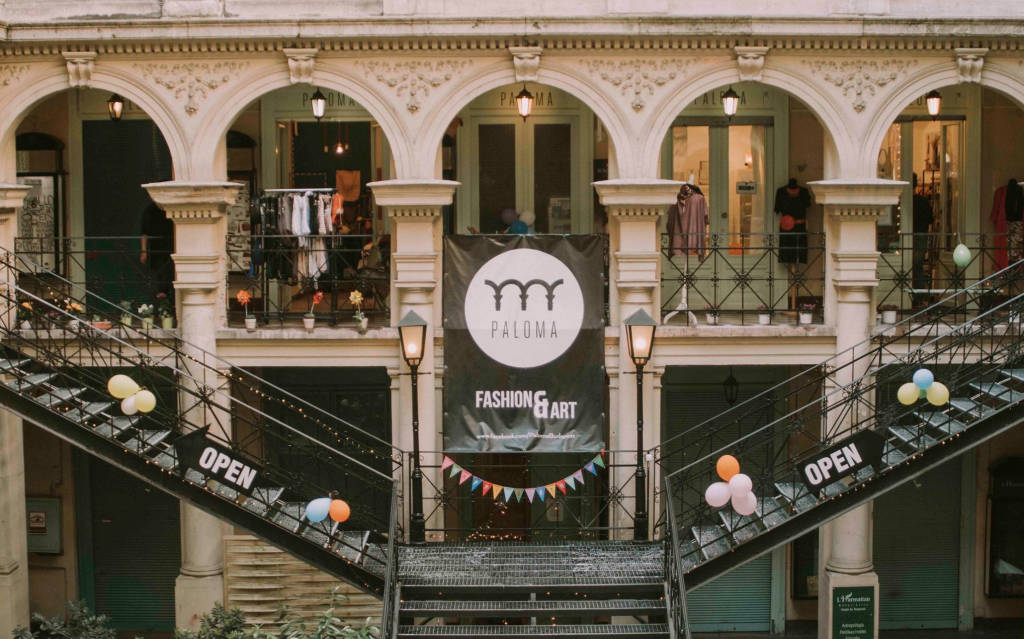
PALOMA
 Budapest, Kossuth Lajos u. 14, 1053 Hungary
“Kết hợp thời trang và nghệ thuật, Paloma trưng bày tác phẩm của nhiều nhà thiết kế nổi tiếng người Hungary, cũng như tổ chức các triển lãm nghệ thuật đương đại”
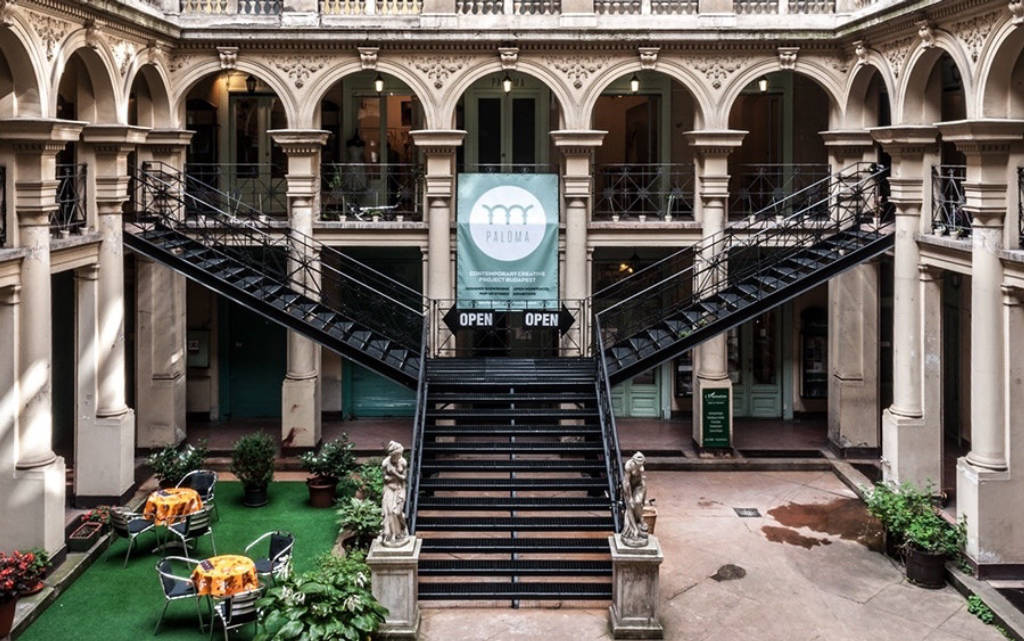
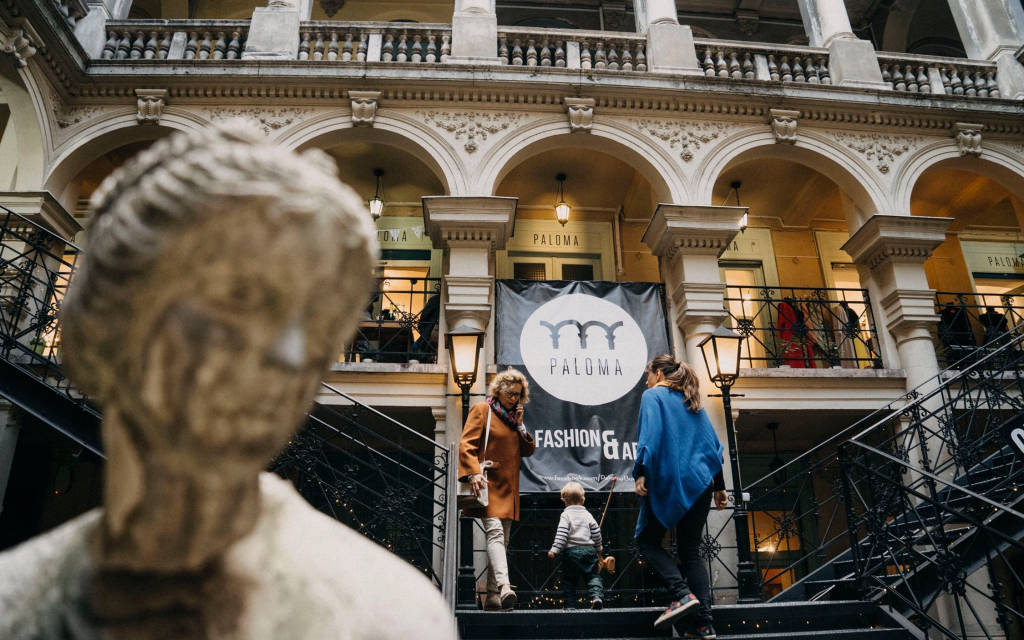
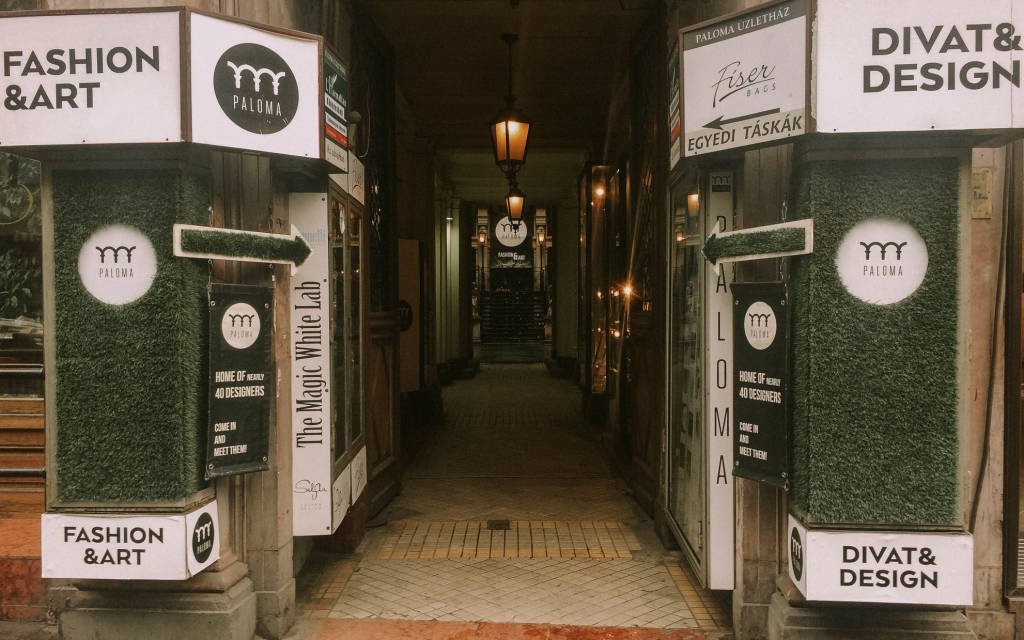
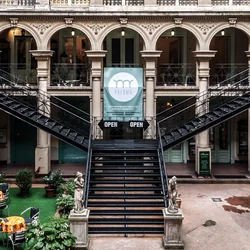
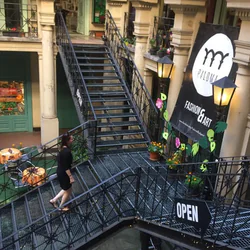
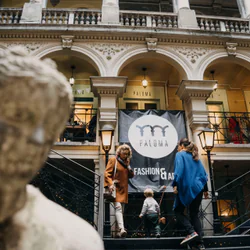
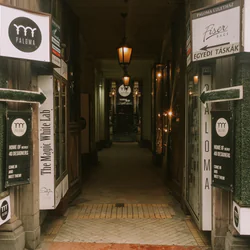
Ẩn mình trong một sân có mái vòm ở Quận V, PALOMA là một gian nhà thiết kế quy tụ khoảng 50 nhà sản xuất và nhà thiết kế địa phương. Ngôi nhà được xây dựng vào năm 1894, bởi János Wagner, người đã sáng lập ra một triều đại kiến trúc danh giá. Toà nhà, nổi tiếng với phong cách chiết trung và những lối đi có mái vòm bên trong ấn tượng, ban đầu được dự định là một ngôi nhà phố cho đại gia đình của Wagner.
Vào những năm 1990, tầng trệt và tầng một được tiếp quản bởi Trung tâm Mua sắm PALOMA mới thành lập, nơi đã có nhiều năm thành công như một điểm mua sắm nổi tiếng. Tuy nhiên, sự xuất hiện của các trung tâm mua sắm khổng lồ vào những năm sau đã kết thúc số phận của các cửa hàng mua sắm ở trung tâm thành phố; các cửa hàng ở PALOMA cuối cùng đã chuyển đi hoặc đóng cửa và các không gian bán lẻ của toà nhà đang mục nát dần trống rỗng trong hơn một thập kỷ.
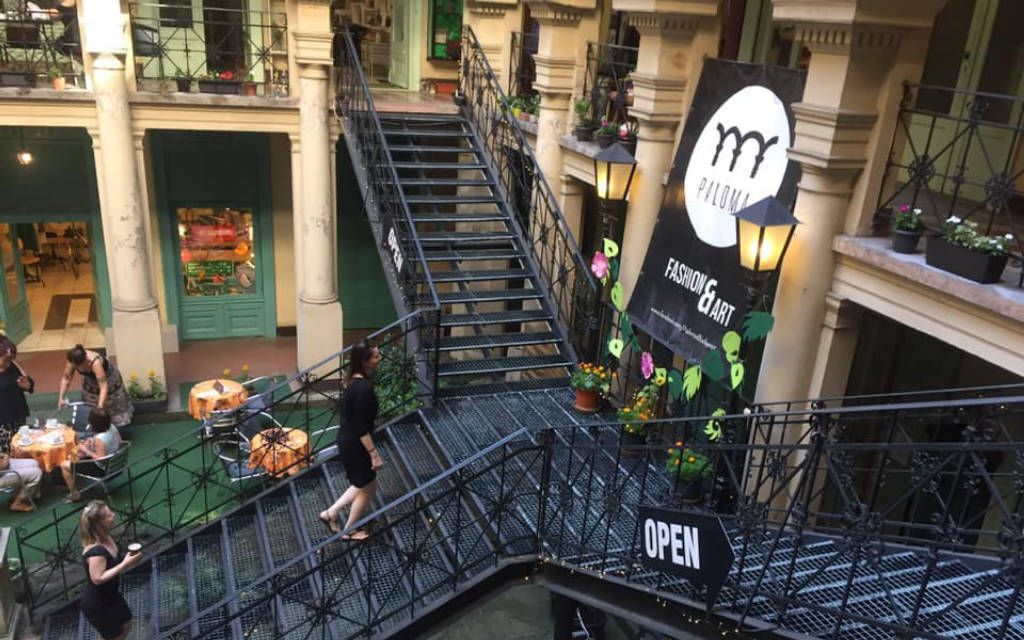
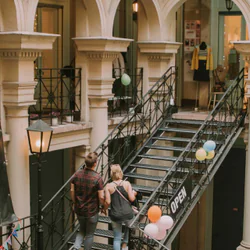
Vào tháng 5 năm 2014, một nhóm nghệ sĩ trẻ đã thuyết phục chính quyền Quận V. hỗ trợ thành lập một dự án văn hoá mới tại các tầng dưới cùng bị bỏ hoang của toà nhà. Một phần của thoả thuận là việc xây dựng lại cầu thang trung tâm, hiện được coi là vật trang trí chính của ngôi nhà. Vẫn hoạt động dưới tên PALOMA, sân trong hiện có các cửa hàng ý tưởng (concept store), phòng trưng bày và xưởng may ở tầng trệt và tầng một. Các căn hộ ở các tầng trên là tài sản riêng.
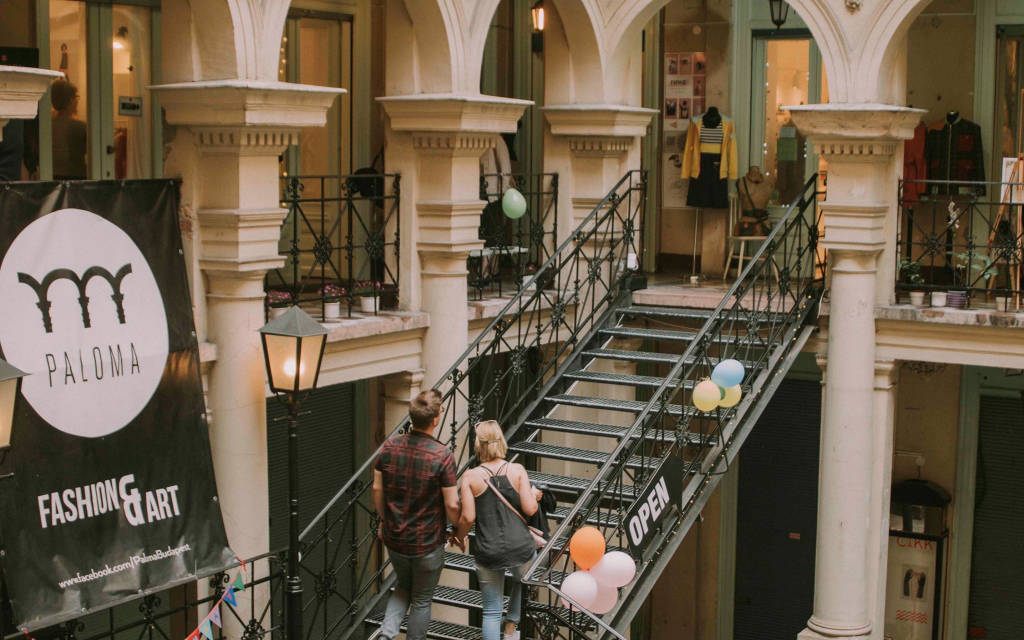
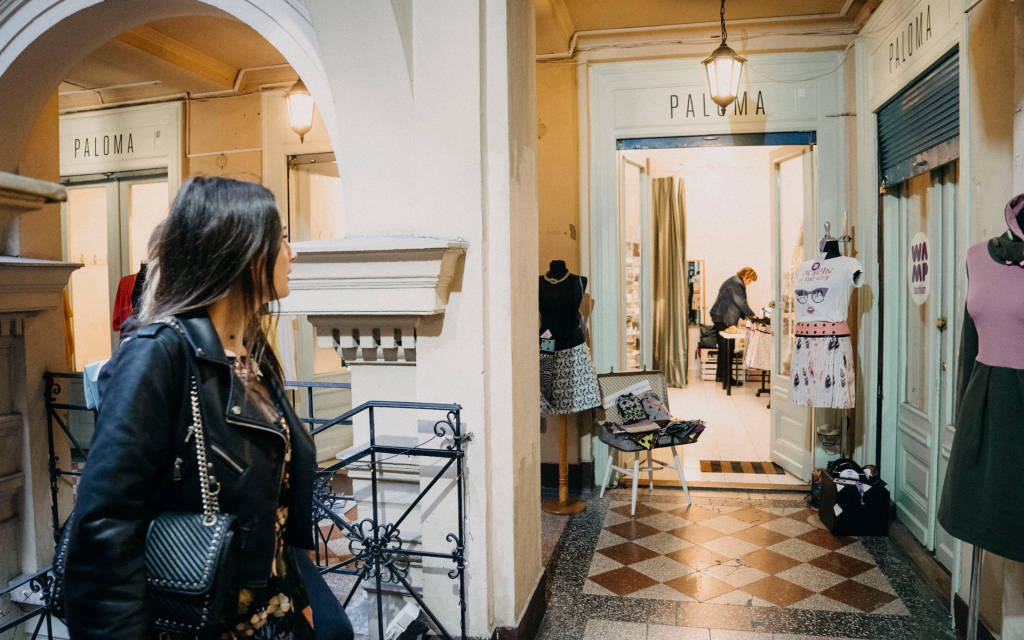
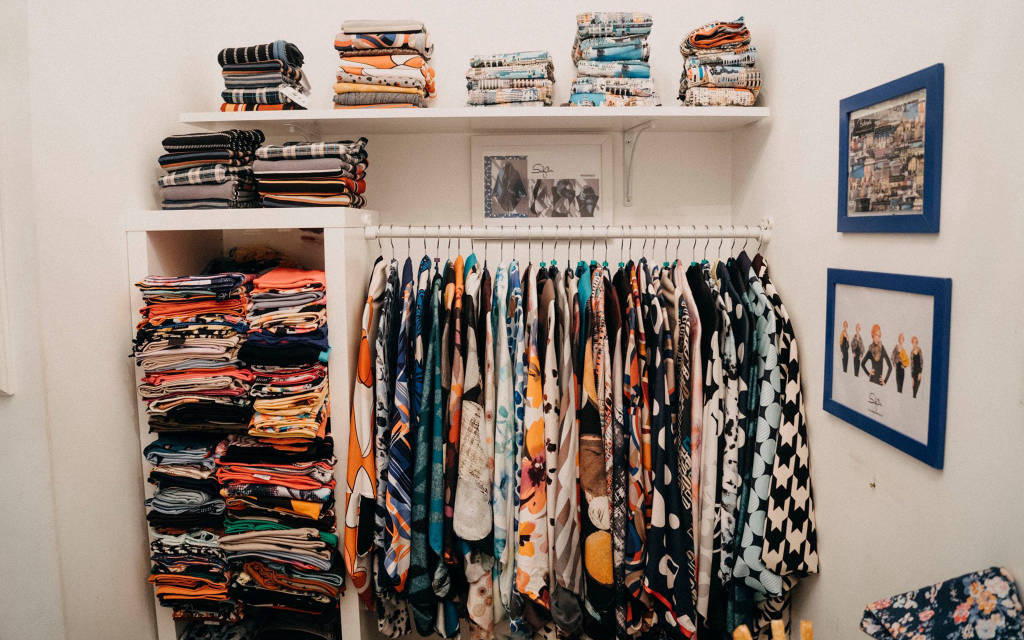
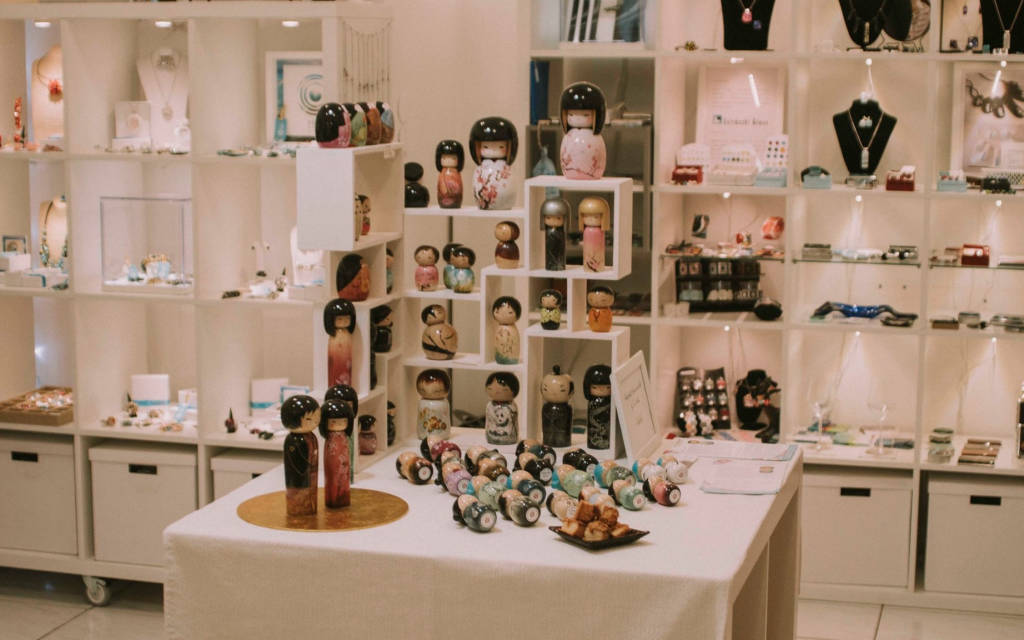
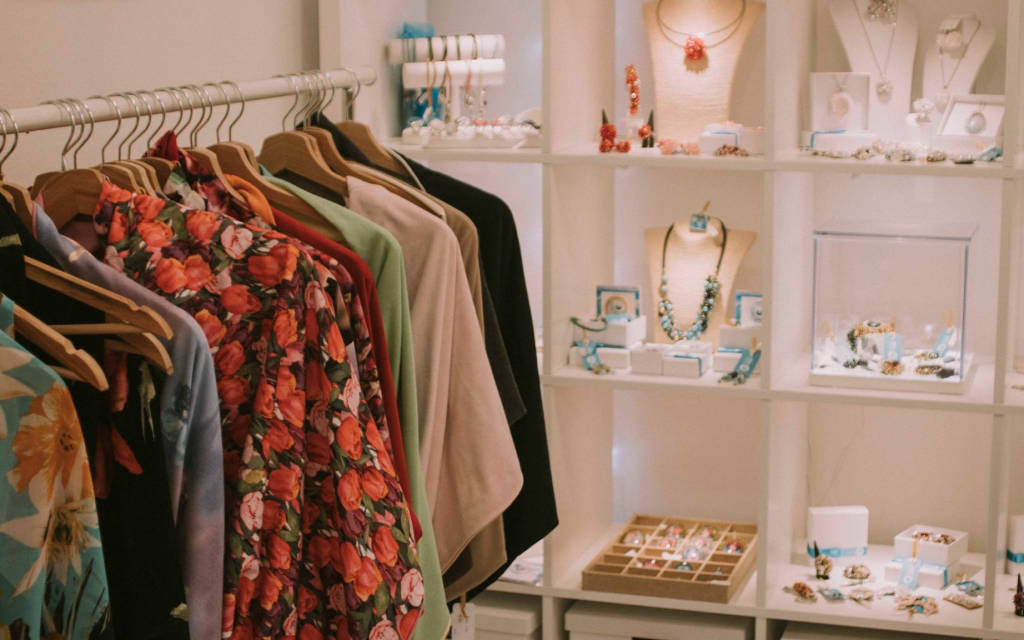
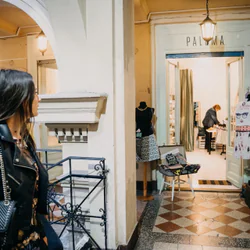
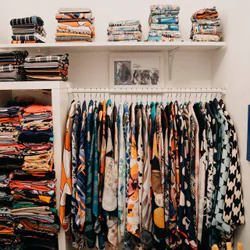
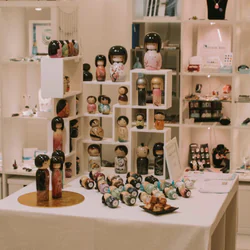
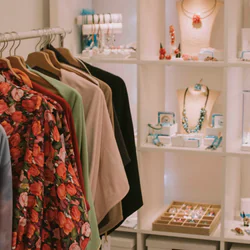
PALOMA Artist Courtyard là một không gian trưng bày chung nhằm mục đích quảng bá thiết kế đương đại của Hungary và nghệ thuật thủ công và mỹ nghệ, đồng thời là nơi trưng bày các tác phẩm của nhiều nhà thiết kế thời trang và nghệ sĩ thủ công mới nổi. Ngoài ra, tại PALOMA, người mua sắm có thể gặp trực tiếp các nhà thiết kể tại cửa hàng của họ. Nơi đây thu hút nhiều giới trẻ và những người muốn khởi đầu con đường nghệ thuật, thời trang.
Dãy cửa hàng phía trên cầu thang dẫn lên tầng một, nơi có nhiều sự lựa chọn quần áo, đồ trang sức, túi xách, giày dép và nhiều đồ thủ công khác.
Địa chỉ: Kossuth Lajos u. 14, 1053 Budapest
Giờ mở cửa: - Thứ 2 – Thứ 6: 100:00 – 19:00
- Thứ 7: 11:00 – 15:00
Trang web: https://palomabudapest.hu/en/home/