


See all results for ""

 Anytime
 Tiếng ViệtEnglish
 日本語
日本語 한국어
한국어 简体中文
简体中文 Français
 Deutsch
 Español
 Italiano
 Русский


 Login for Corporates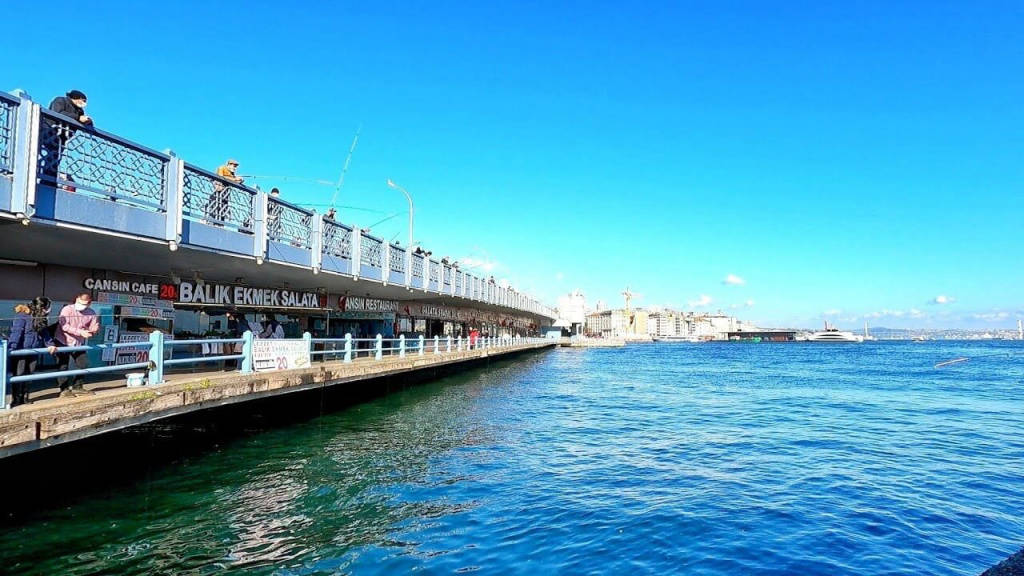
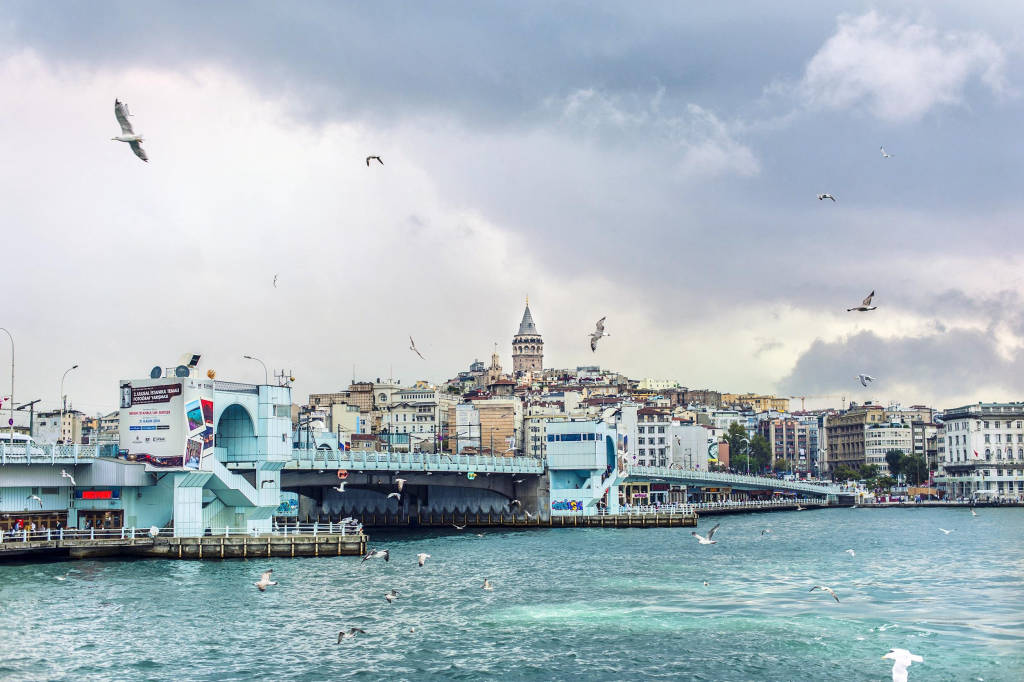
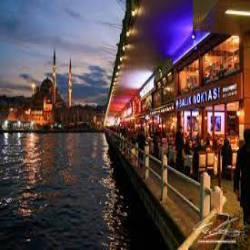
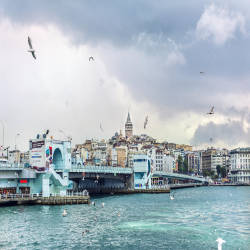
Gatala Bridge
 Gatala Bridge, Gorden Horn, Istanbul, Turkey
It is impossible to mention Istanbul without missing its long-standing symbol: the Galata Bridge. Images of bridges appear on everything from postcards and t-shirts to magazine titles and promotional posters. The footpath connecting the two ends of the bridge is one of the most frequented sightseeing routes in the city, making it one of the most photographed spots in the area.
The oldest bridge over the Golden Horn was simply built in 1453 during the siege of Istanbul. In the early 16th century, it was decided to build a stronger bridge here and Leonardo da Vinci designed a single span bridge with double columns at both ends, 250 m long, 8 m wide and 24 m high. m. However, technical limitations prevented this project from becoming a reality. Later, another famous Italian artist, Michelangelo, was invited to design another bridge for Istanbul, but he declined the offer, and the idea of building a bridge over the Golden Horn was shelved. to the 19th century. At the beginning of the 19th century, King Mahmut II (1808-1839) built a bridge over the waterway between Azapkapi and Unkapani. This bridge, called Hayratiye, opened on September 3, 1836. The project was carried out by Vice Admiral Fevzi Ahmet Pasa using workers and facilities from the naval arsenal. The bridge is built on linked pontoon bridges and is about 500 to 540 meters long.
The first Galata Bridge at the entrance of the Golden Horn was built in 1845 by Sultan Abdulmecid's mother and used for 18 years. It is known as the Cisr-i Cedid or New Bridge to distinguish it from the earlier bridge going up the Golden Horn, known as the Cisr-i Atik or Old Bridge.
The New Bridge was built by Abdulmecid Han. The first to cross the bridge was Sultan Abdulmecid, and the first to go below the bridge was the French captain Magnan on his ship Cygne. For the first three days crossing the bridge is free, then a fee called mürüriye is paid to the Ministry of the Navy.
This bridge was replaced by a second wooden bridge in 1863, built by Ethem Pertev Pasha on the orders of Sultan Abdulaziz in preparation for Napoleon III's visit to Istanbul.
In 1870, a contract was signed with a French company, Forges et Chantiers de la Mediteranée to build a third bridge, but the outbreak of war between France and Germany delayed the project, projecting instead The project was assigned to a British company G. Wells in 1872. This bridge was completed in 1875. It is 480 m long, 14 m wide and has 24 pontoon bridges. It was built at a cost of 105,000 gold liras. This bridge was in use until 1912, when it was pulled upstream to replace the now really old Cisr-i Atik Bridge.
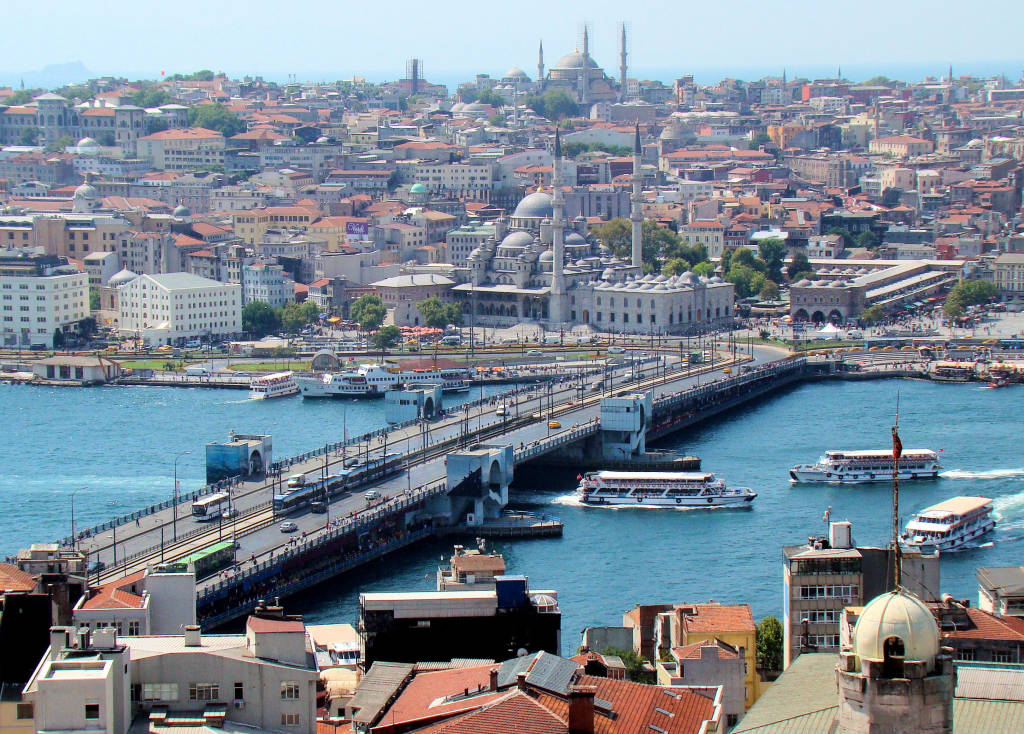
The fourth Galata Bridge was built in 1912 by the German company Man for 350,000 gold lira. This bridge is 466 m long and 25 m wide. The very bridge that is still familiar to many people today was badly damaged in a fire in 1992 and was pulled to another location to make way for the modern bridge in use today.
The Galata Bridge is a symbol of the connection between old Istanbul in the Eminonu quarter, the site of the royal palace and the main religious and secular institutions of the Ottoman Empire, and the Galata, Beyoglu, Sisli and Harbiye districts, where has a large population of non-Muslims and is where foreign traders and diplomats live and work. The bridge seems to have connected these two special cultures. As Peyami Safa said in his novel Fatih-Harbiye, a person who travels from Fatih (in the old part) to Harbiye (in the new part) across the bridge has reached another civilization and another culture. In addition to its place in the novel, the romantic appearance of the Galata Bridge has made it the subject of numerous paintings and engravings.
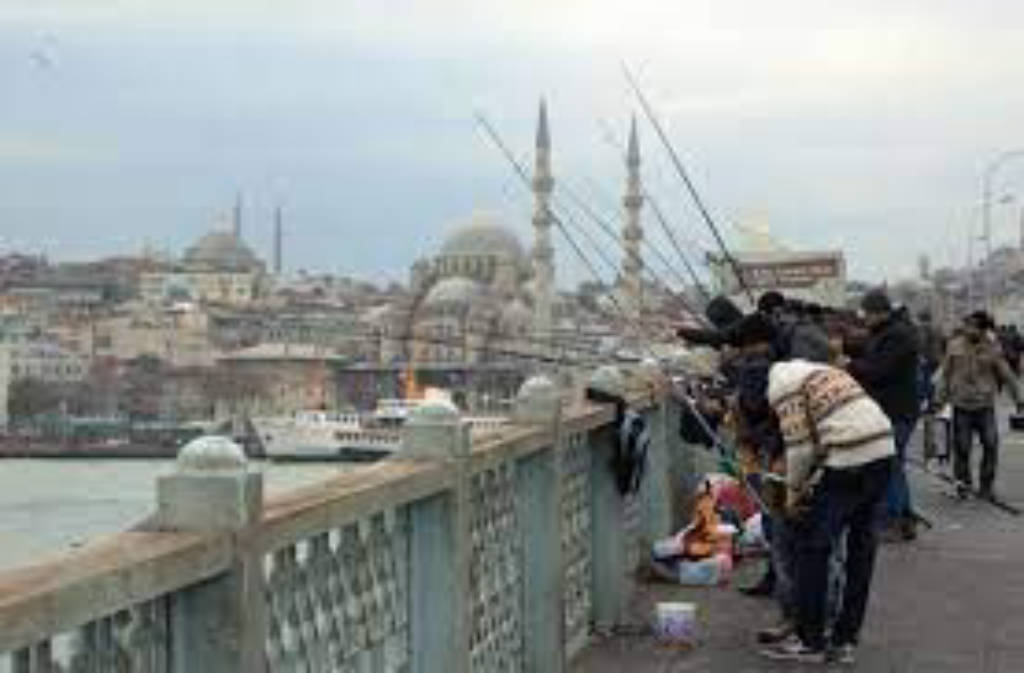
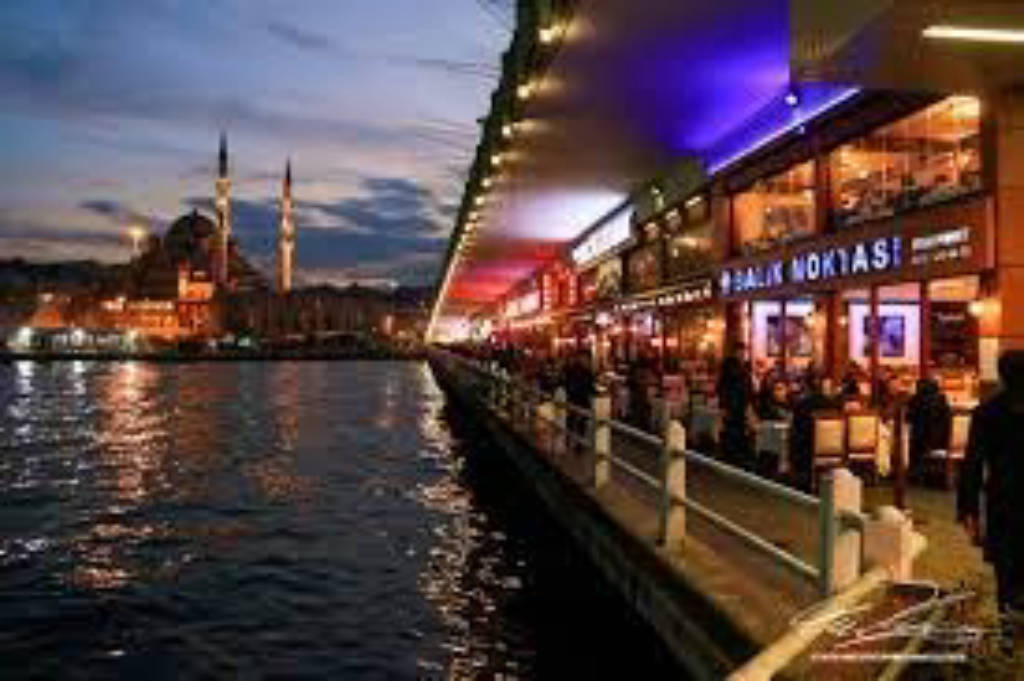
Today, the modern Galata Bridge has countless restaurants and cafes below, where locals enjoy their meals while watching the ferries and fishermen hustle. All daily city tours in Istanbul include this bridge as it is the passage leading to the Citadel of Constantinople. And the old bridge is now deeper in the Golden Horn, between the Sutluce and Feshane Convention and Fair centers.